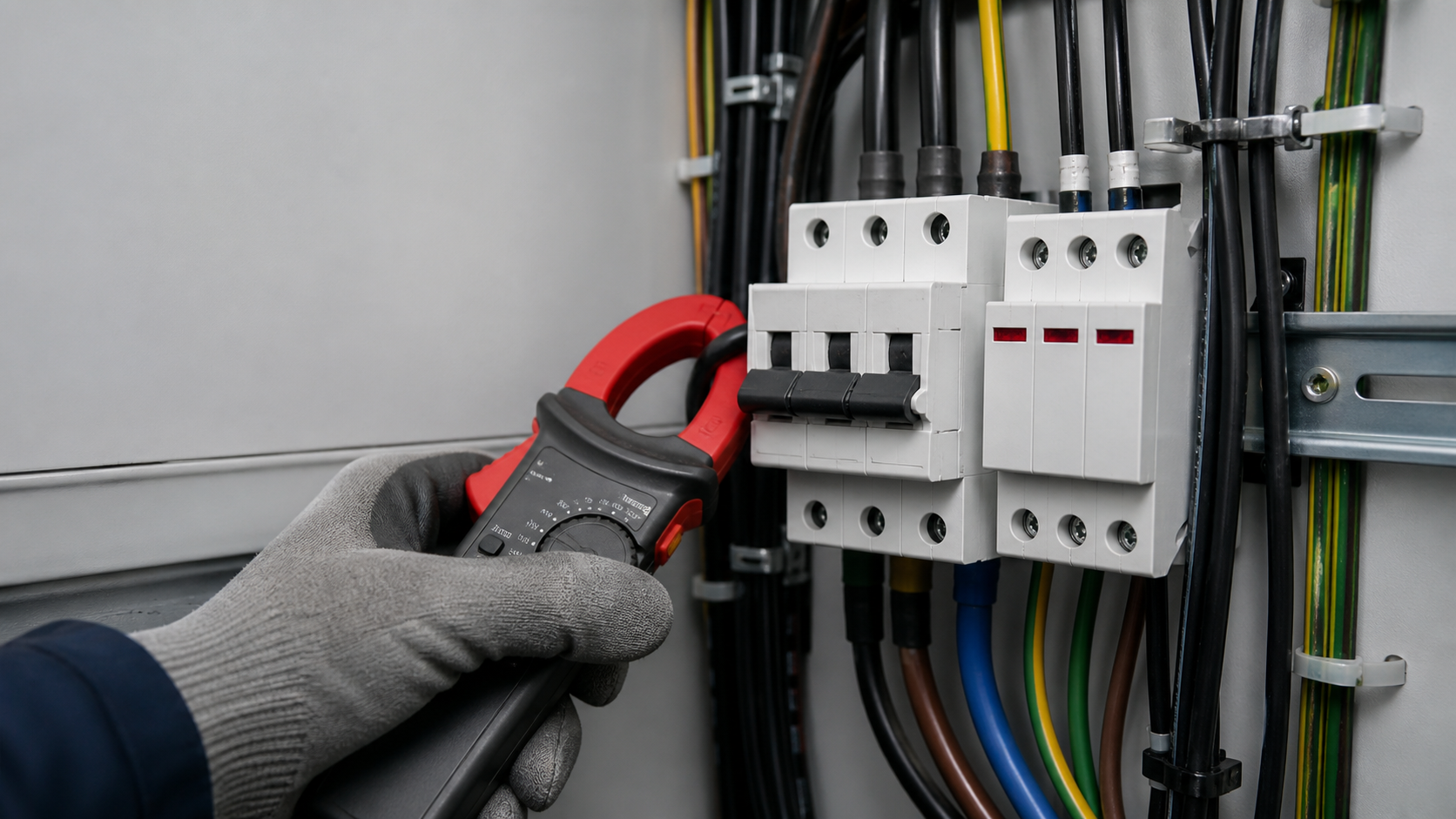
Engineering review scene with an open electrical control cabinet

Electrical Protection Insights

Selection guidance for residual-current protection, surge protection, transfer switching and low-voltage protection coordination.

Insights categoryElectrical Protection

Project-buyer guidance curated around a specific engineering decision.

Showing 1324 of 75 published guides.

Every guide remains available through the numbered topic pages and its own permanent article URL.

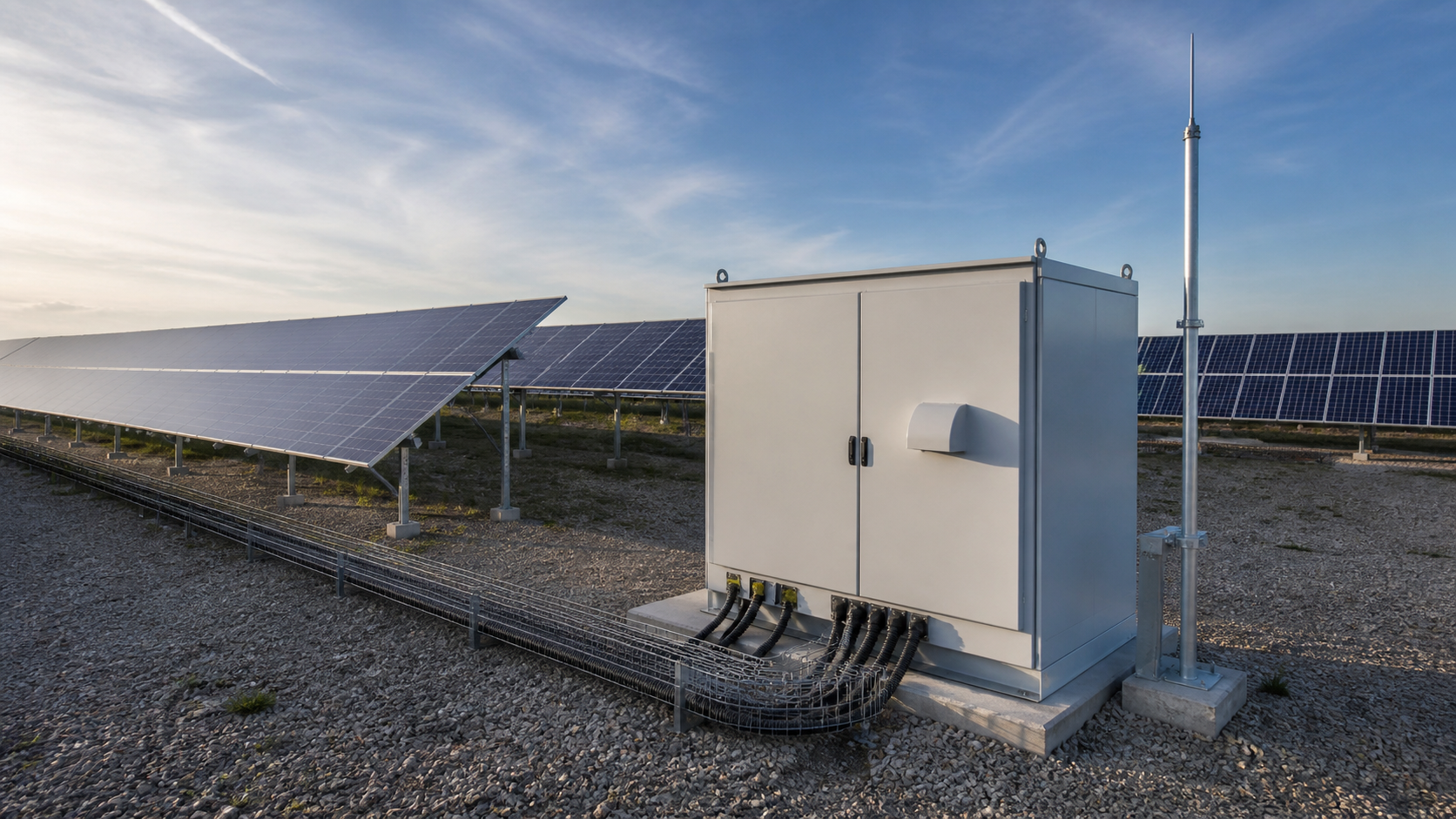
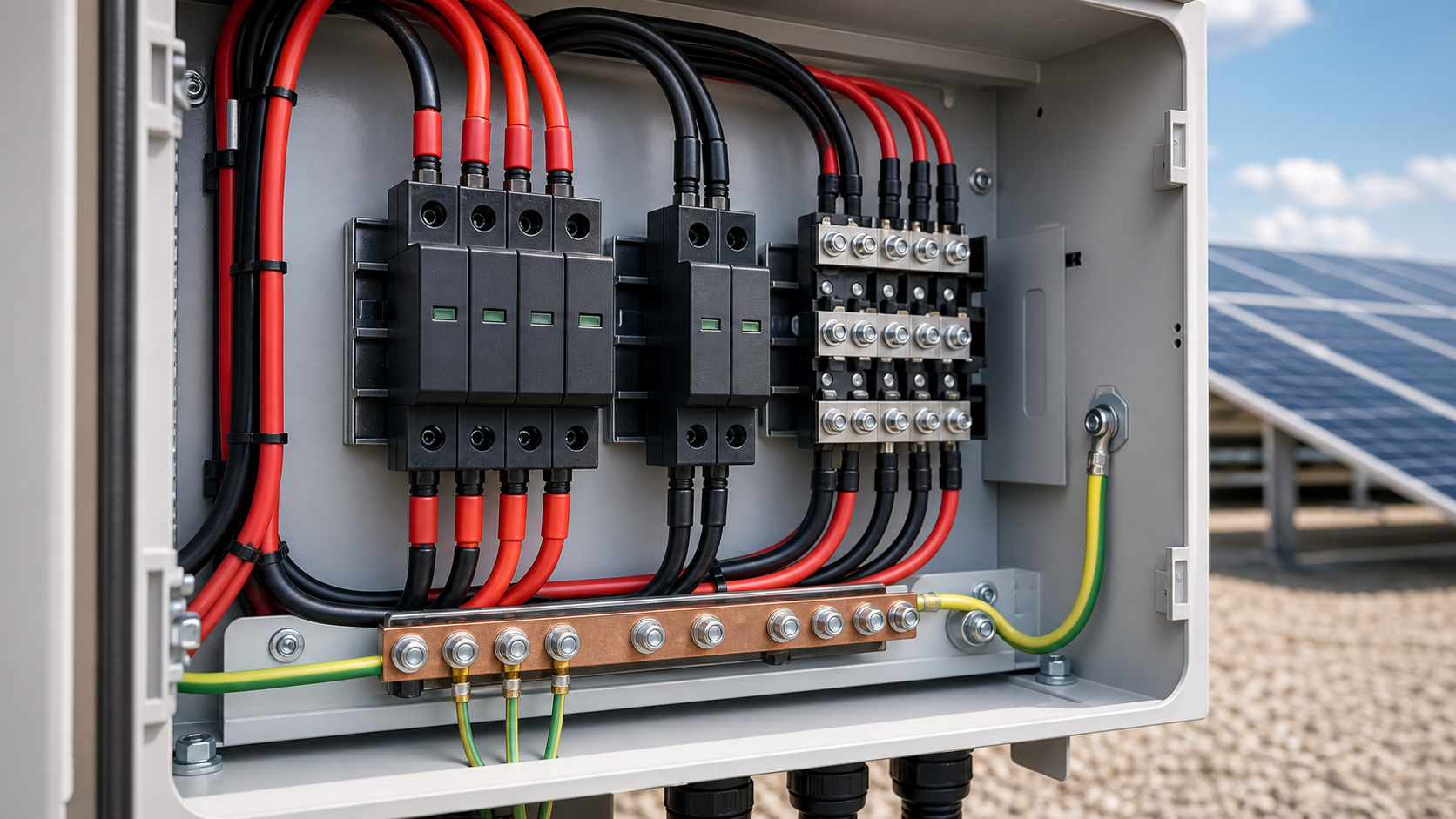
Neutral outdoor DC protection enclosure in a photovoltaic installation context

Electrical Protection / Technical guide

Why 1500 V Is the Utility PV Standard for DC Protection

The move to 1500 V is a response to project economics at the megawatt scale. A 1500 V array carries roughly the same power with two-thirds of the current of an equivalent 1000 V design, which shrinks conductor cross-sections, lowers resistive losses, and reduces the number of combiner boxes and inverters needed per hectare. As module currents and conversion efficiencies climb, the industry has pushed the standardized maximum system voltage upward to keep the levelized cost of energy falling. For equipment engineers, the change is not cosmetic: every component on the DC side must now be qualified for the higher insulation and transient environment.

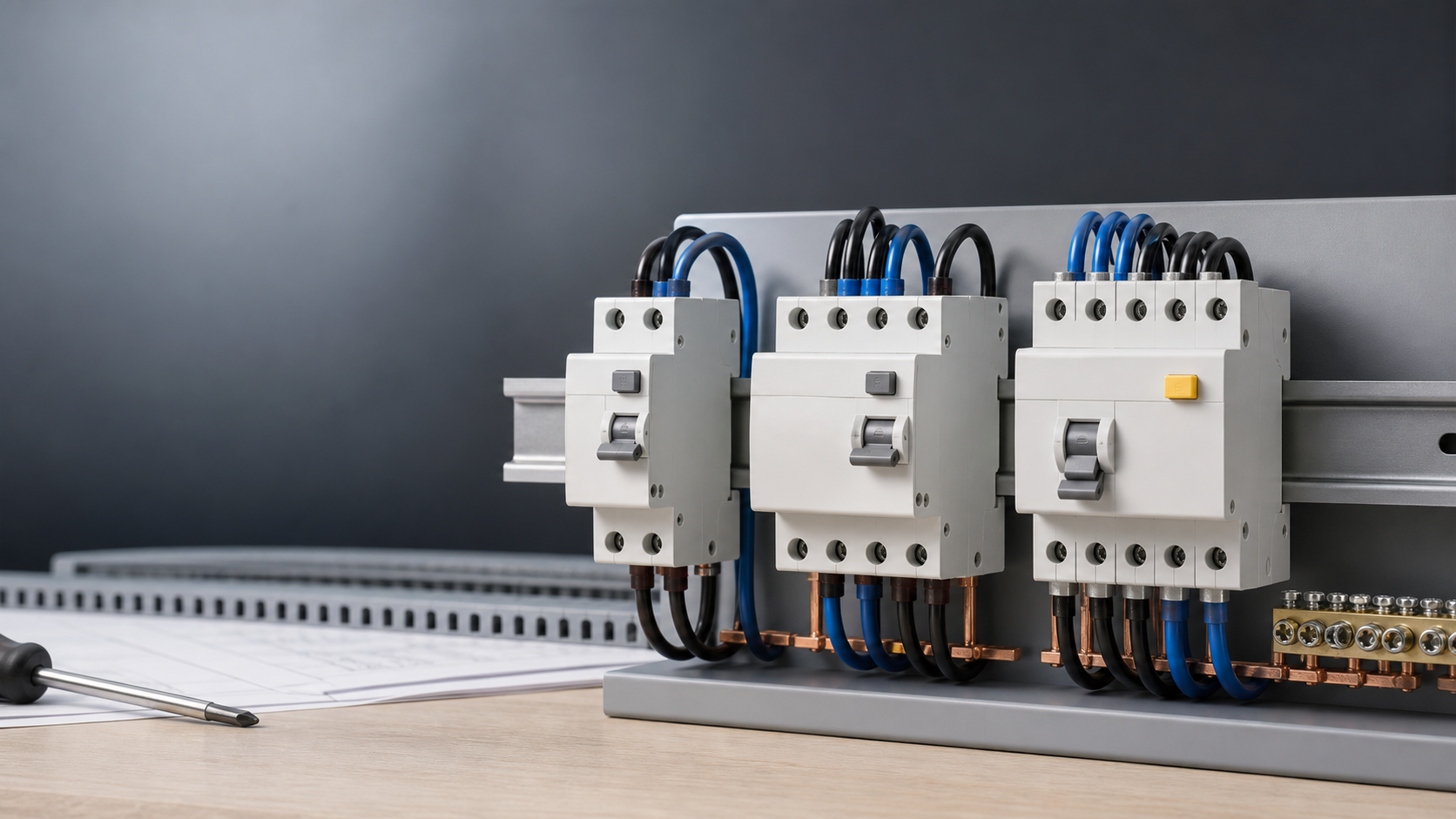
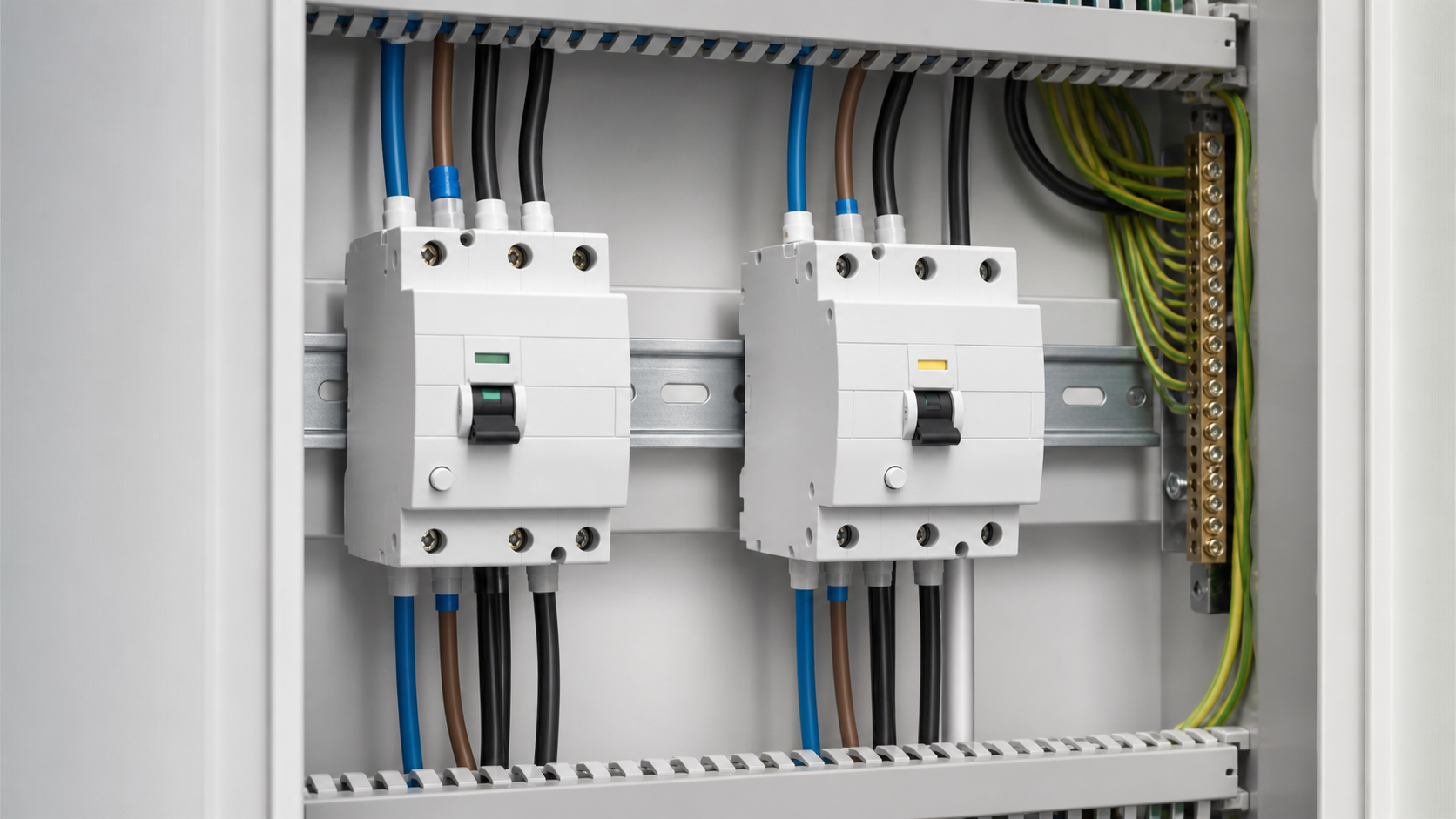
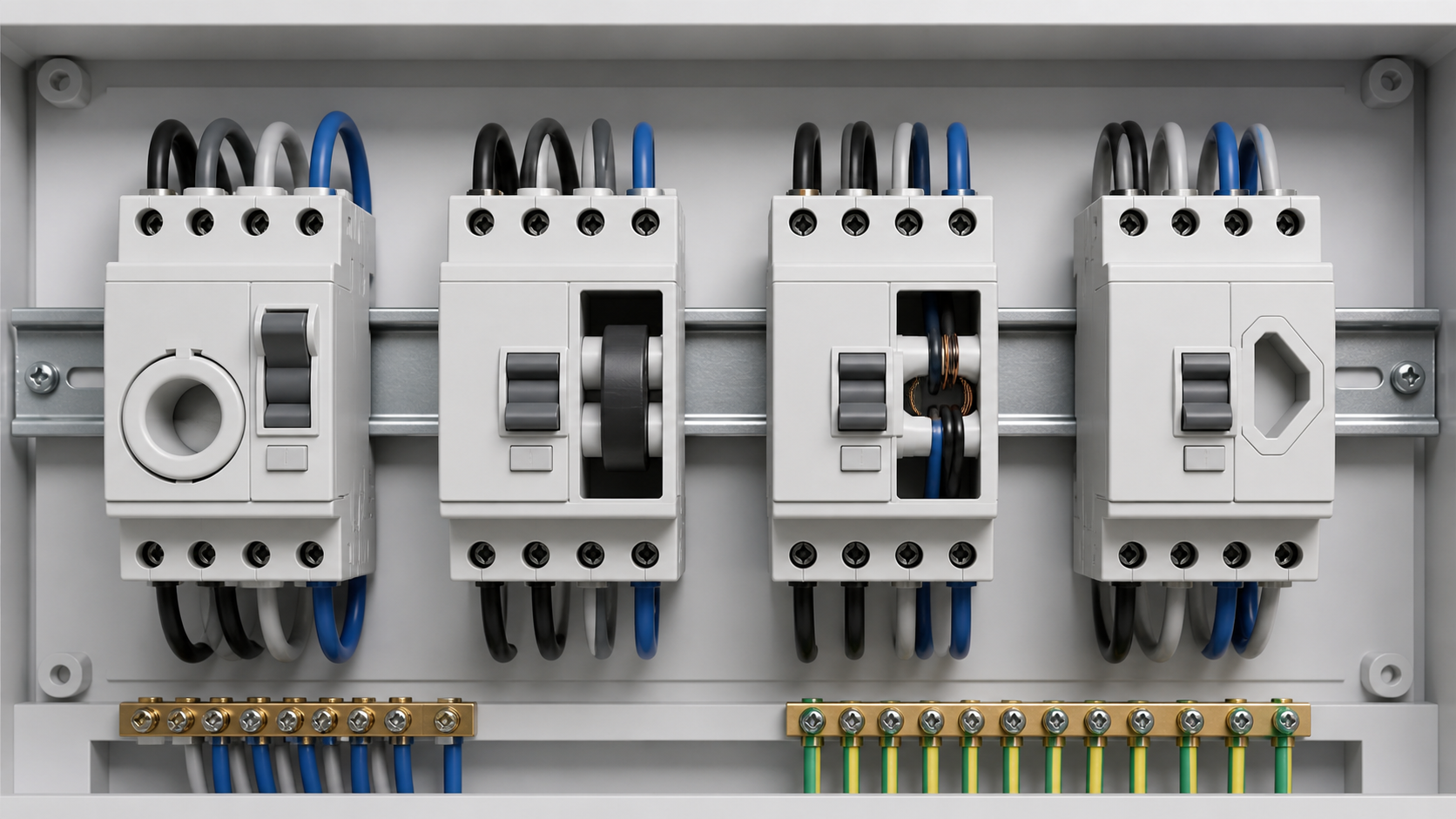
Generic residual-current devices arranged for type comparison

Protection / Selection guide

Guide to RCCB Types AC, A, F and B

RCCB types AC, A, F and B differ by the smooth or pulsing DC fault they catch: AC for pure AC, A for mixed, F for frequency-drive, B for universal. Pick by the load waveform, not the name.