01
Storage control cabinets
Control, protection and communication scope mapped to the system architecture
For grid-connected and hybrid systems
 NEUTRONPower Distribution & New Energy
Energy storage integration
Bring BMS, PCS, EMS, protection and communications into one reviewable control scope.
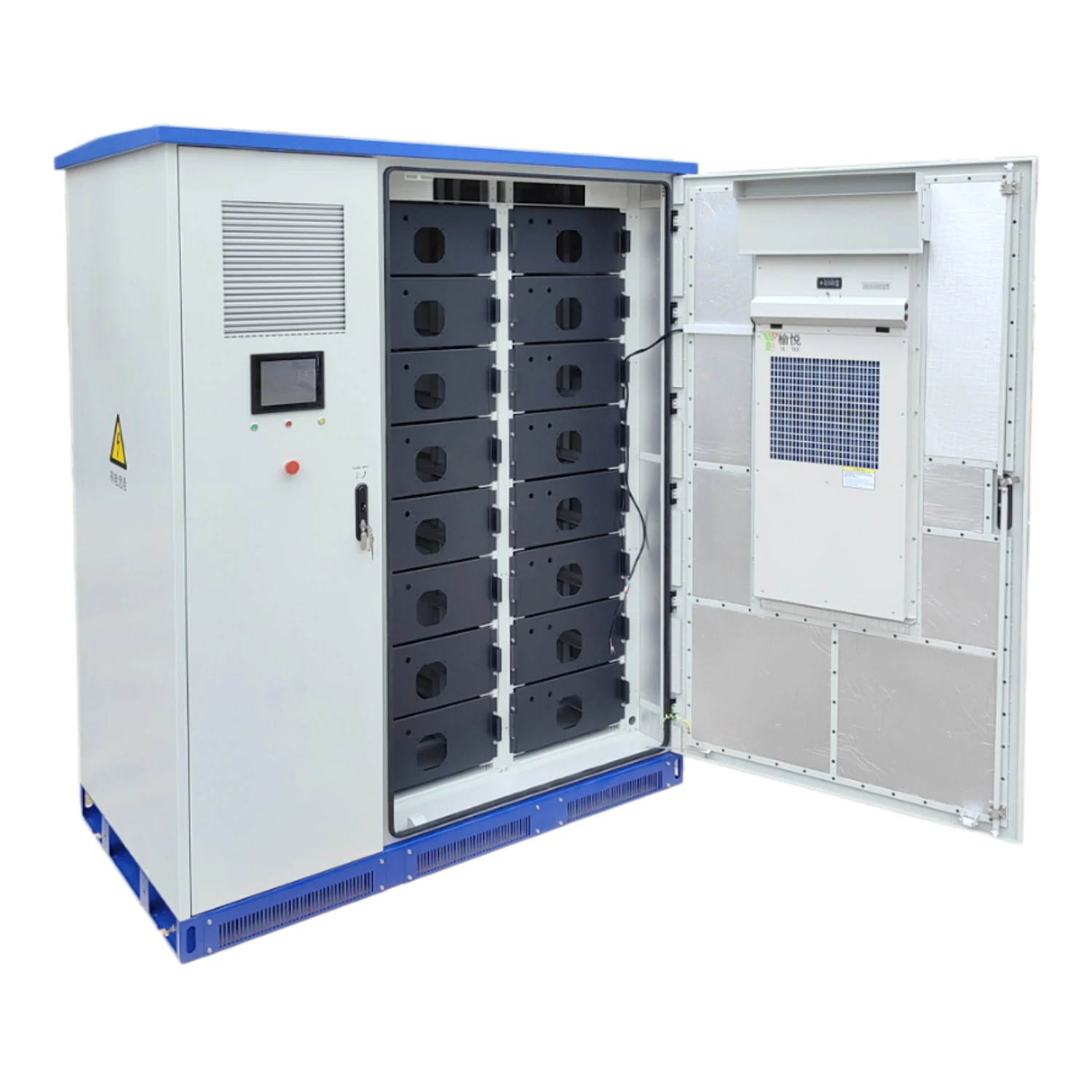
Purchase readiness
Pricing is confirmed per configuration and quotation. Project builds are engineered to spec; final ratings, documents and delivery are confirmed before quotation.
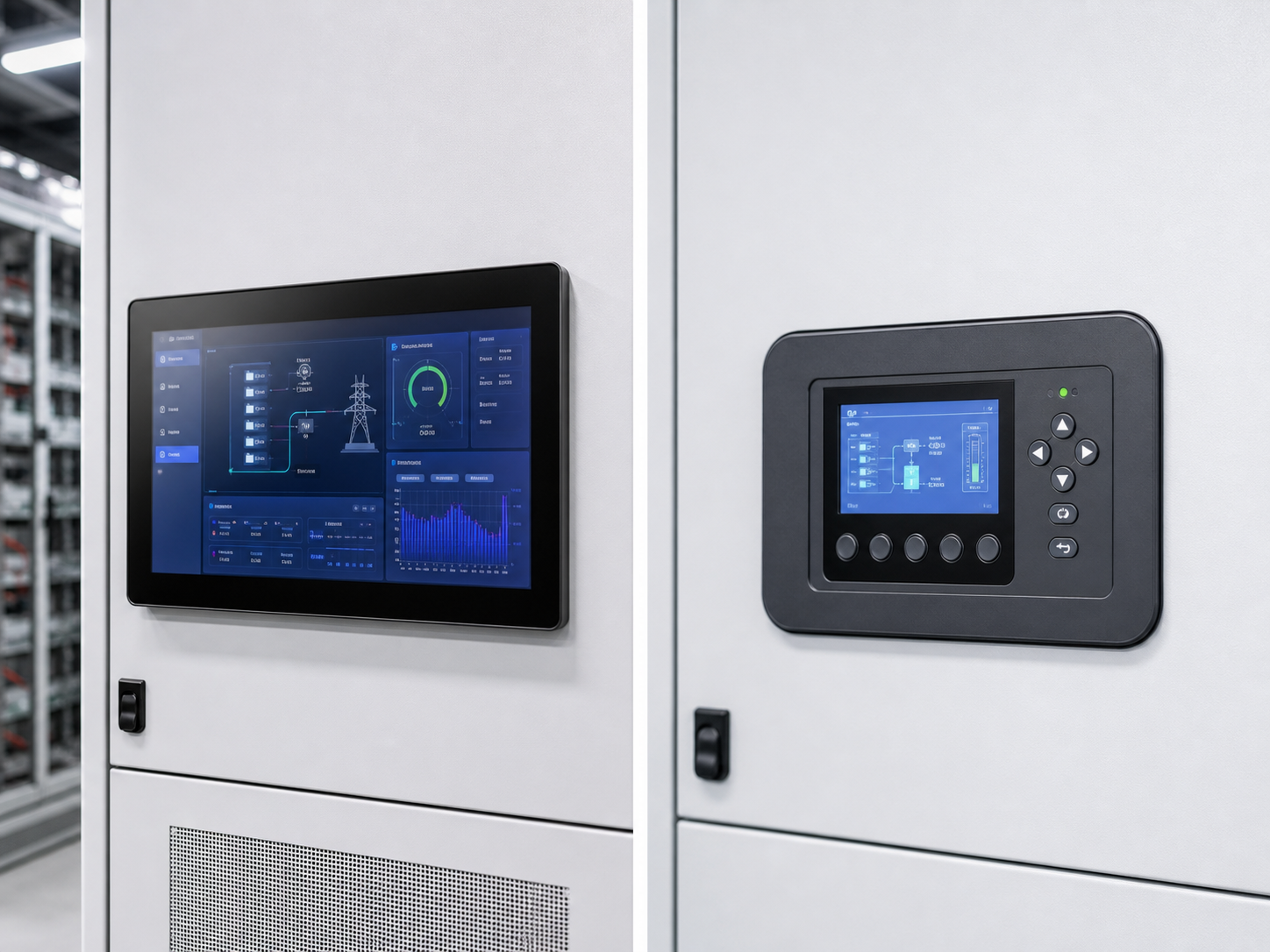
Review point 01
Start with the system architecture and map BMS, PCS, EMS, protection and field interfaces together.
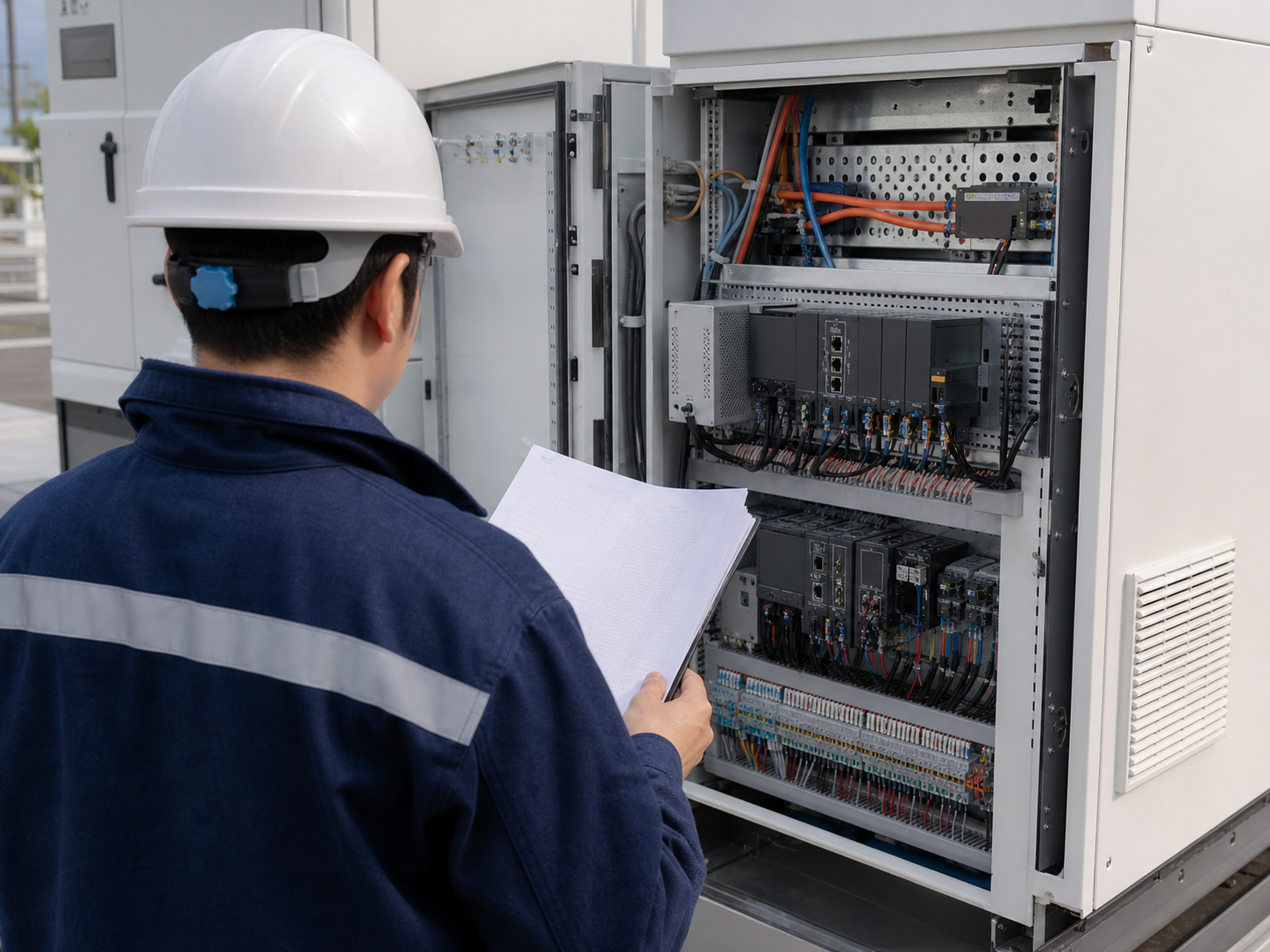
Review point 02
Confirm protocol, I/O, alarm, remote-control and document ownership before the cabinet is released.
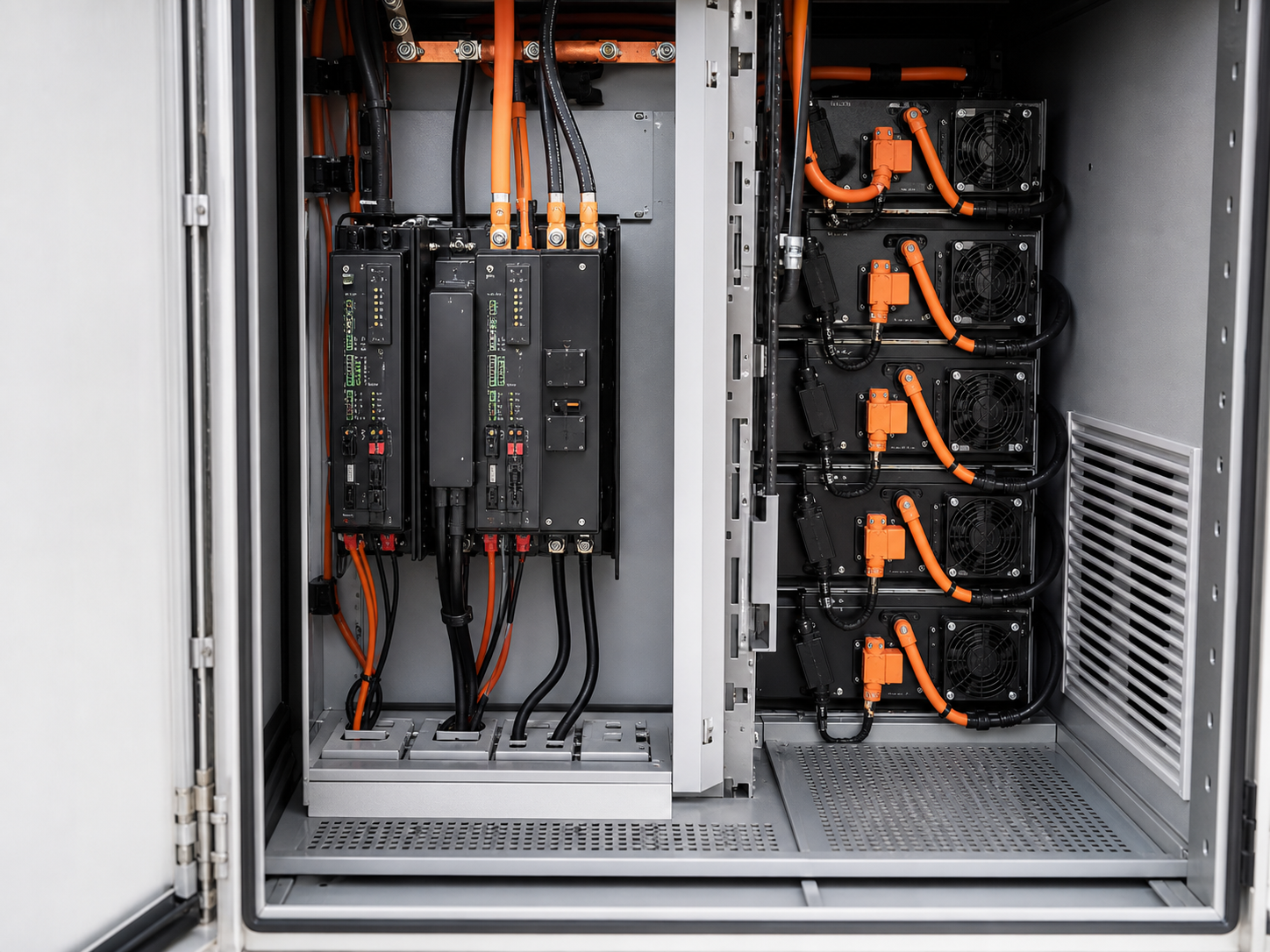
Review point 03
Review component access, ventilation, cable entry, maintenance path and site conditions at the same time.
Product range
Model, rating and component choices are confirmed from approved project inputs.
01
Control, protection and communication scope mapped to the system architecture
For grid-connected and hybrid systems
02
PV, PCS, EMS and protection interfaces reviewed together
Confirm operating modes
03
Cabinet and interface package aligned to supplied components
For repeat and project builds
Technical scope
| Architecture | Grid-connected, off-grid or hybrid operating context defined first |
|---|---|
| BMS / PCS / EMS interfaces | I/O, protocol, alarm and remote-control scope mapped to the design |
| Protection and isolation | Protection, interlock and emergency operation requirements confirmed |
| Enclosure and environment | Indoor/outdoor location, ventilation, access and cable entry reviewed |
| Serviceability | Maintenance path and replacement access included in the layout review |
| Release package | Architecture, GA, wiring/interface, BOM and test records as required |

Applications
Renewable project developers and EPCs
PV, PCS and storage-control interfaces
Utilities and system integrators
Grid interface, protection and communications
Microgrid and remote-power teams
Operating modes, control logic and service access
Technical resources
Overview material for comparing the family and identifying the next technical question.
Request through project inquiry ->Technical packModel-level files matched to the confirmed configuration and revision.
Request through project inquiry ->Project setDefine the BOM, interface, inspection and handover documents for the workflow.
Request through project inquiry ->Related product families
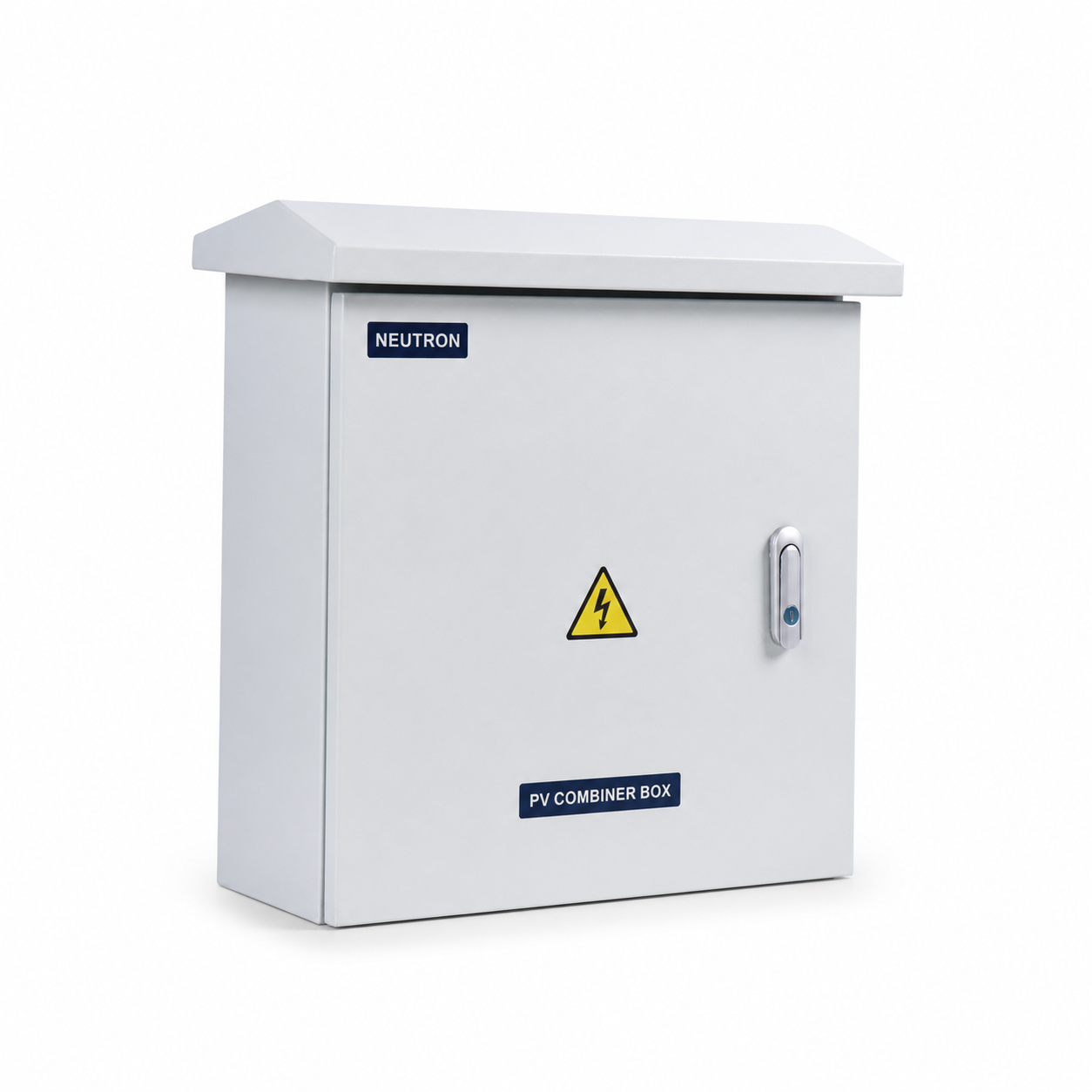
Solar PV distribution
Make every string, protection point and downstream interface easier to review before the quotation is released.
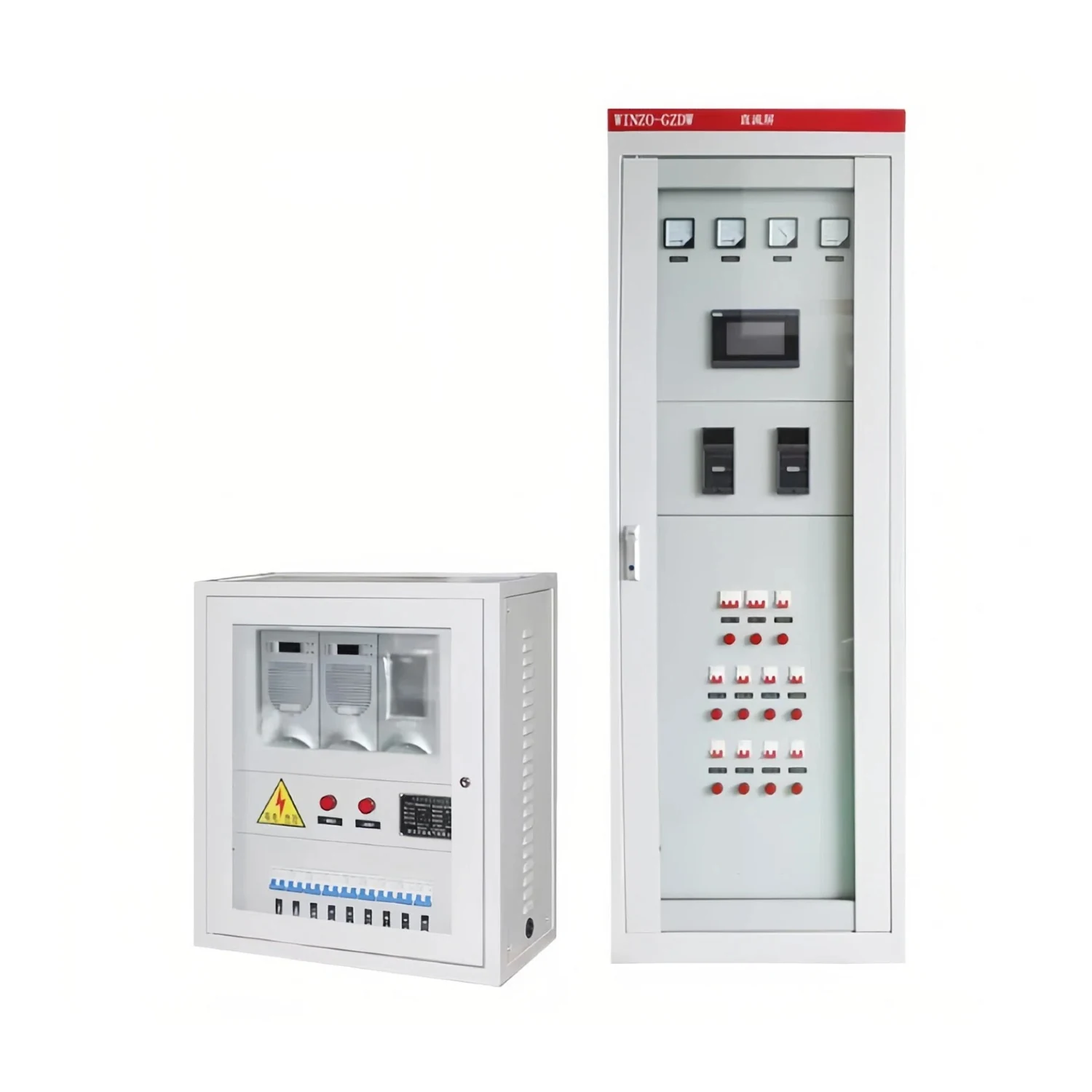
Protection and control
Keep control, protection, alarm and documentation interfaces visible from the first technical review.
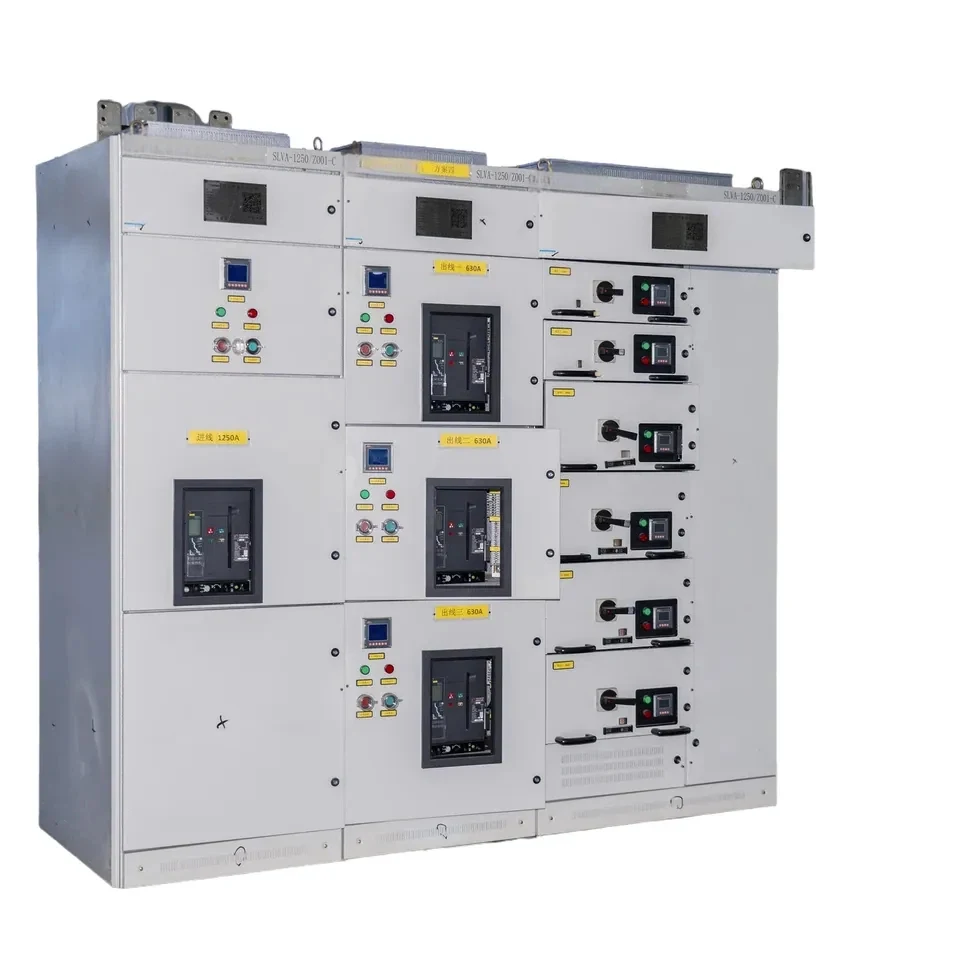
Power quality
Start with the measured electrical condition so the compensation and filtering scope matches the actual load behavior.
FAQ
The interface list, protocol, alarms, remote commands and operating modes are mapped to the project architecture before the control cabinet scope is released.
Yes. The product-family page is a starting point. Final enclosure arrangement, component selection, interfaces and documentation are confirmed against the approved drawing, load schedule or technical brief.
A single-line diagram, target ratings, quantity, installation environment, delivery destination and any required standards or document list will help the engineering review start with the right assumptions.
The review can include OEM, drawing-led assembly and project-specific integration requirements. Scope, interfaces, inspection points and document ownership are agreed before release.
No. This page explains the product family and the information needed for selection. The approved datasheet, drawing and quotation are the controlling documents for a specific project.
Next step
Application, destination, quantity, target ratings and document requirements make it easier to prepare a relevant response.