Electrical Protection
Neutral-Ground Loop: Why PV RCBO Trips Happen and Fixes
1. What a neutral-ground loop is
 NEUTRONPower Distribution & New Energy

Technical knowledge library
Selection guidance for residual-current protection, surge protection, transfer switching and low-voltage protection coordination.
Showing 73–84 of 97 published guides.
Every guide remains available through the numbered topic pages and its own permanent article URL.
Electrical Protection
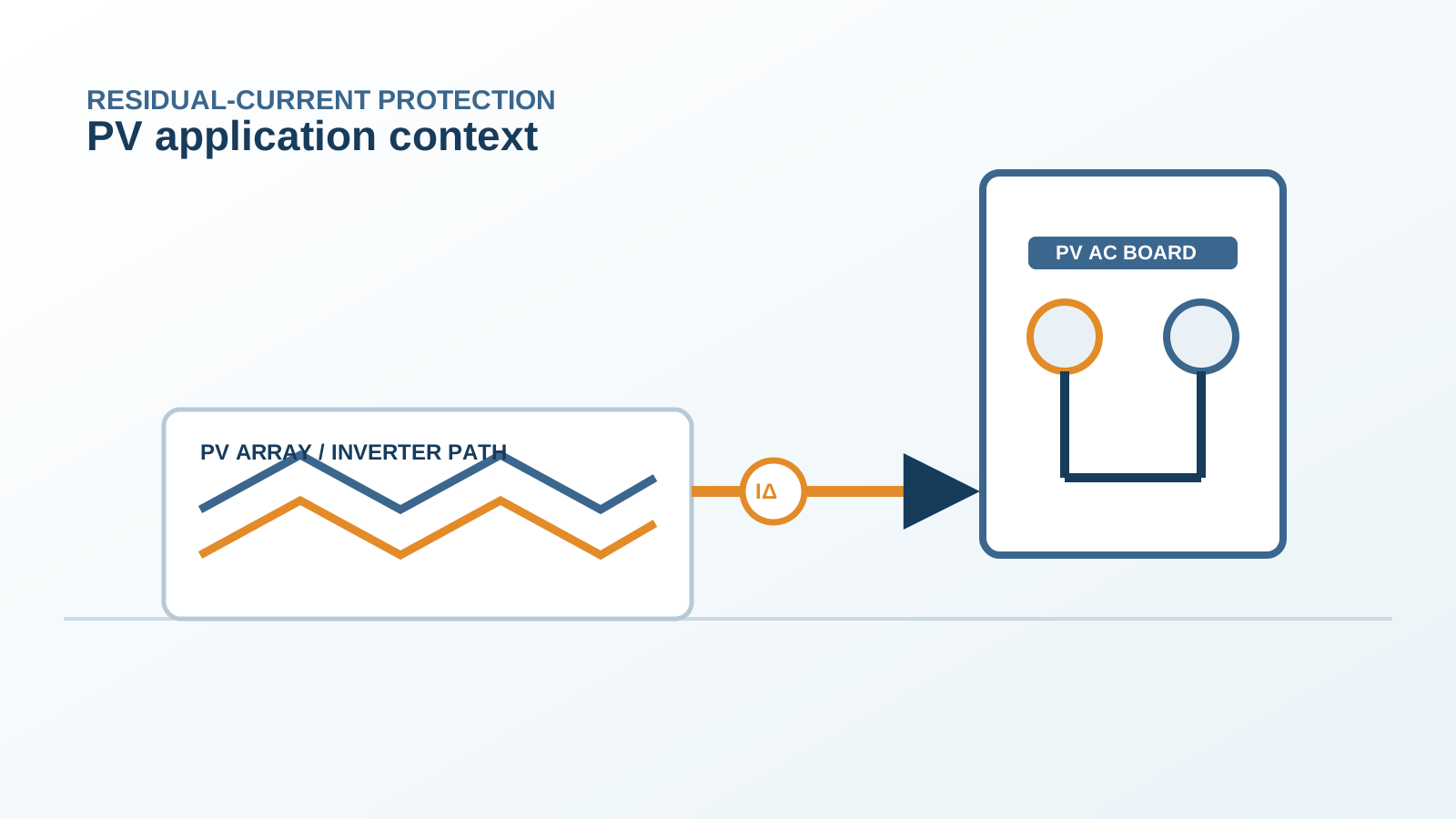
1. What a neutral-ground loop is
Electrical Protection
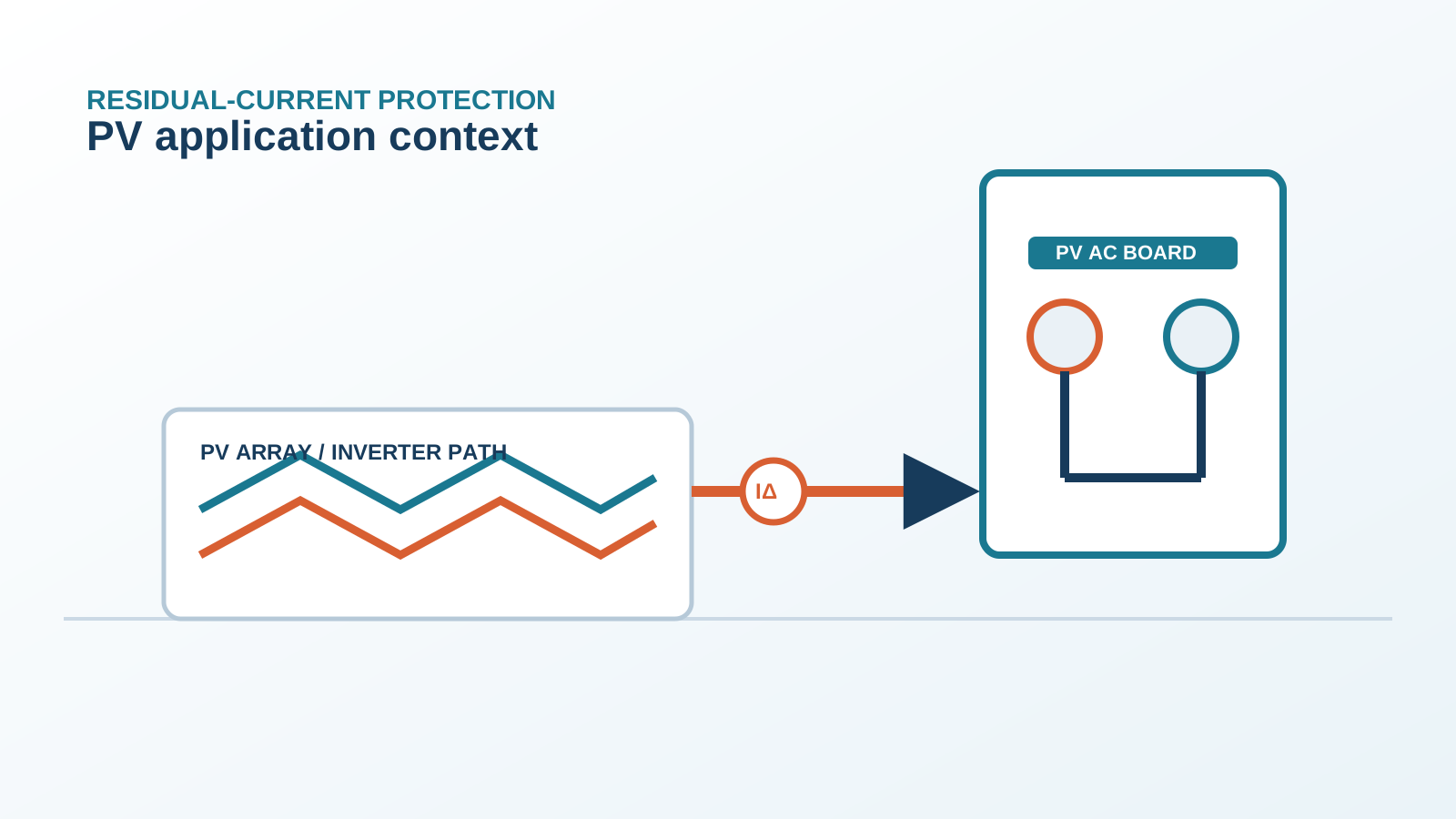
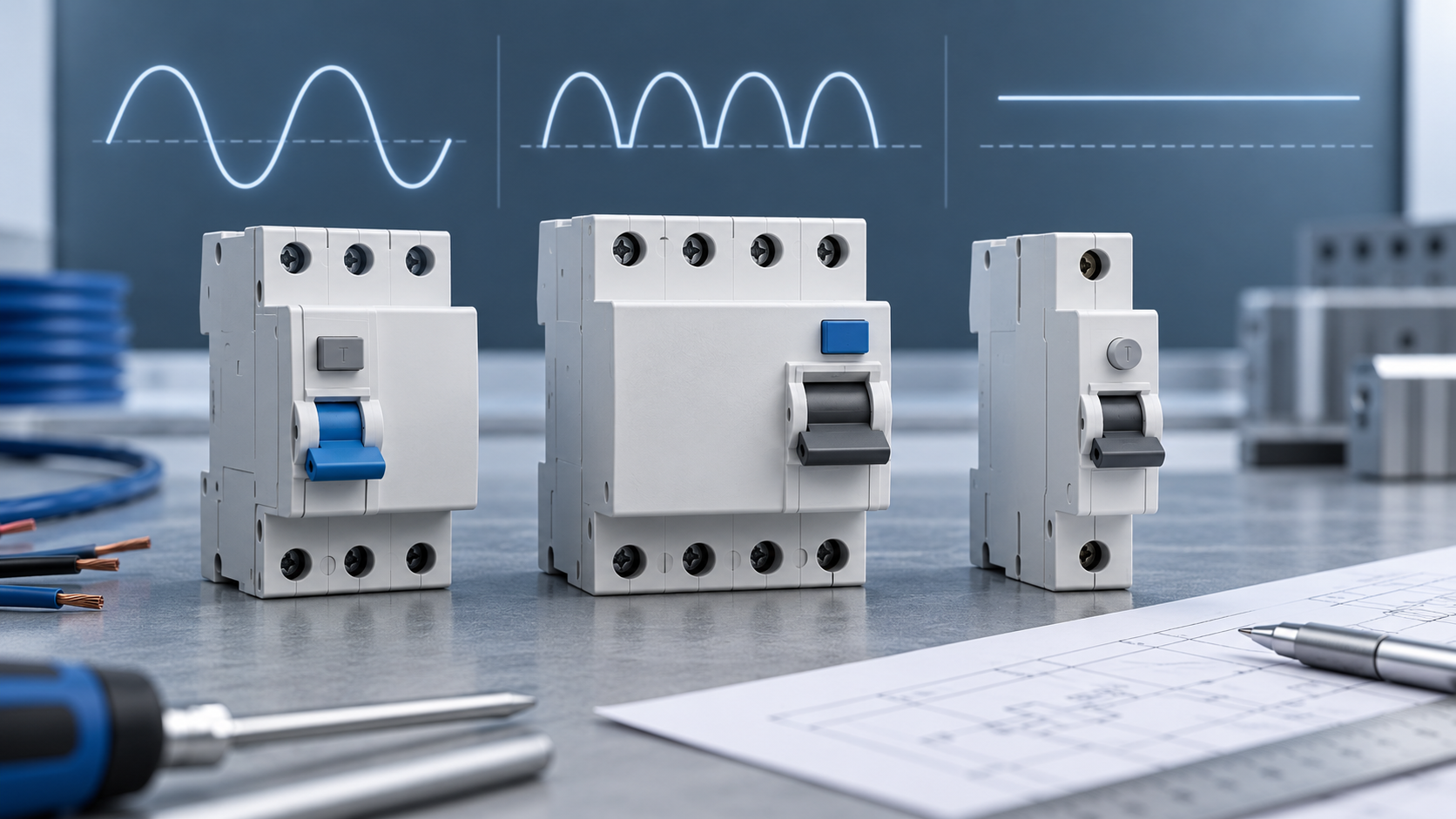
IEC 62423 is the standard that turned "residual current device" from a single product family into a graded set of detection classes. It defines Type F and Type B devices, and it specifies the additional requirements those classes must satisfy on top of the base RCCB and RCBO standards. For photovoltaic work this matters more than in almost any other low-voltage application, because a grid-tied PV inverter injects residual current components that a plain AC-only device was never designed to see.
Electrical Protection
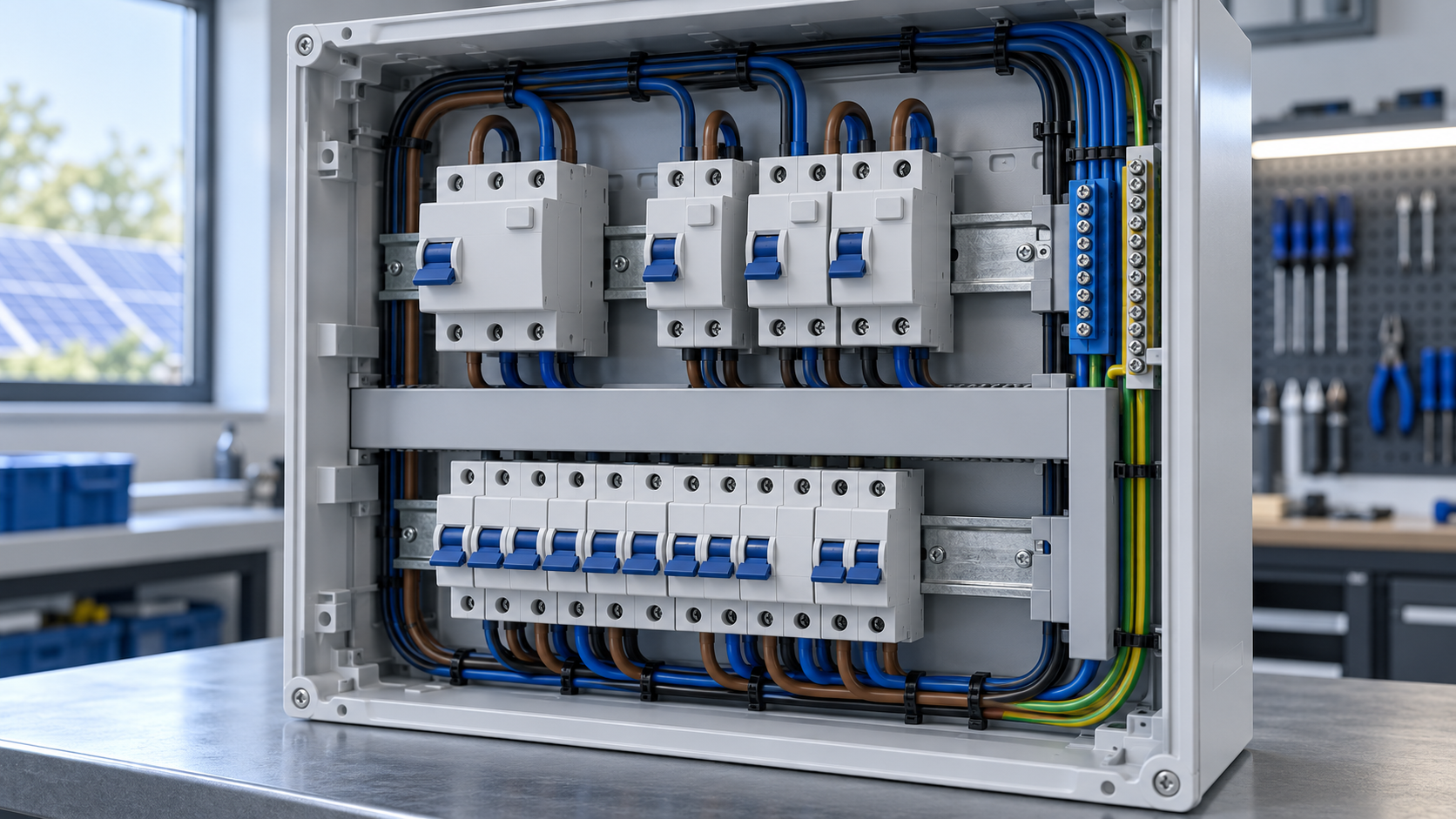
IEC 61008 and IEC 61009 describe different residual-current device constructions, not a blanket rule for every PV AC board. This guide explains the RCCB/RCBO distinction, supplementary detection requirements and the evidence to verify against the device, inverter documentation and local rules.
Electrical Protection
IEC 60755 is often cited alongside RCD product standards, but it is not a stand-alone certificate for an RCCB or RCBO. This guide separates general requirements from device-specific standards, explains IEC 60755-1’s distinct DC-system role and outlines how to check declarations.
Electrical Protection
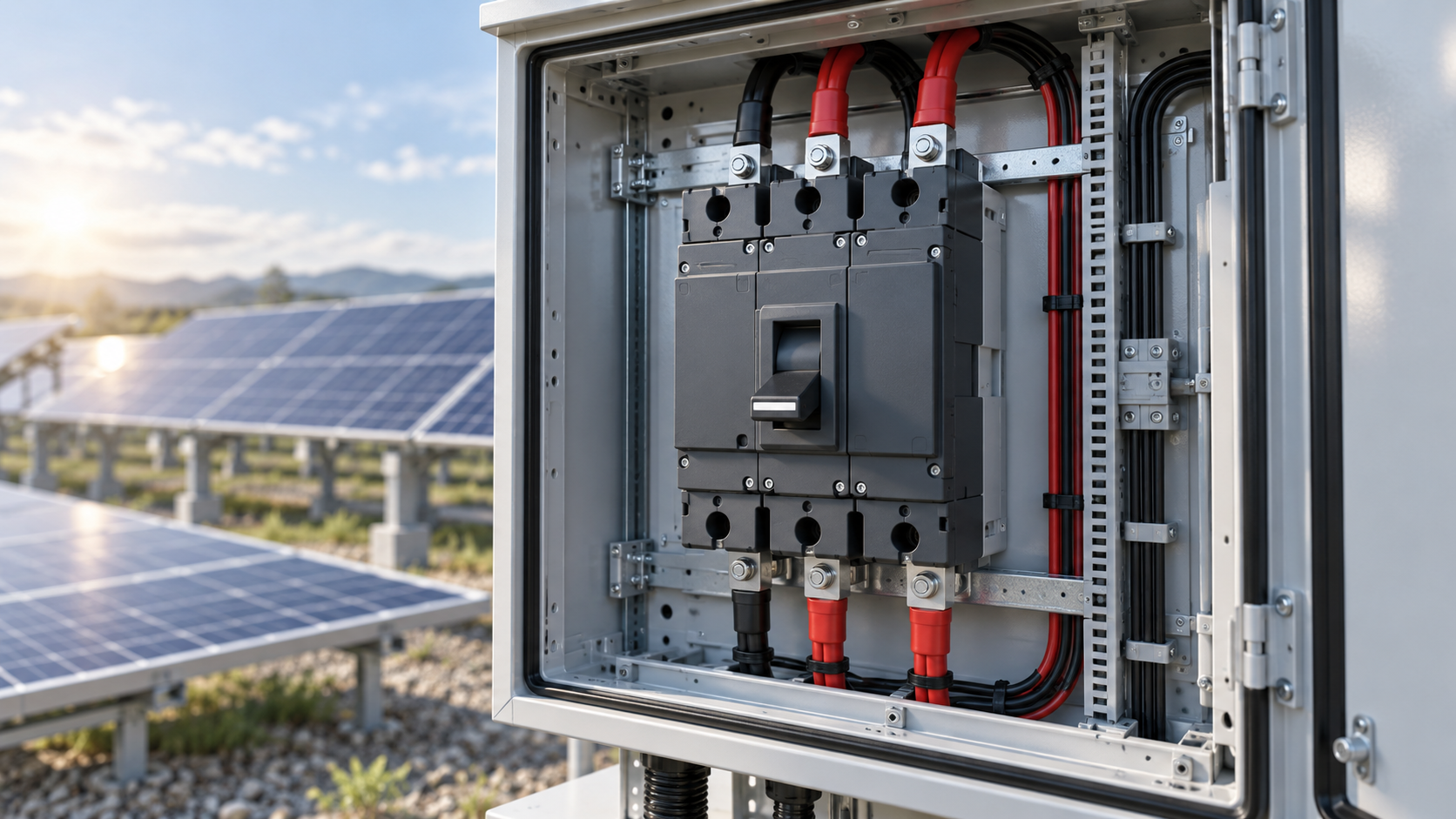
IEC 60947-2 is relevant to many industrial DC breaker applications, but it is not correct to say that every PV breaker must use it or that IEC 60898-2 covers AC only. This guide compares their scopes, explains why DC voltage and pole arrangement must be read together, and outlines the product evidence needed for a defensible PV selection.
Electrical Protection
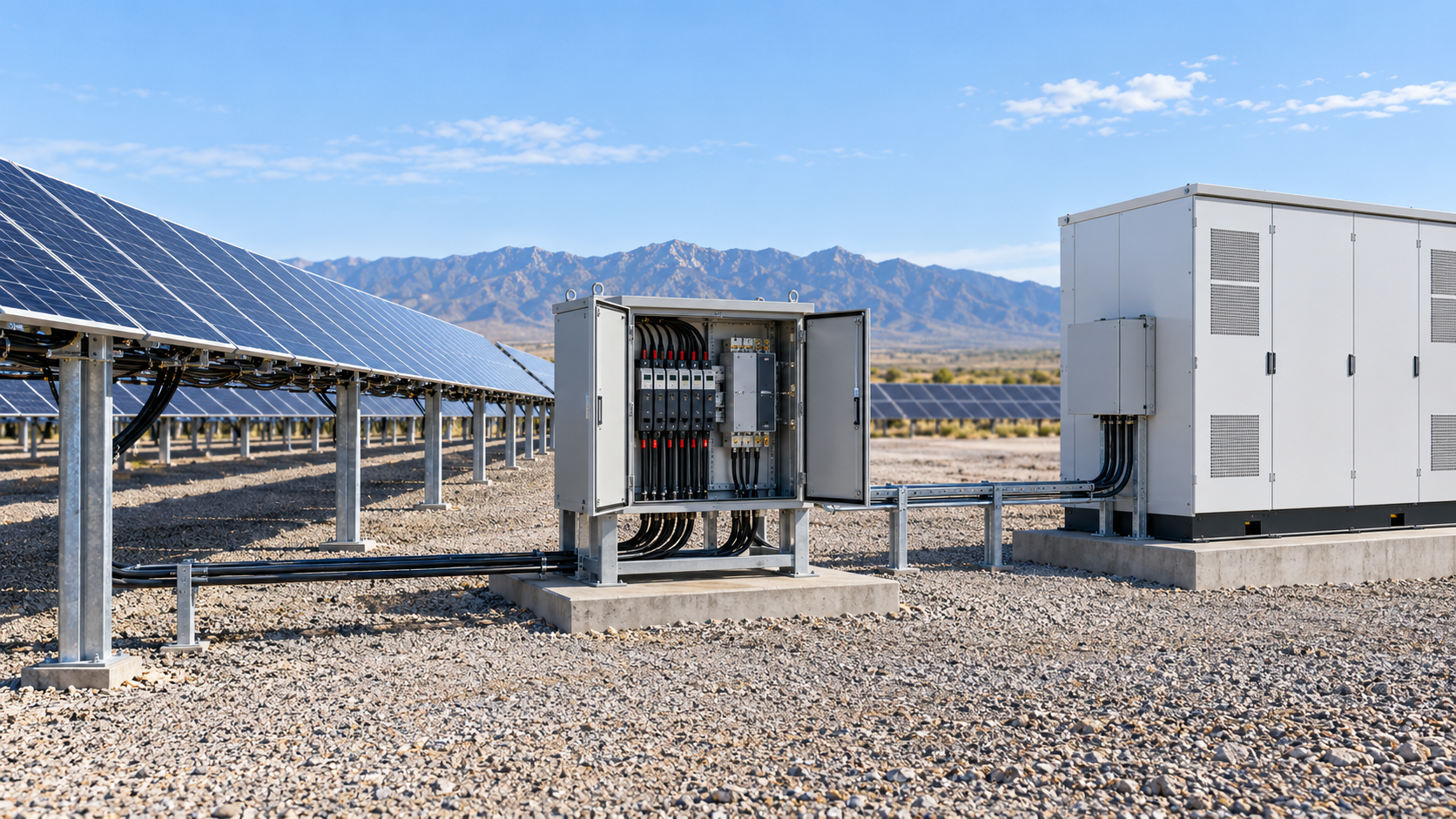
UL 489/489B breaker evaluations and UL 1741 inverter evaluations address different equipment and must not be treated as interchangeable approvals. This guide explains what each evidence stream is intended to establish, why a generic DC marking is not enough for a PV project, and how to prepare model-specific documentation for review under the code adopted by the project jurisdiction.

Electrical Protection
IEC 62548-1 provides a framework for PV-array design, but it does not automatically guarantee selectivity between devices or replace equipment-specific standards. This guide uses the current consolidated IEC 62548-1:2023 + AMD1:2025 scope to map array-side protection, the power-conversion interface and the records needed to verify a project design.
Electrical Protection
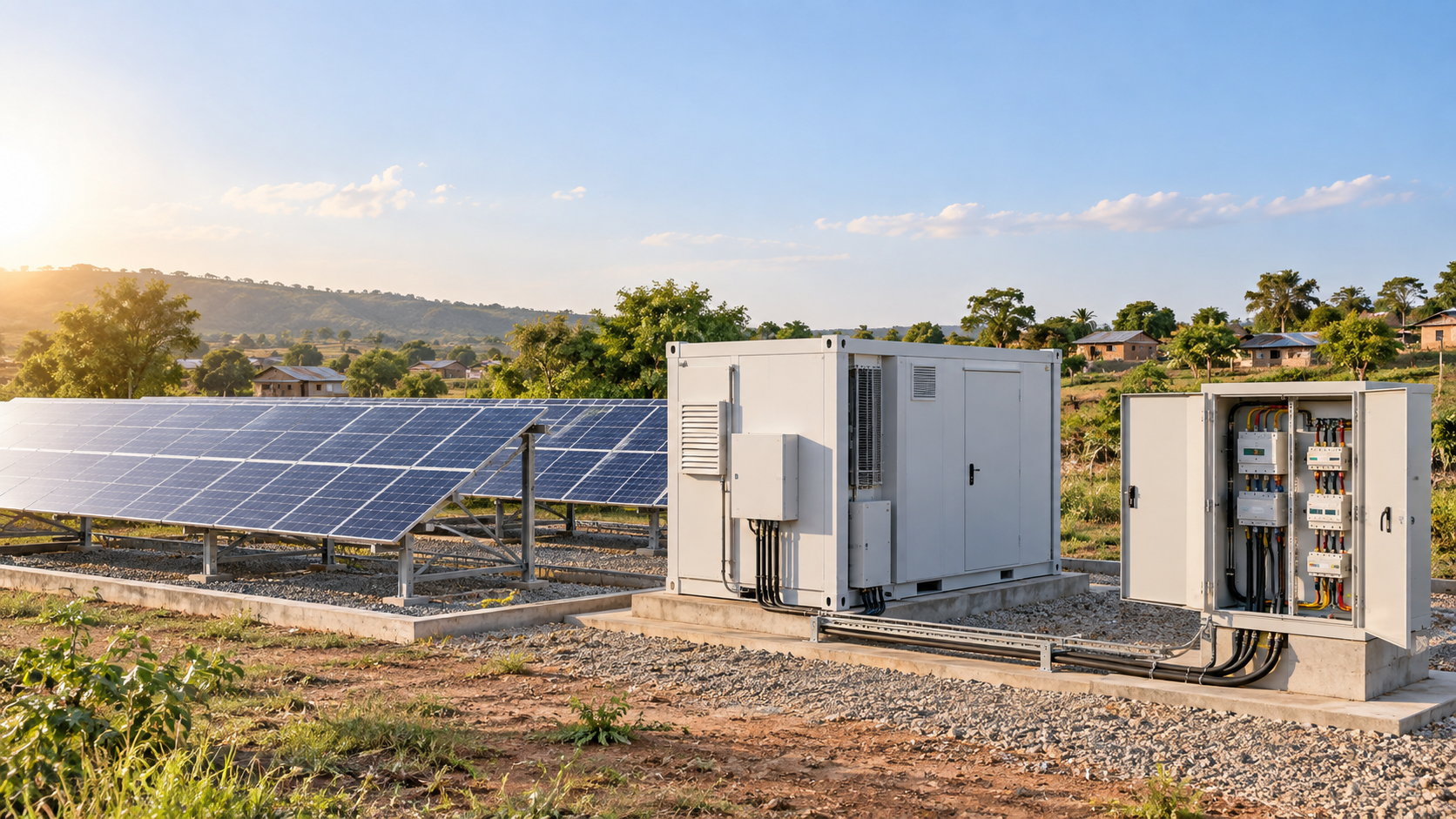
A DC-plus-AC protection approach for community solar microgrids, from string isolation to Type B residual-current protection.

Electrical Protection
A DC-plus-AC protection scope for an agriculture microgrid with solar, storage and inverter-connected loads.

Electrical Protection
A hybrid-microgrid protection approach pairing array-side DC control with Type B residual-current protection on the AC board.

Electrical Protection
Solar power at the Zaatari refugee camp supports essential services such as water pumping, lighting and community facilities. NEUTRON supplied the DC protection on the array side and the residual-current protection on the AC side, with the battery and inverter integrated by the operator.

Electrical Protection
The Baaloul community solar microgrid brings reliable electricity to a rural Lebanese village through on-site PV and storage. NEUTRON supplied the DC protection on the array side and the residual-current protection on the AC side, with the battery and inverter integrated by the operator.