
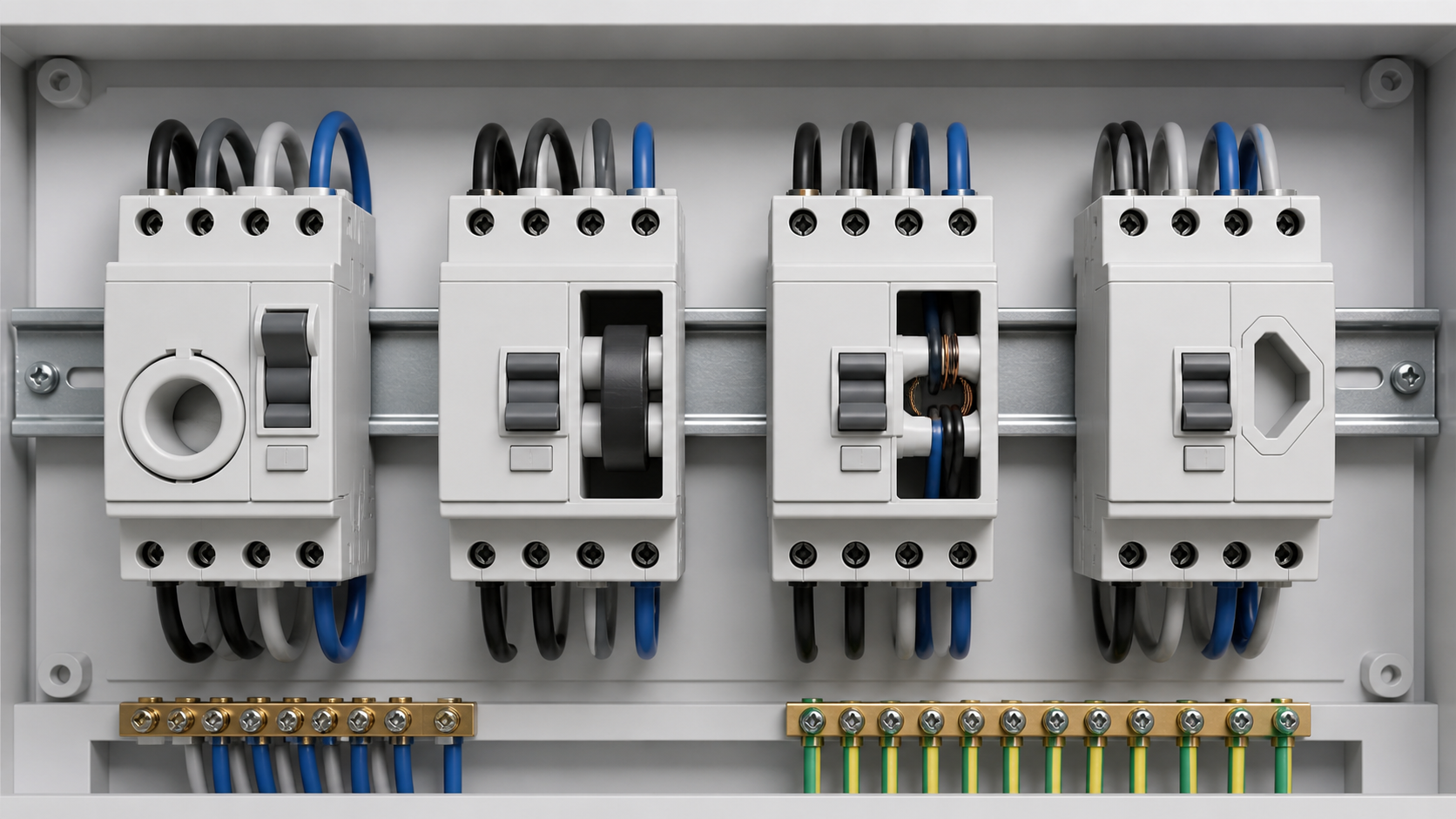
1. What the four types catch
Type AC trips on residual AC; type A adds mixed-frequency pulsating DC; type F adds high-frequency pulsating DC; type B adds smooth DC up to 6 mA/Hz of the supply.
The load waveform, not the label, decides the safe choice.

2. Matching type to load
A type-A RCCB on a PV inverter and a type-B on a medical IT system close the loop the spec needs.
- Type AC — general sockets and pure-AC loads.
- Type A — mixed AC/DC, EV chargers, PV inverters.
- Type F — frequency drives and class-1 appliances.
- Type B — medical and data centres with smooth-DC fault.
3. Standards and NEUTRON RCCBs
Built to IEC 62423 with the type-specific trip curves, NEUTRON RCCBs carry CE and CB certification, up to 1000 V, IP20 to IP65.
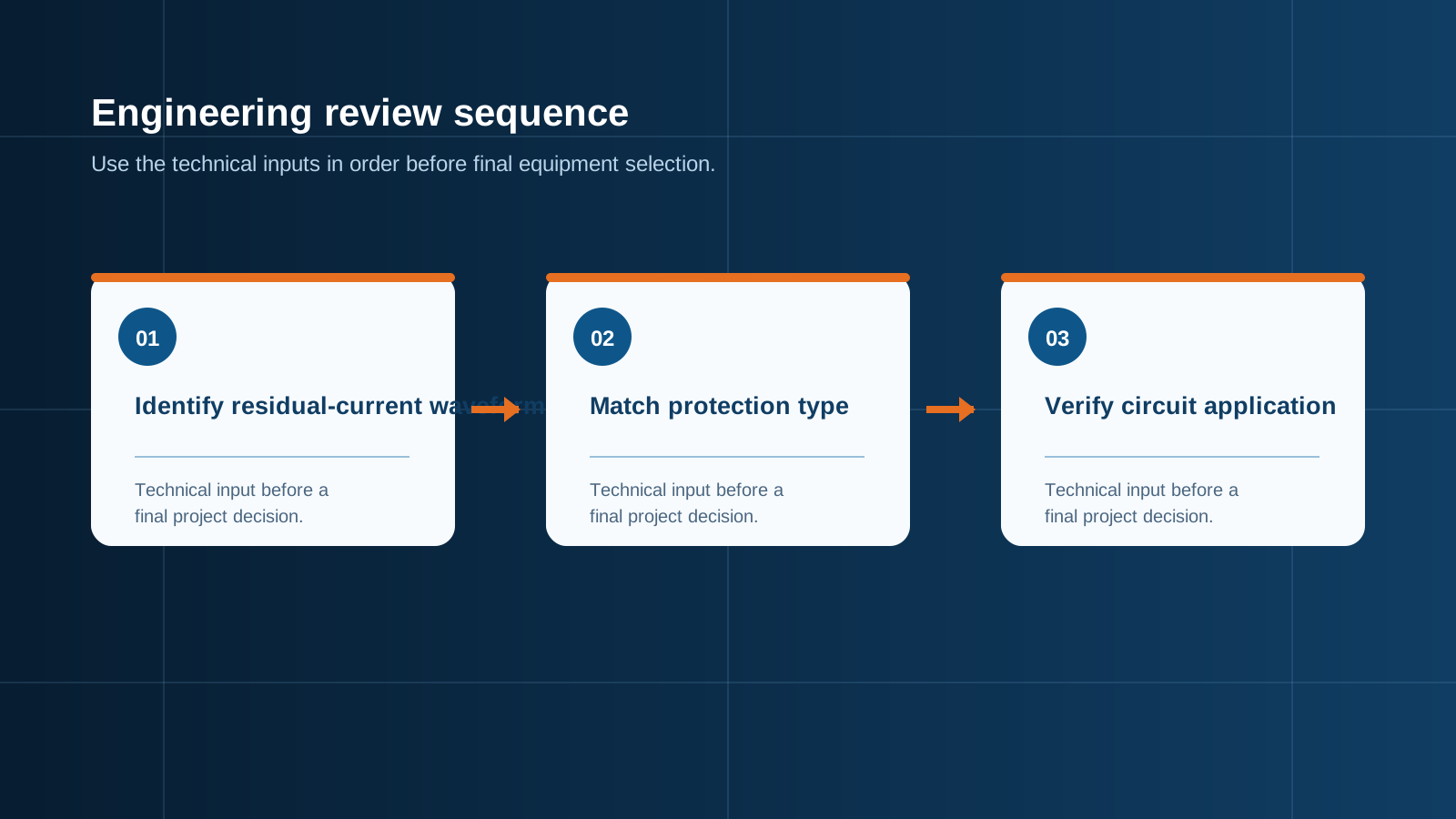
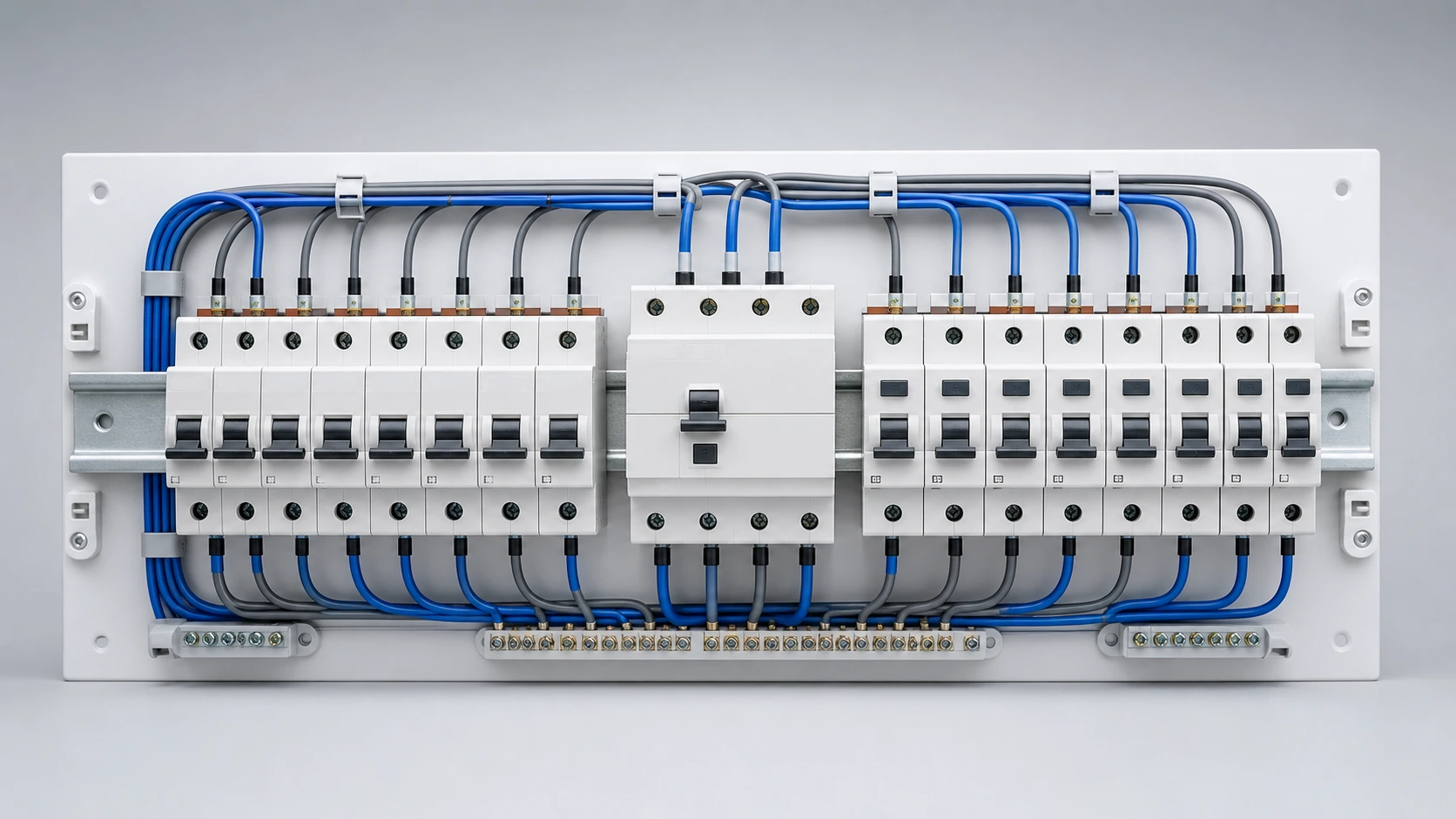
Technical diagram shown at a readable responsive scale.
4. Common mistakes when specifying
- Using type AC on a PV inverter — misses the DC fault.
- Using type A where smooth DC appears — under-trips.
- Ignoring the frequency drive — F or B needed, not AC.
This is general technical guidance, not a substitute for local electrical code, the applicable standard, product datasheets or a qualified engineer's design review. Confirm ratings and final configurations against the actual project.
Bring the project inputs to the first review.
NEUTRON can review the application context, electrical envelope, enclosure conditions and document requirements related to guide to rccb types ac, a, f and b before quotation.
Discuss a technical requirementContinue learning
Explore related technical guidance in Electrical Protection.
Converted from the approved Period 01 source article for Guide to RCCB Types AC, A, F and B. Editorial instructions, duplicate anchor placeholders and embedded publishing directions were removed; the technical body is retained for educational use.