
1. The waveform is the difference
Type 1 is proven to the 10/350 us direct-lightning waveform; Type 2 to the 8/20 us downstream waveform. The shape of the surge, not the name, sets the test.
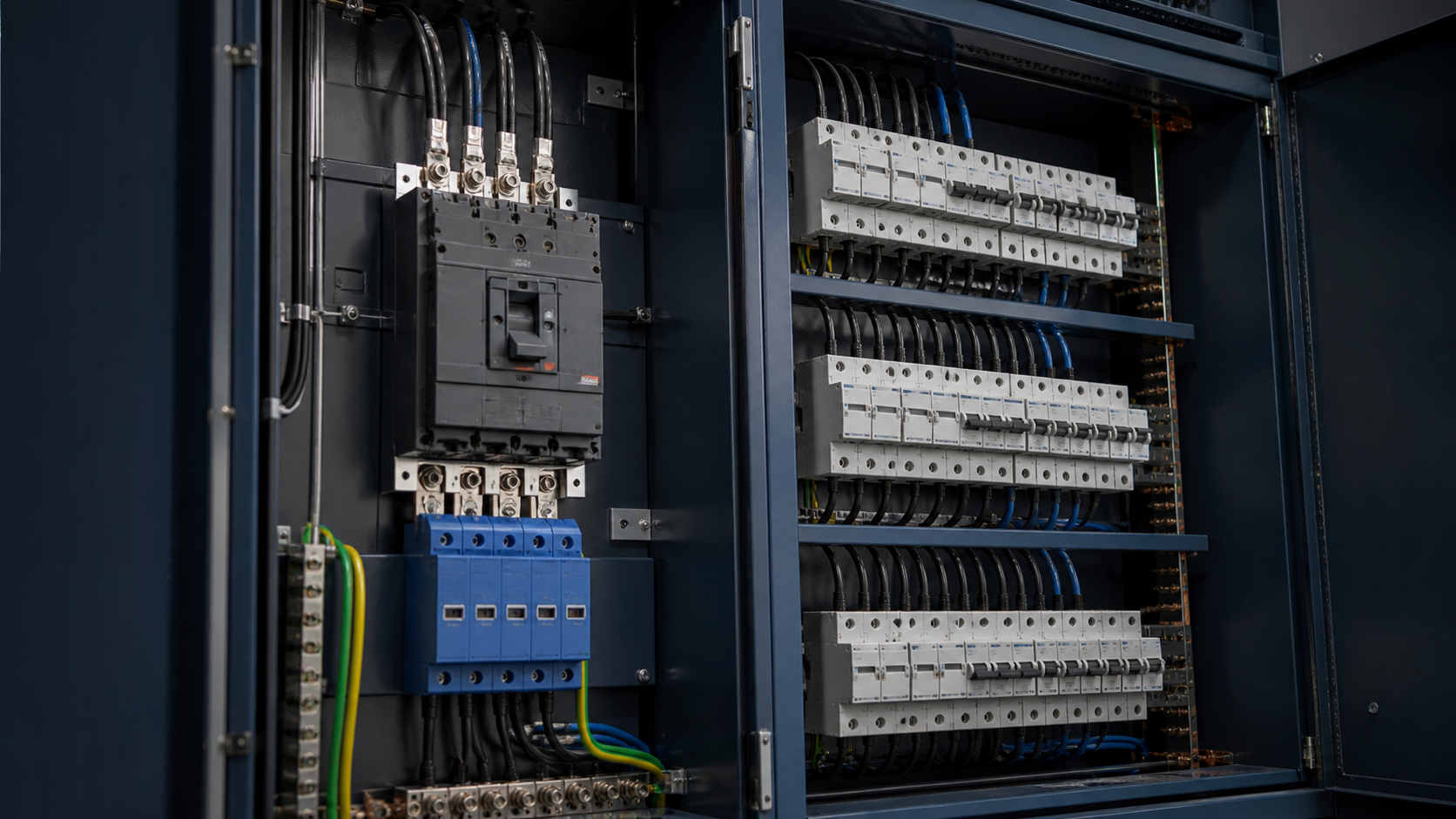
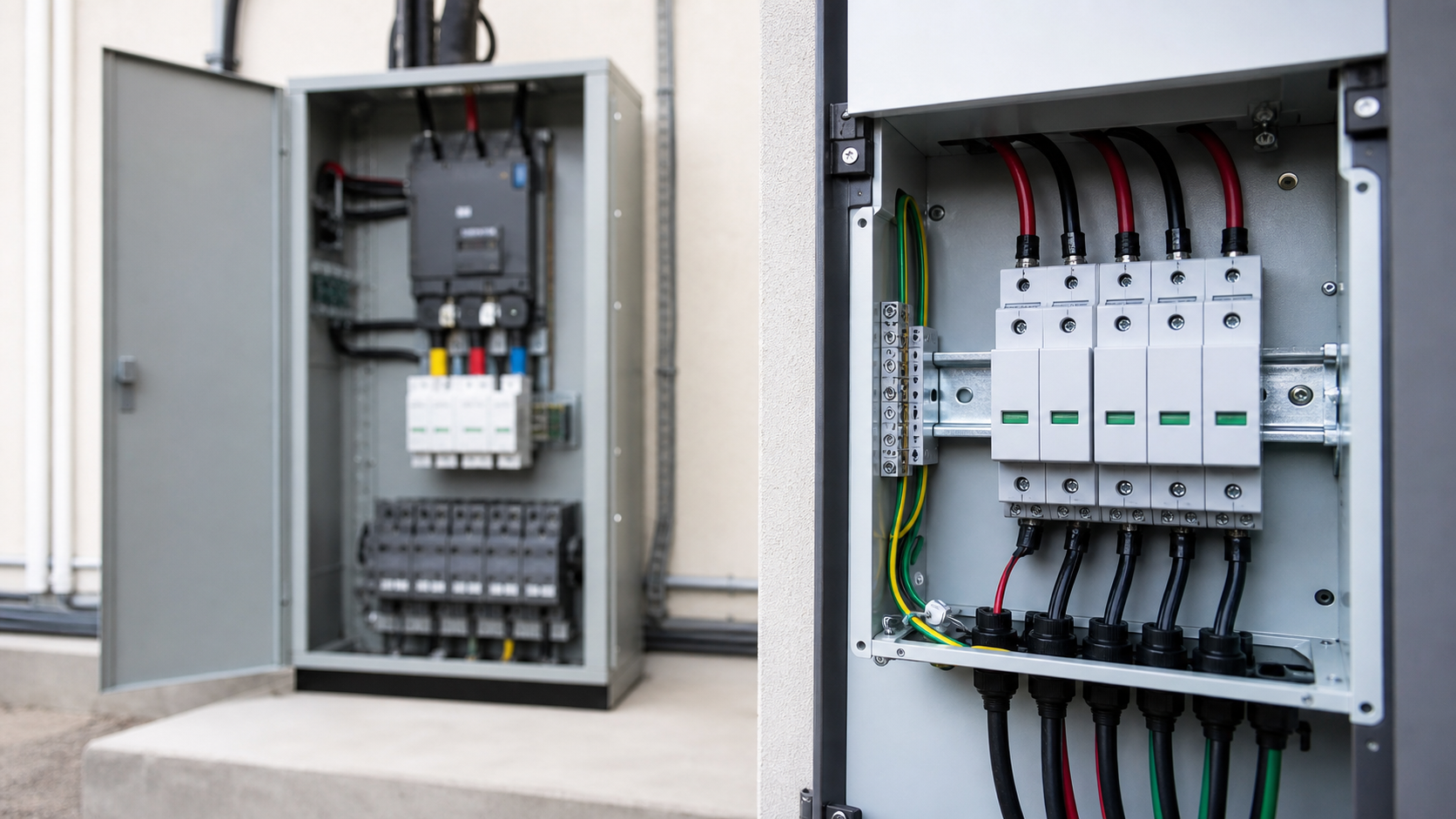
Placement follows the waveform: Type 1 at the incoming supply, Type 2 at the branch.
2. Where each belongs
A Type 2 alone at the entrance leaves the branch unprotected from the direct stroke; Type 1 alone downstream leaves the branch unfed. Place by the waveform.
- Type 1 — at the service entrance, takes the direct impulse.
- Type 2 — at the branch, protects downstream equipment.
- Coordination — Type 2 behind Type 1, never the reverse.
3. Let-through and the coordination rule
The downstream Type 2 must let through no more than the Type 1 upstream passes, or the branch sees a bigger surge than the entrance did.
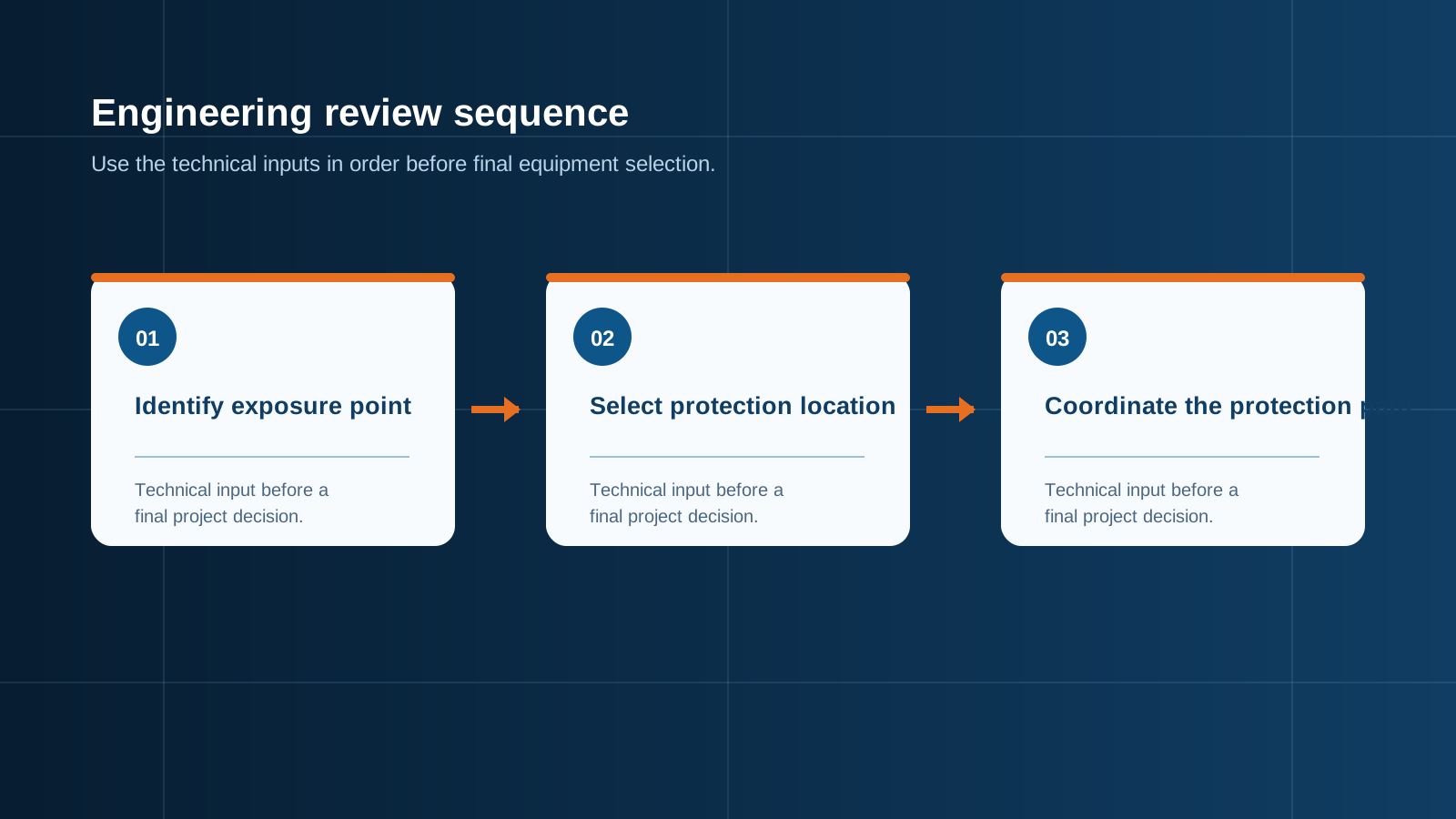
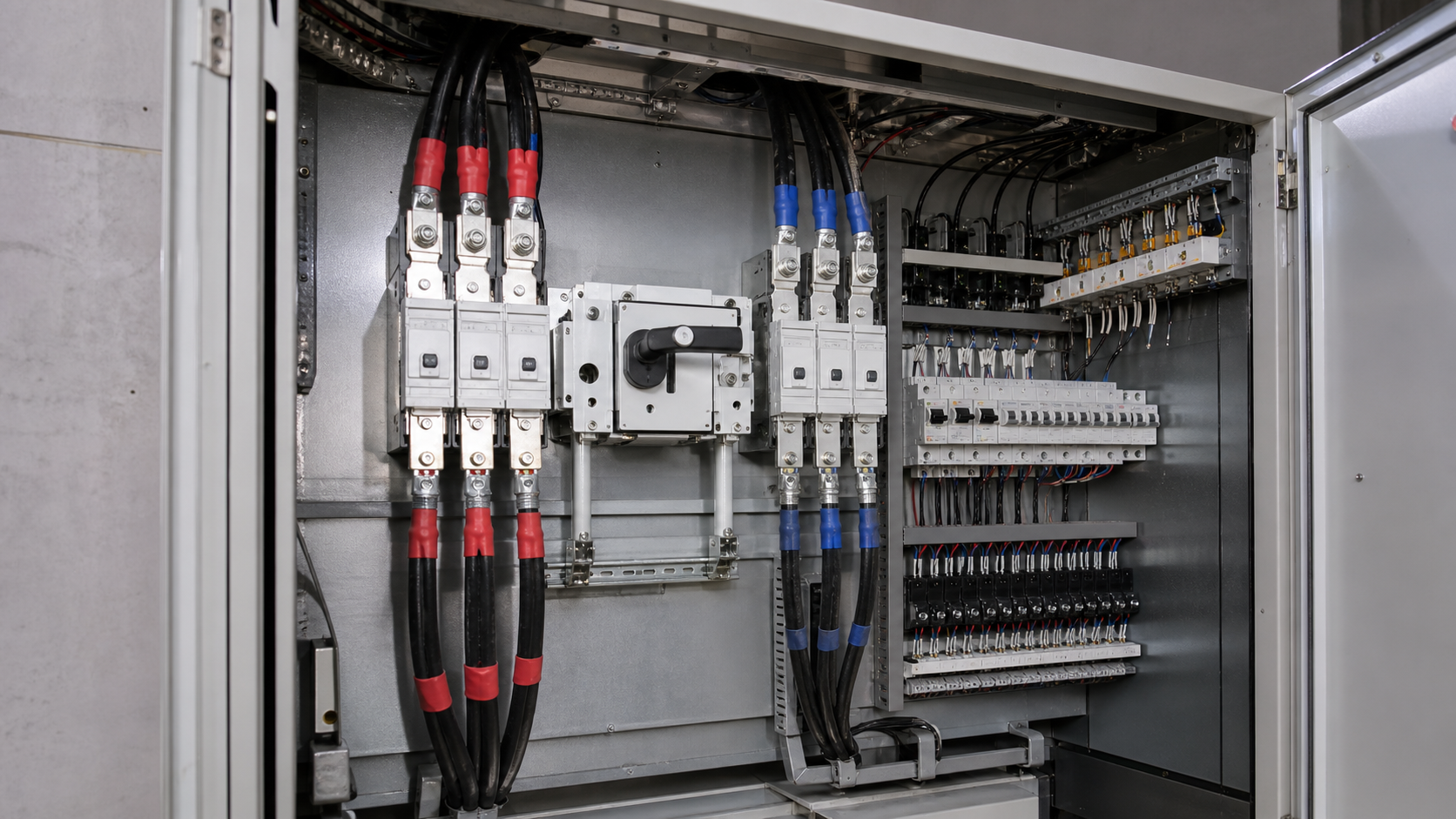
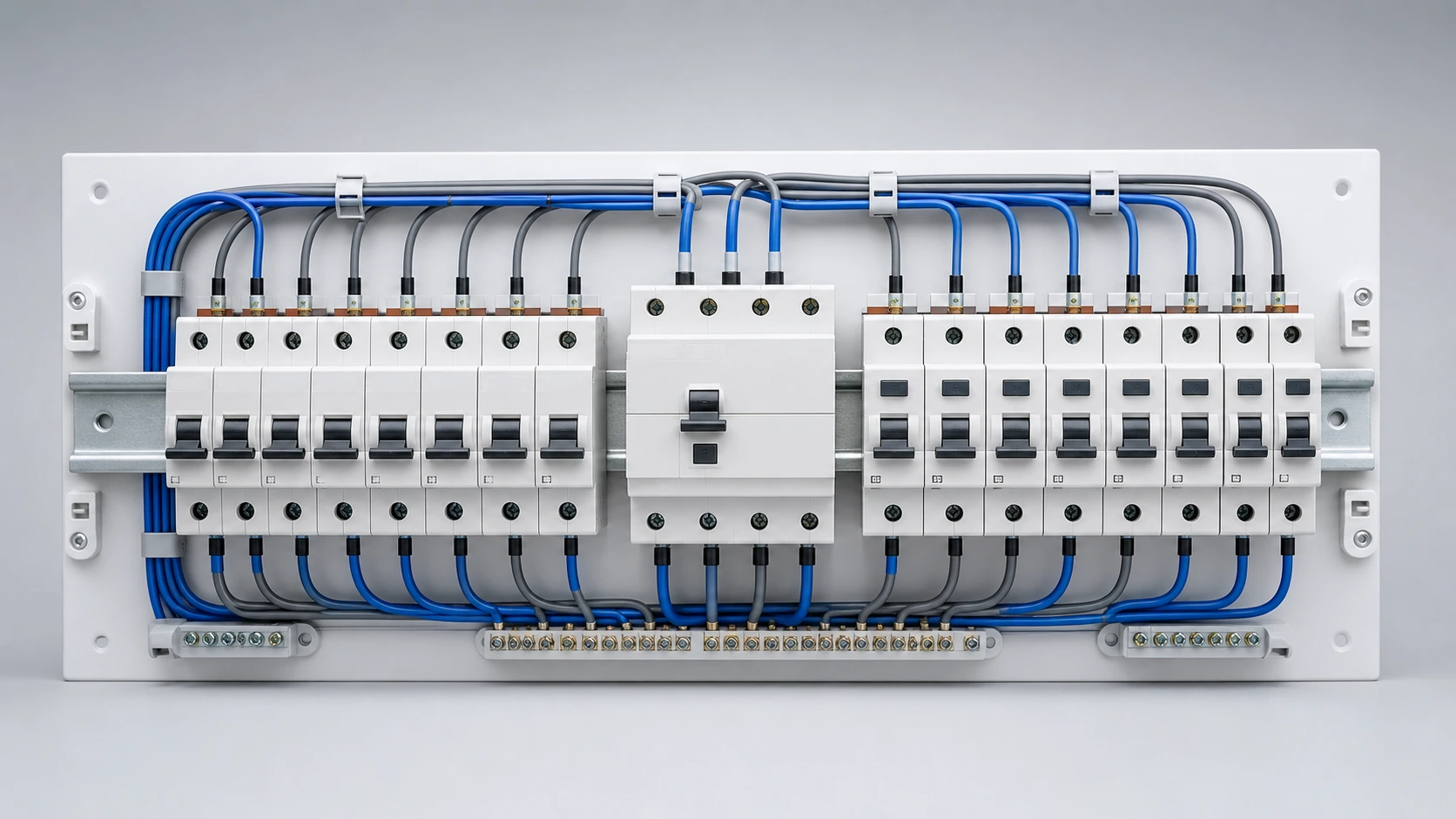
Technical diagram shown at a readable responsive scale.
4. Standards and NEUTRON SPDs
Tested to IEC 61643-1 / -11 with the 8/20 us and 10/350 us waveforms, NEUTRON SPDs carry the Type 1+2 combination, CE and CB, up to 1000 V, IP20 to IP65.
This is general technical guidance, not a substitute for local electrical code, the applicable standard, product datasheets or a qualified engineer's design review. Confirm ratings and final configurations against the actual project.
Bring the project inputs to the first review.
NEUTRON can review the application context, electrical envelope, enclosure conditions and document requirements related to difference between t1 and t2 surge protective devices before quotation.
Discuss a technical requirementContinue learning
Explore related technical guidance in Electrical Protection.
Converted from the approved Period 01 source article for Difference Between T1 and T2 Surge Protective Devices. Editorial instructions, duplicate anchor placeholders and embedded publishing directions were removed; the technical body is retained for educational use.