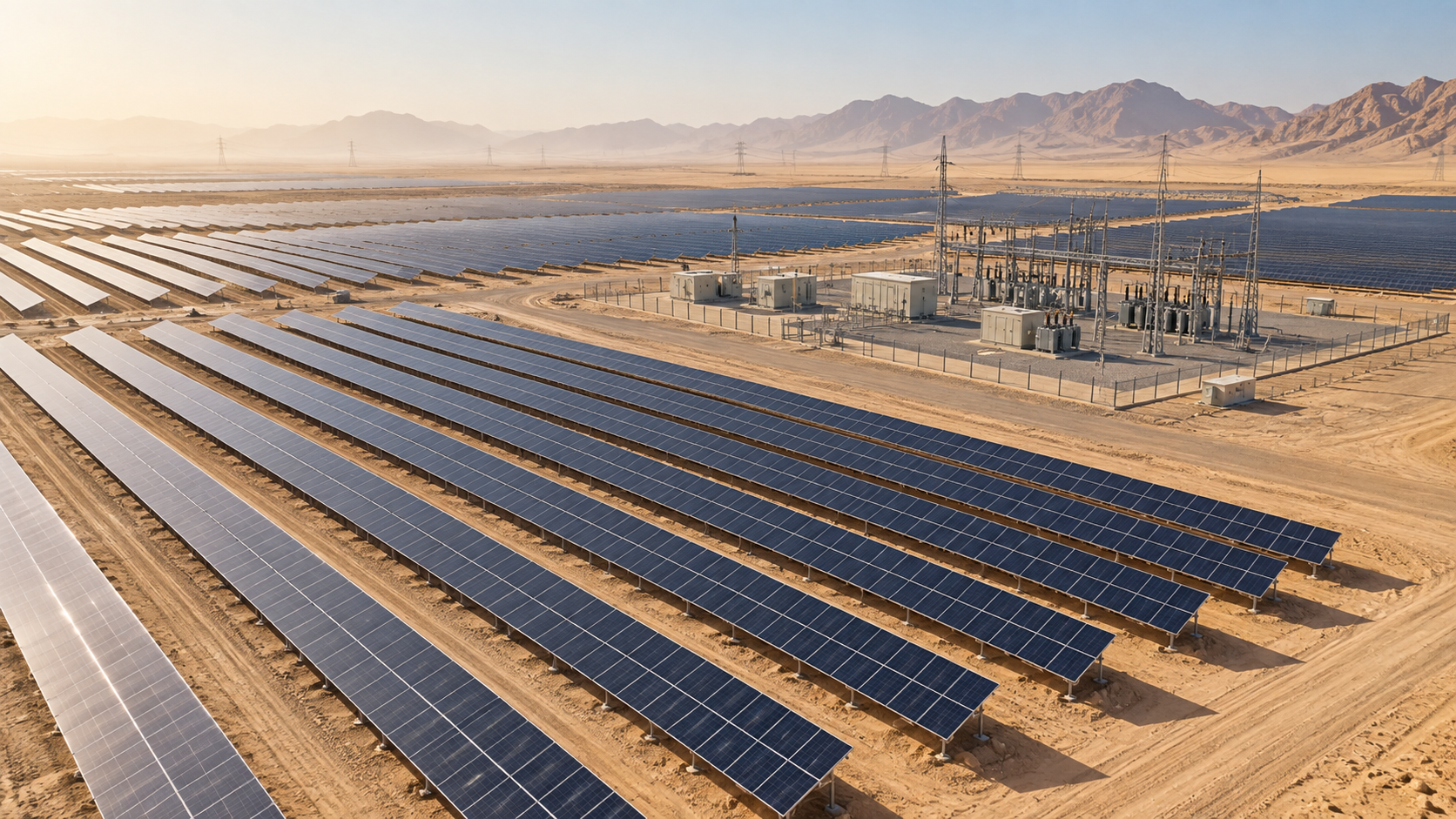
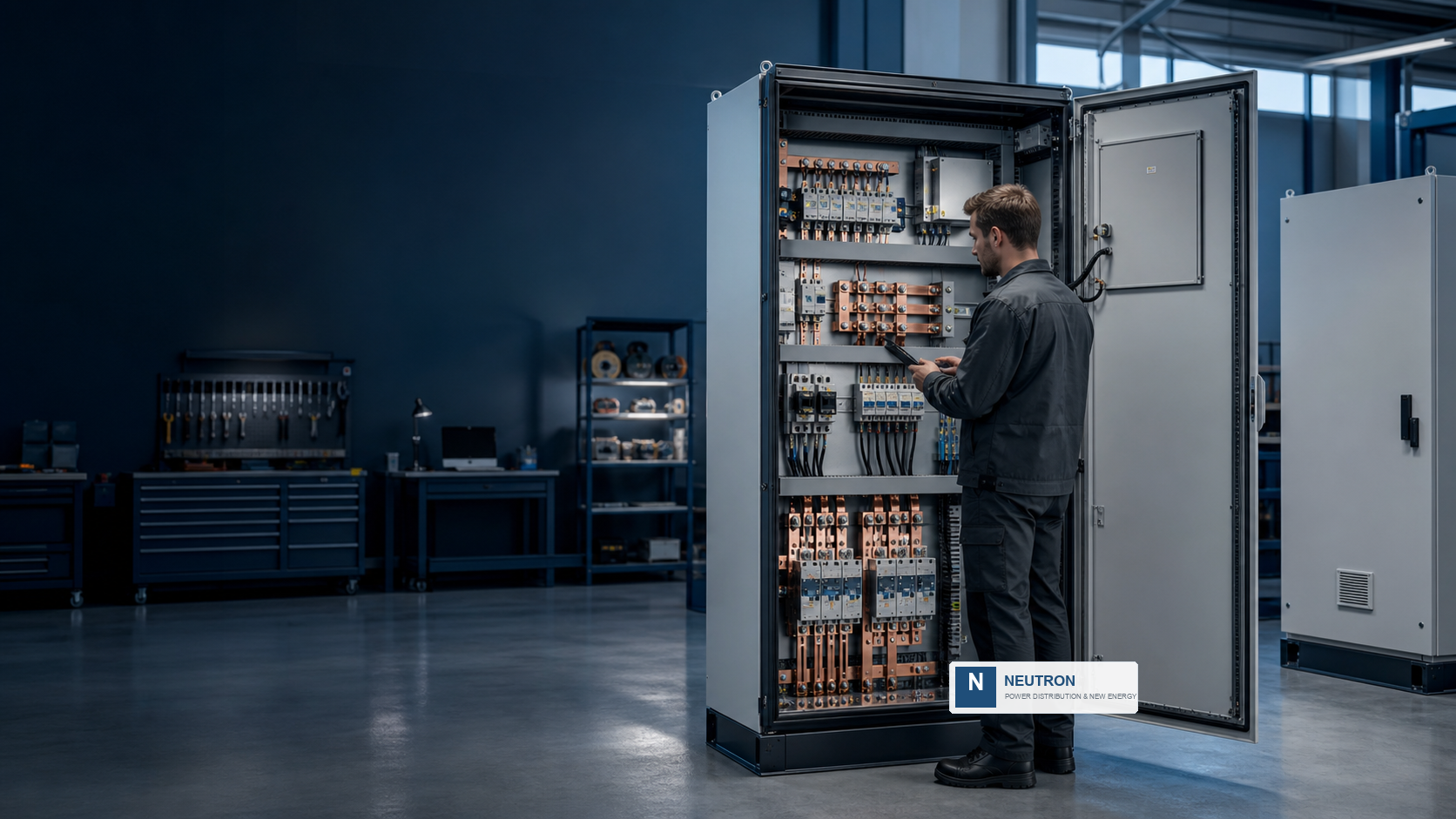

Engineering review scene with an open electrical control cabinet

Solar PV Insights

Technical guidance for PV combiner equipment, AC collection, grid connection and project-ready solar balance-of-system decisions.

Insights categorySolar PV

Project-buyer guidance curated around a specific engineering decision.

Showing 7384 of 103 published guides.

Every guide remains available through the numbered topic pages and its own permanent article URL.

PV engineering context for NOCT vs STC: Why a 580W Panel Really Makes ~440W

Solar PV

NOCT vs STC: Why a 580W Panel Really Makes ~440W

Every module carries two power ratings, and only one of them describes a roof. The larger number on the label comes from a laboratory flash test; the smaller one comes from a condition much closer to an operating array. Designers who plan around the label alone overestimate yield and, more importantly, sometimes misjudge the currents and voltages the collection equipment has to handle. NEUTRON supplies the combiner boxes, direct-current protection and busbar components that sit behind the array, so this article explains both ratings and then follows the numbers through to enclosure and fuse selection.
PV engineering context for LiFePO4 Cell Terminals: Types, Torque and Internal Resistance

Solar PV

LiFePO4 Cell Terminals: Types, Torque and Internal Resistance

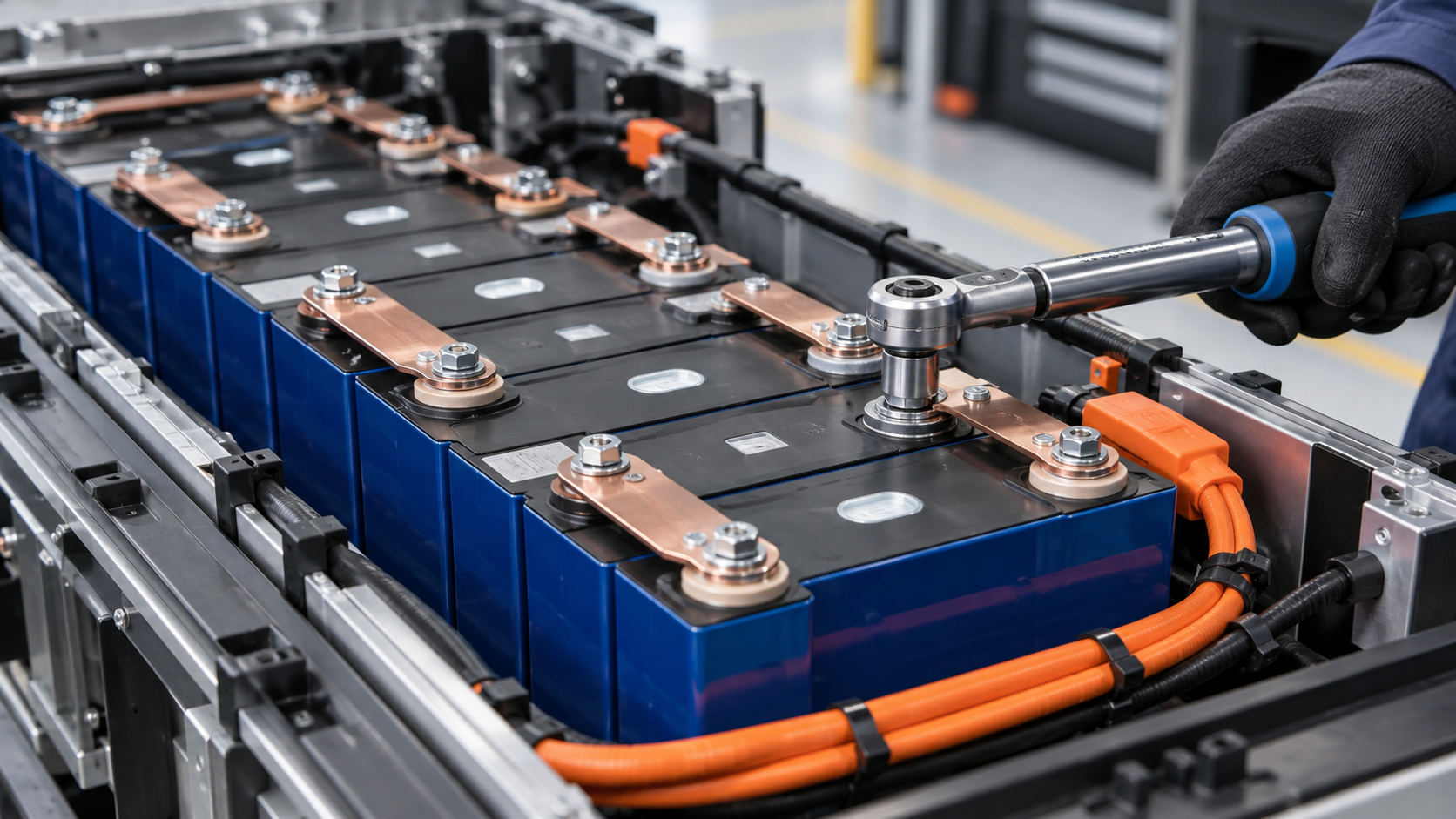
A lithium iron phosphate bank rarely fails at the cell chemistry. It fails at the joints. A terminal tightened by feel, a busbar bolted onto an unprepared surface, or a single cell with elevated internal resistance will quietly generate heat for months before anything obvious happens. NEUTRON manufactures the copper busbar and distribution components, direct-current control and protection devices, and energy-storage control cabinets that connect and protect third-party cells — not the cells themselves. This article covers the mechanical and electrical discipline that keeps those connections reliable.

PV engineering context for Ground-Mounted vs Rooftop Solar: Cost, Yield and Layout

Solar PV

Ground-Mounted vs Rooftop Solar: Cost, Yield and Layout

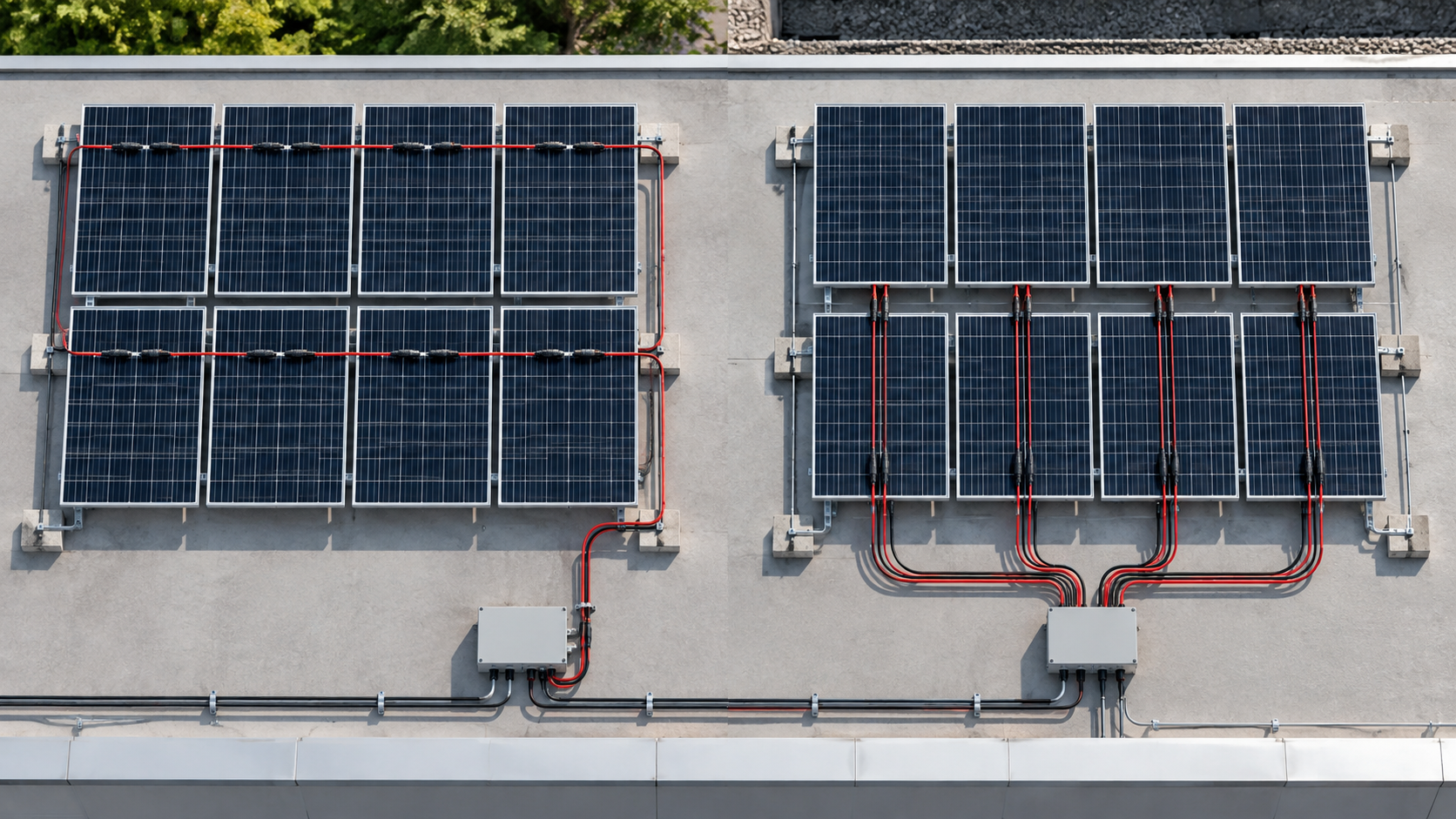
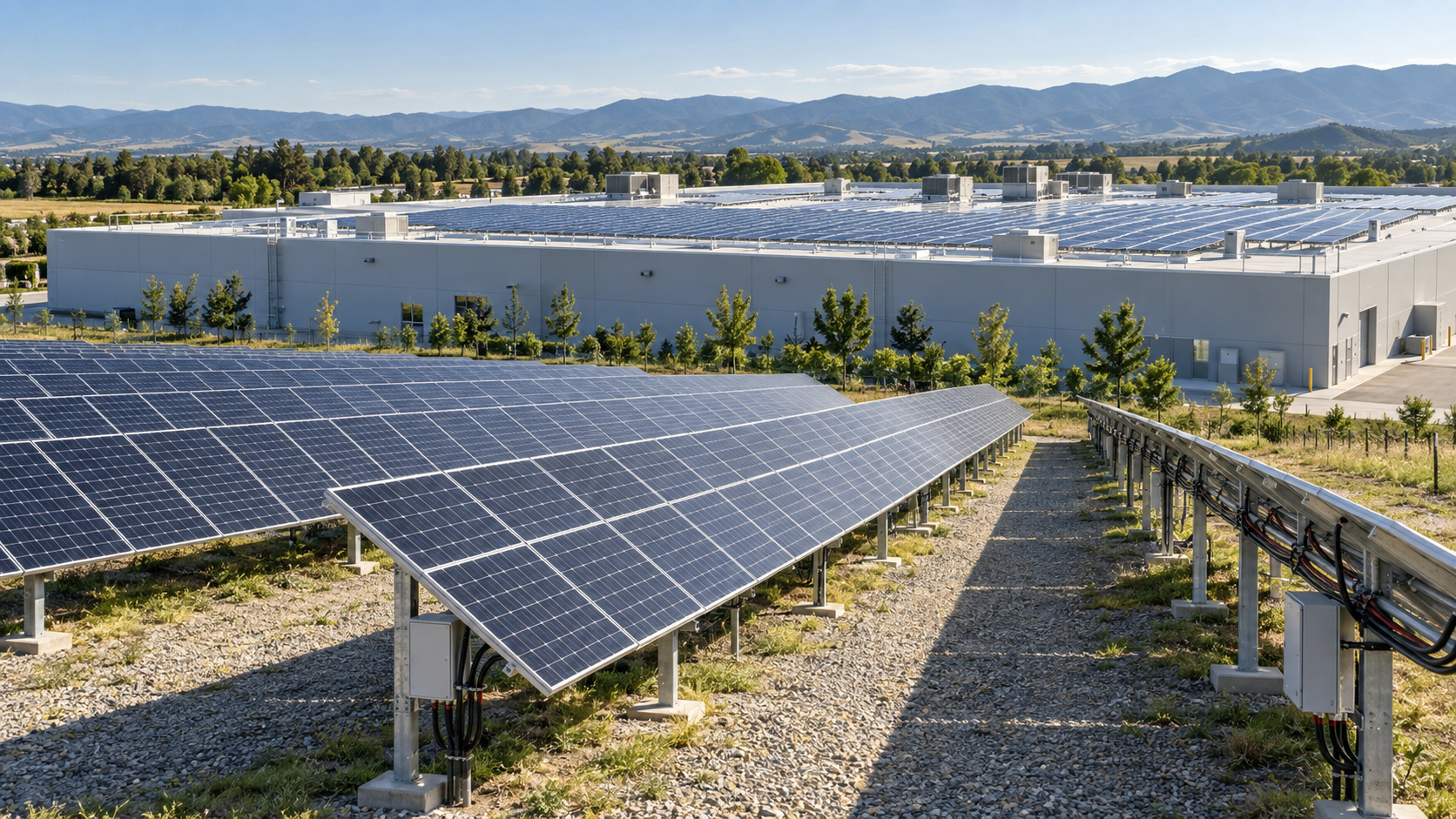
Choosing between a ground-mounted array and a rooftop array is usually framed as a question of available space and budget. In practice the decision reshapes the entire electrical design behind the modules: how long each string can be, how far the DC cabling has to travel, where the combiner box sits, and how the array is isolated for maintenance. As a supplier of balance-of-system (BOS) equipment — combiner boxes, DC control and protection, and low-voltage switchgear — NEUTRON sees the same array capacity produce two very different electrical layouts depending on the mounting choice. This guide compares the two approaches on the factors that actually drive engineering decisions, and then translates each difference into a concrete requirement for the protection and combining equipment that connects the array to the inverter and the grid.

PV engineering context for Solar Panel Degradation Rate: What 30 Years Really Looks Like

Solar PV

Solar Panel Degradation Rate: What 30 Years Really Looks Like

A photovoltaic module is one of the few pieces of electrical equipment sold with a thirty-year performance expectation. That expectation rests on a single number: the annual degradation rate. It determines how much energy the plant delivers in year twenty-five, how the financial model behaves, and — less obviously — how the electrical equipment around the array should be specified at the start. NEUTRON supplies the balance-of-system side of that equation: combiner boxes, direct-current control and protection, low-voltage switchgear and busbar components. Those assets are expected to last as long as the array, so understanding how module output changes over decades is directly relevant to how they are rated and maintained.

PV engineering context for Bifacial Solar Panels: Dual-Sided Generation Explained

Solar PV

Bifacial Solar Panels: Dual-Sided Generation Explained

Bifacial modules collect light on both faces, converting reflected and diffuse irradiance striking the rear of the cell into additional current. On the right surface, at the right mounting height, that rear contribution can add between five and twenty percent to annual energy for very little extra module cost. It is one of the most cost-effective yield gains available in utility-scale design. It is also one of the most frequently mishandled inputs to electrical design. The extra energy arrives as extra current, and current is exactly what the balance-of-system equipment is sized against. NEUTRON supplies the combining and protection stage behind the array — combiner boxes, direct-current control and protection, busbar components and surge protection — and bifacial arrays routinely arrive with equipment specified against front-side nameplate figures that the array will exceed on its first clear day.