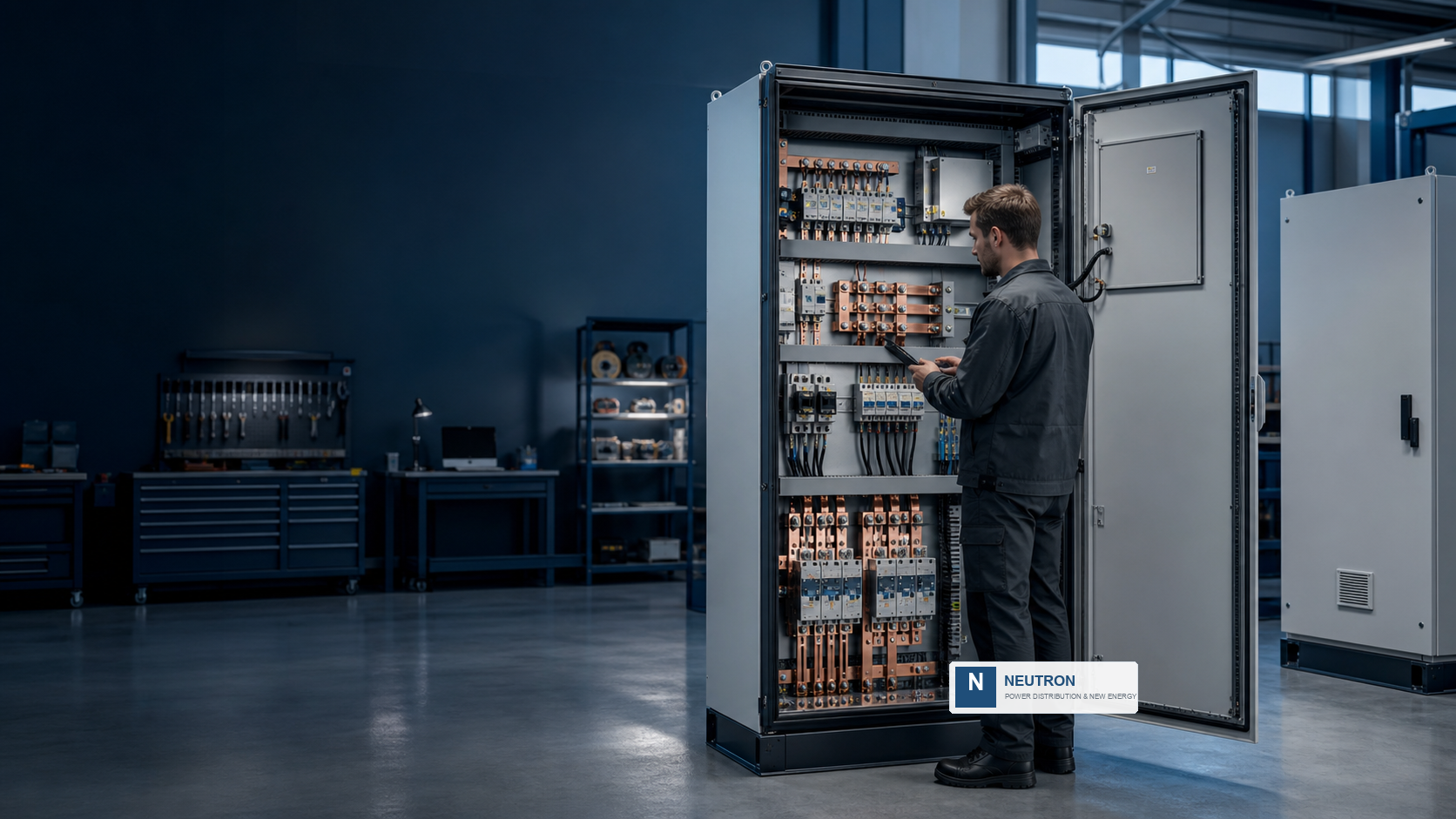
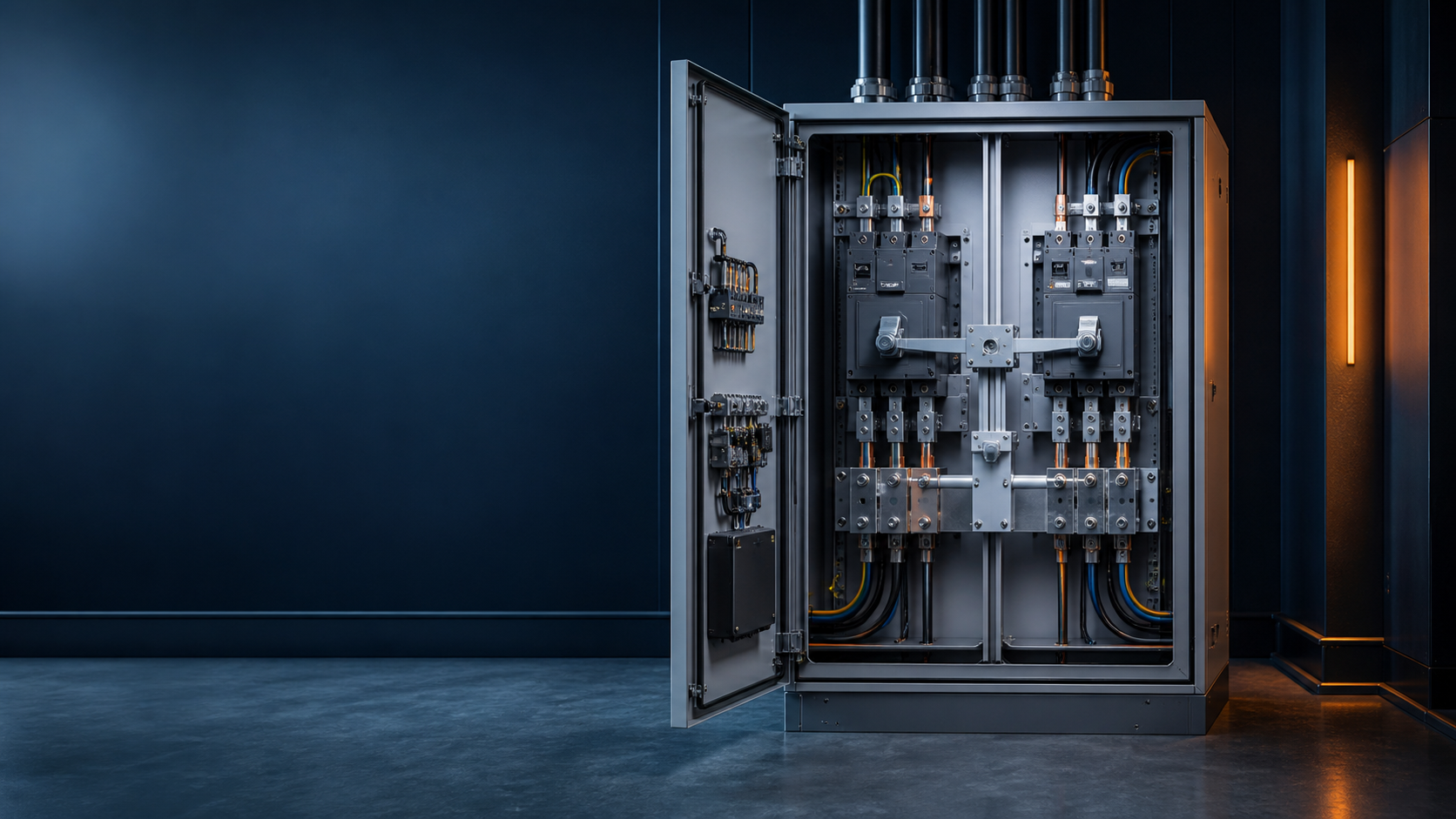
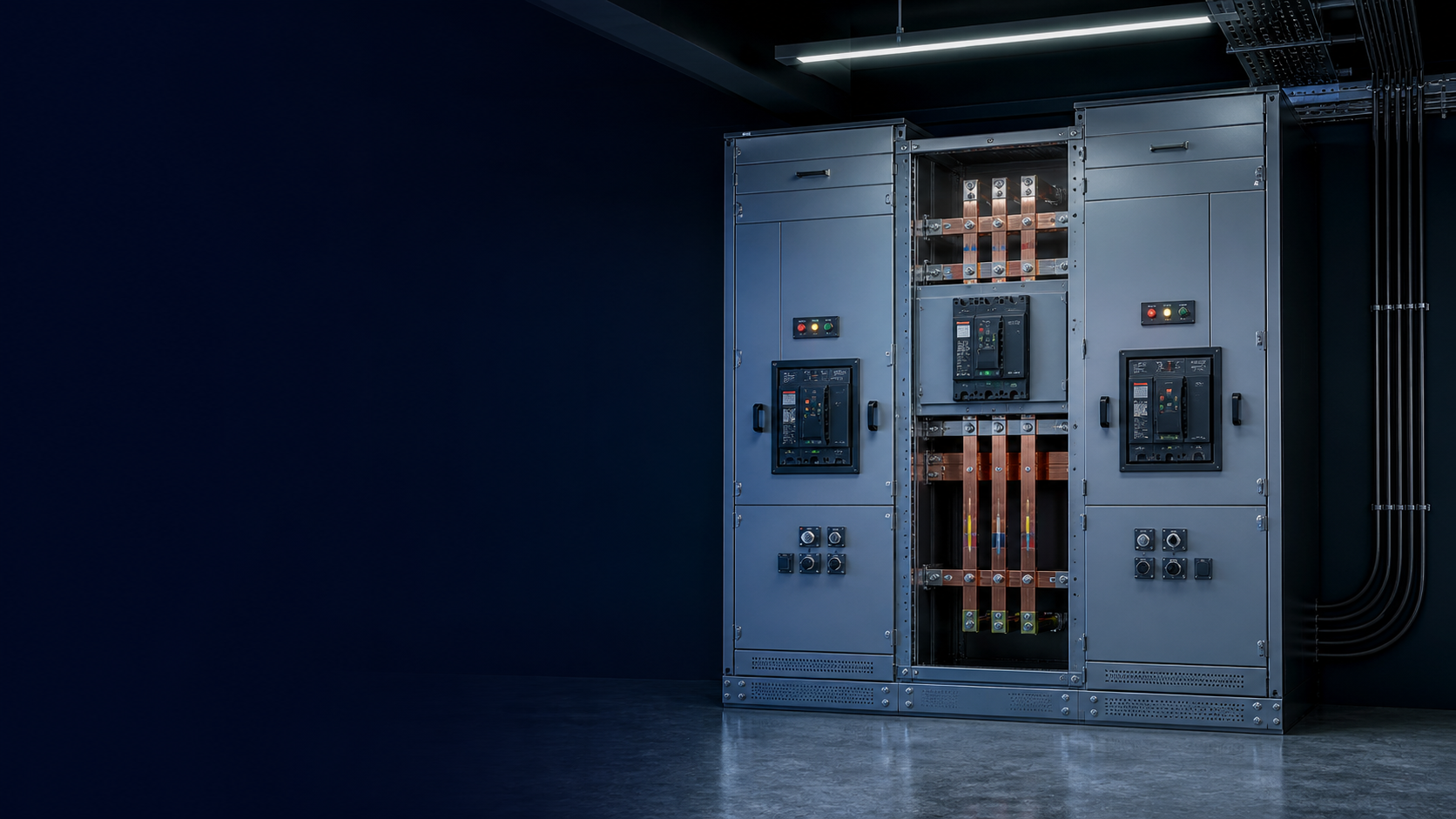
Engineering review scene with an open electrical control cabinet

Power Distribution Insights

Practical notes for transformers, switchgear, distribution assemblies and specification decisions for export projects.

Insights categoryPower Distribution

Project-buyer guidance curated around a specific engineering decision.

Showing 1324 of 42 published guides.

Every guide remains available through the numbered topic pages and its own permanent article URL.

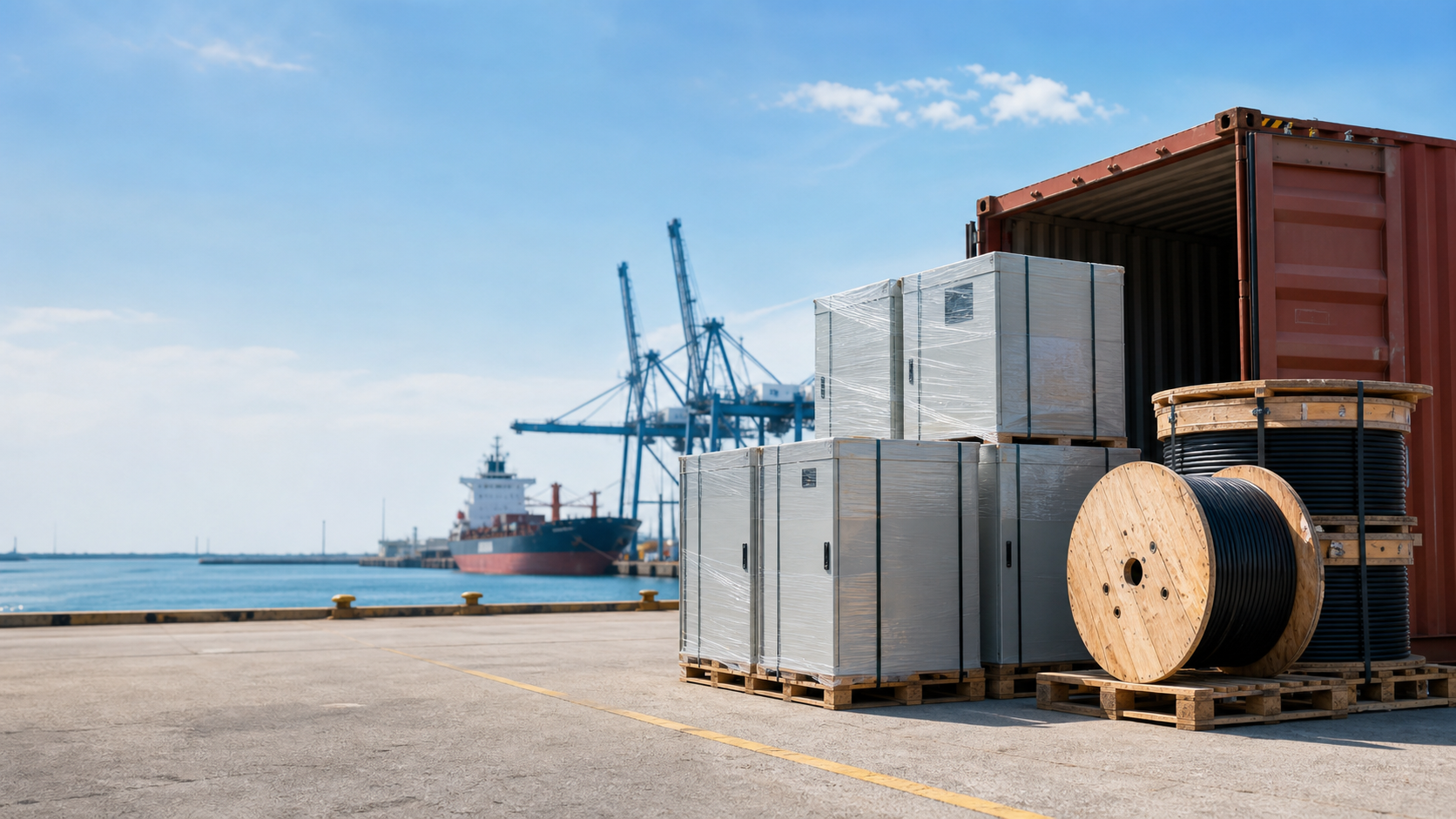
Palletised unbranded electrical cabinets and cable drums staged for container shipment

Power Distribution / Procurement guide

Incoterms for Solar BOS Imports: EXW to DDP Explained

Incoterms define who arranges and pays for transport, where risk transfers from seller to buyer, and who handles customs. For solar BOS orders, the term you choose directly changes the quoted price and the number of logistics tasks on your side. The same equipment can differ in landed cost across terms.

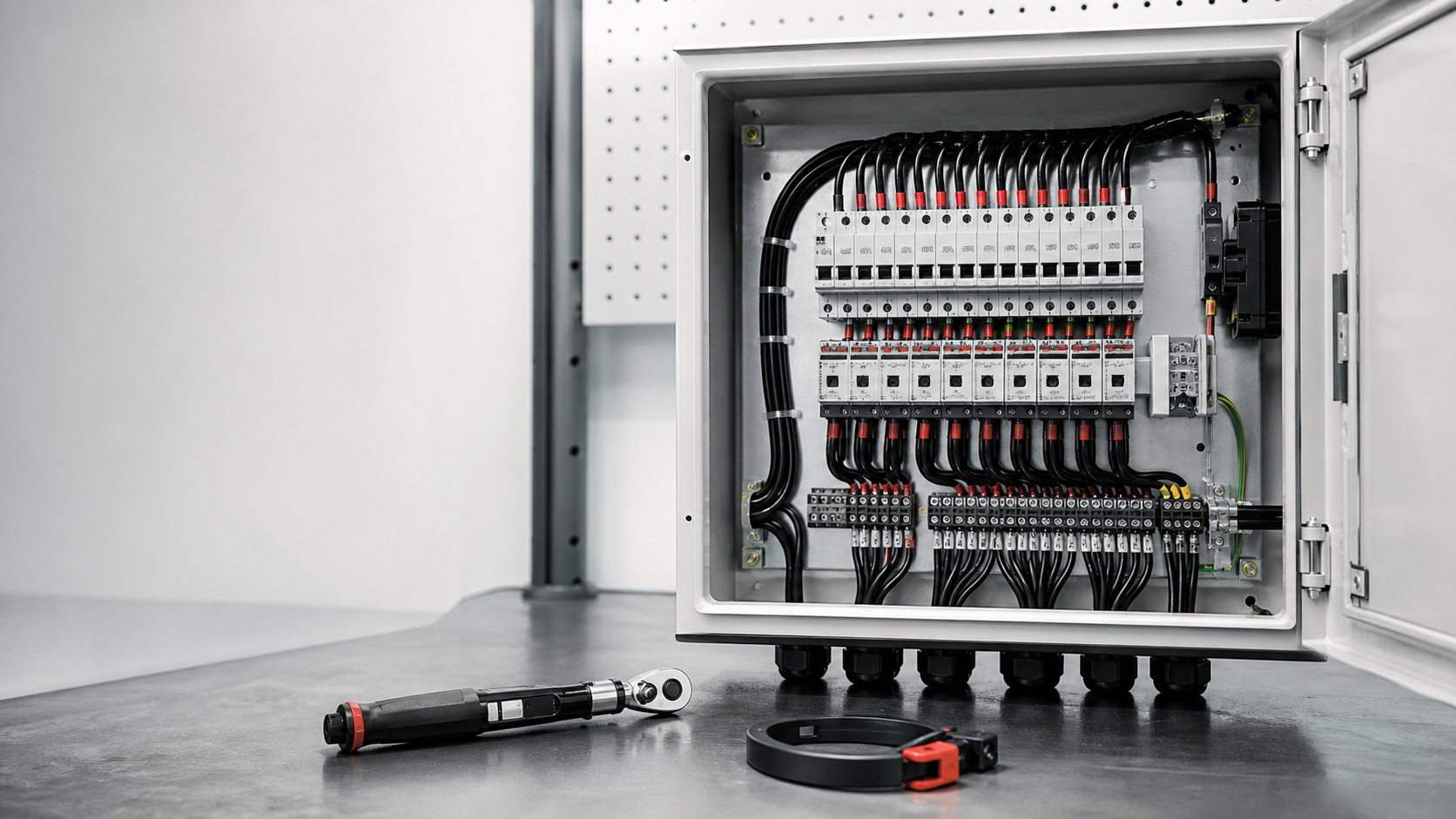
Unbranded PV combiner cabinet prepared for a pre-shipment inspection

Power Distribution / Procurement guide

Solar BOS Pre-Shipment Inspection Checklist

A pre-shipment inspection (PSI) verifies that the goods match the order before the container is sealed. Finding a defect at the factory is cheap; finding it at the project site is expensive. A structured checklist turns inspection from a formality into a gate.

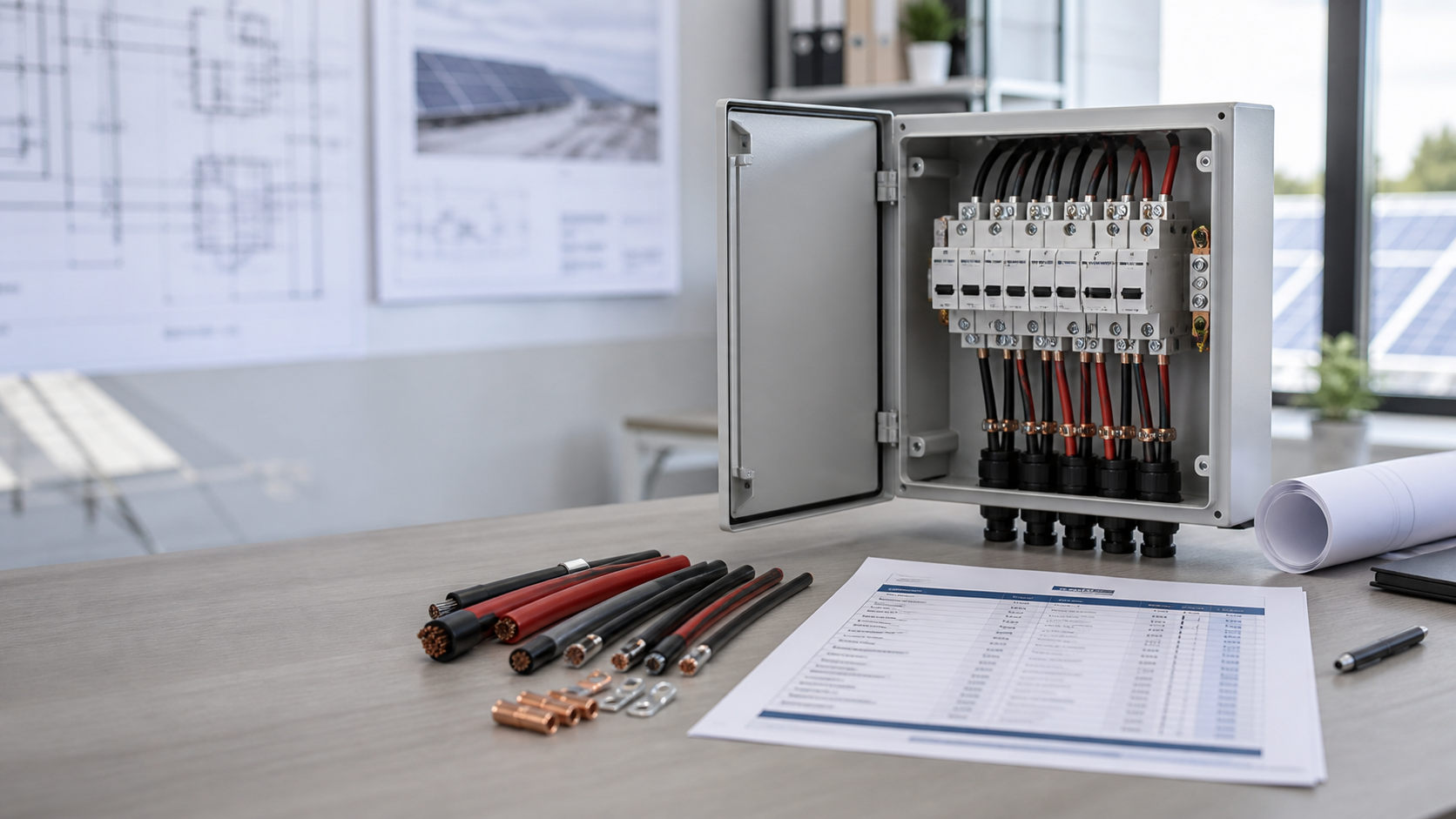
Unbranded solar BOS equipment, cable samples and an RFQ planning sheet on a worktable

Power Distribution / Procurement guide

Solar BOS RFQ Checklist: Get Fast Comparable Quotes

Suppliers quote what they can see. An enquiry with complete BOM details, ratings and commercial terms returns accurate, comparable pricing in one round. A vague enquiry returns a vague quote, or no quote at all. The checklist below closes that gap.

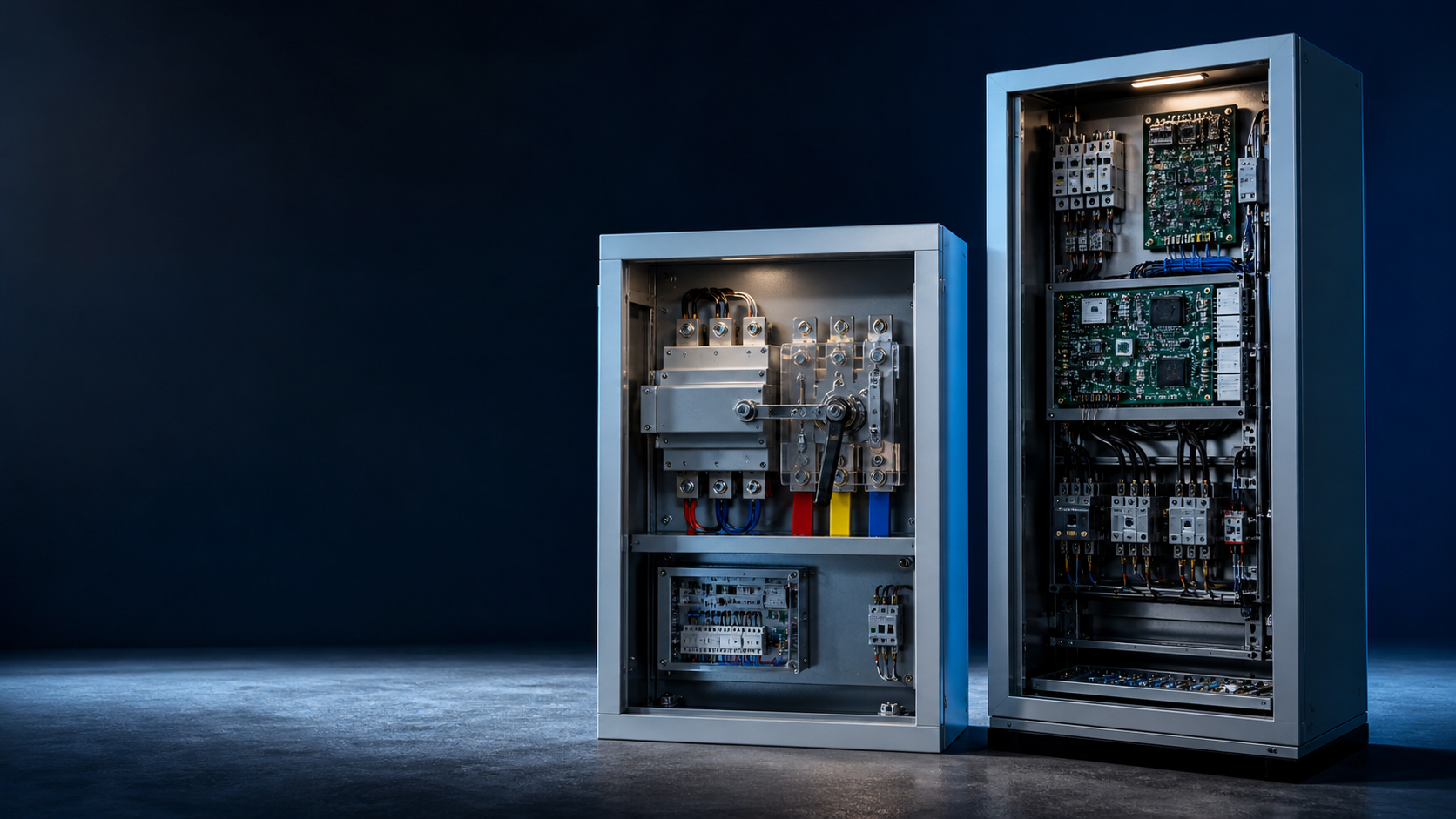
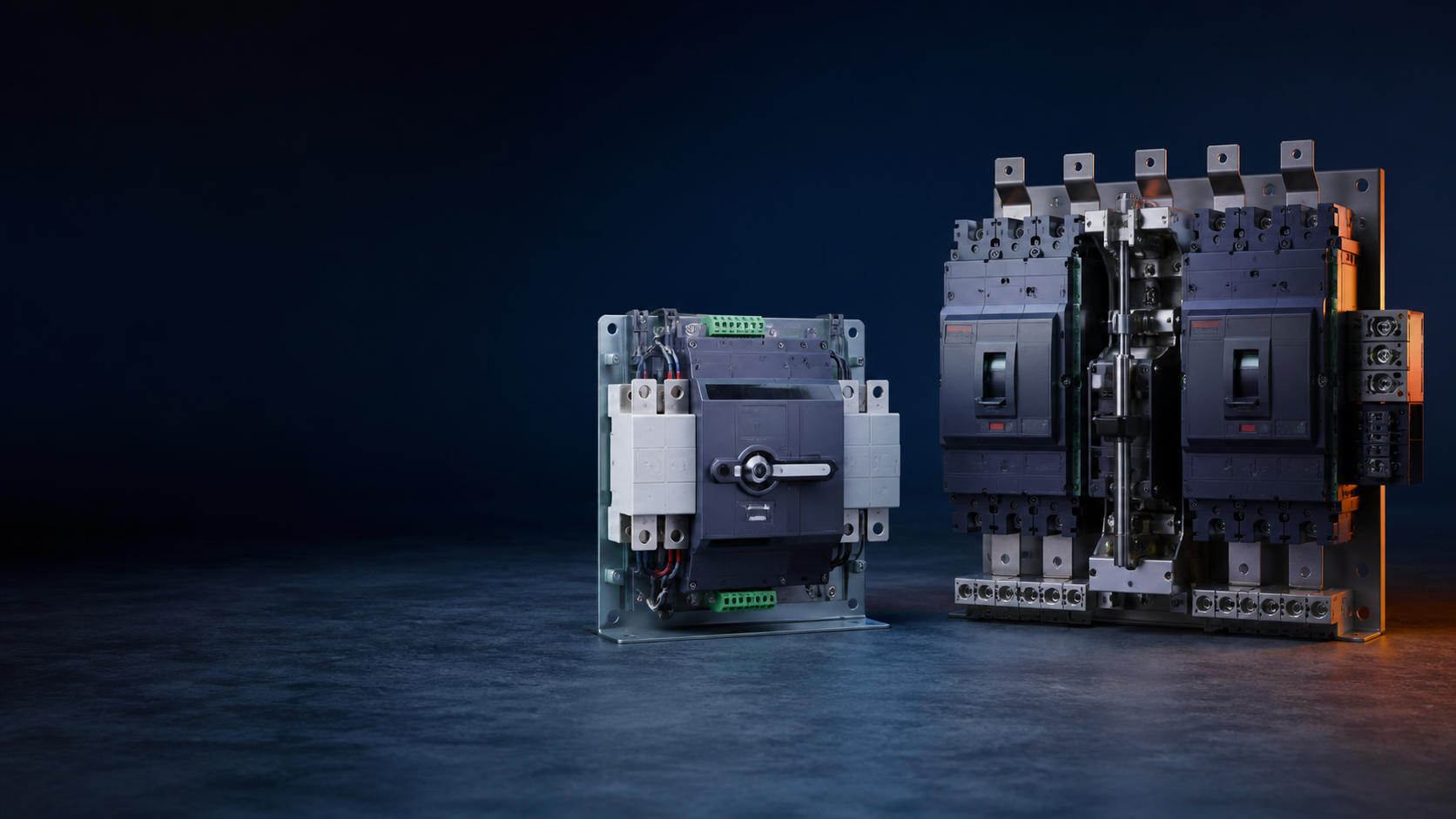
Automatic and static transfer switch equipment

Power Distribution / Technical guide

ATS vs STS: Choosing the Right Transfer Switch for Your Load

Transfer switches come in two fundamentally different technologies: the electromechanical automatic transfer switch (ATS) and the static transfer switch (STS). Both move a load from a preferred supply to a standby supply, but they do it with very different speed, cost and maintenance profiles. This guide compares the two routes and gives a decision path based on how long your load can tolerate an interruption.

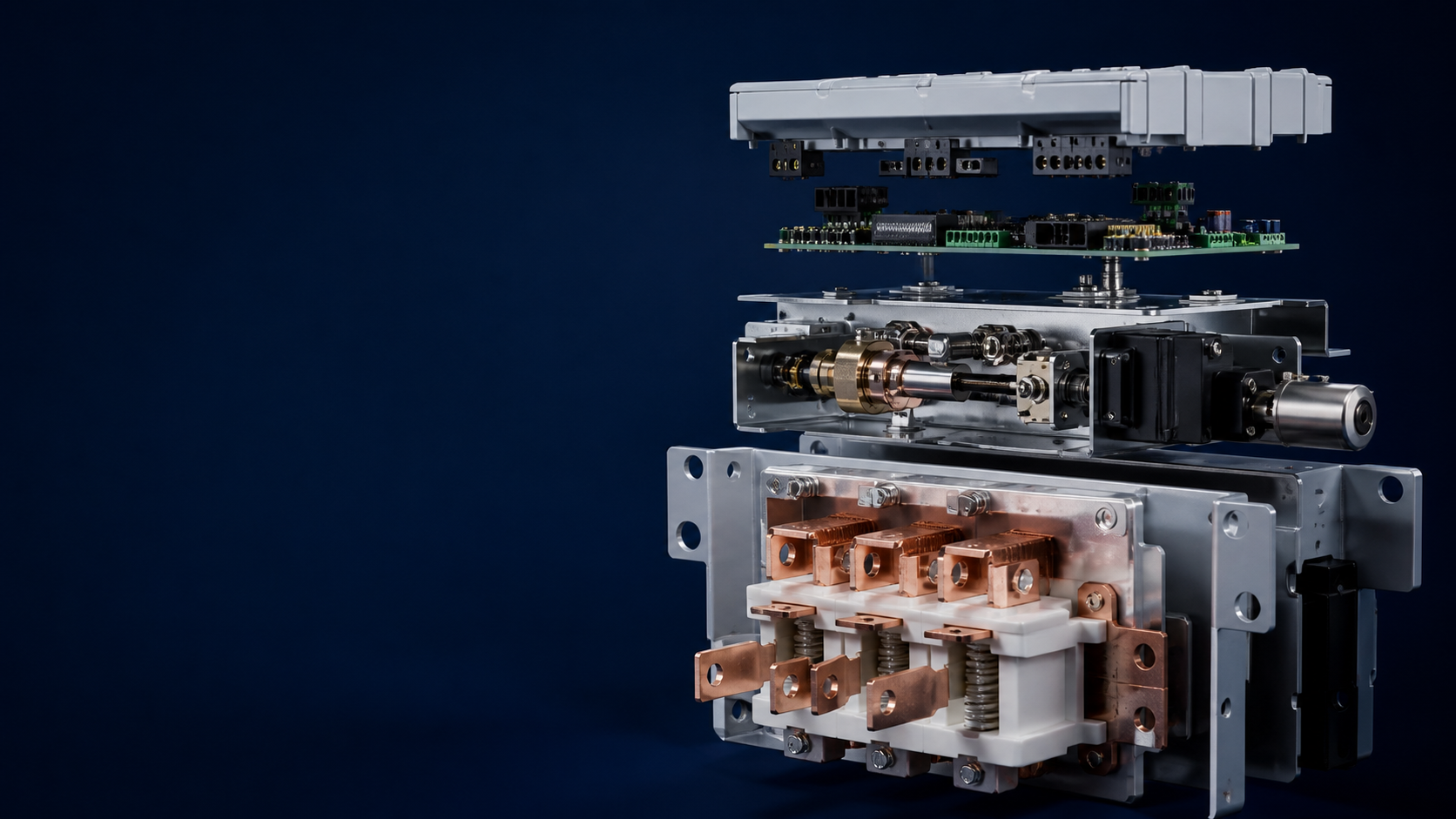
Exploded automatic transfer switching equipment assembly

Power Distribution / Technical guide

ATSE Standards, Structure and Selection: A Practical Deep Dive

Automatic transfer switching equipment (ATSE) has been used for dual-supply changeover for decades. Before a dedicated standard existed, contactors, breakers and isolating switches were all pressed into this duty. Since the publication of the Chinese standard GB/T 14048.11 (the parallel of IEC 60947-6-1), ATSE has become a defined low-voltage category used for automatic transfer between two supplies to keep critical loads fed. This article explores the standard, the internal structure and the field-selection rules that separate a dependable unit from a convenience product.

Dual-source automatic transfer cabinet for a signalling application

Power Distribution / Technical guide

China Railway Signal Dual-Power Transfer: Issues and Solutions

China’s railway network has grown rapidly, and with operating speeds rising, the supply reliability required by railway communication and signalling — a first-class load — has become stricter. When the supply side fails, train operations are directly affected. This article reviews how Chinese railway projects arrange dual-power transfer for signalling loads, the debates that still occur in design, and the practical answers that have emerged for selecting transfer switchgear.

Fire protection automatic transfer switch cabinet

Power Distribution / Technical guide

Fire-Fighting ATS Control Cabinet: How to Choose One That Passes

A fire-fighting power supply is only as reliable as its automatic transfer switch (ATS) control cabinet — the unit that moves the fire pumps, emergency lighting and alarm system to a standby feed the moment the mains supply fails. In many jurisdictions this cabinet is a mandatory item for fire acceptance in hospitals, metro stations, malls and high-rise buildings. This guide covers the core parameters, the compliance marks that separate genuine units from look-alikes, and the sizing and integration decisions that determine whether the cabinet actually works when it is needed.

PC-class and CB-class transfer switch assemblies

Power Distribution / Technical guide

PC-Class vs CB-Class ATS: How to Choose the Right Transfer Switch

An automatic transfer switch (ATS) keeps critical loads running when the preferred utility supply fails, switching them to a standby feed within its rated transfer time. In low-voltage distribution, transfer switches are built in two classes — PC-class and CB-class — and choosing between them is a recurring design decision that affects reliability, transfer speed, short-circuit duty and code compliance. This guide explains the mechanical and electrical reasons behind each class and gives a practical selection path for engineers, panel builders and procurement teams.

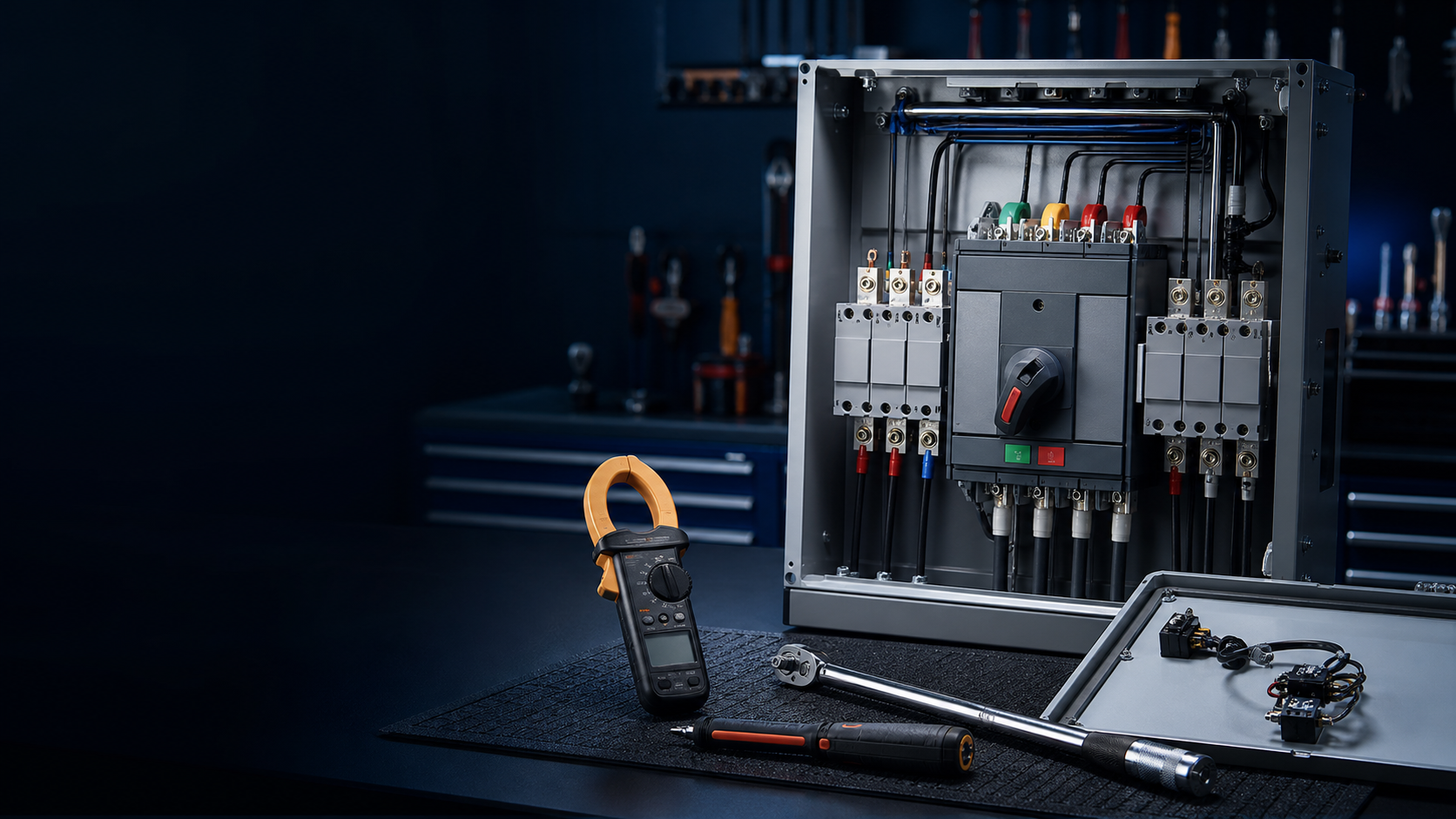
Transfer switch fault diagnosis workbench

Power Distribution / Technical guide

Transfer Switch Fault Diagnosis and Repair Guide

An automatic transfer switch (ATS) fails rarely, but when it does, the repair must be done to a standard — not by feel. This guide organizes the diagnosis of the three most common failure patterns (contact-system failure, false protection trips and abnormal heating) around measurable thresholds, then sets out the repair, calibration and verification procedures that keep the unit dependable after it returns to service.

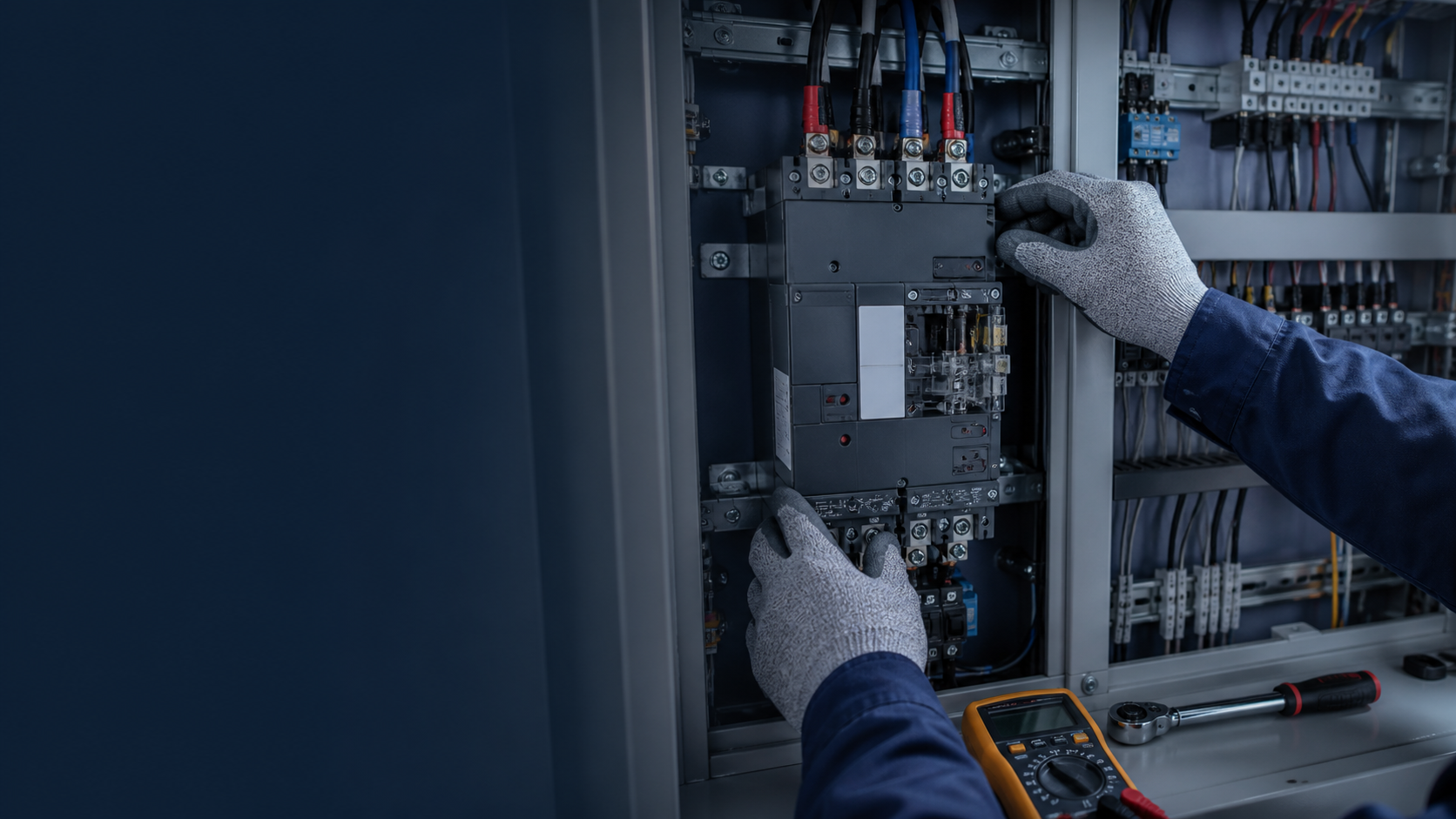
Technician inspecting an automatic transfer switch cabinet

Power Distribution / Technical guide

Transfer Switch Maintenance and Common Fault Fixes

An automatic transfer switch (ATS) sits idle for most of its life and is expected to work perfectly the one time it is needed. Field experience shows that most transfer-switch failures are not component catastrophes — they are wiring errors, loose connectors, wrong settings and overlooked maintenance. This guide walks through the five most common fault patterns, their likely causes and the correct fix, plus a preventive checklist that keeps the unit ready.

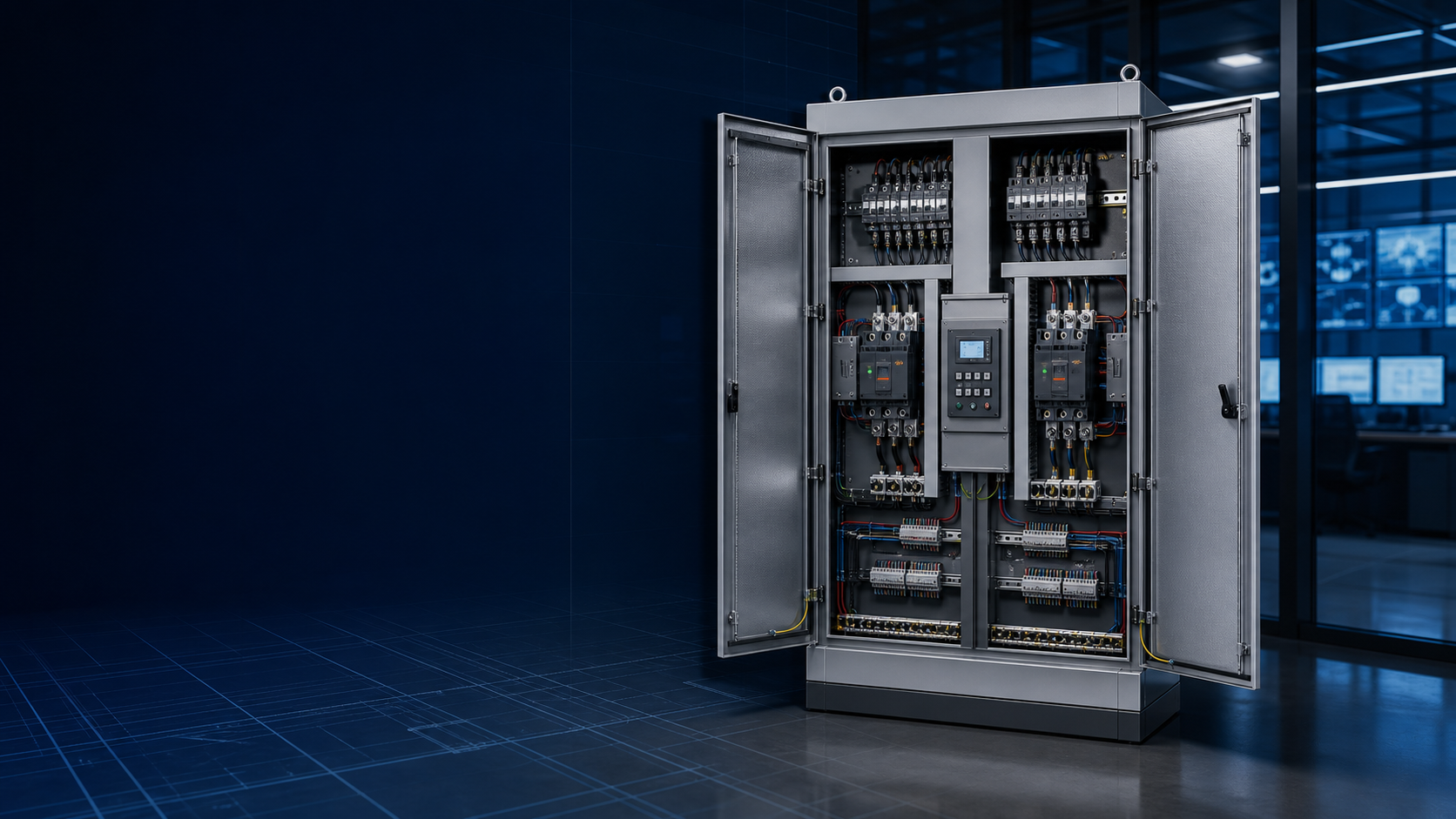
Dual-feed industrial transfer cabinet

Power Distribution / Technical guide

Fast Transfer and Sag Ride-Through for Industrial Plants

Continuous-process plants — smelters, chemical lines, paper mills — treat the electrical feed as part of the production process. A voltage sag, often called a dip or 晃电 in Chinese practice, is the invisible killer of supply continuity: when the sag crosses a device-specific depth and duration threshold, sensitive equipment trips and the line stops. This article walks through a real smelter case — a sag that stopped a production line for more than two hours — and the two-layer remedy applied: a fast bus transfer on the supply side and dip ride-through modules on the load side.