
The fire system’s second heart
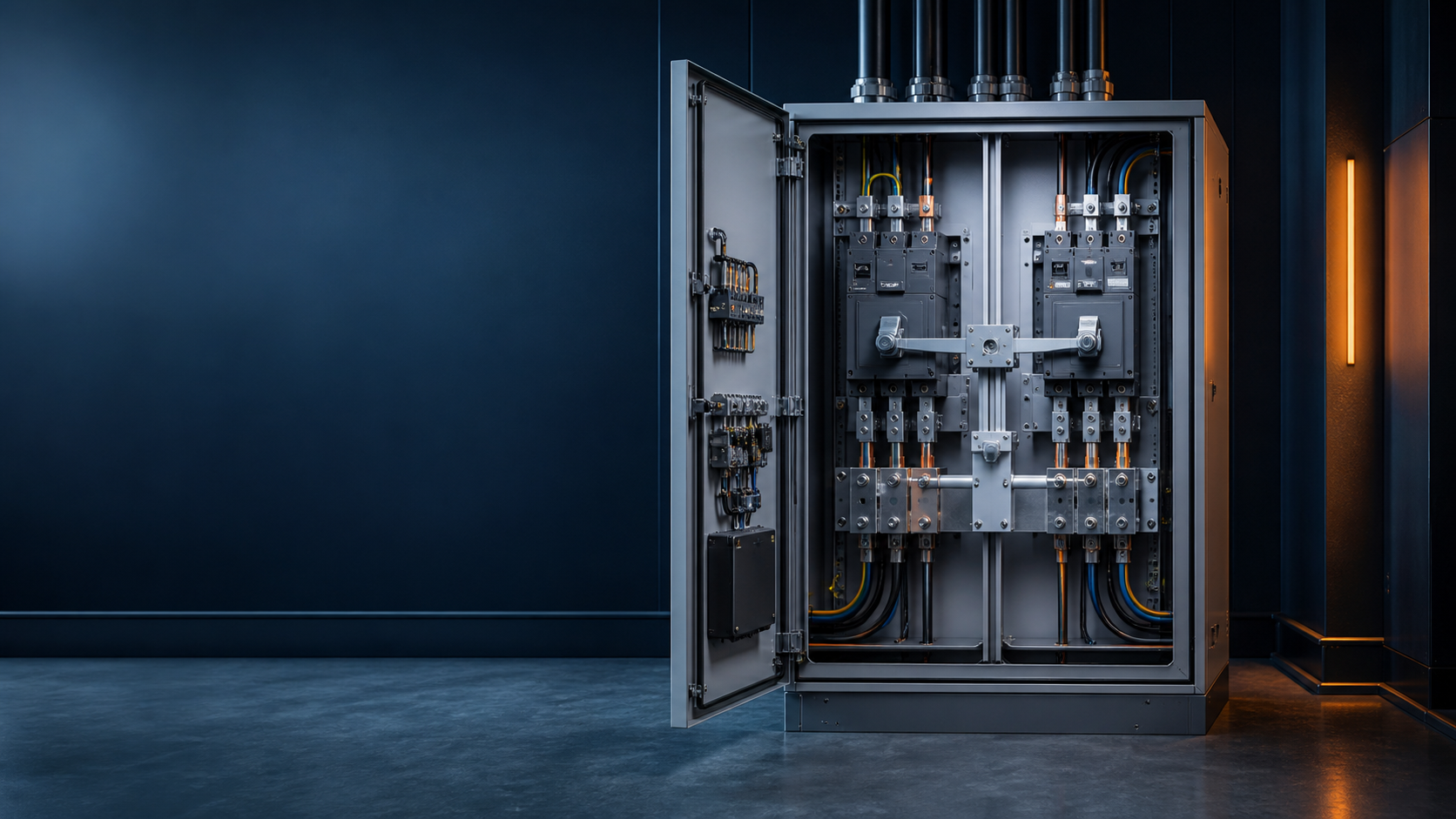
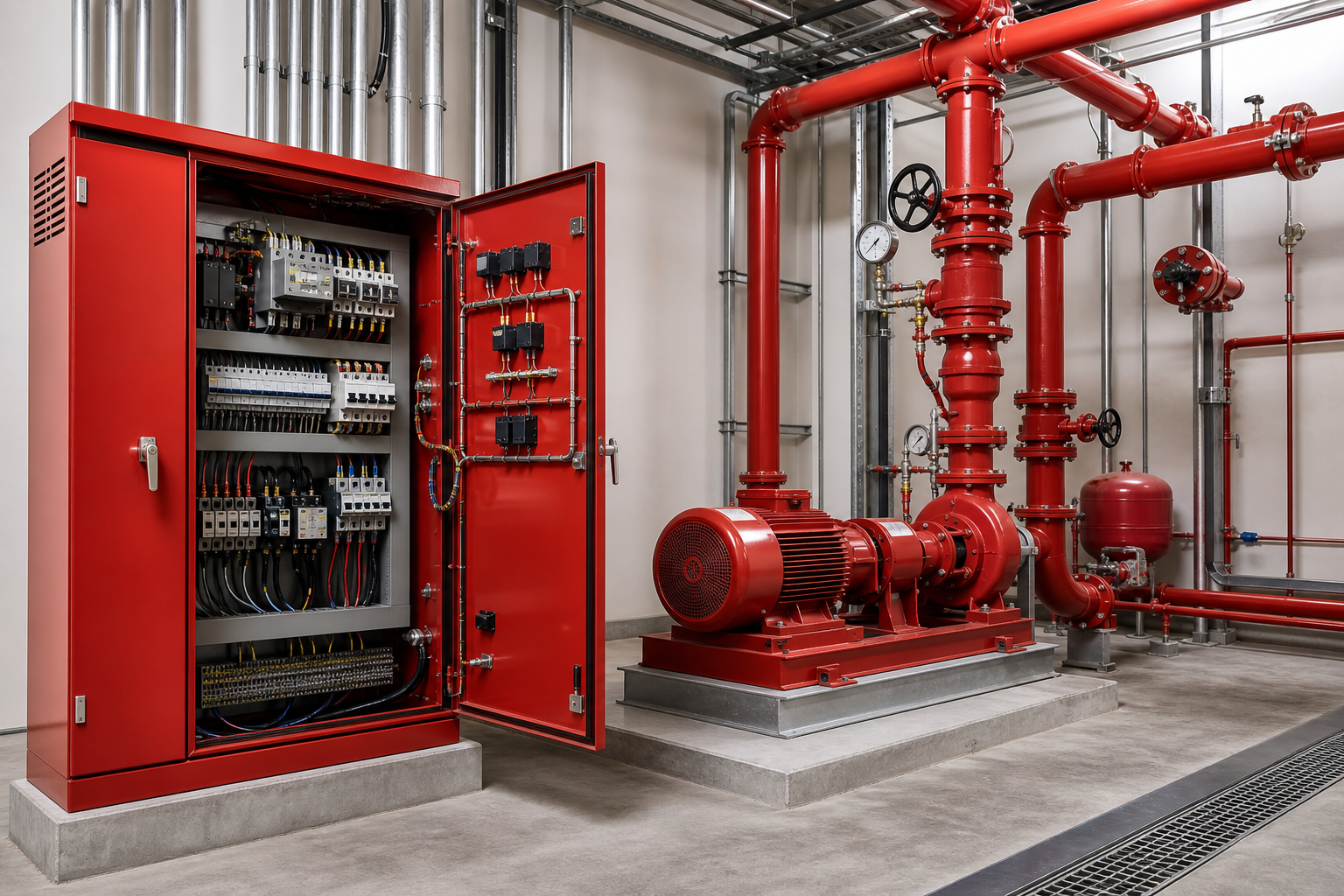
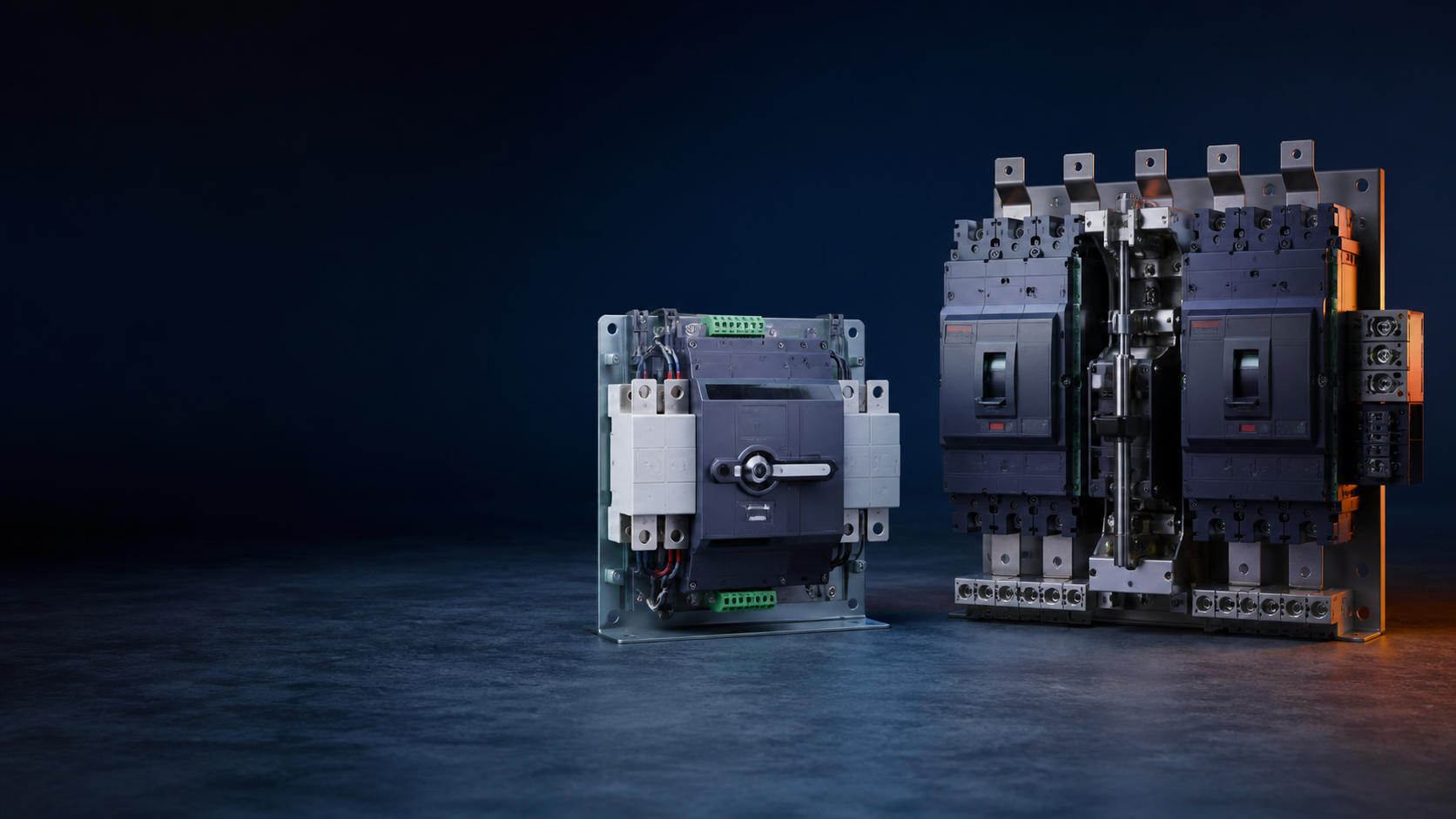
When the main supply is lost, the ATS control cabinet automatically transfers fire-fighting loads to a diesel generator or a second utility feed, keeping pumps, evacuation lighting and alarms running. The cabinet is normally supplied as part of a complete fire electrical package: distribution enclosures, pump variable-frequency patrol control, and the transfer unit itself. Its role in fire acceptance makes selection a compliance question as much as an engineering one.
Core parameters that decide whether it works
The mode that matters for fire loads is break-before-make: the load is disconnected from the failed feed before it is connected to the standby, avoiding dangerous parallel operation of two supplies. Transfer time must clear the pump-start window, so the code limits above are not optional targets.
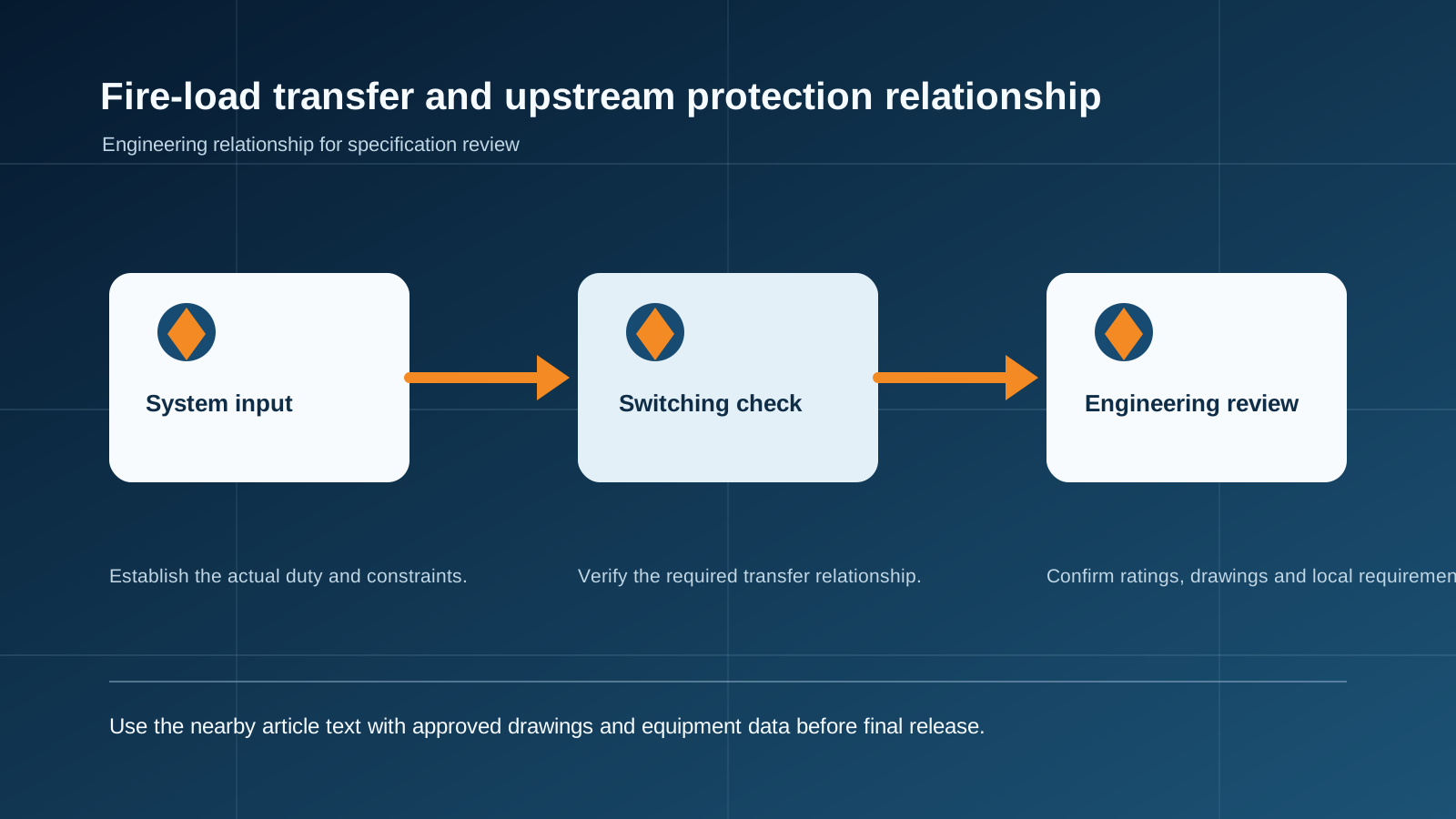
Technical diagram shown at a readable responsive scale.
Self-test by low-speed running
A well-designed fire cabinet integrates a variable-frequency patrol function: every day it runs the fire pump at low speed for a few minutes to check for seized bearings, leakage, motor anomalies and other faults before they turn into an acceptance failure. This is effectively a daily health check for the fire system and is one of the most valued features in modern integrated packages.
Compliance: the first and hardest filter
The first filter when buying is certification, not price. In China, fire electrical products must carry the CCC compulsory product certification and should show CQC certification, with conformance to the GB/T 14048.11-2020 low-voltage switchgear standard. Cheap units that claim "automatic changeover" but provide no short-circuit protection or transfer delay can fail completely after a trip — a false-compliance trap that appears only at the moment of need.
Sizing for the pump’s starting surge
A 15 kW fire pump can draw six to seven times its rated current at startup. The ATS module must withstand this transient without welding or burning its contacts. Select units with soft-start or current-limiting protection, and rate the switch for the starting surge, not just the running current. Undersized contacts are a leading field failure on fire pump duty.
Integrated packages and remote monitoring
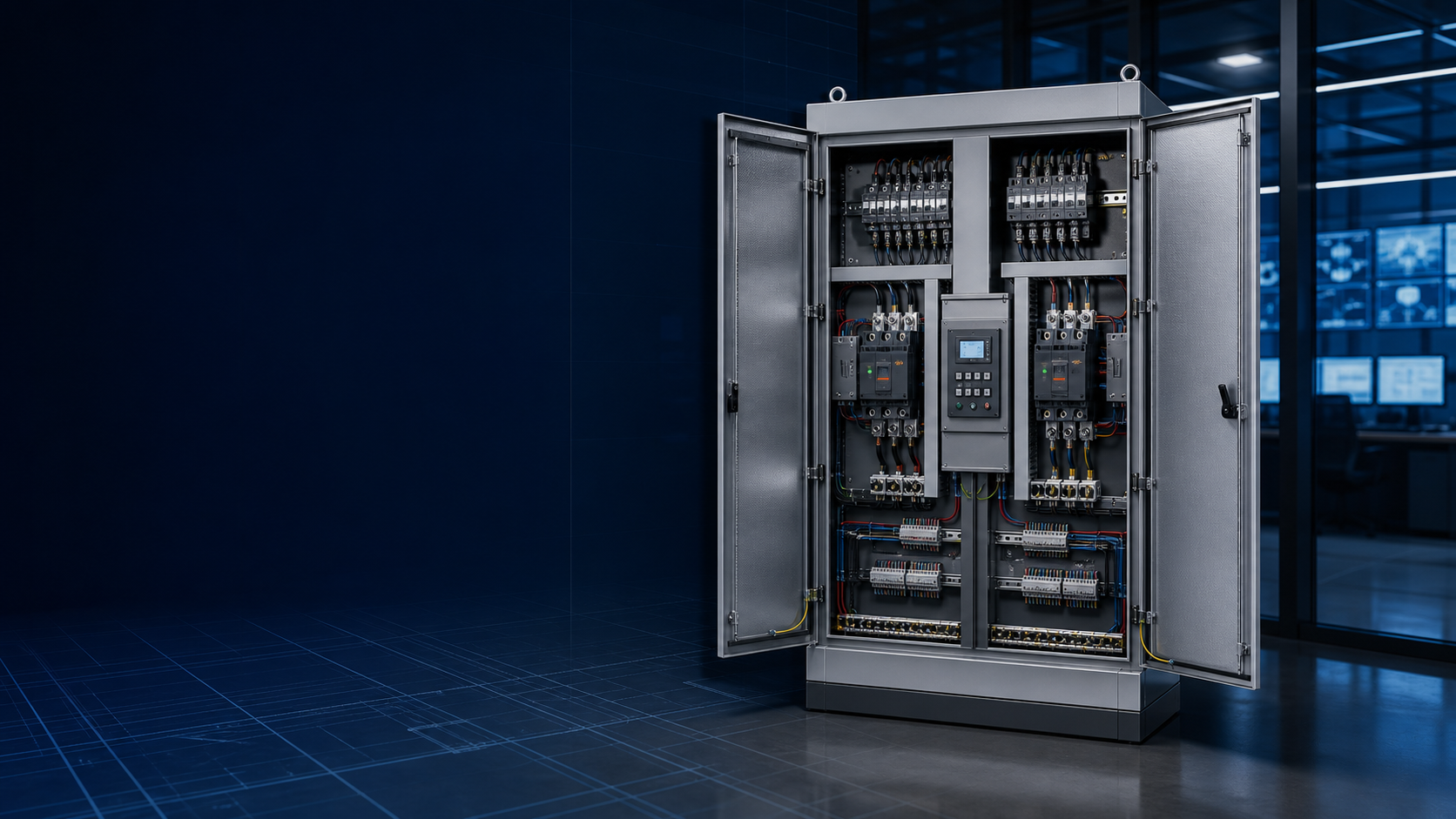
Current practice is to combine the ATS, the variable-frequency patrol cabinet, a PLC controller and a remote monitoring module into one integrated set. RS485 communication lets the cabinet report to the building automation (BA) system, giving remote fault alarms and status supervision — a strong fit for large projects that centralize facility management.
Where fire-fighting ATS cabinets are mandatory
High-rise building fire pump rooms.
Underground garage fire systems.
Hospital operating rooms and ICU emergency power.
Metro stations and airport terminals.
Explosive or flammable sites such as chemical plants and fuel stations.
A dedicated fire-rated cabinet is required in all of these: a general distribution box lacks the fire endurance and high-temperature performance, and can fail exactly when a fire develops.
A buyer’s checklist and common pitfalls
Certification: CCC + CQC marks and GB/T 14048.11-2020 conformance verified on the nameplate and the certificate.
Rating headroom: choose rated current with at least 20% margin above the calculated pump load.
Starting surge: confirm the ATS handles the pump starting current (6–7x rated), preferably with soft-start or current limiting.
Patrol function: integrated variable-frequency low-speed self-test is strongly recommended.
Integration: consider ATS + patrol + PLC + remote monitoring as one package for centralized management.
Budget reality: complete certified cabinets typically range from about CNY 8,000 to 30,000 depending on capacity and intelligence level.
This guide supports initial technical discussion only. Final ratings, standards, protection coordination, drawings and configuration must be confirmed for the actual project requirement.
Frequently asked questions
What does an ATS fire-fighting control cabinet do?
It automatically transfers fire-fighting loads — pumps, evacuation lighting, alarms — to a standby feed (generator or second utility) when the main supply fails, keeping them running.
How fast must the transfer be for fire loads?
Code requirements typically cap the transfer time at about 2 seconds, with 1.5 seconds or less in critical locations, so the fire pump starts within its window.
Which certifications should a fire-fighting ATS cabinet carry?
In China: CCC compulsory product certification, CQC certification, and conformance to GB/T 14048.11-2020 for low-voltage switchgear.
Why do fire pump ATS modules need to handle starting surge?
A fire pump can draw six to seven times its rated current at startup. The ATS contacts must withstand this transient or they will overheat, weld or fail under real duty.
What is the low-speed pump test?
A variable-frequency patrol function that runs the fire pump at low speed every day for a few minutes to detect seizure, leakage and motor faults before they become acceptance failures.
Discuss Your Transfer-Switch Requirement
Share the supply arrangement, load duty, operating environment and document requirement so the relevant configuration can be reviewed before quotation.
Discuss a projectContinue learning
Explore related technical guidance in Power Distribution.
Technical note: this article is published from the approved 2026-08-24 source package. Confirm the final electrical design, local code basis and manufacturer documentation for the actual project.