
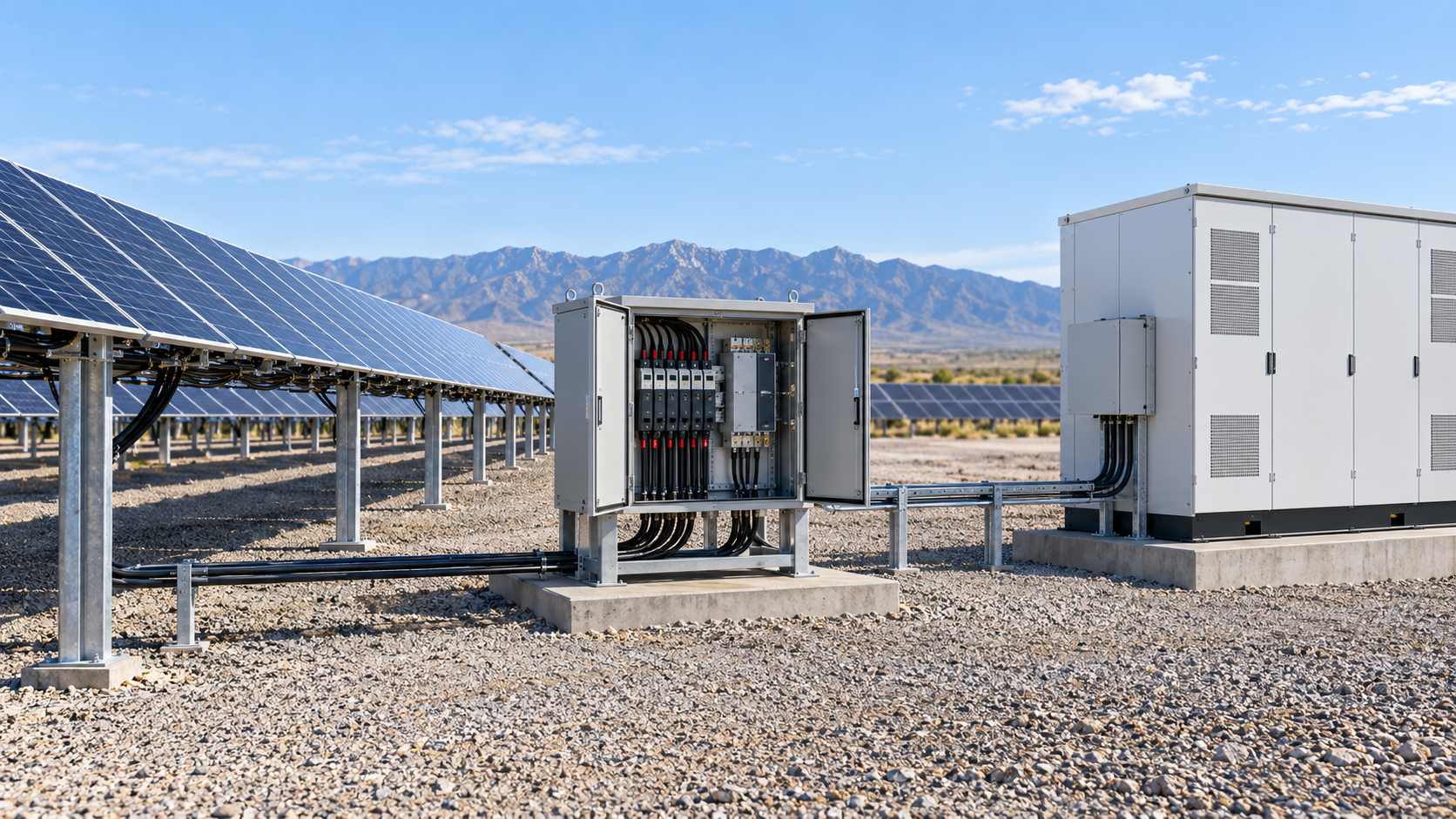
What UL breaker evidence is intended to cover
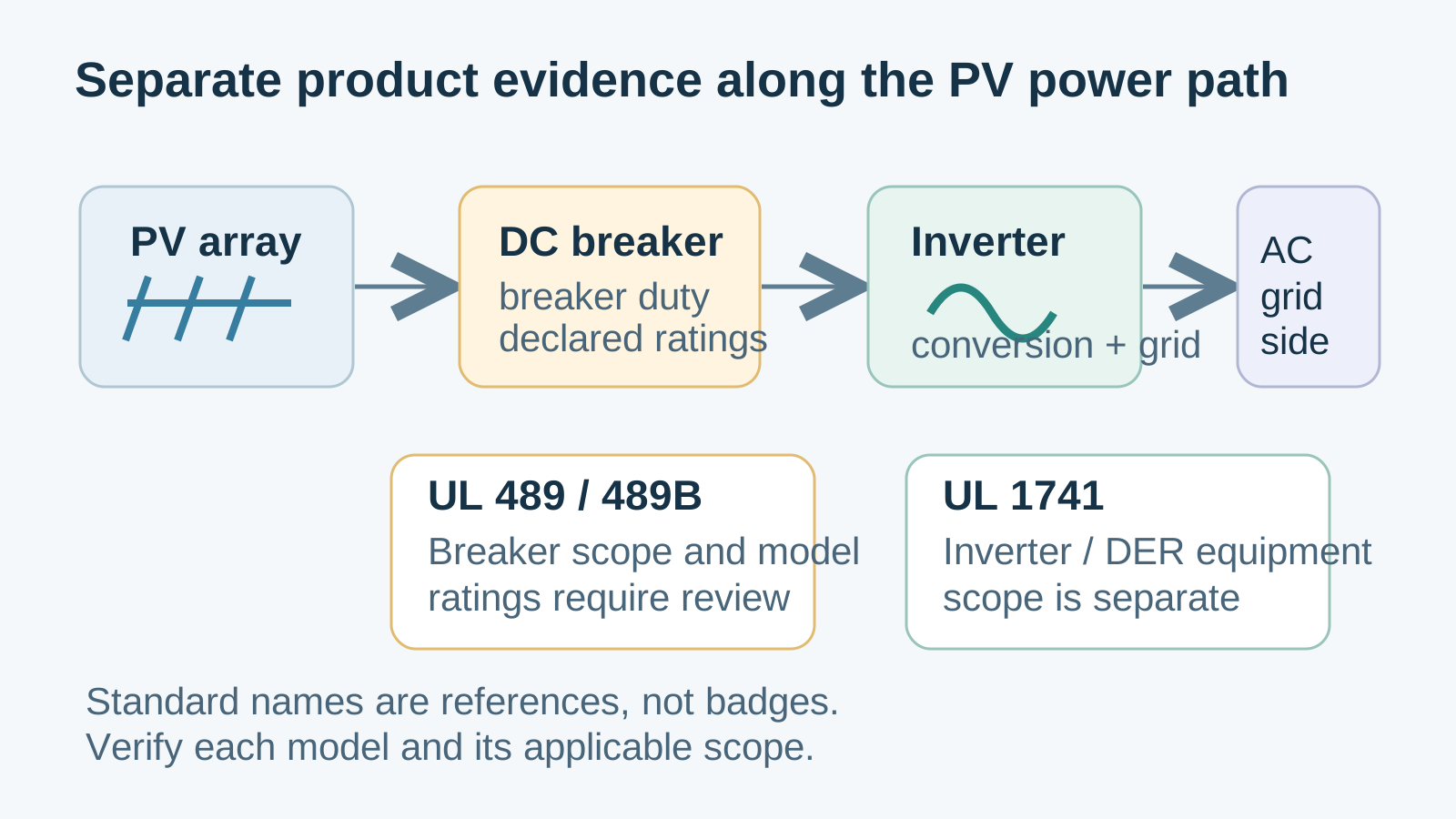
UL 489 addresses molded-case circuit breakers, molded-case switches and circuit-breaker enclosures within its stated scope. PV-specific breaker applications also require attention to the applicable category, product marking and the model’s actual direct-current ratings. UL’s breaker guide and breaker services describe PV breaker evaluation considerations, including UL 489B references; the project reviewer must still confirm what applies to the device being submitted.
Do not treat the words ‘UL 489’ on a family sheet as sufficient evidence that every model in that family is suitable for a PV DC circuit. A breaker may be evaluated for AC only, or may have separate DC ratings that depend on voltage and pole configuration. Check the exact catalogue reference and the record or certification scope for the ratings being relied on.
The installed device should also retain its required markings and be wired as shown in the manufacturer’s instructions. If a field configuration differs from the evaluated connection, the printed label alone may not establish the intended performance. Keep the product record, device schedule and wiring diagram aligned.
Technical diagram shown at a readable responsive scale.
What UL 1741 addresses on the inverter side
UL 1741 applies to inverters, converters, controllers and interconnection system equipment within its scope. Depending on the equipment and applicable supplement, an evaluation may address equipment safety and functions relevant to distributed-energy interconnection. Confirm the exact edition, supplement and model documentation rather than assuming every UL 1741 record covers every grid-support feature.
This evaluation is separate from the breaker’s role. Inverter conformity does not establish the overcurrent or short-circuit protection rating of conductors on the DC or AC side. Those functions must be addressed by the protective devices and assembly design selected for the circuit. Draw the interface clearly so each component’s evidence can be reviewed against the duty it actually performs.
Confirm the exact DC rating and listing scope
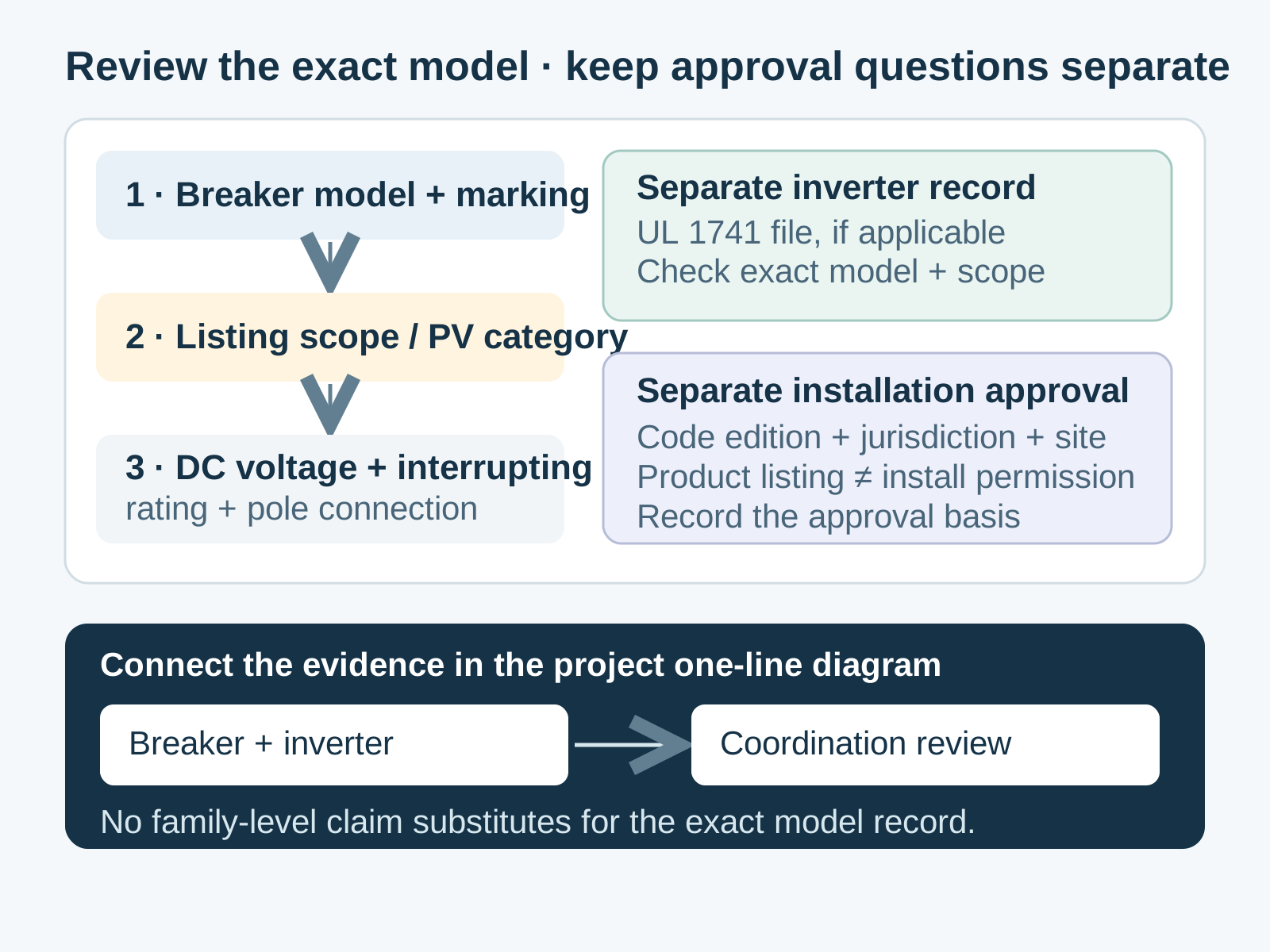
For the breaker, verify that the submittal identifies a DC rating for the intended system voltage and a short-circuit interrupting rating applicable to that DC duty. Confirm the pole arrangement, series connections, polarity or line/load instructions, current rating and any required enclosure or installation condition. A value from an AC column or a different wiring configuration cannot be assumed to apply.
Match the catalogue number on the device to the submitted listing record and the project schedule. If the manufacturer identifies a PV-specific category or marking, confirm it against the exact model and ratings. A generic breaker standard reference, an unrelated certificate in the same product family or a distributor statement is not a substitute for that check.
Keep product listing separate from installation-code acceptance
A product’s evaluated voltage range is not automatically permission to use that voltage in every project. Installation limits depend on the code edition adopted by the jurisdiction, the system location and type, equipment listings, project specifications and the authority having jurisdiction. Do not turn a familiar voltage figure into a universal North American rule without naming the applicable code clause and installation conditions.
Resolve these issues during design review. Identify the adopted code and local amendments, the project type, the applicable equipment listing and the reviewer’s requirements. Where a proposed design relies on a special exception or a nonstandard application, document the specific basis and obtain the required approval before procurement or installation.
Coordinate the breaker with inverter protection
The breaker and inverter can respond to different conditions. The breaker must be selected for the circuit’s overcurrent and interrupting duty, while the inverter may monitor its conversion stage, input condition or grid interface. The existence of an inverter protective function does not demonstrate that the breaker can clear a fault in the circuit it protects, and the breaker does not replace the inverter’s interconnection functions.
Use the one-line diagram, inverter manual and device trip data to define the intended response for each fault condition. Check the available fault current, equipment current limits and any coordination constraints using project-specific data. Do not claim that two devices coordinate merely because each has an independent listing.
Prepare a reviewable submittal package
A focused package includes the exact breaker catalogue reference, applicable listing or category record, DC voltage and interrupting ratings, pole connection diagram, manufacturer instructions, inverter model and relevant UL 1741 documentation, system single-line diagram, available fault-current calculation and code edition used for the design. Add photographs of installed markings at commissioning where project procedures require them.
This evidence lets an engineer or authority review the device and installation as related but separate questions. If a document does not cover the offered model, if a rating is missing, or if the installation code basis is unclear, pause that item for clarification instead of relying on an assumed equivalence between standards.
Do not treat IEC and UL evidence as interchangeable
IEC declarations and UL listings are distinct conformity evidence. A document under one system does not automatically satisfy a specification or approval route that calls for the other. Where a project permits alternatives or dual-certified equipment, verify that both records cover the exact model and the precise DC ratings and configuration proposed.
The purchasing decision should follow the market and approval route for the installation, not a general preference for one label. The final acceptance basis belongs in the submittal record, along with the code edition and the authority or contract requirement that governs the project.
This article is not legal or code advice and does not establish a universal DC voltage allowance. Confirm current UL product records, adopted code edition, local amendments and authority requirements for the specific installation.
Frequently asked questions
Does a UL 489 reference prove a breaker is PV DC rated?
Not by itself. Verify the exact breaker model’s listing or evaluation scope, PV-related category where applicable, DC voltage and interrupting ratings, and required pole configuration. An AC-only rating or a family-level reference does not establish suitability for the project’s PV DC duty.
Does UL 1741 certify the breaker connected to a PV inverter?
No. UL 1741 applies to inverters, converters, controllers and interconnection equipment within its scope. The breaker requires its own applicable product evidence and DC ratings. The two records address different equipment and should be reviewed separately.
Is 1000 V DC a universal North American PV limit?
No universal answer can be given without the adopted code edition, jurisdiction, system location and installation type. Product listing voltage is also not the same as code permission. Confirm the specific code provisions and approval basis with the project engineer and authority having jurisdiction.
What should a breaker submittal include?
Include the exact model and listing record, applicable PV category or evaluation, DC voltage and interrupting ratings, pole and wiring diagram, manufacturer instructions, one-line diagram, fault-current basis and relevant inverter documentation. State the adopted code edition and resolve any model or rating mismatch before approval.
Keep both product scopes visible
Review the breaker record and inverter record independently, then verify their coordination in the project design documents.
Discuss a project requirementContinue learning
Explore related technical guidance in Electrical Protection.


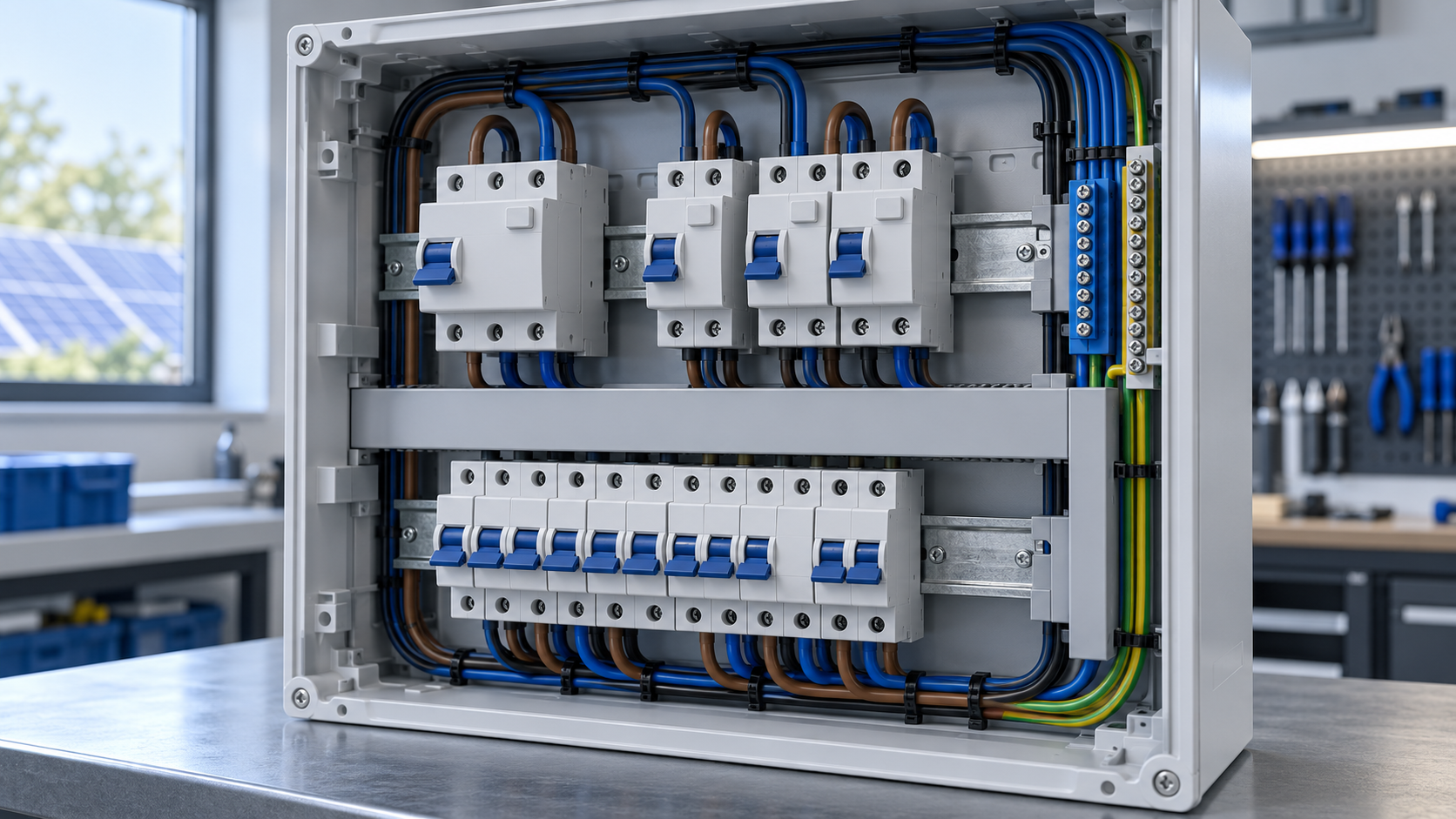
UL source links support the distinction between breaker evaluation and distributed-energy equipment evaluation. Model-specific listing and jurisdictional code acceptance require direct review.