
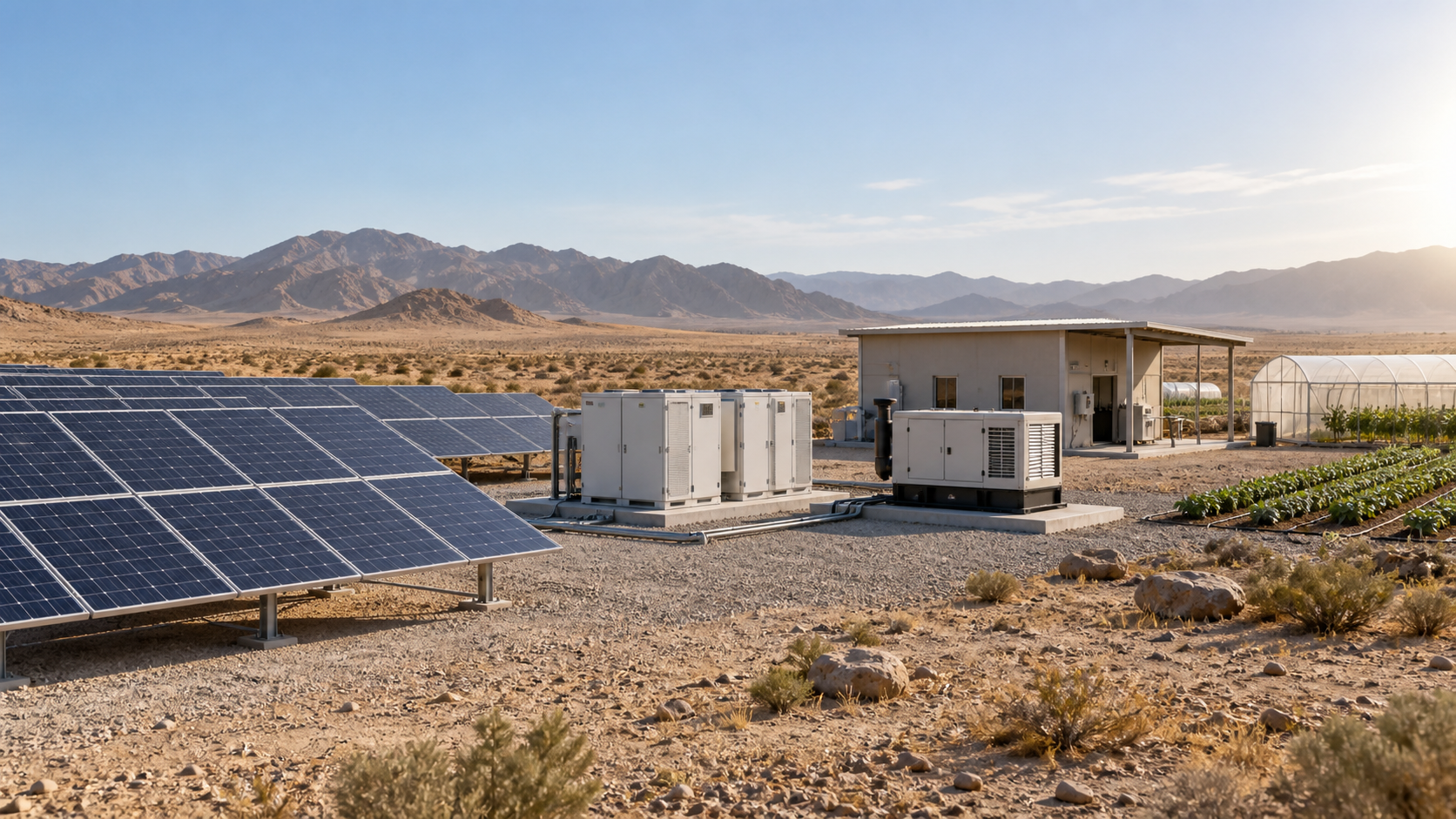
1. A hybrid research microgrid
A Qatari research institute operates a desert farm microgrid that blends PV, battery storage and a diesel generator for resilient on-site power. Blending PV, storage and diesel means the AC board sees multiple operating-mode changes. Protection must keep the array safe and the loads supplied through every mode change.
2. DC side protection
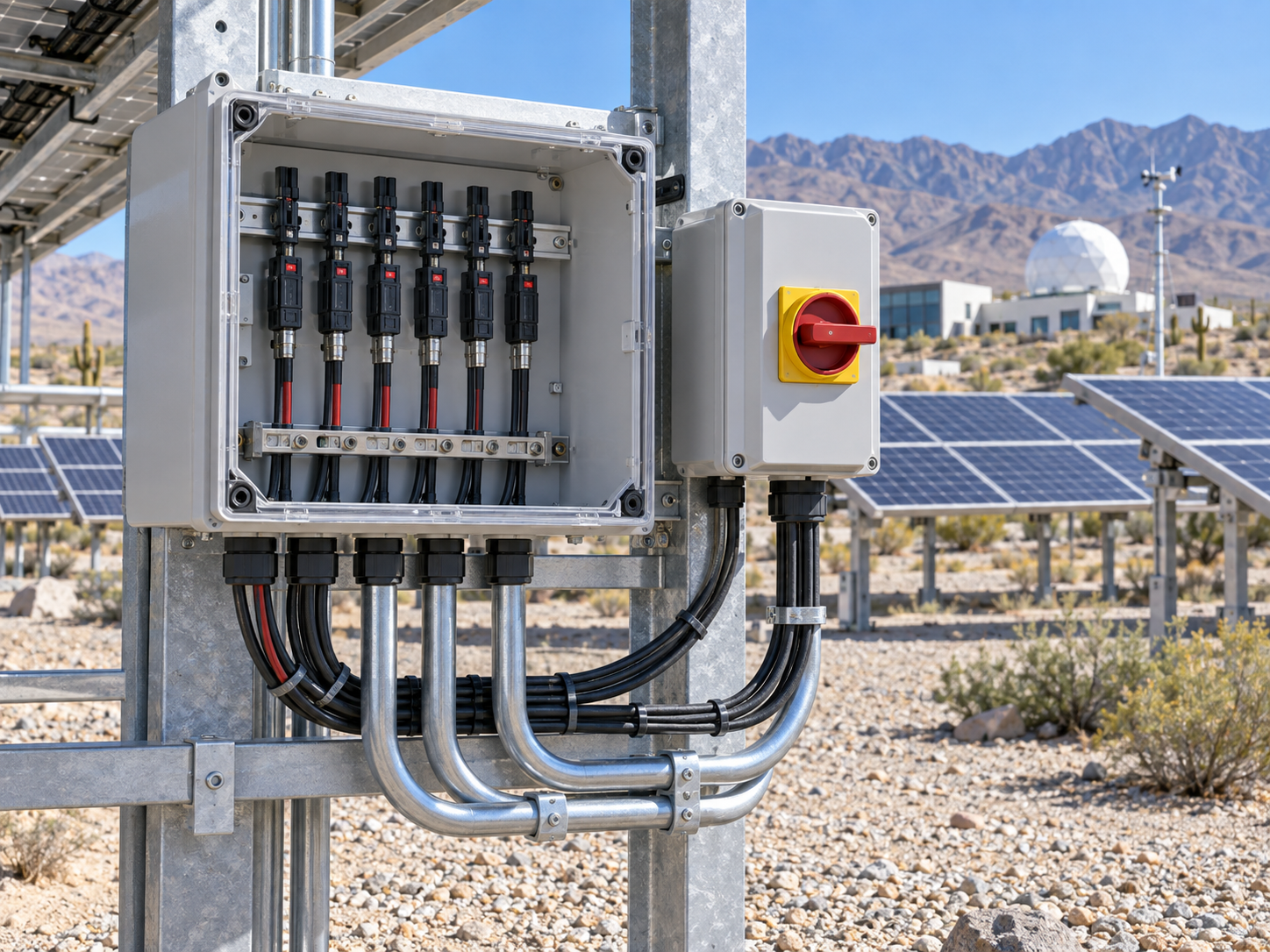
- A DC isolation switch at the array combiner for safe maintenance.
- gPV fuses protecting each string against short circuit and reverse current.
- A DC-rated SPD where lightning exposure is significant.
3. AC side: Type B RCBO
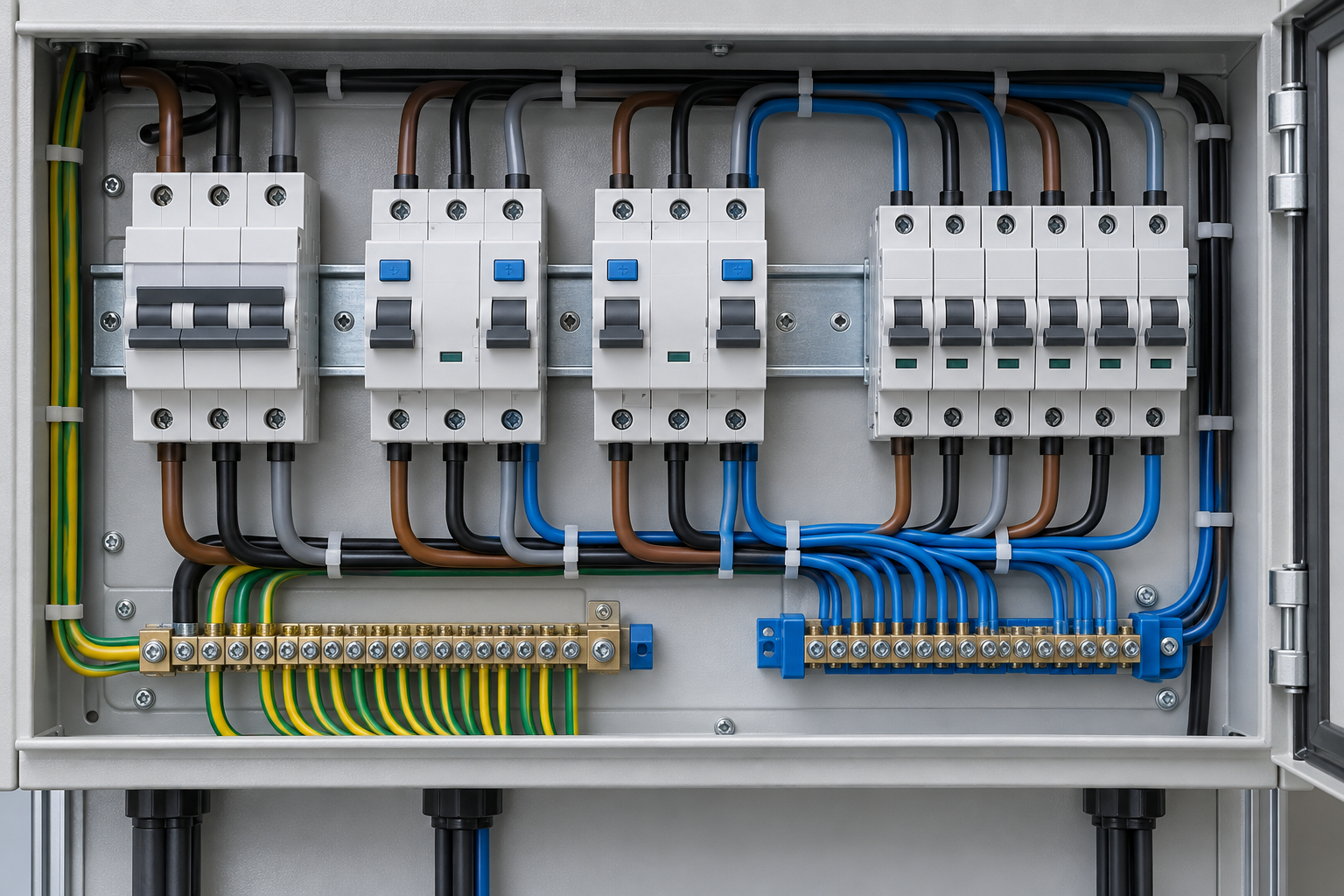
On the AC distribution board NEUTRON installed Type B RCBO units. Because the inverter can present smooth DC, a Type B device senses AC, pulsating DC and smooth DC, closing the shock-protection gap left by a Type A device.
4. Nuisance trip avoidance
- Correct Type B threshold sizing.
- Clean array earthing to avoid parasitic leakage.
- No mixed neutral-earth loops in the AC board.
5. Outcome
The DC-plus-AC protection approach removed shock-risk gaps and kept the research loads stable through mode changes and dusty seasons.
Final ratings, coordination, installation and applicable local requirements must be verified against current standards, manufacturer documentation and the approved project design.
Frequently asked questions
Why Type B RCD for a hybrid microgrid?
The inverter can inject smooth DC that a Type A RCD cannot detect; Type B senses AC, pulsating DC and smooth DC.
What causes microgrid RCBO nuisance trips?
Humid mornings, array parasitic capacitance and mixed neutral-earth loops; correct sizing and clean earthing resolve most.
What can such a microgrid serve?
Depending on size, it can power research labs, pumps, lighting, refrigeration and climate control on a desert farm.
Which NEUTRON products fit?
DC isolator plus gPV fuse combiners, Type B RCBO or RCCB, coordinated DC SPD and a compact low-voltage distribution assembly.
Review all operating modes together.
Share the PV, storage, generator and local-load interfaces for a coordinated protection review.
Discuss a projectContinue learning
Explore related technical guidance in Electrical Protection.

Published from the approved Period 12 source package; project, technical and standards statements are retained from the supplied publication content.