
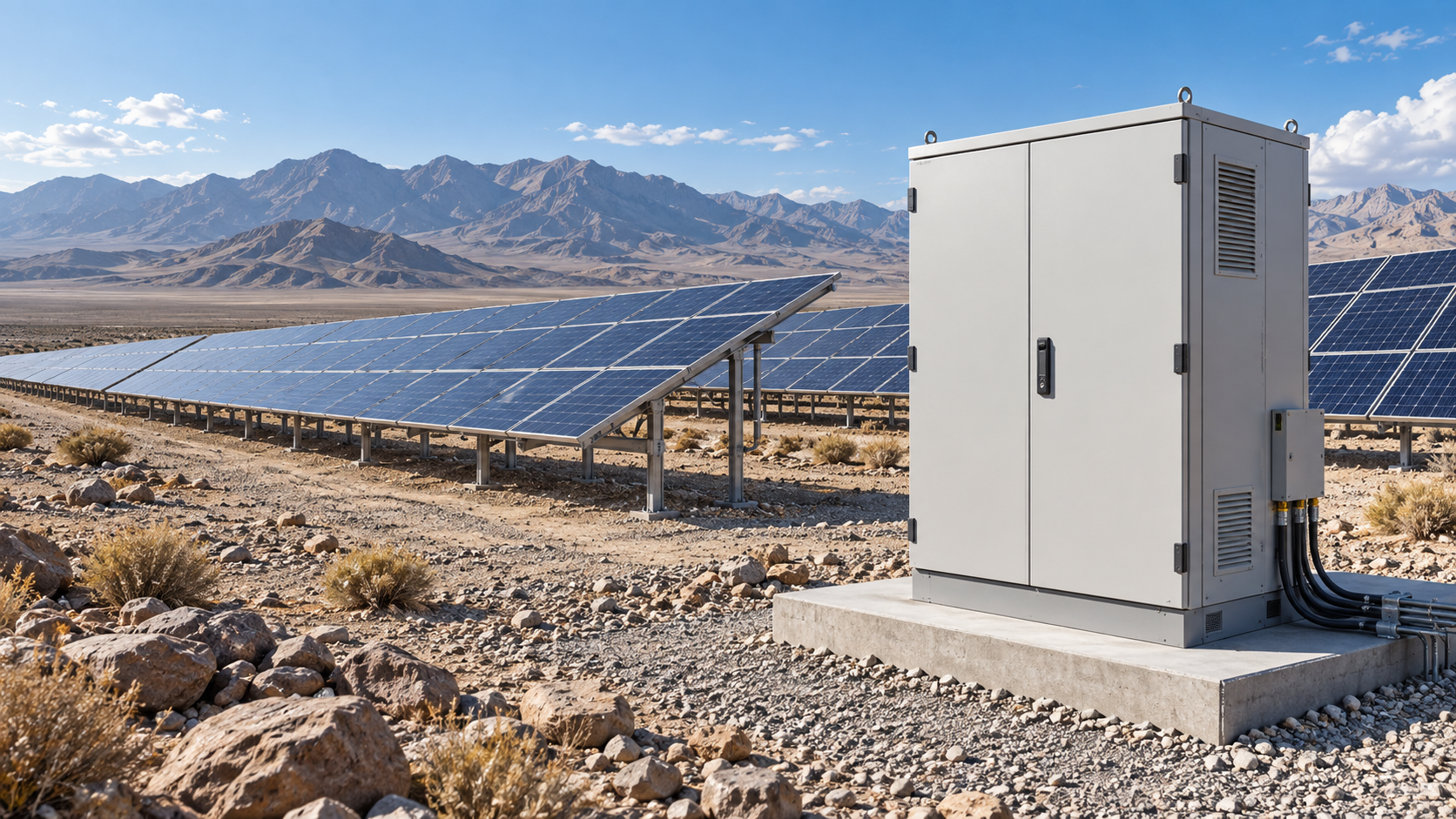
1. Desert utility site
The site brings dry heat and abrasive dust. The design priority is a clean, serviceable combiner layer with full desert derating.
2. Combiner and DC protection
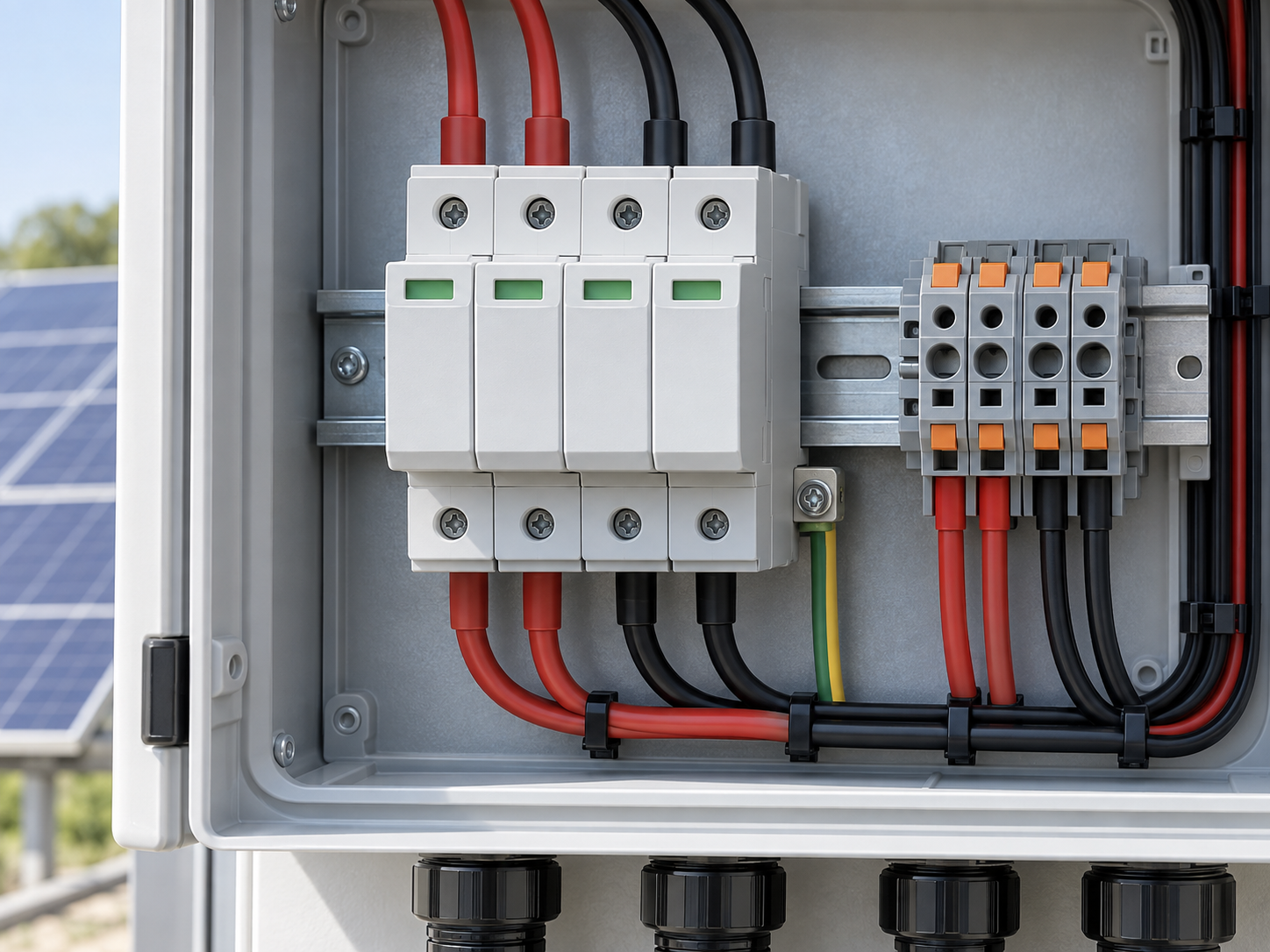
- PV combiner boxes rated to 1500 V DC with individual gPV fuse protection.
- DC disconnect switches and Type 2 DC SPDs staged to the 1500 V envelope.
- DC MCBs for auxiliary circuits.
3. Selective coordination
The gPV fuse and downstream protection were coordinated so a single string fault clears locally without dropping a feeder.
4. Desert derating
- Current parts derated for sustained heat and solar gain.
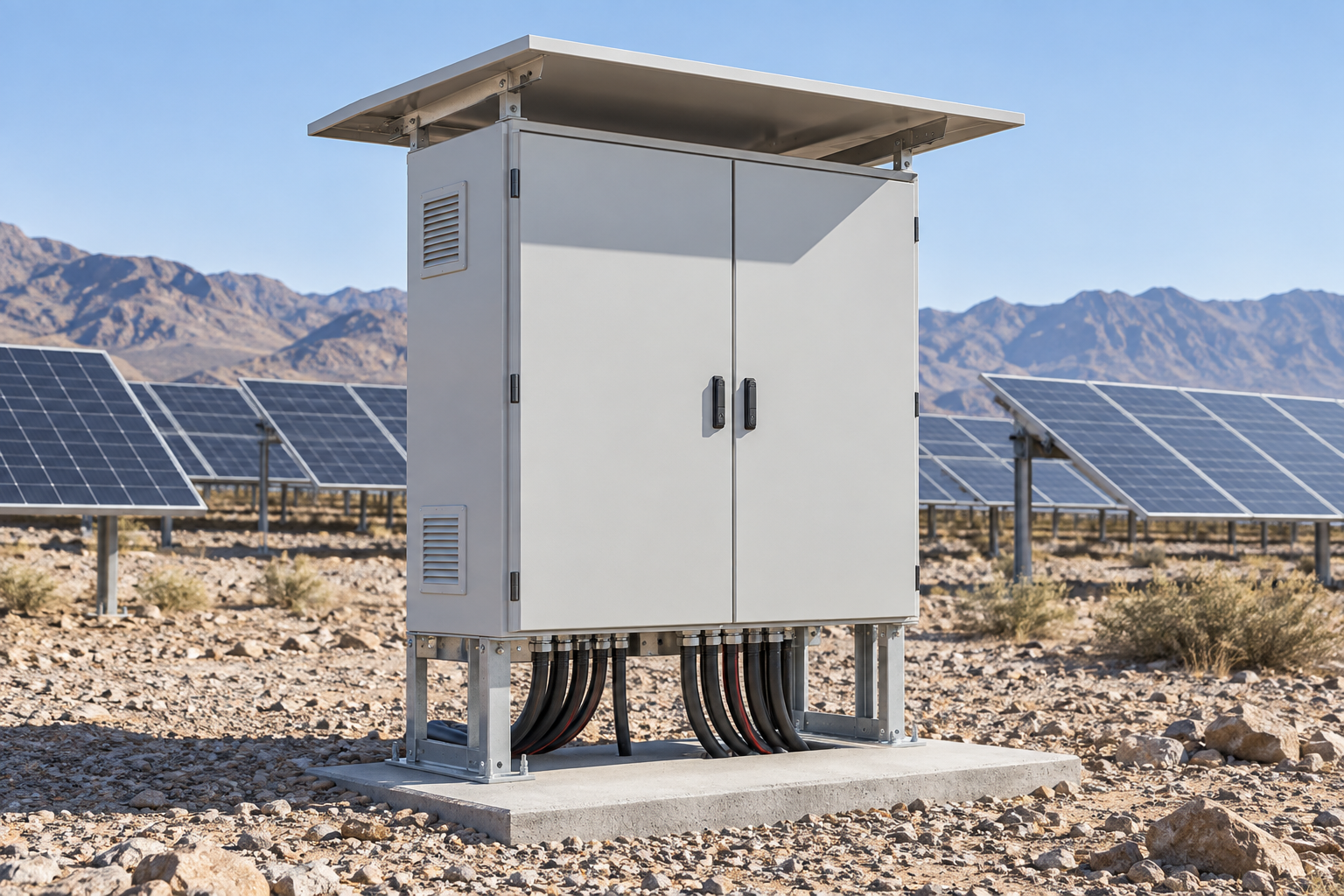
- Enclosure to IP65 with a corrosion class for inland dust.
- SPD staging reviewed for local lightning density.
5. Outcome
The protection scope gave the plant a reliable foundation suited to the Jordanian desert.
Final ratings, coordination, installation and applicable local requirements must be verified against current standards, manufacturer documentation and the approved project design.
Frequently asked questions
What protects Quweira?
gPV fuses per string, DC disconnect and DC SPD in every combiner, DC MCBs for auxiliaries, and coordinated low-voltage switchgear.
Why derate for desert heat?
Ratings applied against the site ambient keep protection devices within their temperature bands under peak load.
Which standards apply?
IEC 60269-6, IEC 60947-2, IEC 61643-31 and IEC 61439.
What rating applies to the combiner?
Maximum system voltage 1500 V DC, string short-circuit current including bifacial gain, input string count and site protection class.
Review the project protection scope.
Share the array layout, equipment interfaces and site conditions for a coordinated protection review.
Discuss a projectContinue learning
Explore related technical guidance in Solar PV.
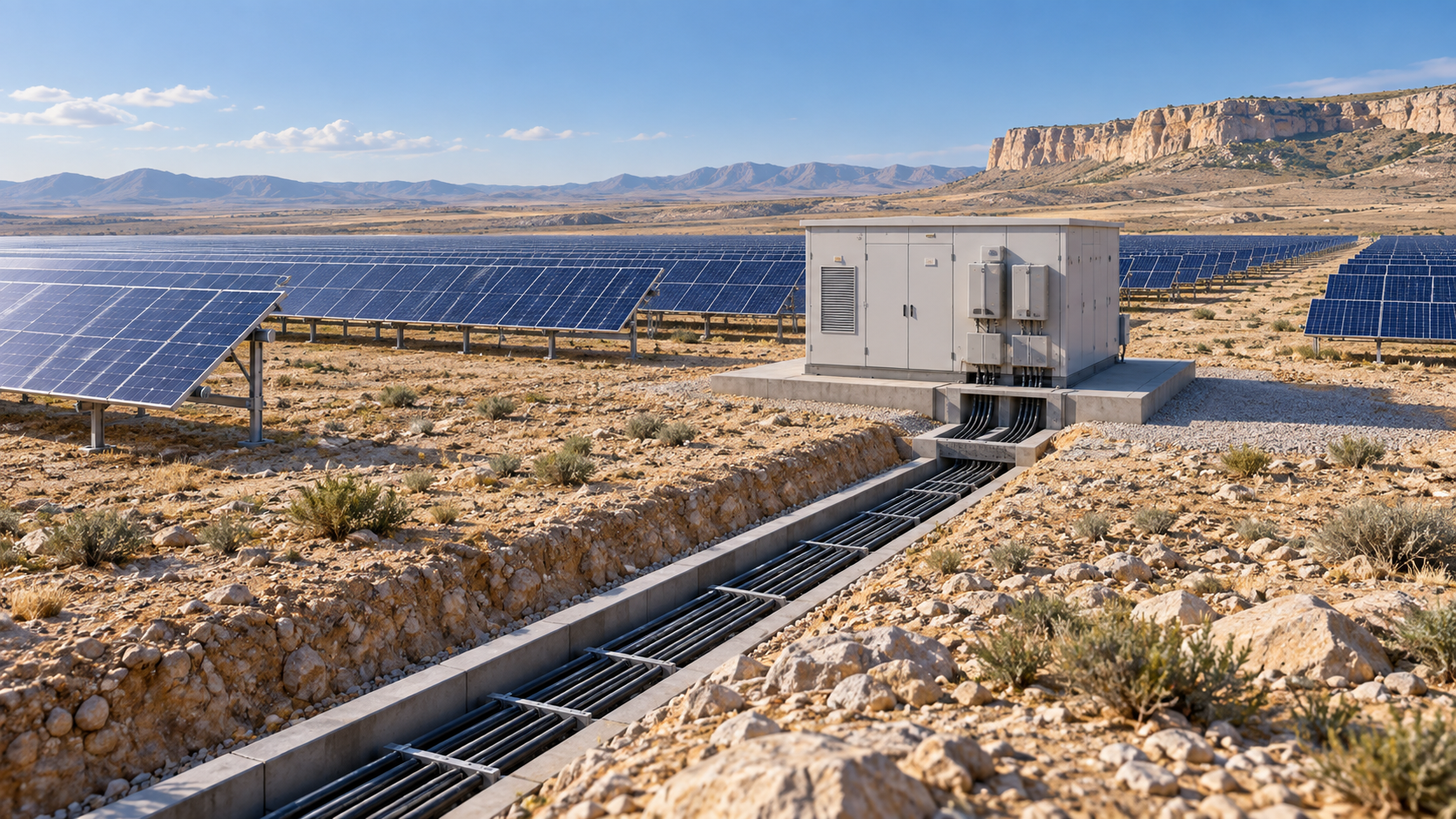
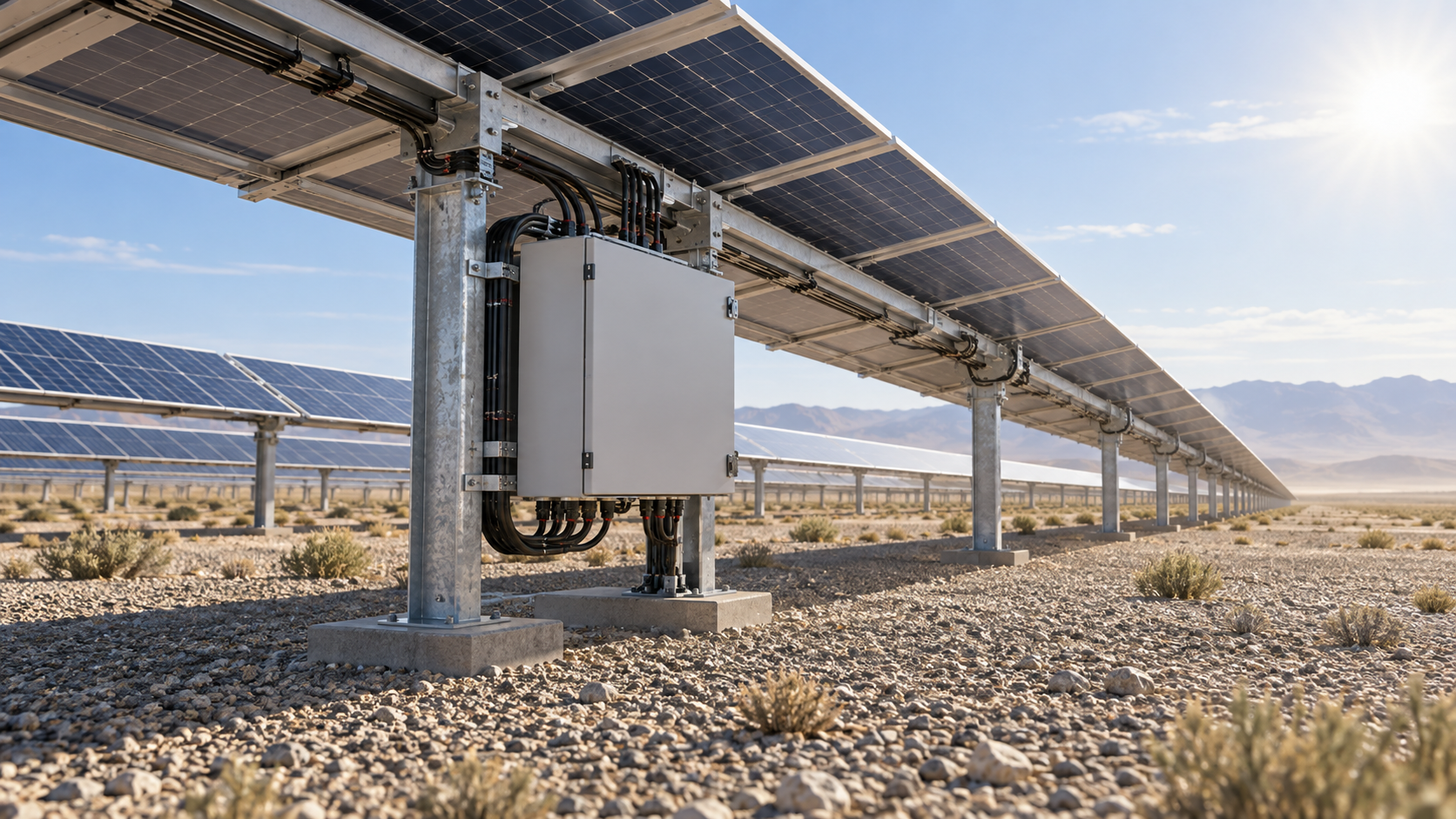
PV protection equipment, installation conditions and maintenance considerations.