
1. Two voltages on one module
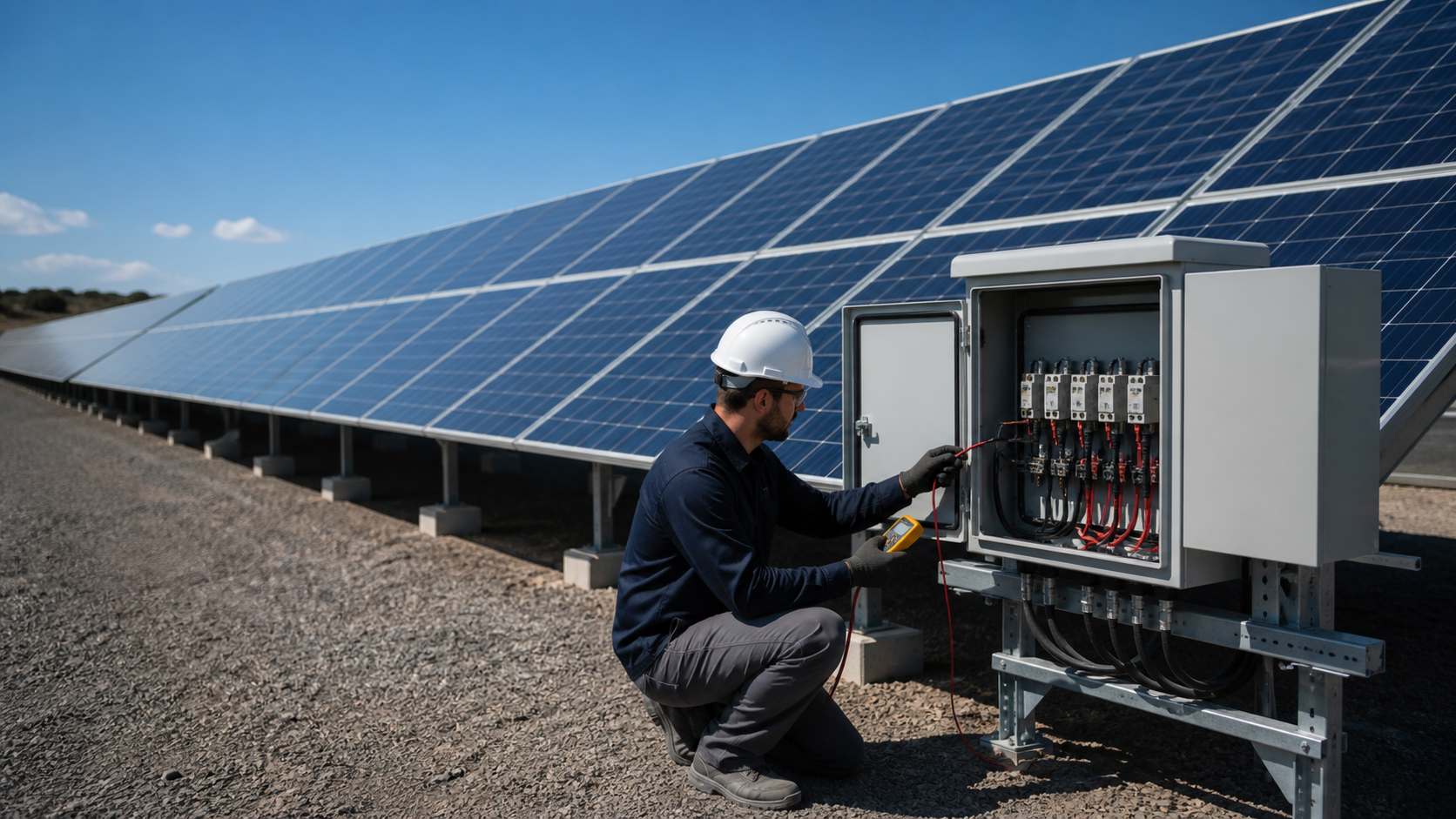
A PV module is described by two voltages. Voc is the open-circuit voltage measured with no load; Vmpp is the voltage at which the module delivers its maximum power. Vmpp is always lower than Voc under the same conditions.
2. Why Voc sets the safety limit
Because Voc is the highest voltage the string can reach, it is the value that must stay below the absolute maximum of every downstream device. The cold-weather peak of Voc is what the combiner box insulation and DC disconnect are rated against.
3. Why Vmpp sets the operating window
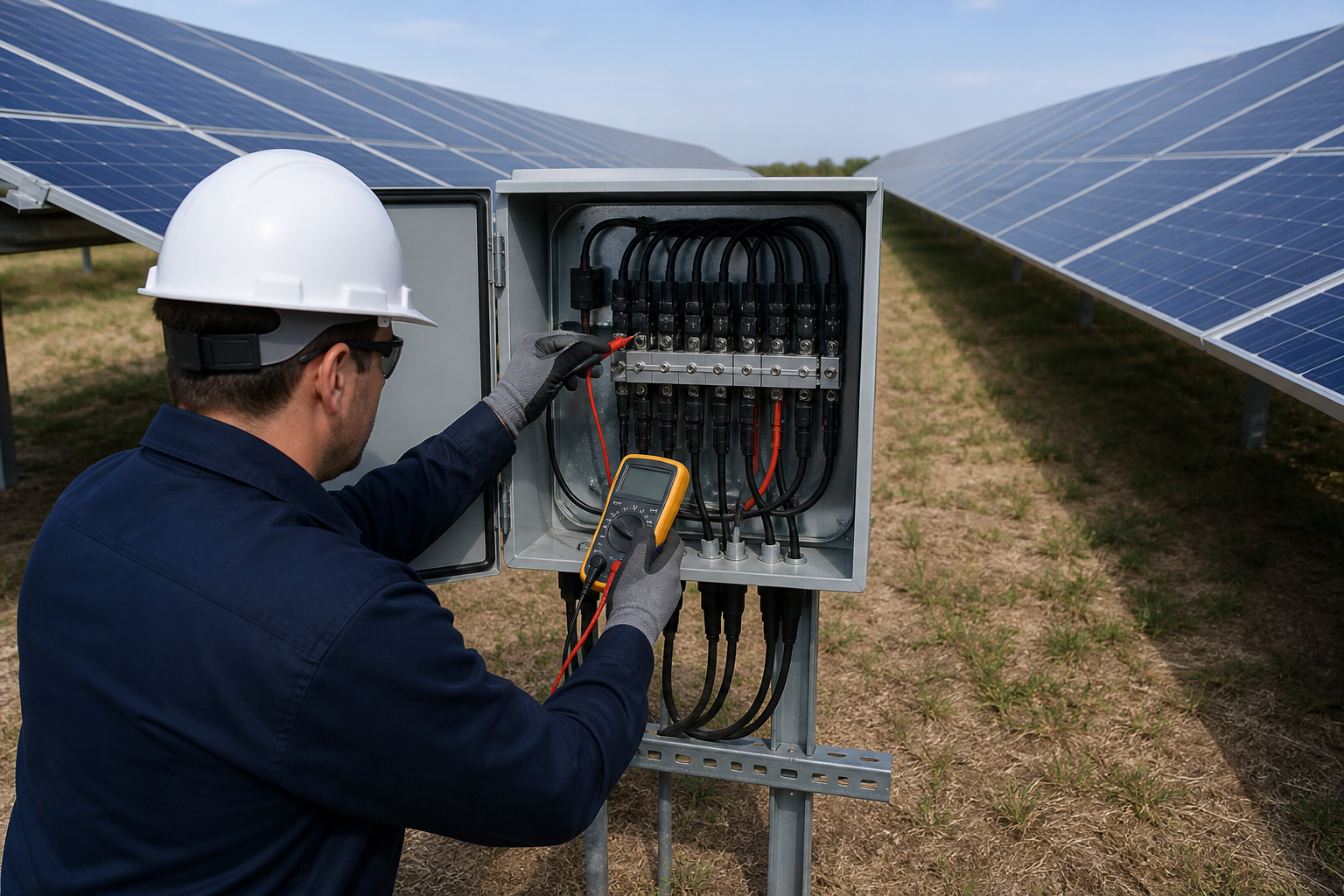
The string operating voltage tracks Vmpp in normal operation. The combiner box and grid-connected cabinet are designed around the Vmpp-based working voltage, while still being safe at the Voc extreme.
4. Temperature moves both
Both voltages fall as the module heats and rise as it cools, with Voc moving more. A design that only checks Vmpp at 25 C will be surprised by the cold-weather Voc, which is why temperature-adjusted values drive the specification.
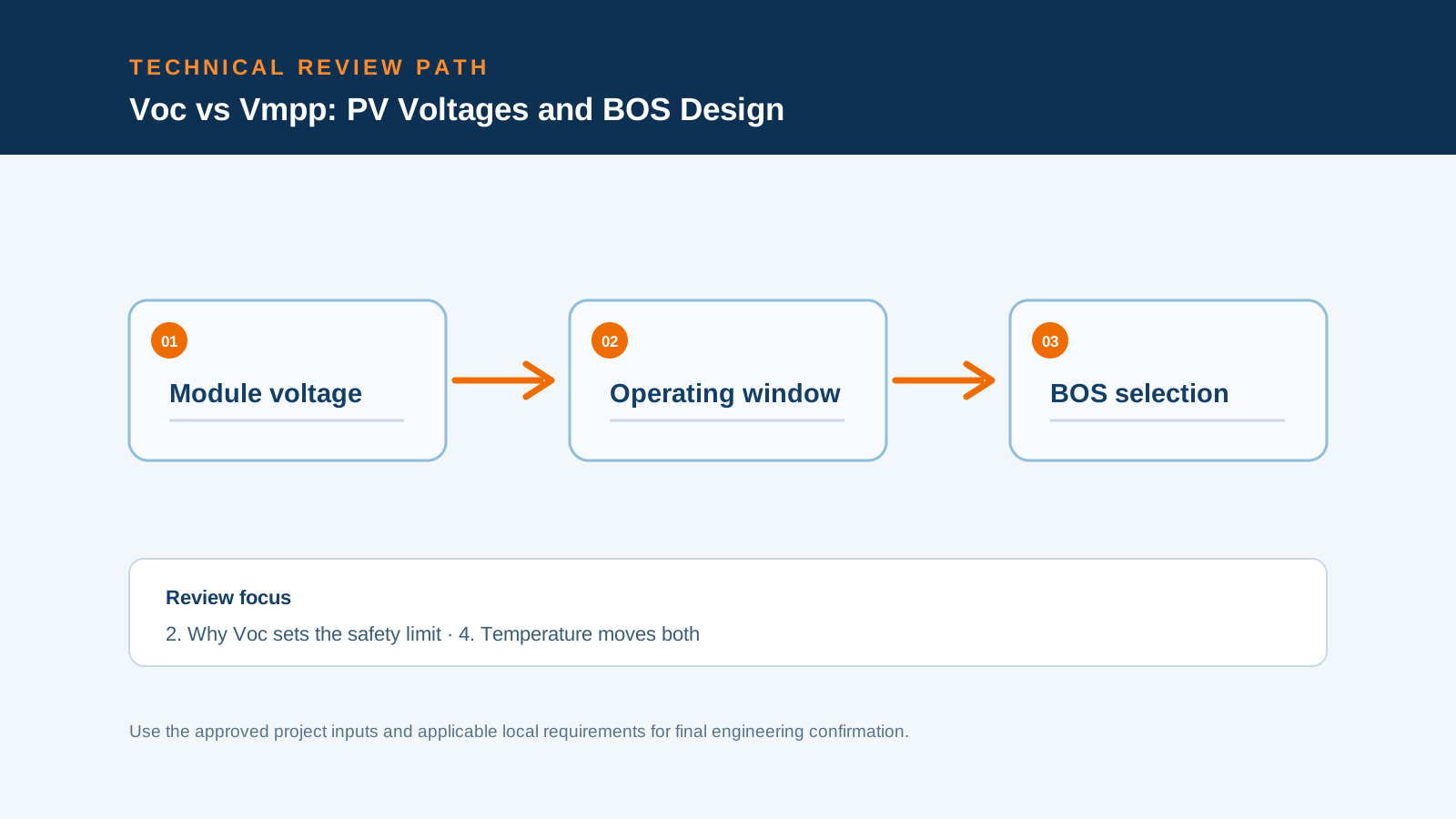
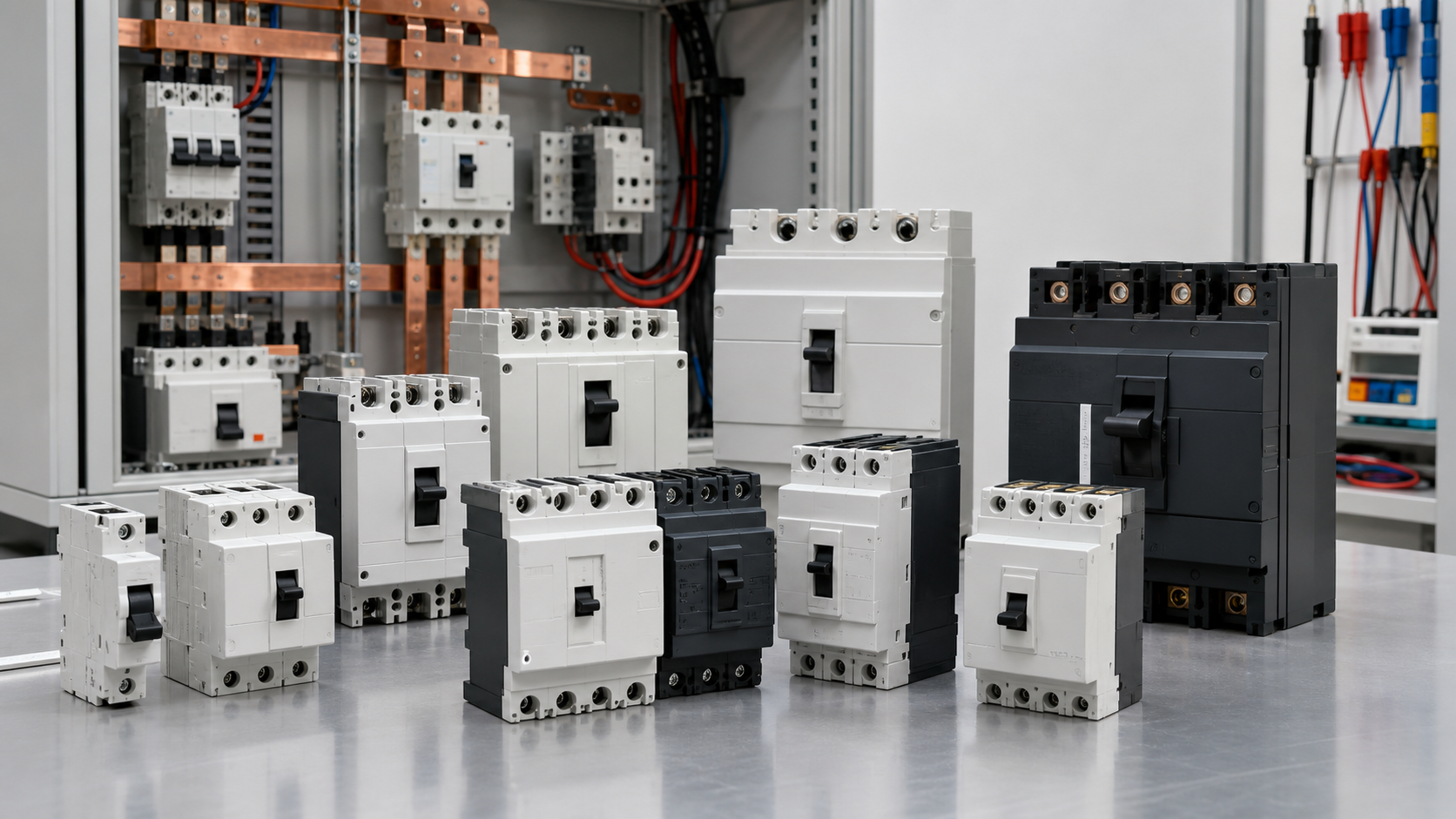
Technical diagram shown at a readable responsive scale.
5. What this means for the box
The combiner box must clear the coldest-case Voc for insulation and clearance, carry the Vmpp-based working current on its busbar, and present a surge protective device whose protection level matches the voltage envelope. One number cannot do all three jobs.
6. Quick reference
Specify the box against Voc at the coldest site temperature for safety, and against Vmpp at working conditions for thermal and busbar design. Keep both on the enquiry so the supplier builds for real conditions.
This is general technical guidance. Confirm final ratings, installation conditions and applicable local requirements against approved project documentation and a qualified engineering review.
Frequently asked questions
What is the difference between Voc and Vmpp?
Voc is the no-load open-circuit voltage; Vmpp is the voltage at maximum power. Vmpp is lower than Voc under the same conditions.
Which voltage sizes the combiner box?
The cold-weather peak of Voc sets the insulation and DC-disconnect limit; Vmpp-based current sets the busbar and thermal design. Both are needed.
Why is Voc higher in cold weather?
Module voltage rises as cell temperature falls, so the coldest-site Voc is the highest voltage the BOS must withstand.
Does Vmpp matter for protection?
Vmpp defines the normal operating point and the working current the busbar carries, while Voc defines the safety extreme the insulation must survive.
Bring the electrical inputs to the first review.
Share the approved module data, site temperature range, cable route, string configuration and destination-market requirements. NEUTRON can review the equipment envelope against the project inputs.
Discuss a PV requirementContinue learning
Explore related technical guidance in Solar PV.
Technical note: verify final ratings, standards, documents and configuration against approved project documentation and the applicable local requirements.