
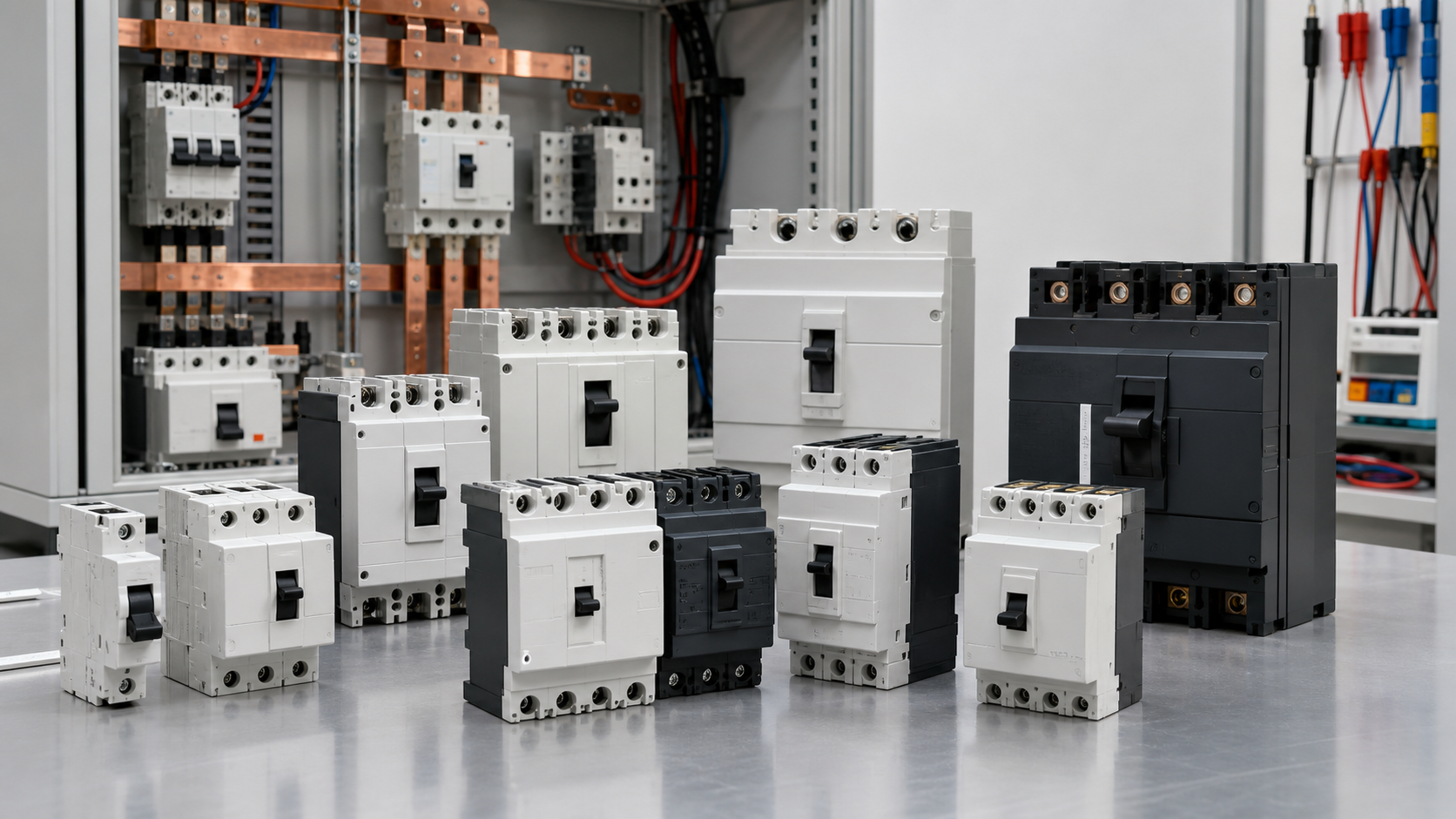
1. Why DC needs a different breaker
An AC arc quenches at the current zero of the sine wave; a DC fault has no such zero, so the breaker must force interruption against a rising recovery voltage. That is why a generic AC MCB will not reliably clear a PV fault.
Polarity matters. Reverse the string and the same device may fail to open on the return path. DC-rated units are built and tested for this.
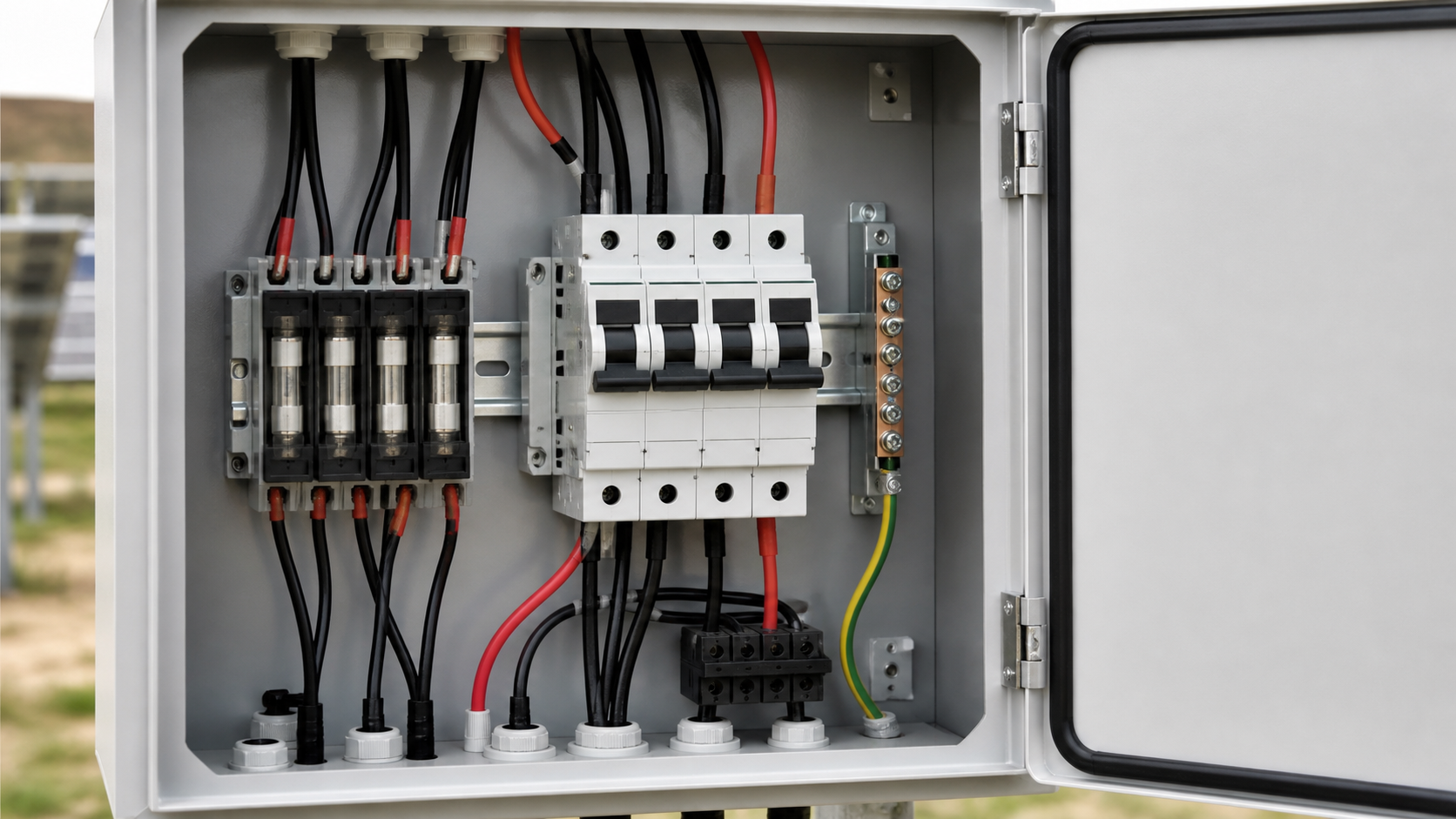
2. Voltage staging and string layout
For a 1000 V DC battery system the device must hold off the full bus and clear a bolted fault within the let-through energy the downstream cable can survive.
- Stage the voltage — size the breaker to the maximum string open-circuit voltage, not the operating voltage.
- Polarity aware — confirm the marking matches the PV + and - bus in the combiner.
- PV string protection — one device per string, coordinated with the inverter input fuse.
3. The IEC 60947-2 DC tests that matter
DC rated breakers are proven to IEC 60947-2 with a stated rated DC voltage and a breaking capacity at that voltage. Look for the DC symbol and the staged test report, not an AC-only mark.
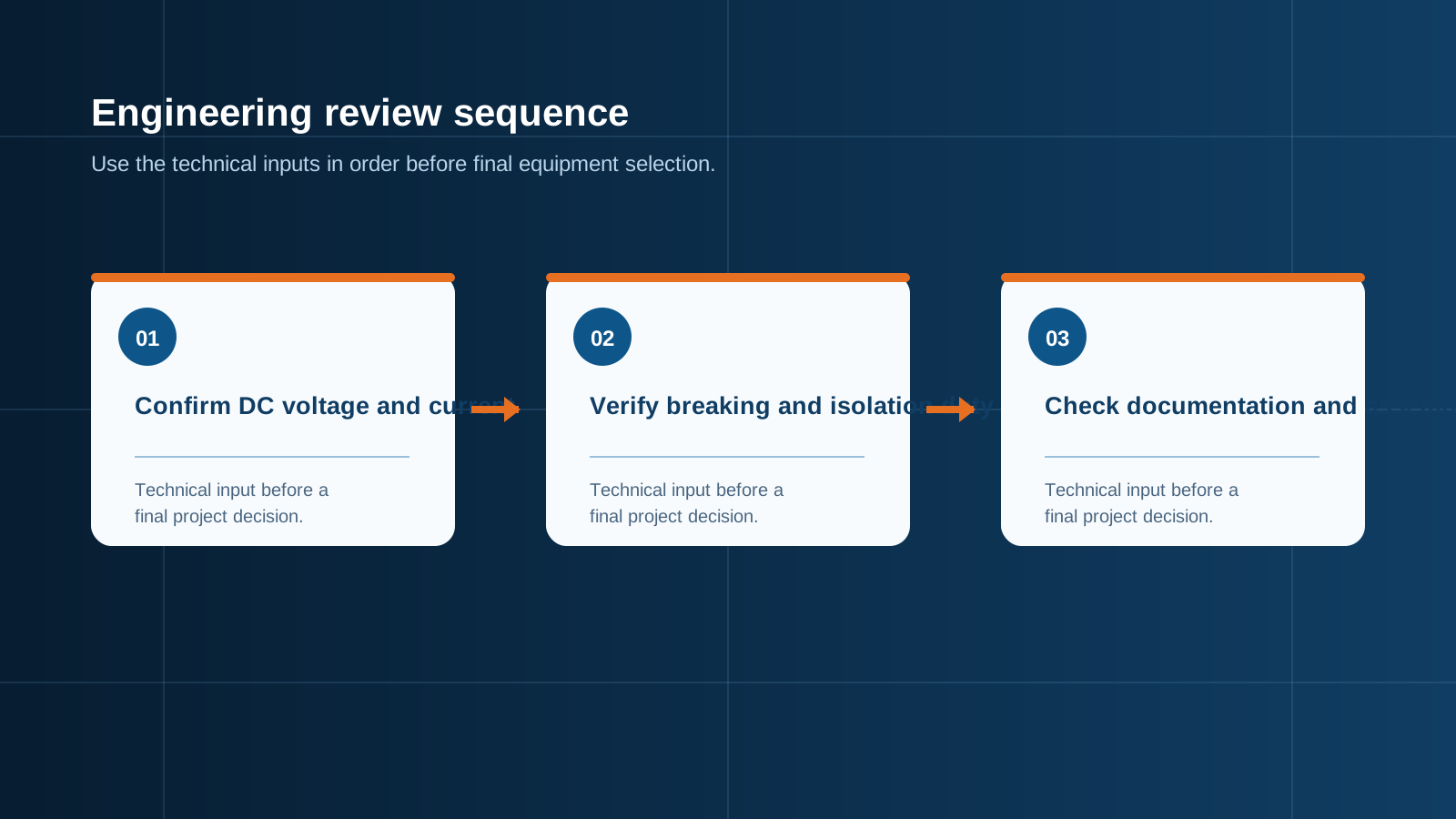
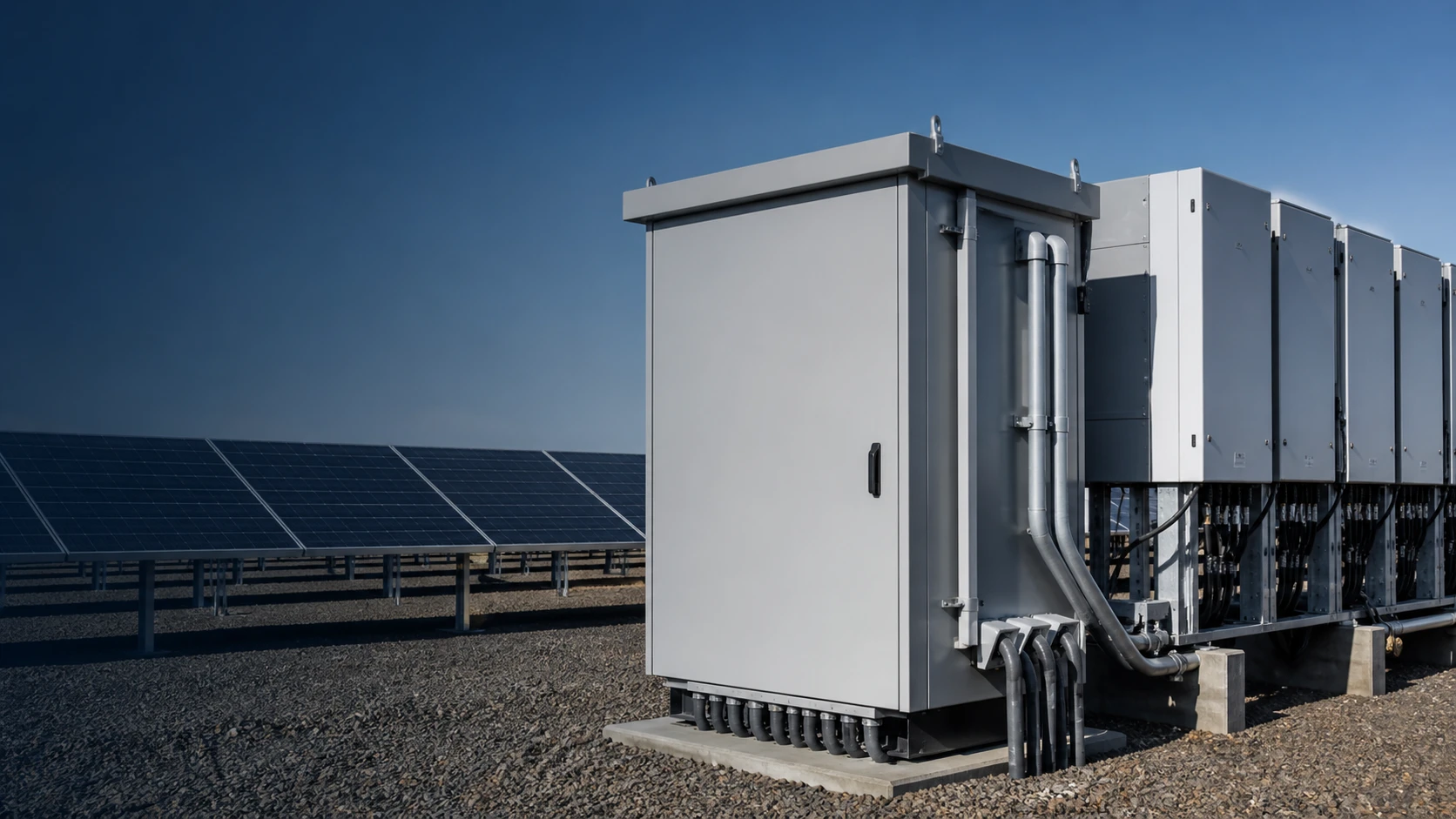
Technical diagram shown at a readable responsive scale.
4. Common procurement mistakes
- Buying an AC MCB for a DC string — silent, then catastrophic, failure.
- Ignoring polarity — mis-wired devices that will not clear.
- Undersizing the staged voltage — nuisance trips under open-circuit swing.
5. Where NEUTRON fits
NEUTRON DC MCBs are tested to IEC 60947-2, polarity marked, and rated up to 1000 V DC for PV combiner and BESS protection. CE and CB certified, IP20 to IP65.
This is general technical guidance, not a substitute for local electrical code, the applicable standard, product datasheets or a qualified engineer's design review. Confirm ratings and final configurations against the actual project.
Bring the project inputs to the first review.
NEUTRON can review the application context, electrical envelope, enclosure conditions and document requirements related to procurement guide for dc & pv circuit breakers before quotation.
Discuss a technical requirementContinue learning
Explore related technical guidance in Solar PV.

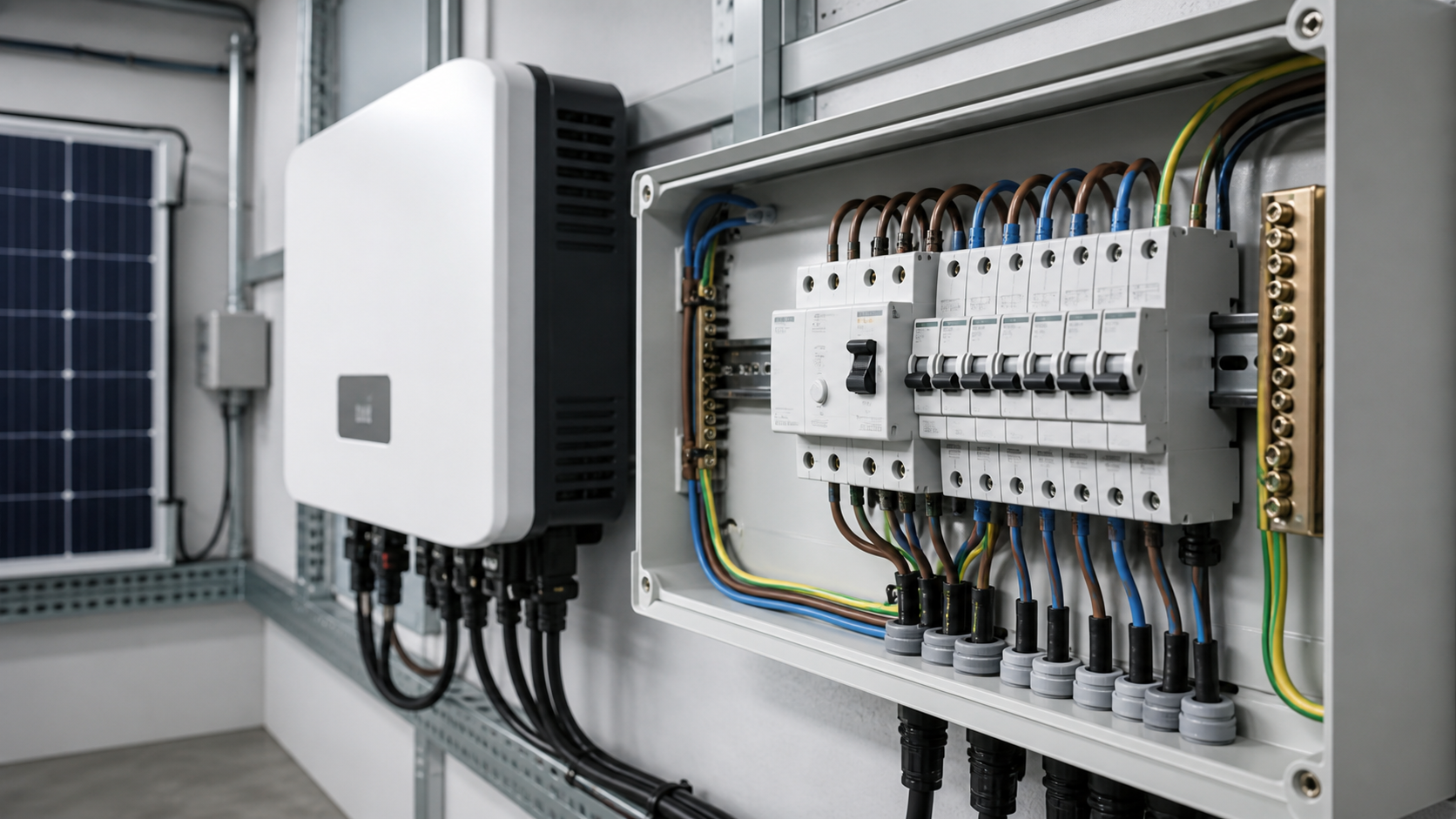
Converted from the approved Period 01 source article for Procurement Guide for DC & PV Circuit Breakers. Editorial instructions, duplicate anchor placeholders and embedded publishing directions were removed; the technical body is retained for educational use.