
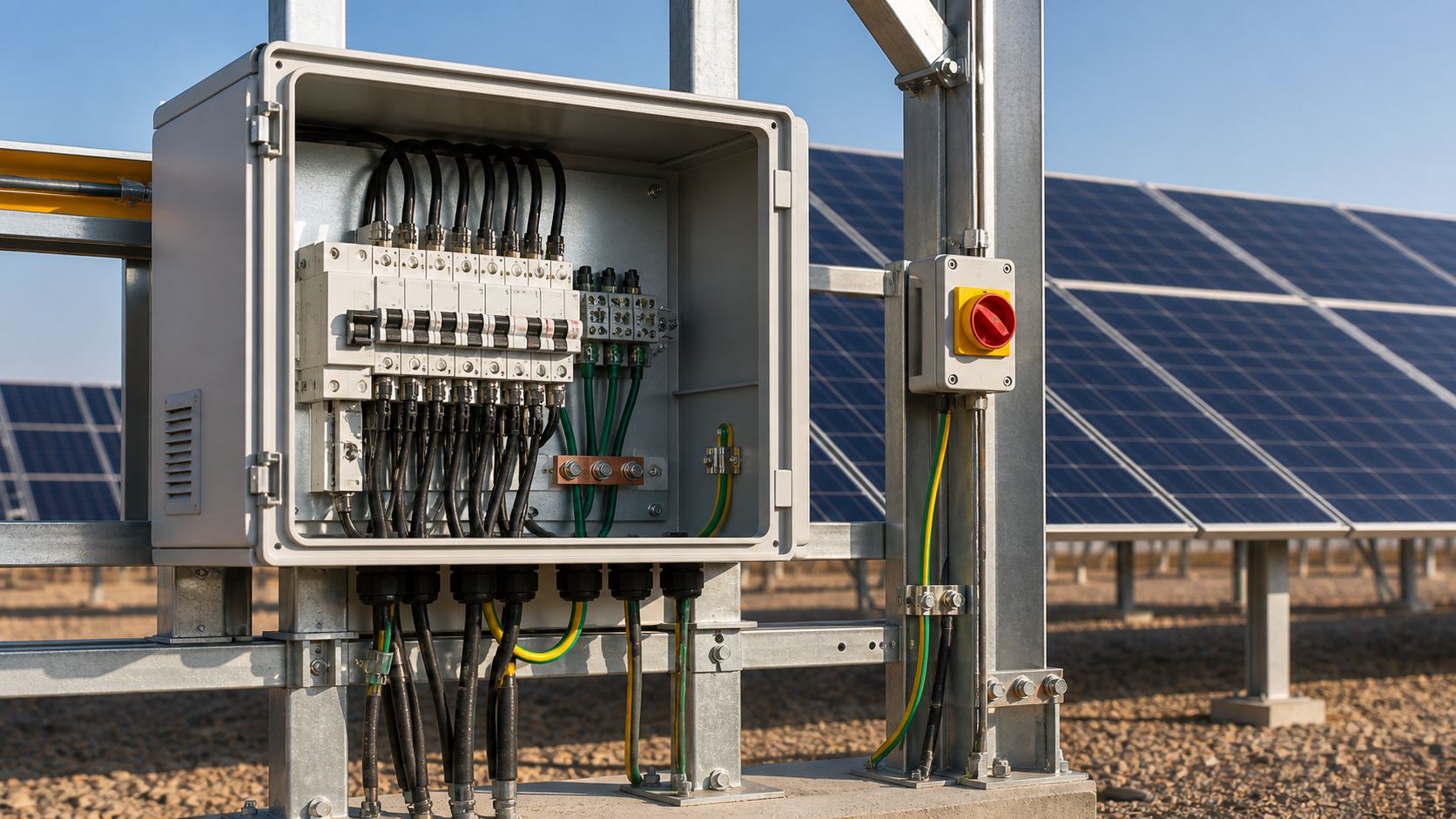
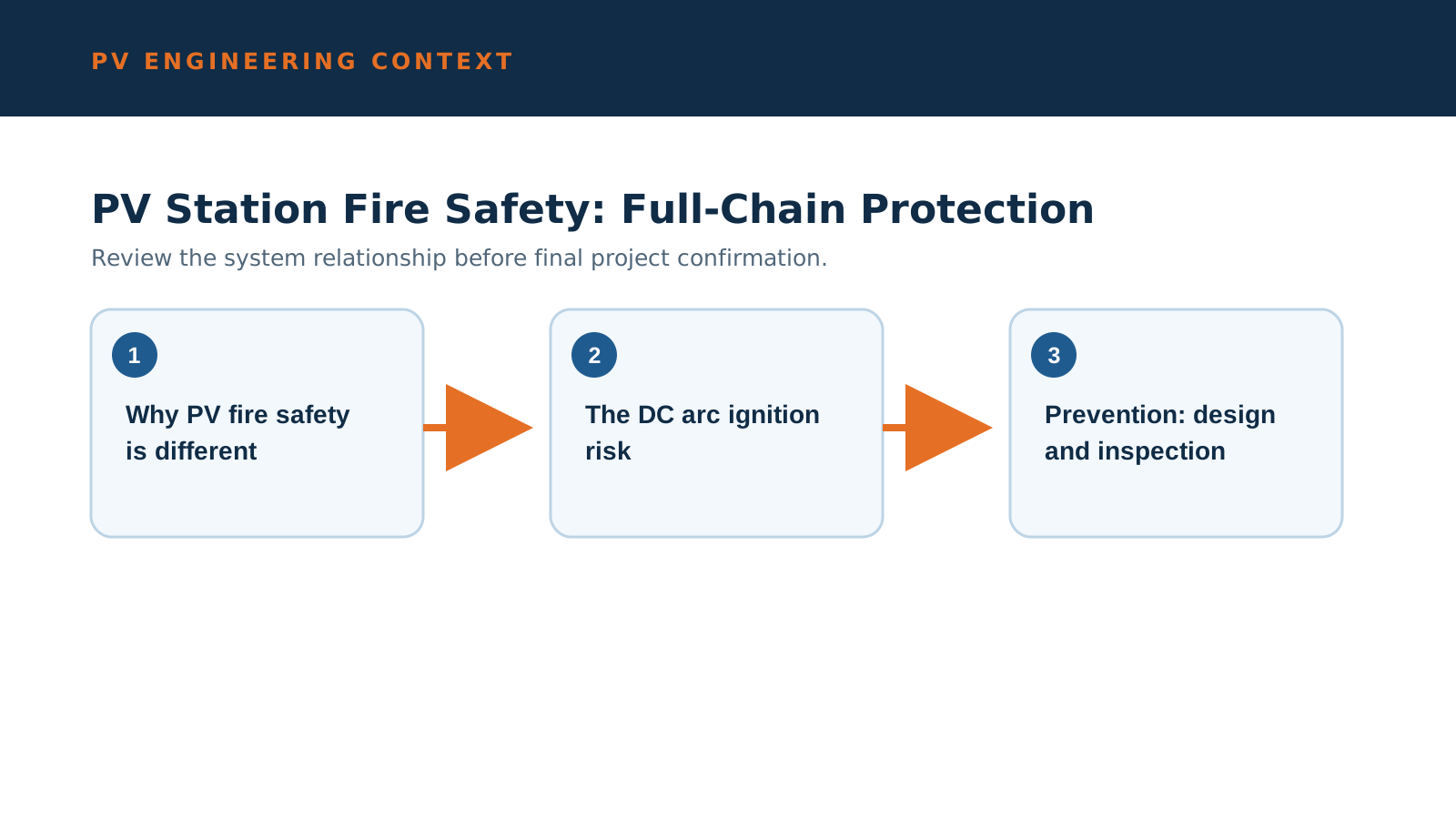
1. Why PV fire safety is different
A PV array keeps supplying DC whenever light is present, so the DC side stays live even after the AC interface is open. That live wiring is the core fire-safety challenge on a roof.
Fire safety for PV must address the DC side directly, not only the building electrical system.
2. The DC arc ignition risk
A sustained DC arc can reach thousands of degrees and ignite nearby material within moments. Unlike AC, DC does not self-extinguish at a zero crossing, so the arc persists while the array feeds it.
Loose connectors, damaged insulation and cracked modules are the usual starting points, often along the long runs of a rooftop array.
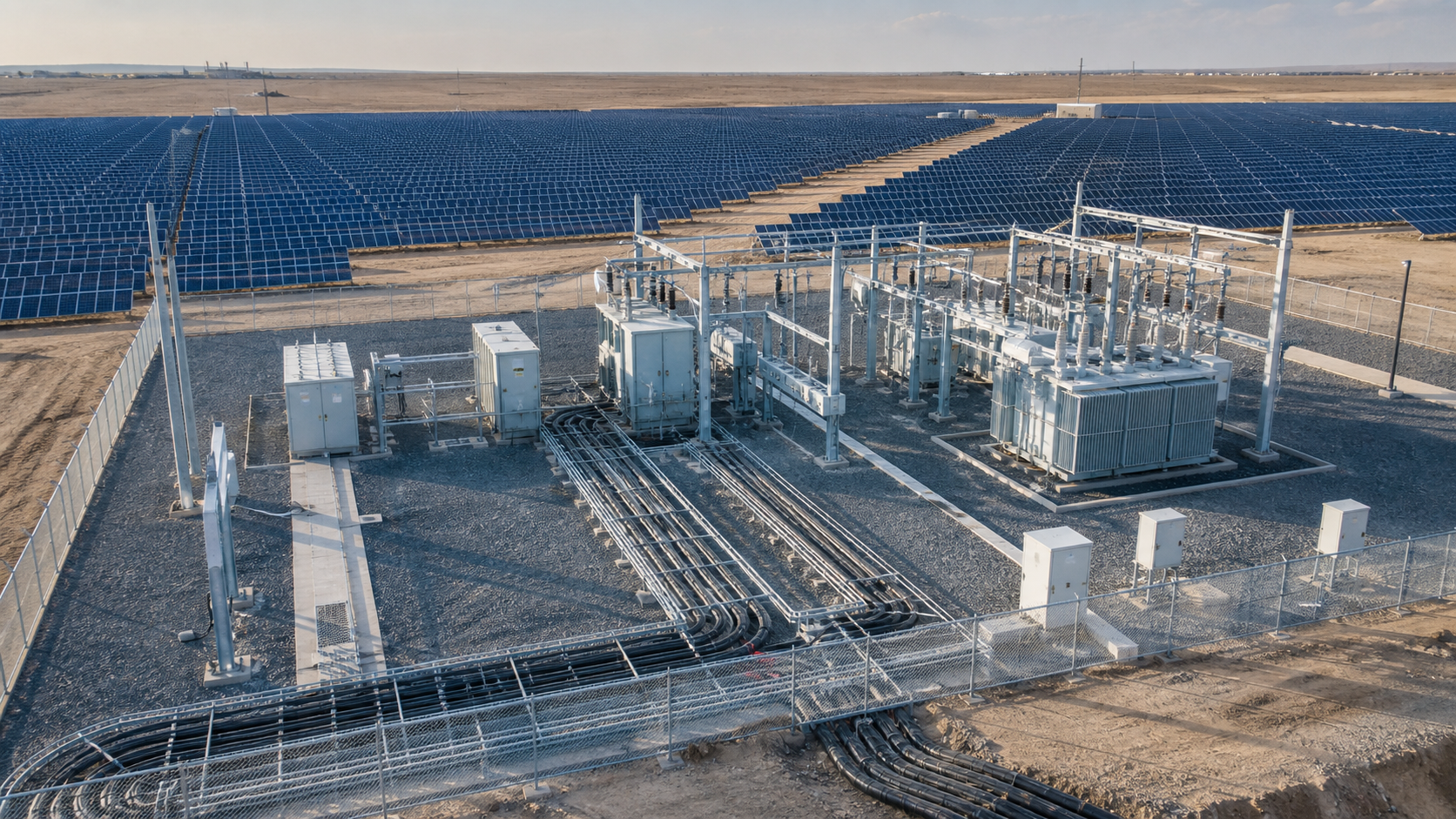
Technical diagram shown at a readable responsive scale.
3. Prevention: design and inspection
Good termination practice, correct torque and verified connectors reduce arc starts. Drone and thermal inspection catch hot spots before they become fires.
A written inspection routine for electrical equipment and clear access for emergency response are the first link in the chain.
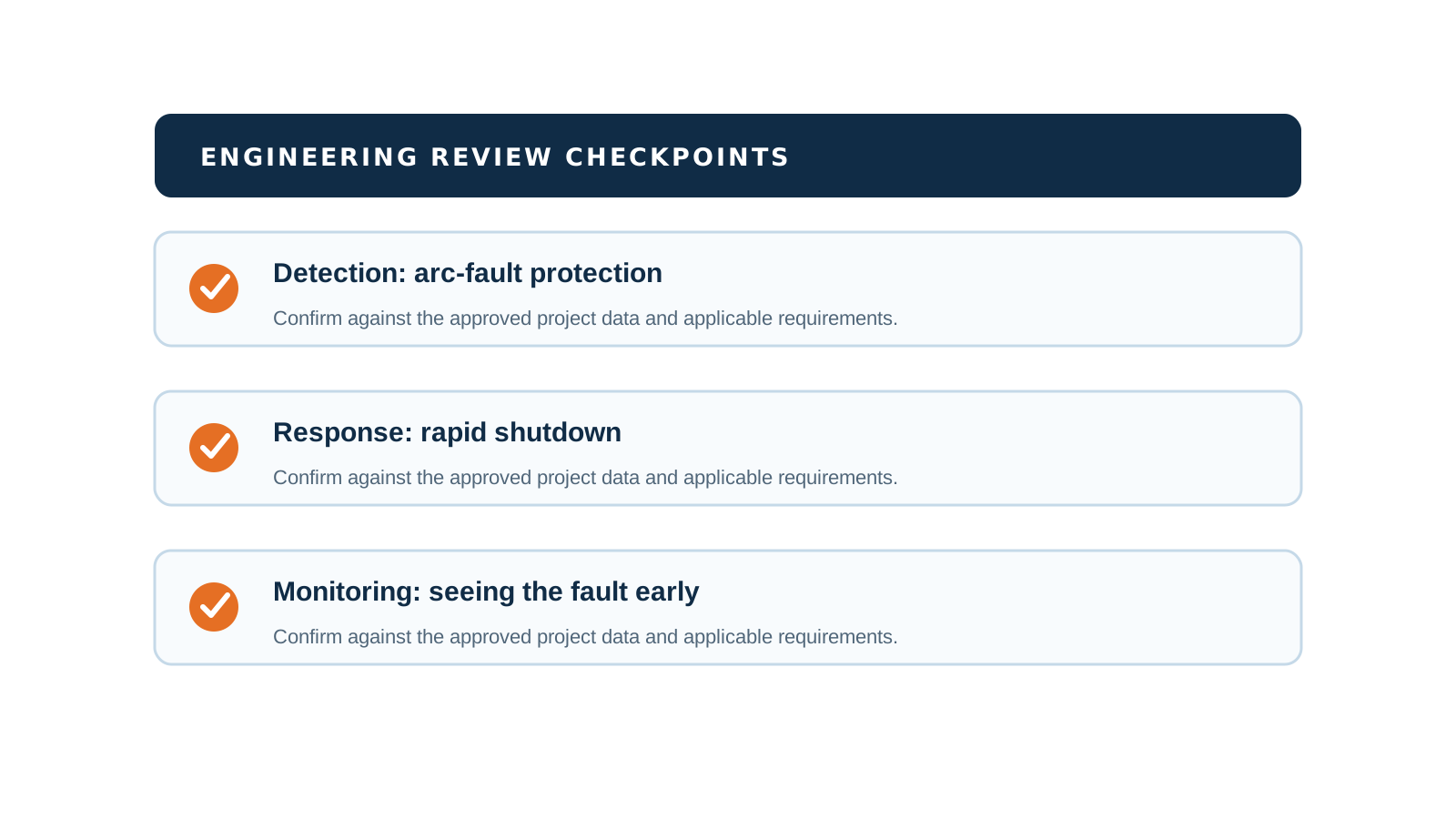
4. Detection: arc-fault protection
Arc-fault detection recognizes the arc signature on the current waveform and opens the circuit before a fire starts. It complements, rather than replaces, isolation and surge protection.
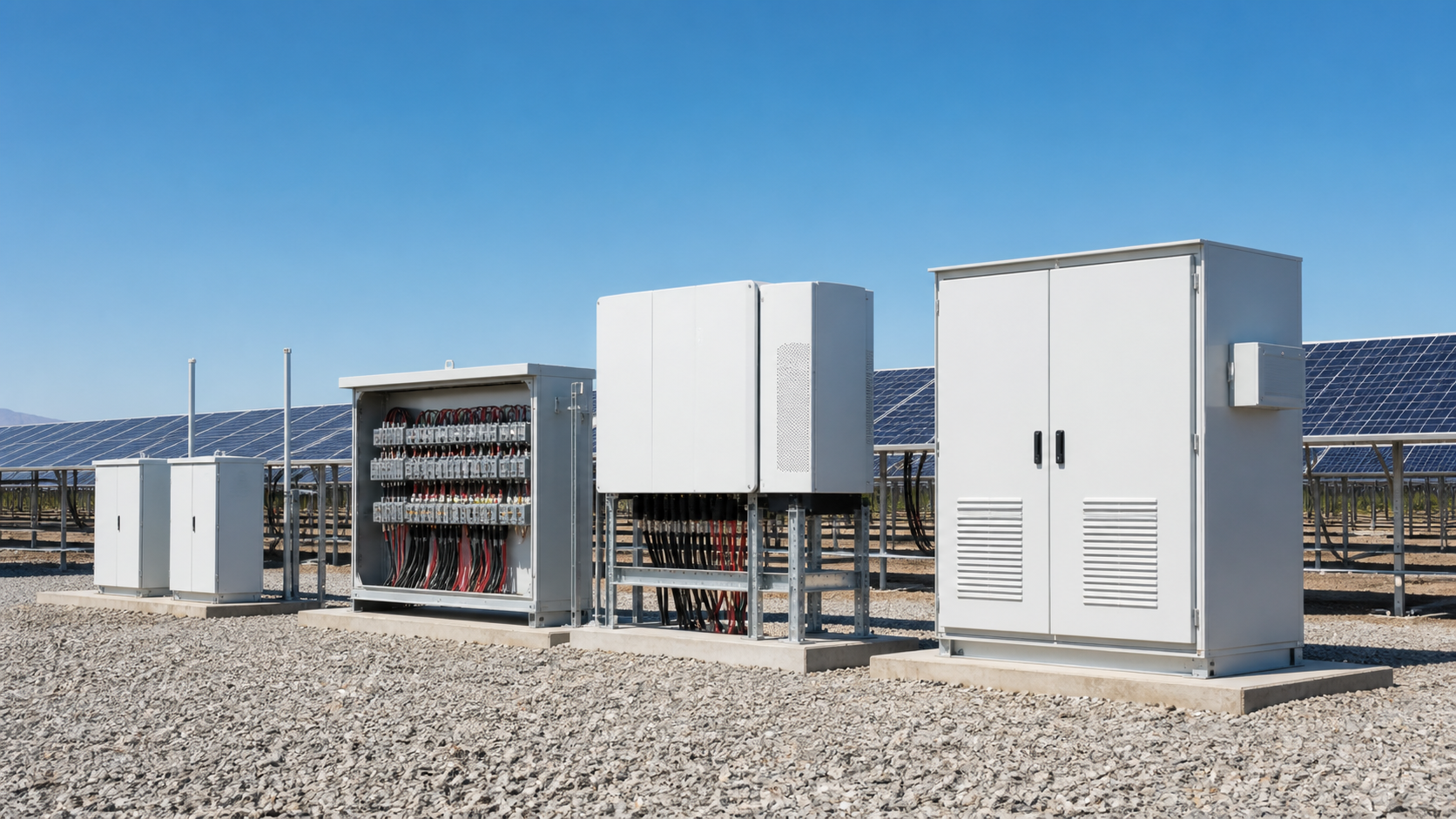
NEUTRON DC control and protection equipment integrates arc detection with isolation and surge protection as one coordinated assembly.
5. Response: rapid shutdown
Rapid shutdown brings array voltage to a safe level near the modules within seconds, so responders are not exposed to live DC during an incident.
Combined with arc detection, it gives the strongest safety posture for a rooftop array.
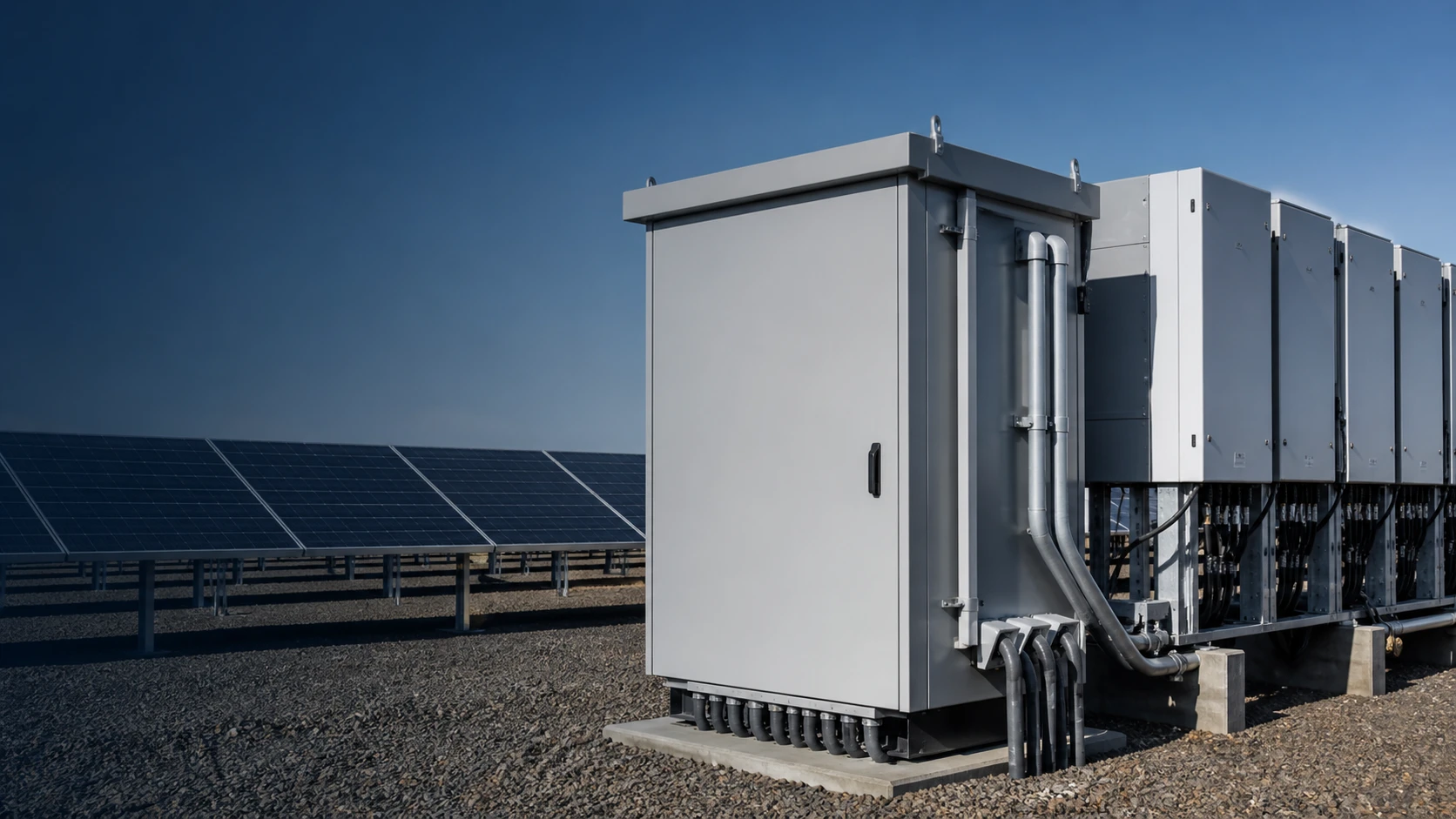
Technical diagram shown at a readable responsive scale.
6. Monitoring: seeing the fault early
Combiner monitoring reports string current, temperature and protection state, so an abnormal condition is seen before it escalates. Early visibility shortens the time a fault persists.
Linking monitoring to protection makes the protective event explainable after the fact.
7. Full-chain means layered
No single device removes the risk. Prevention, detection, response and monitoring together form the chain: each layer covers what the previous one cannot.
Specify them as a system so commissioning and maintenance can verify the whole chain, not isolated boxes.
8. Specification takeaways
Confirm arc detection scope, rapid-shutdown capability, monitoring points and coordination with isolation before release. Document the protection concept for the plant life.
NEUTRON supports the discussion around DC-side fire-safety design for distributed PV.
This guide supports an initial technical review. Final ratings, standards, protection coordination, monitoring interfaces and configuration must be confirmed for the actual project requirement.
Frequently asked questions
Why is PV a fire-safety priority?
The array keeps supplying DC while light is present, leaving the DC side live after the AC interface is open, so the wiring itself is a persistent ignition risk.
What is the main ignition cause?
Sustained DC arcs from loose connectors, damaged insulation or cracked modules, often along the long DC runs of a rooftop array.
How do protection layers work together?
Prevention and inspection reduce starts; arc detection stops the arc; rapid shutdown removes voltage; monitoring reveals faults early. Each covers what the last cannot.
Where does combiner monitoring help?
It reports string current, temperature and protection state so an abnormal condition is seen and explained before it escalates into a fire.
Bring the project inputs together
Use the technical inputs in this guide to prepare a clear project discussion.
Discuss a projectContinue learning
Explore related technical guidance in Solar PV.
Technical note: final ratings, standards, protection coordination, monitoring interfaces and configurations remain subject to the agreed project requirement.