
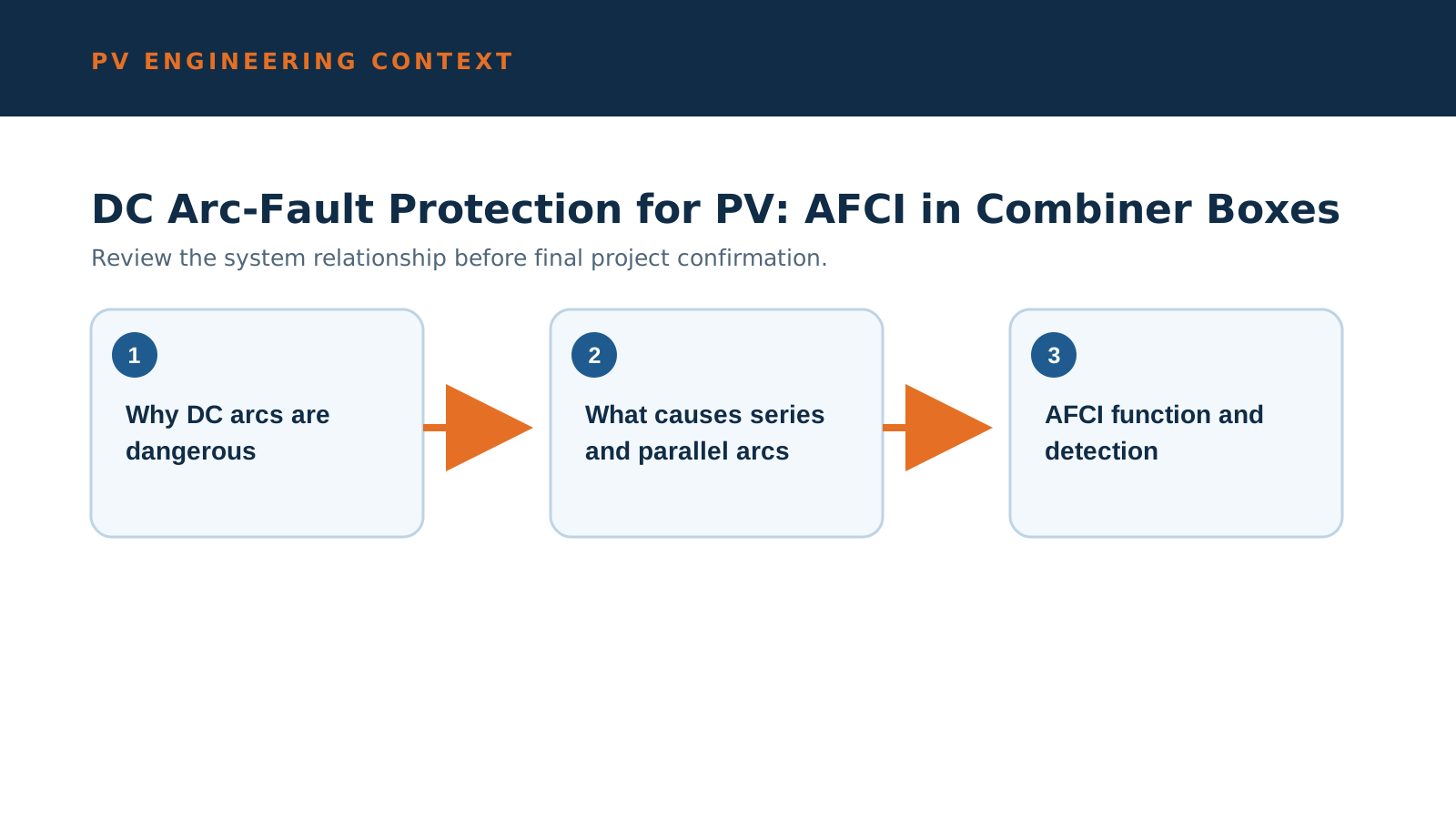
1. Why DC arcs are dangerous
A DC arc in a PV system can reach thousands of degrees and ignite surrounding material within moments. Unlike AC, a DC arc does not self-extinguish at a zero crossing, so it can sustain as long as the array keeps supplying current.
Because the array is a continuous supply whenever light is present, an undetected arc is a persistent ignition risk.
2. What causes series and parallel arcs
Series arcs form along a single conductor through a loose connection, damaged insulation or a cracked module. Parallel arcs jump between conductors at a fault point.
Both are common where connectors are repeatedly mated, where vibration loosens terminations, or where insulation ages under heat and UV.
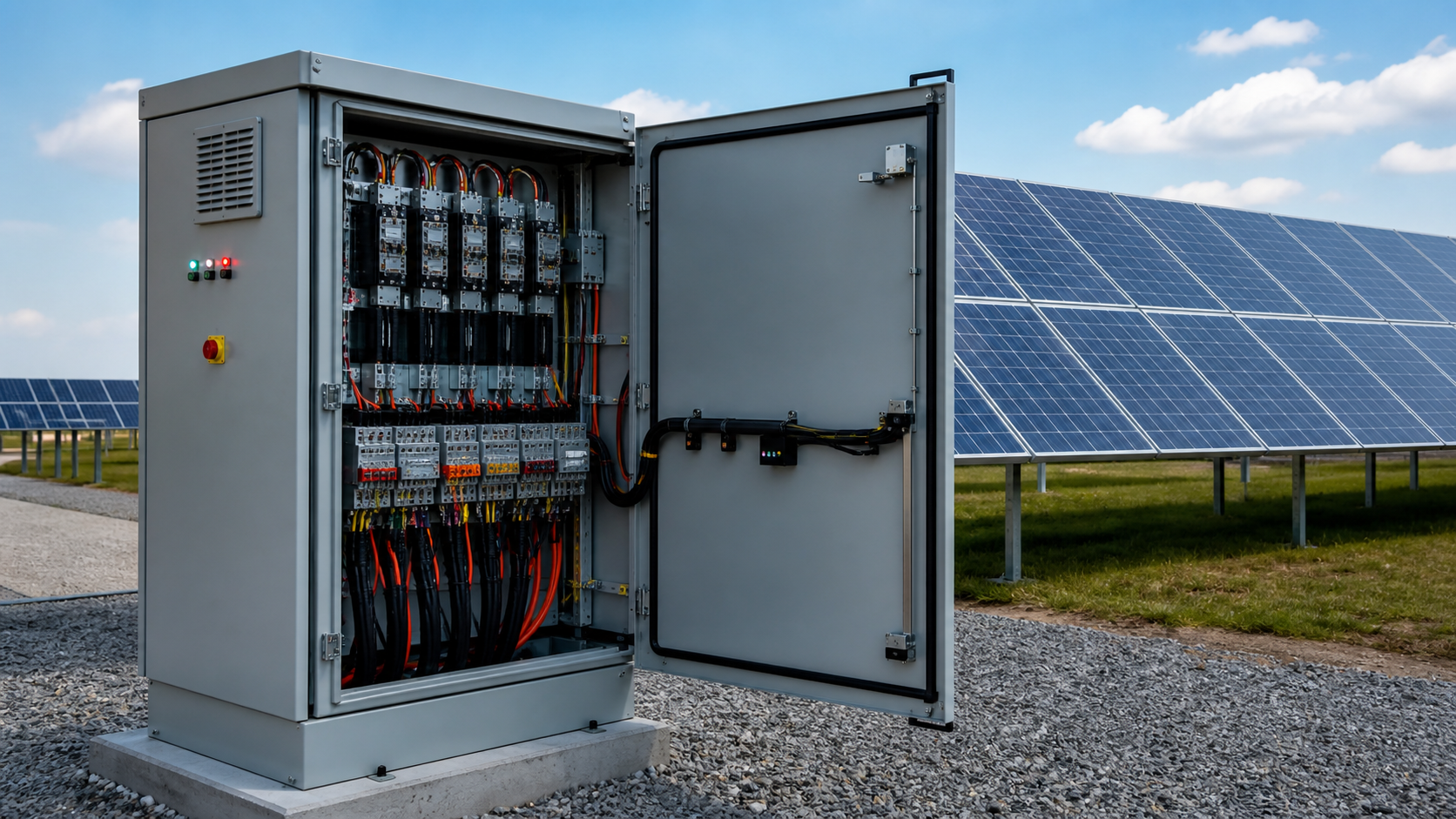
Technical diagram shown at a readable responsive scale.
3. AFCI function and detection
Arc-fault circuit interruption detects the characteristic signature of an arc and opens the circuit before the fault escalates. Detection runs on the current waveform rather than on simple overcurrent.
A well-designed AFCI distinguishes a real arc from normal switching noise, reducing nuisance trips while still catching dangerous faults.
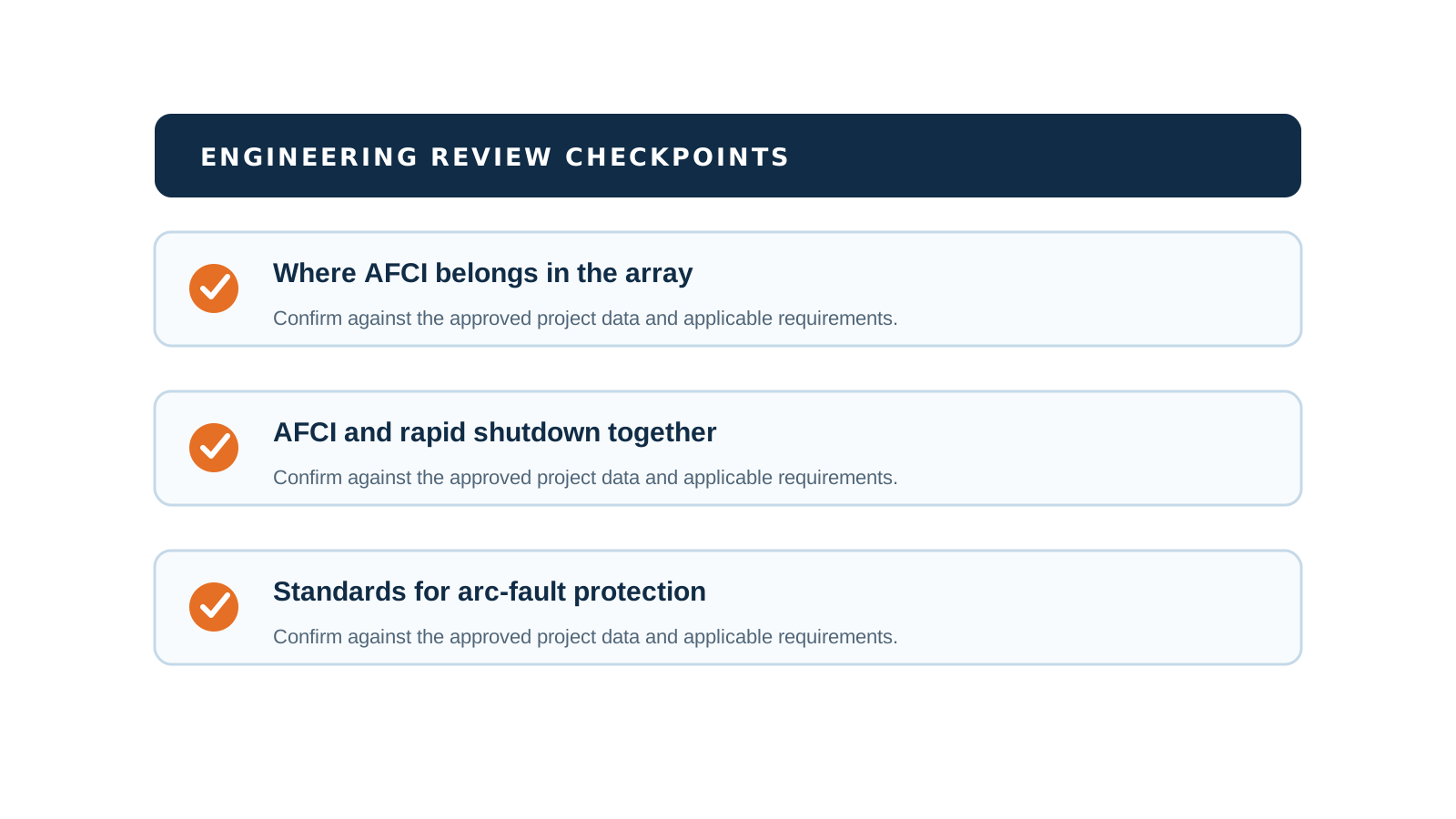
4. Where AFCI belongs in the array
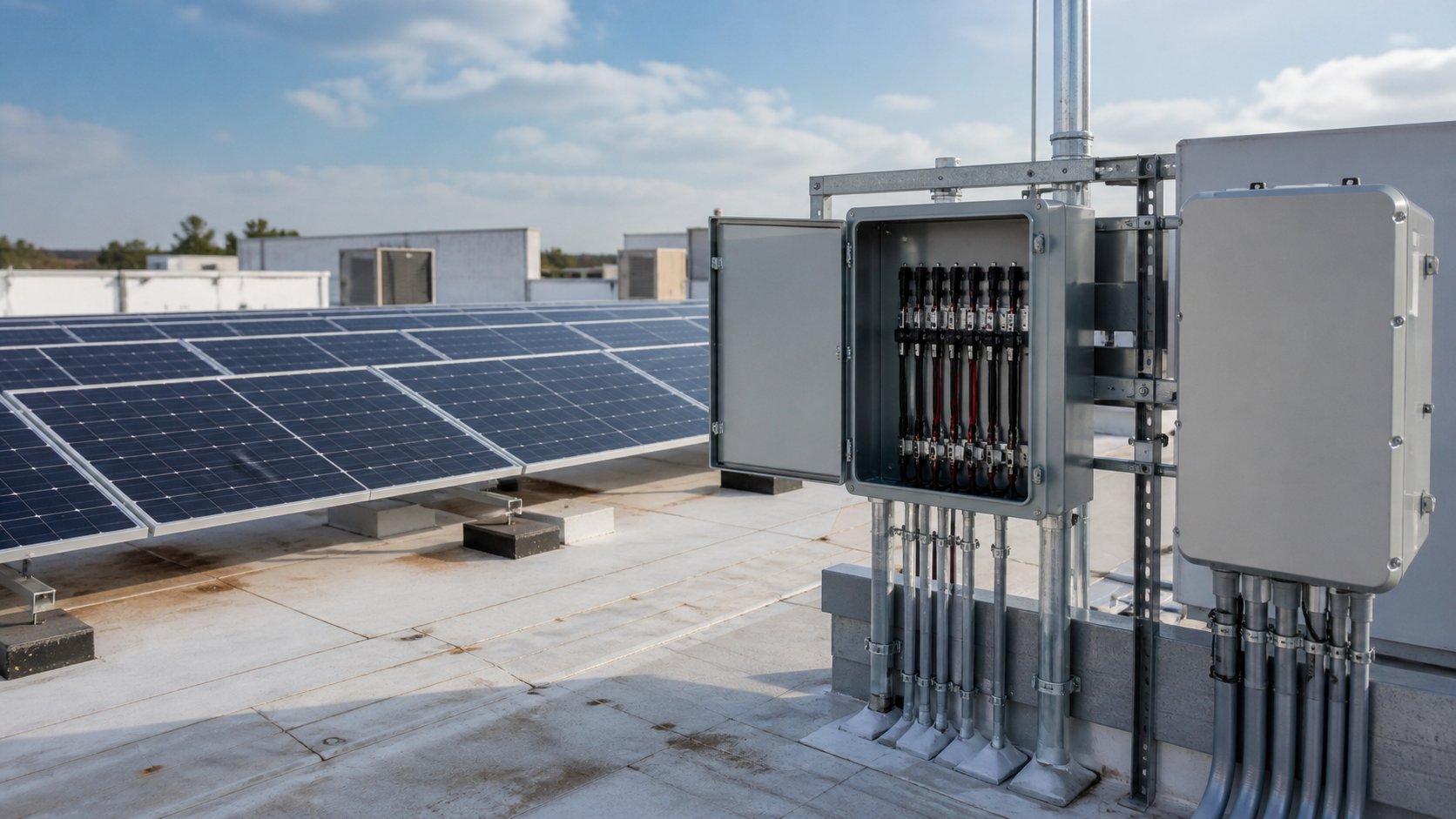
Protection can sit at the module level, at the string level, or at the combiner. The closer to the fault, the faster the response and the smaller the de-energized zone.
For distributed roofs, module or string level detection gives the best coverage of the long DC runs that dominate fire risk.
5. AFCI and rapid shutdown together
Rapid shutdown removes voltage after activation; arc-fault protection actively stops the arc that causes the fire in the first place. The two functions are complementary, not competing.
A combiner architecture that supports both gives the strongest safety posture for a rooftop array.
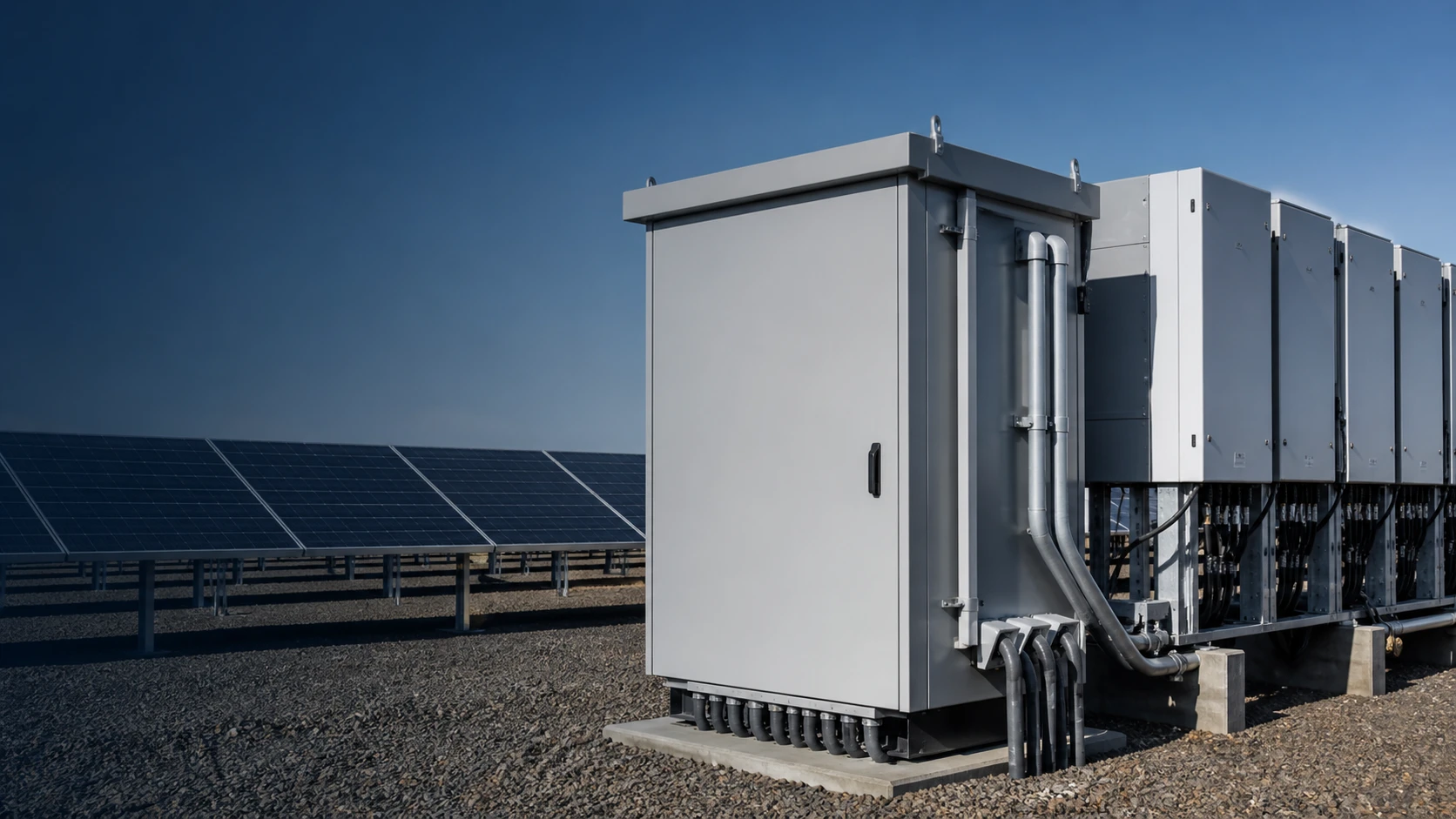
Technical diagram shown at a readable responsive scale.
6. Standards for arc-fault protection
Product and system requirements for PV arc detection are established in standards referenced alongside the rapid shutdown and DC protection rules. Listed AFCI equipment is the practical compliance route.
Specifiers should confirm the declared standard and the detection scope (series, parallel, or both) before release.
7. Combiner box integration
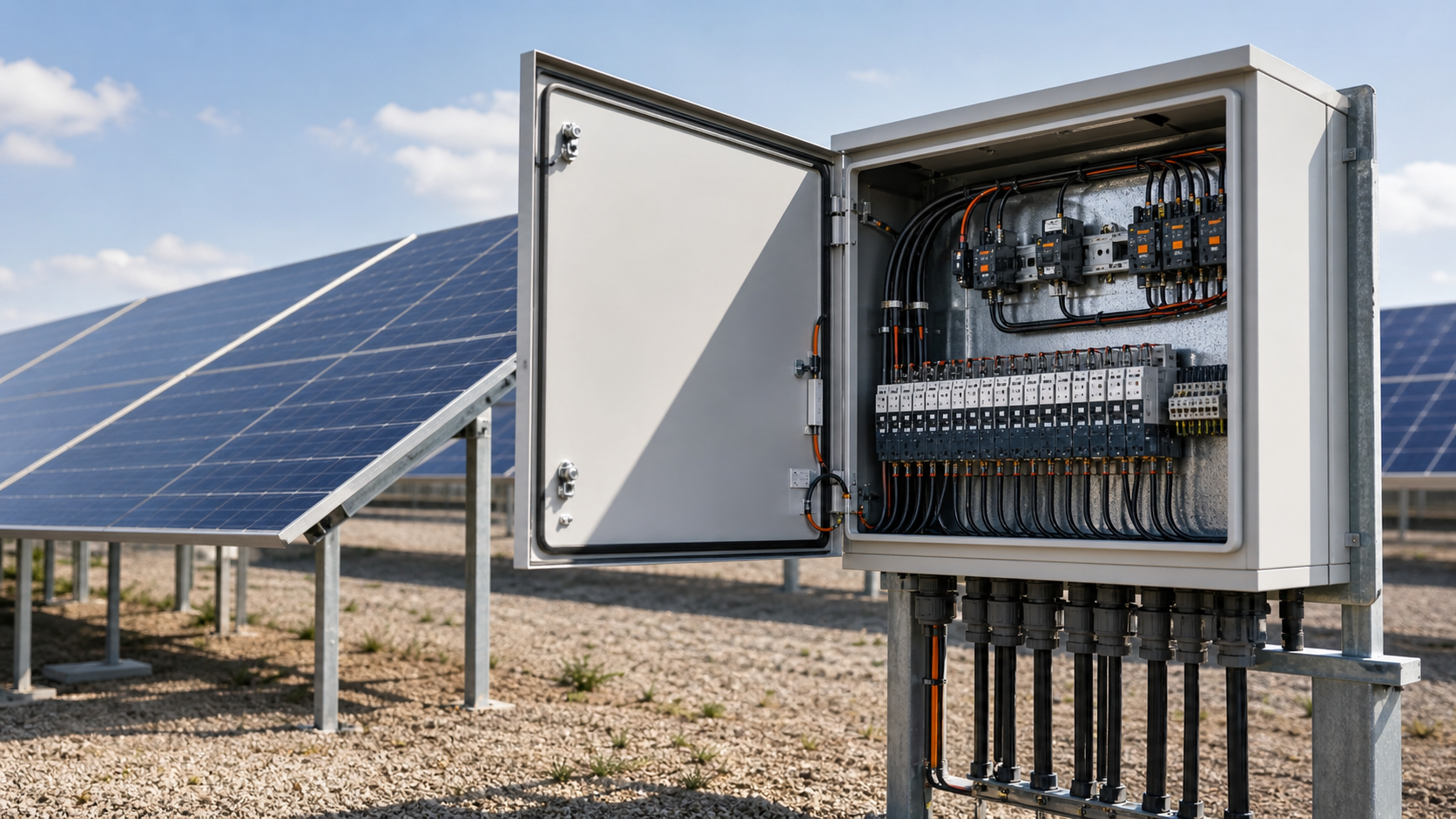
Integrating arc detection at the combiner keeps the protection point where strings are already collected, fused and isolated. It also concentrates monitoring at a single accessible node.
NEUTRON DC control and protection equipment is designed so arc detection, isolation and surge protection work as one coordinated assembly.
8. Specification checklist
Confirm the arc types detected, the trip time, the rated system voltage, the environmental class, and the coordination with the combiner disconnect and surge protection.
Document the protection concept so commissioning and maintenance can verify it over the system life.
This guide supports an initial technical review. Final ratings, standards, protection coordination, monitoring interfaces and configuration must be confirmed for the actual project requirement.
Frequently asked questions
What is DC arc-fault protection?
It is detection and interruption of dangerous arcs in the PV DC wiring, usually by recognizing the arc signature on the current waveform and opening the circuit before a fire starts.
Where do PV arcs usually start?
Most start at connectors and terminations through loose contacts, damaged insulation or cracked modules, and along the long DC runs typical of rooftop arrays.
Is AFCI required by code?
Requirements vary by region and by edition of the applicable electrical rule; where mandated, listed AFCI equipment is the compliance route. Even where optional, it is strongly recommended for roofs.
How does AFCI integrate with the combiner box?
Arc detection can be built into the combiner where strings are already collected, fused and isolated, so protection, isolation and surge protection operate as one coordinated assembly.
Bring the project inputs together
Use the technical inputs in this guide to prepare a clear project discussion.
Discuss a projectContinue learning
Explore related technical guidance in Solar PV.
Technical note: final ratings, standards, protection coordination, monitoring interfaces and configurations remain subject to the agreed project requirement.