

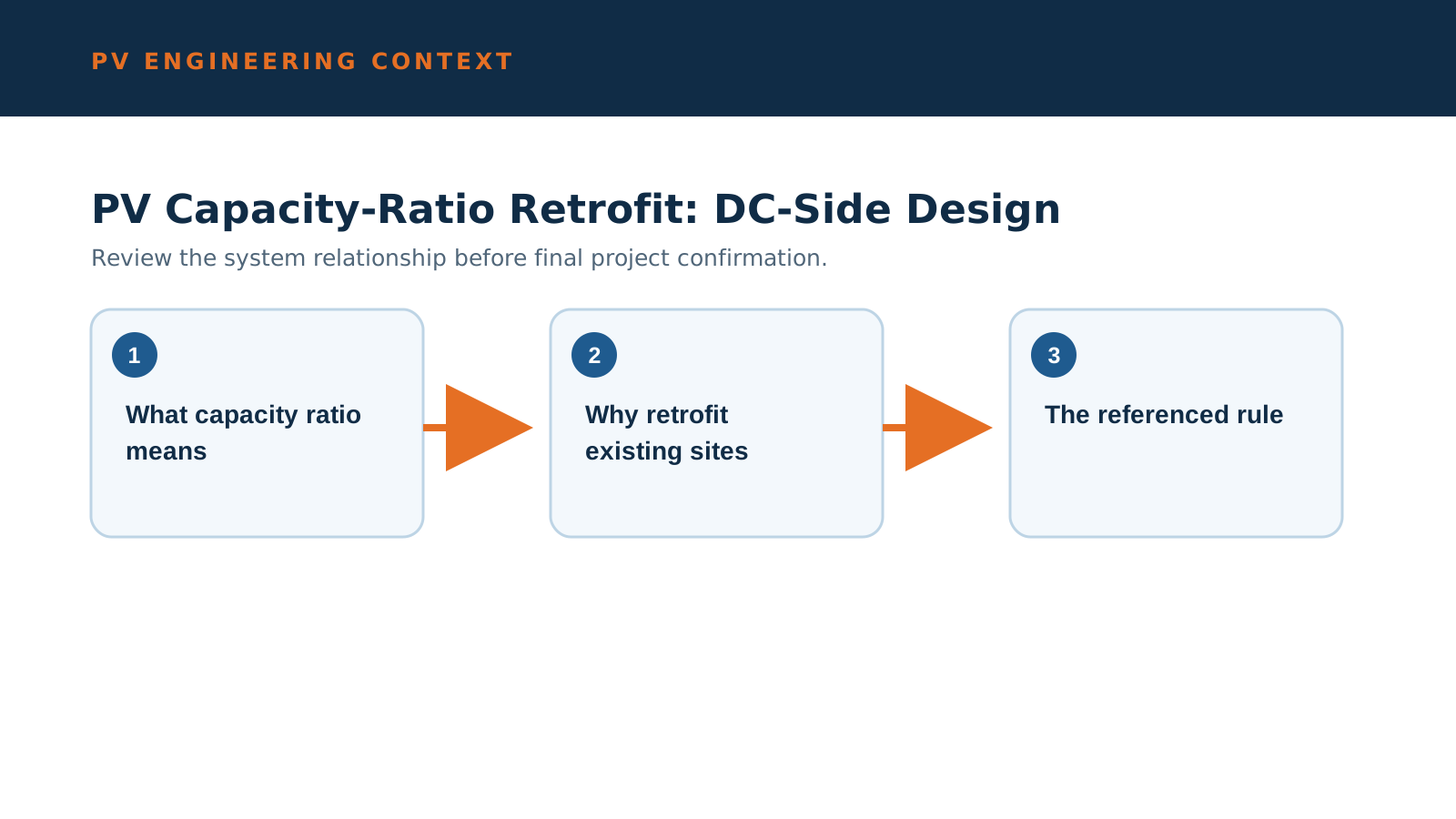
1. What capacity ratio means
Capacity ratio is the DC nameplate divided by the AC connection capacity. A ratio above one means the array can deliver more DC than the grid link carries at peak.
Choosing it well trades a little clipped energy for lower system cost and higher annual yield.
2. Why retrofit existing sites
Good land and grid access are scarce, while many older sites have idle space between arrays. Raising the ratio uses that space and the existing grid link without new transmission.
Done within the referenced effectiveness code, it lowers levelized cost and lifts total generation.
Technical diagram shown at a readable responsive scale.
3. The referenced rule
The applicable effectiveness specification lets projects choose a ratio through technical and economic comparison of location, conditions and cost. The choice is a design decision, not a subsidy trick.
Higher ratio raises annual energy without raising the lifetime subsidy where合理利用小时 limits apply.
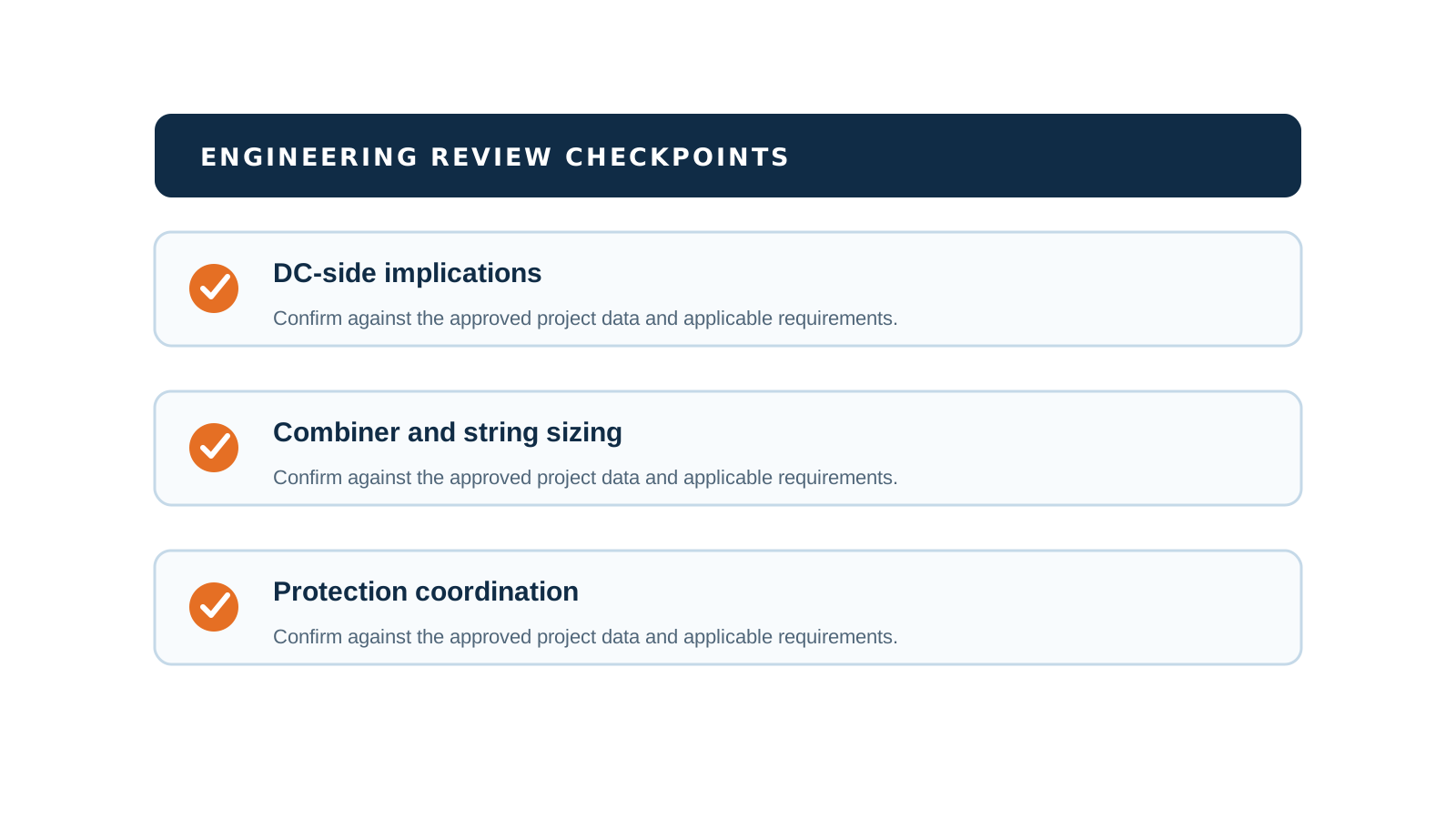
4. DC-side implications
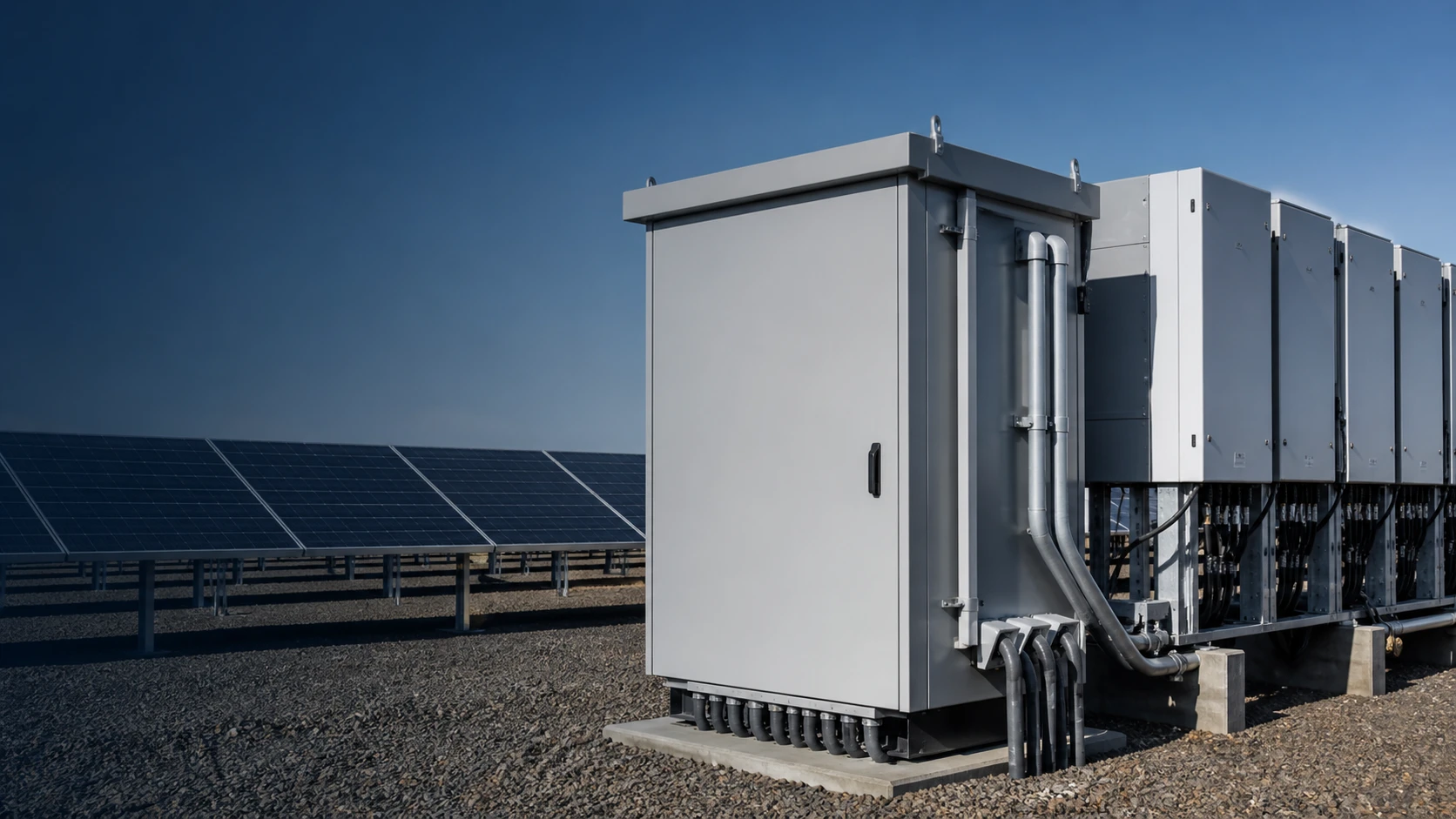
More DC means more strings into the same combiner and a higher combined current at the box. The combiner, fuses and disconnect must be sized for the new peak, not the old one.
NEUTRON combiner equipment is specified so string collection, fusing and isolation scale with the chosen ratio.
5. Combiner and string sizing
Confirm the number of strings per combiner, the fuse rating and the conductor size for the raised current. Overbuild at the DC side is cheap compared with under-sizing protection.
Keep the isolation and surge protection coordinated with the higher combined current.
Technical diagram shown at a readable responsive scale.
6. Protection coordination
With more strings, a fault can draw from a larger array, so overcurrent settings and disconnect ratings matter more. Coordinate the combiner with the grid-tie interface as one chain.
NEUTRON DC control and protection equipment is built so isolation, fusing and surge protection act together.
7. Monitoring the extra capacity
Added strings deserve the same per-string measurement as the original plant, so a weak new string is seen early. Monitoring protects the return on the retrofit.
A combiner with measurement shortens fault location across the expanded array.
8. Specification takeaways
Size the combiner, fuses and disconnect for the new DC peak; confirm protection coordination and monitoring points; document the ratio choice. Confirm the referenced specification before release.
NEUTRON supports the discussion around DC-side design for capacity-ratio retrofits.
This guide supports an initial technical review. Final ratings, standards, protection coordination, monitoring interfaces and configuration must be confirmed for the actual project requirement.
Frequently asked questions
What is PV capacity ratio?
The DC nameplate divided by the AC connection capacity; above one, the array can supply more DC than the grid link carries at peak.
Why raise the ratio on old sites?
It uses idle land and the existing grid link without new transmission, lowering cost and raising annual generation within the effectiveness code.
How does it change combiner design?
More strings raise combined current at the box, so the combiner, fuses and disconnect must be sized for the new peak with coordinated protection.
What rule applies to the choice?
The applicable photovoltaic system effectiveness specification, which lets the ratio be chosen through technical and economic comparison of site conditions.
Bring the project inputs together
Use the technical inputs in this guide to prepare a clear project discussion.
Discuss a projectContinue learning
Explore related technical guidance in Solar PV.


Technical note: final ratings, standards, protection coordination, monitoring interfaces and configurations remain subject to the agreed project requirement.