
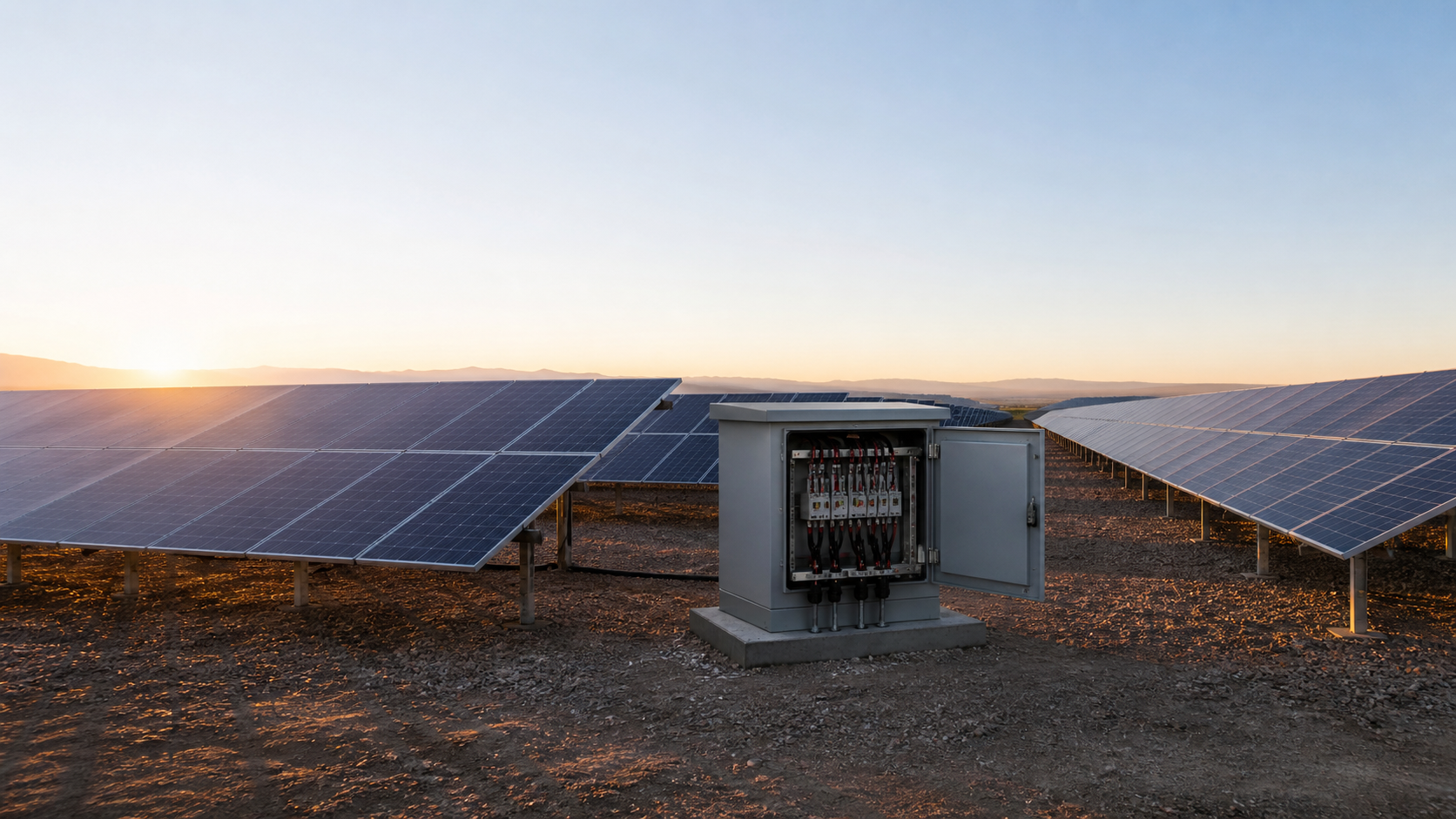
1. Design for the extremes, not the nameplate
PV array design starts from the principle that equipment must survive the worst case, not the datasheet average. The two extremes are the coldest-site voltage and the hottest-site current, both derived from module temperature coefficients.
2. Temperature-adjusted voltage
Using the temperature coefficient of Voc, the open-circuit voltage is calculated at the coldest expected ambient. That value must stay below the absolute maximum of the combiner box, DC disconnect and SPD.

3. Temperature-adjusted current
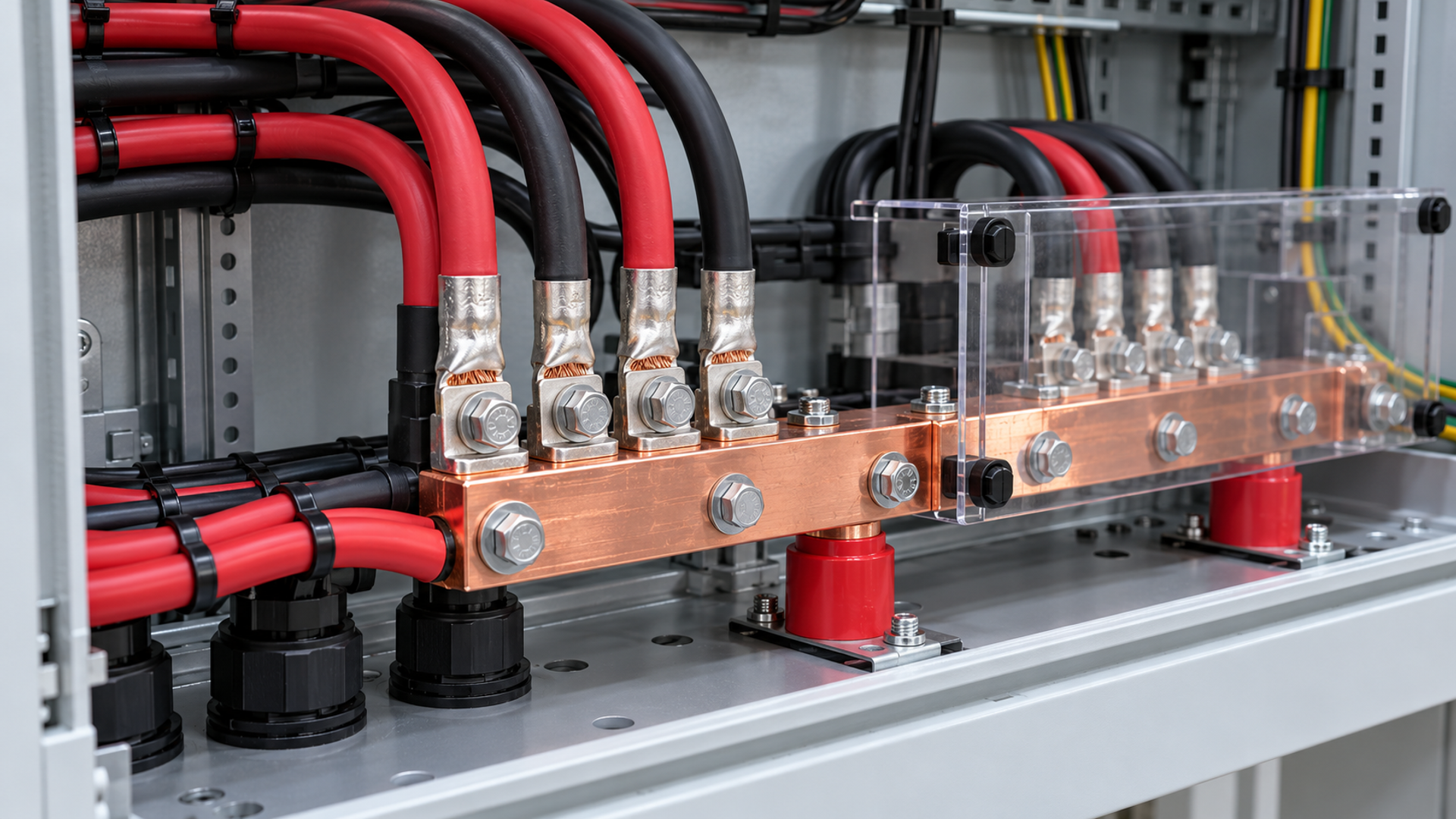
Using the small positive coefficient of Isc plus any bifacial gain, the short-circuit current is calculated at the hottest expected condition. That peak sizes the string fuse and the busbar.
4. The standards behind the method
IEC 62548 (photovoltaic array design) and NEC 690.7 (PV systems) both require these temperature-adjusted calculations. They are the same methodology used by professional design software, applied here with a simple interface.
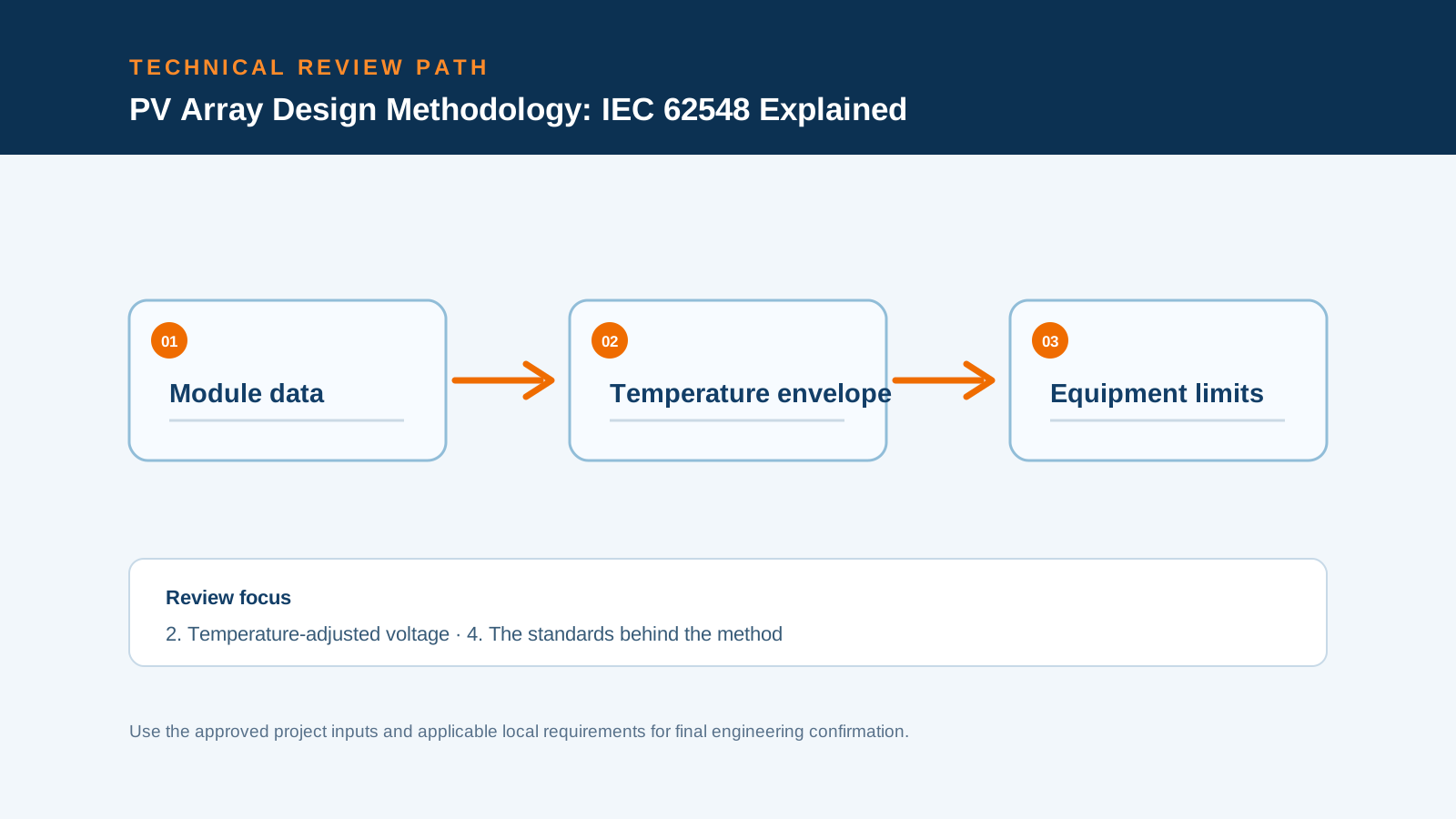
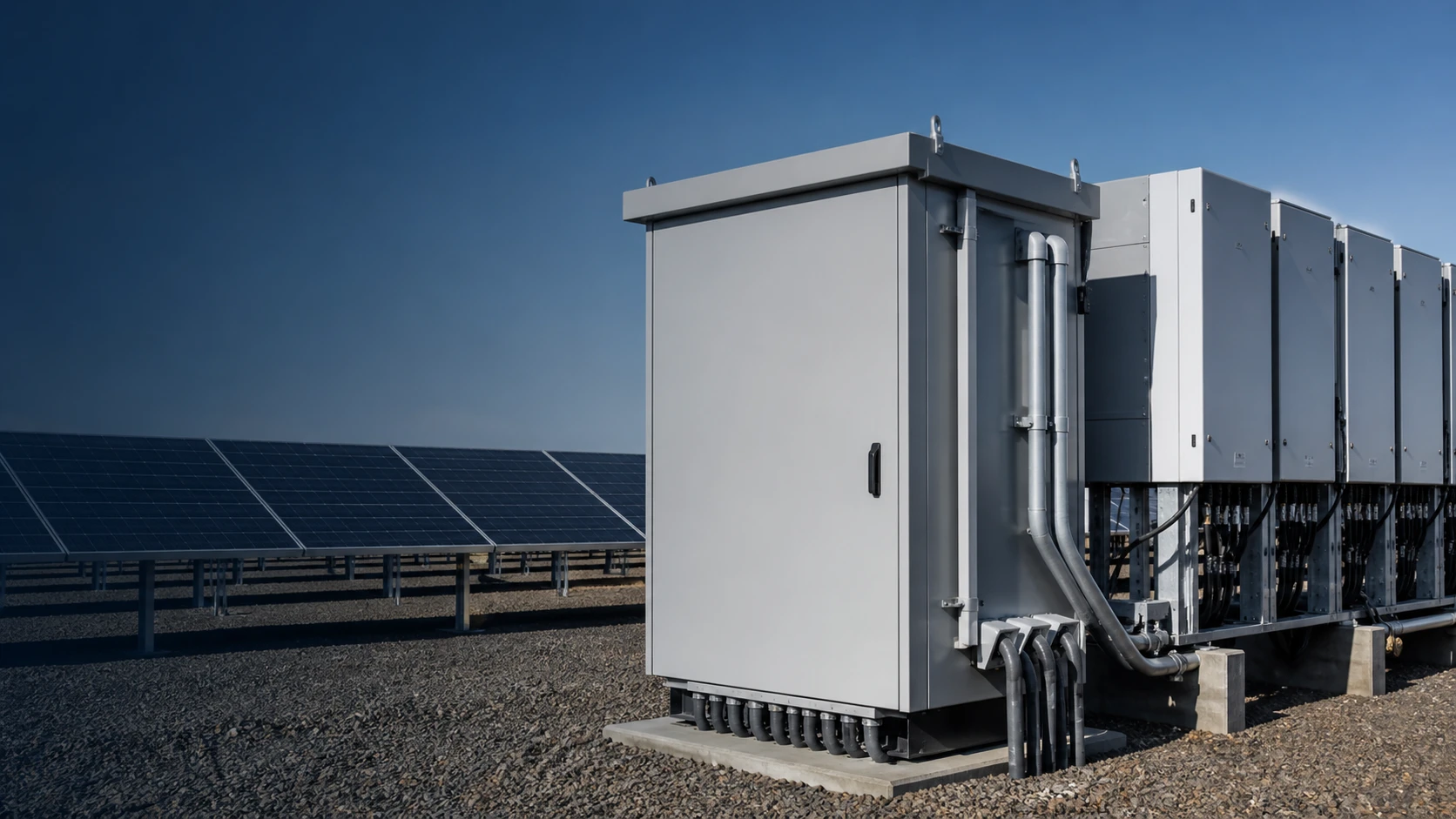
Technical diagram shown at a readable responsive scale.
5. From checks to components
The method produces a set of limits: maximum DC voltage, MPPT or working window, current capacity, insulation class and fuse requirement. Those limits are what select the combiner box, cable, SPD and disconnect.
6. Why it matters for the BOS
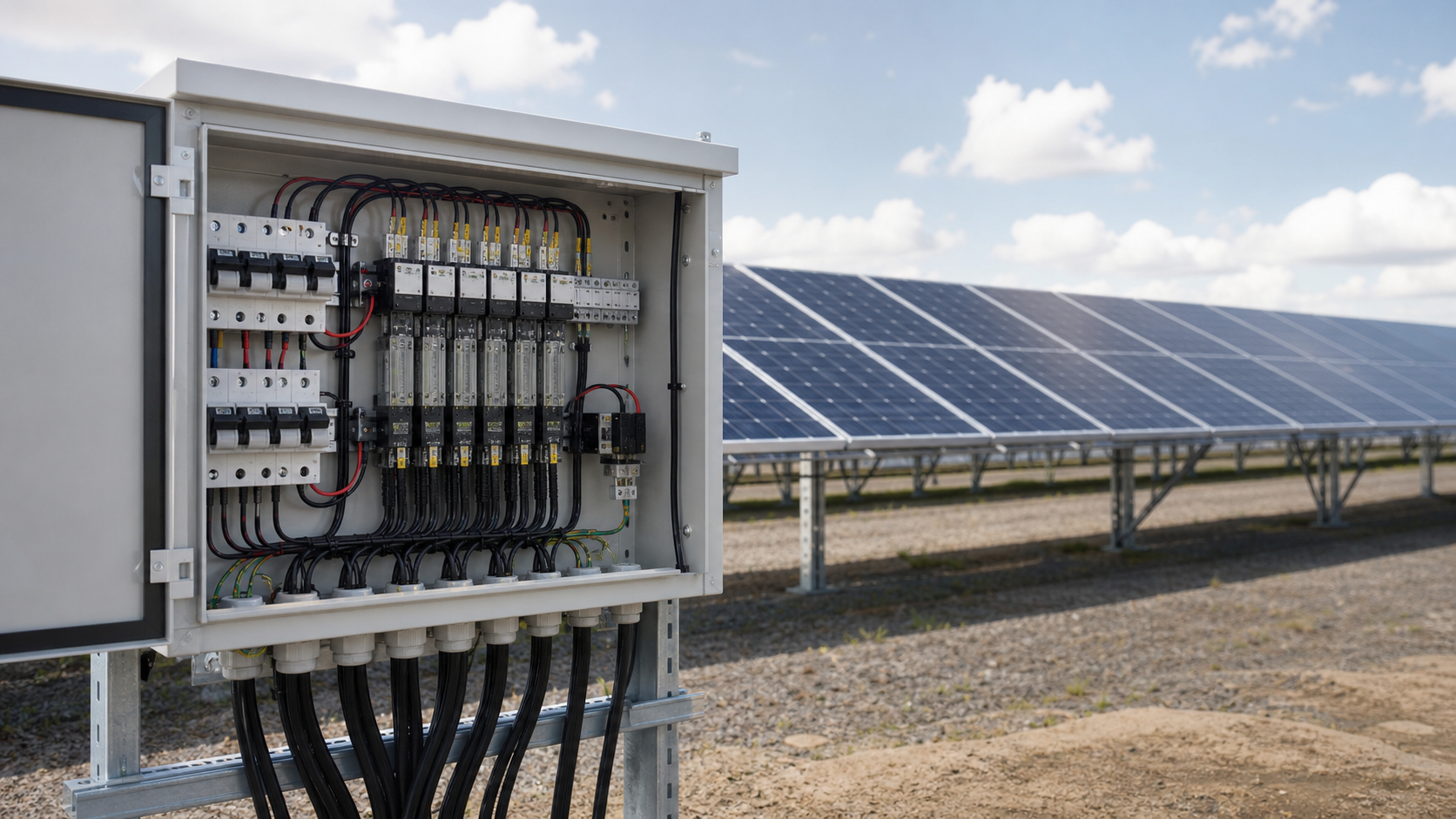
The balance of system is where the method becomes physical. A combiner box built to the calculated worst case will not nuisance-trip, overheat or fail in the field; one built to the nameplate will.
This is general technical guidance. Confirm final ratings, installation conditions and applicable local requirements against approved project documentation and a qualified engineering review.
Frequently asked questions
What does IEC 62548 cover?
It is the international standard for photovoltaic array design, including temperature-adjusted voltage and current calculations for safe string sizing.
Why use worst-case temperature in PV design?
Because the coldest voltage and hottest current are the extremes that stress insulation, fuses and busbars; designing to the average misses the failure case.
How is temperature-adjusted voltage calculated?
Apply the module Voc temperature coefficient from the 25 C rating to the coldest expected cell temperature to get the peak string voltage.
Does NEUTRON follow these standards?
NEUTRON specifies combiner boxes and DC protection against IEC 62548 and related PV standards, verifying ratings against the calculated worst-case values.
Bring the electrical inputs to the first review.
Share the approved module data, site temperature range, cable route, string configuration and destination-market requirements. NEUTRON can review the equipment envelope against the project inputs.
Discuss a PV requirementContinue learning
Explore related technical guidance in Solar PV.
Technical note: verify final ratings, standards, documents and configuration against approved project documentation and the applicable local requirements.