
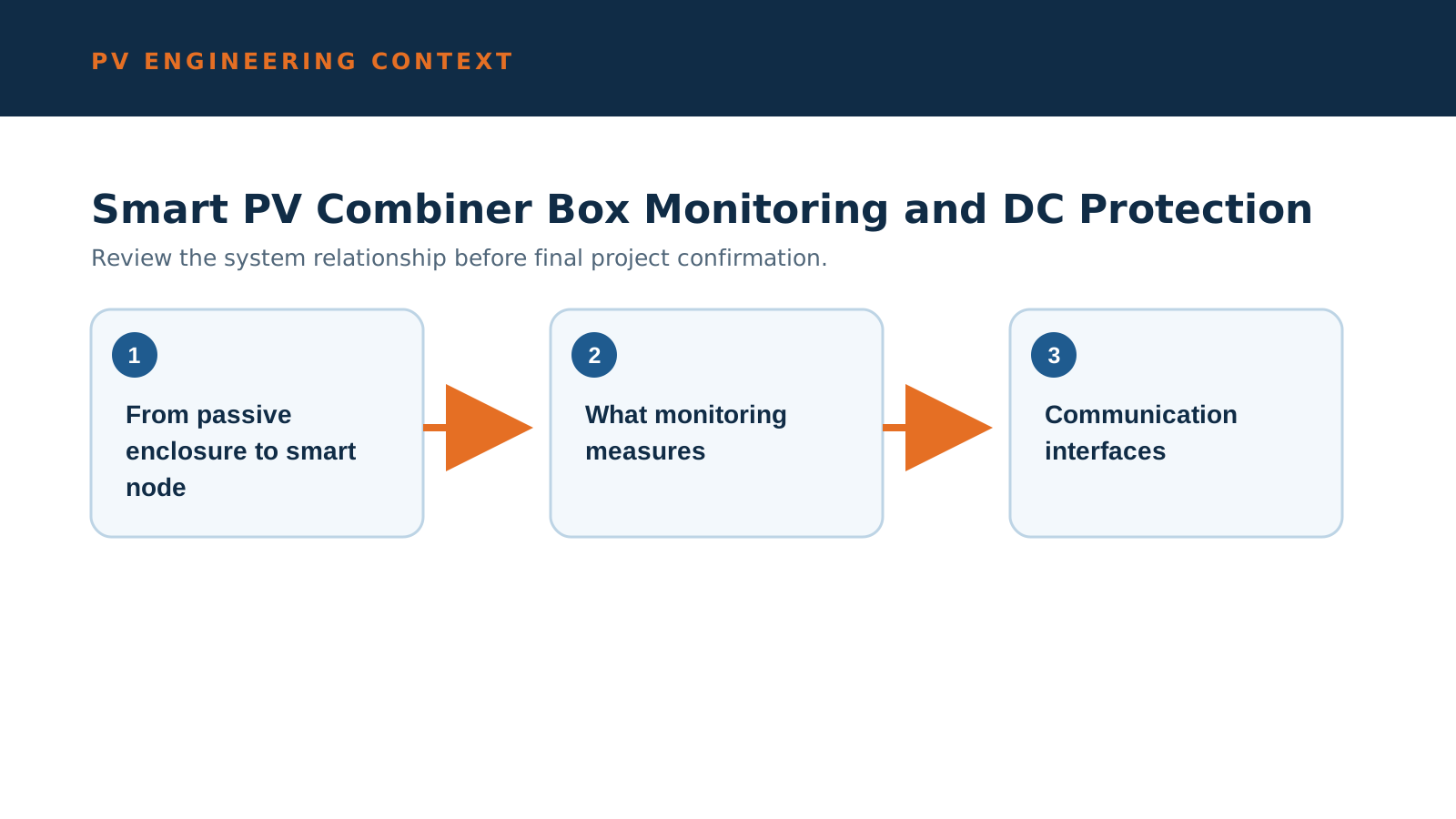
1. From passive enclosure to smart node
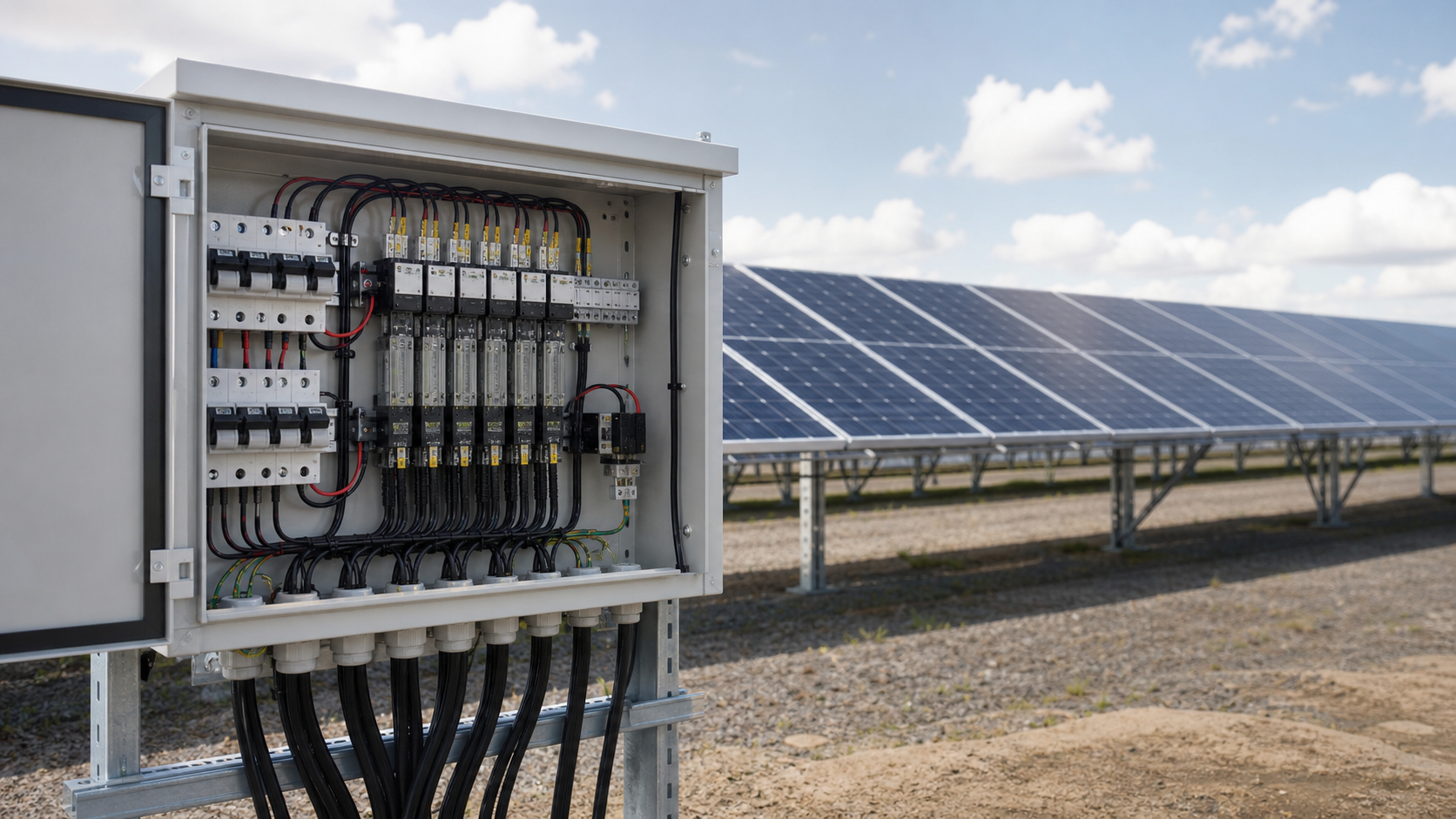
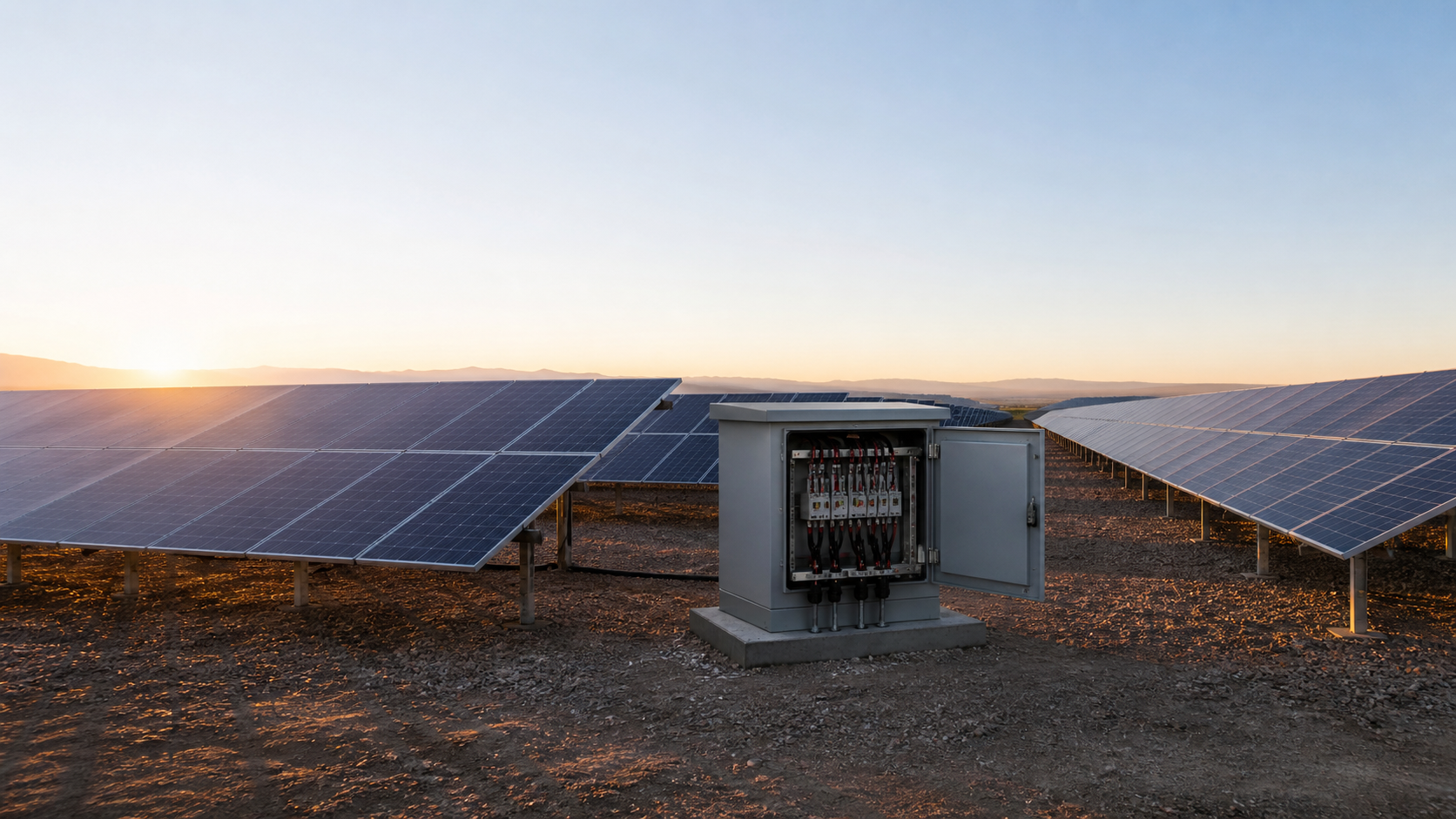
A conventional combiner box collects strings, fuses them and provides isolation. A smart combiner adds measurement and communication so the box reports its own state instead of staying silent until something fails.
That shift turns the combiner from a cost item into a diagnostic asset across the plant.
2. What monitoring measures
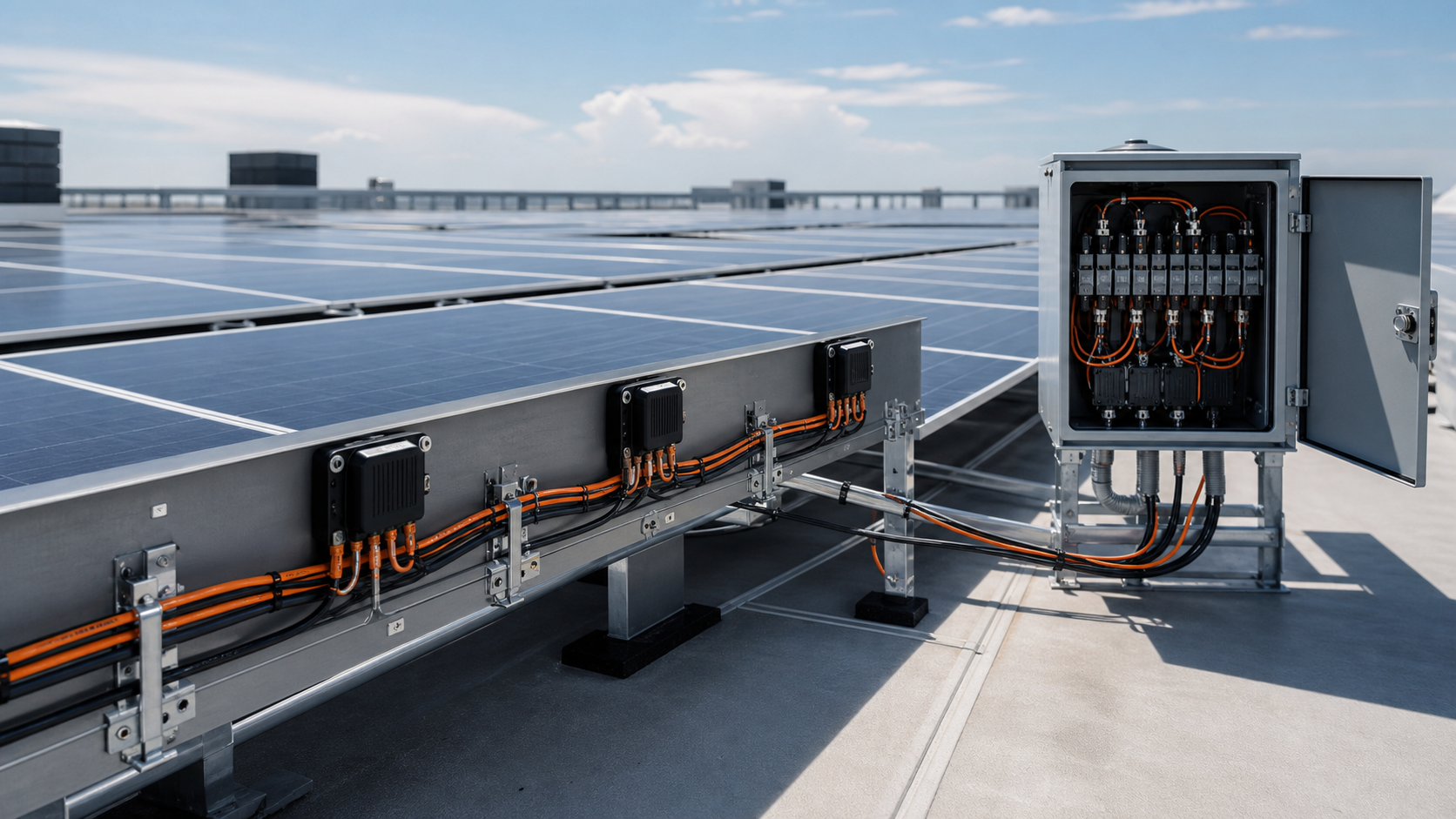
At minimum, a smart combiner reads string currents and the combined DC output, plus voltage at key points. Many designs also track temperature, surge protective device status and the position of the disconnect.
Per-string current is the most useful signal because it reveals a failing module, a blown fuse or a poor connection long before output drops visibly.
Technical diagram shown at a readable responsive scale.
3. Communication interfaces
RS485 with Modbus is the common wired choice for long plant runs; some sites add a gateway to a broader network. The interface should suit the site cable routes and the existing supervision system.
Keep the communication path isolated from the DC power path so a fault on one does not disable the other.
4. String-level fault detection
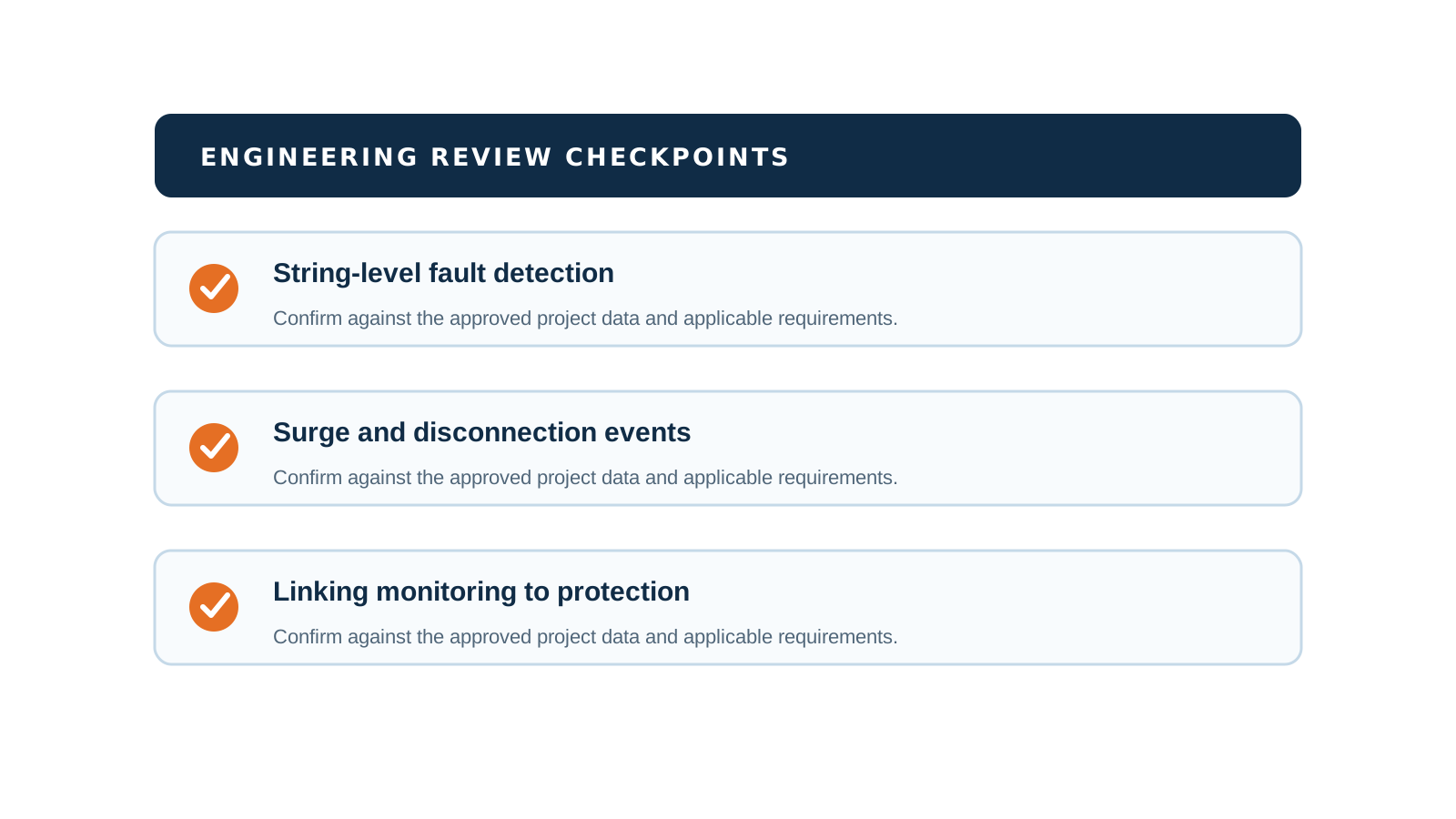
Comparing string currents highlights an under-performing string within the combiner. Coupled with fuse and disconnect status, the system can flag a likely fault location without a site visit.
Early detection limits energy loss and reduces the time a fault condition persists on the DC side.
5. Surge and disconnection events
Monitoring the surge protective device status shows when a protector has operated and needs replacement. Disconnect position reporting confirms whether isolation is applied during maintenance.
These signals close the loop between DC protection hardware and the people responsible for the plant.
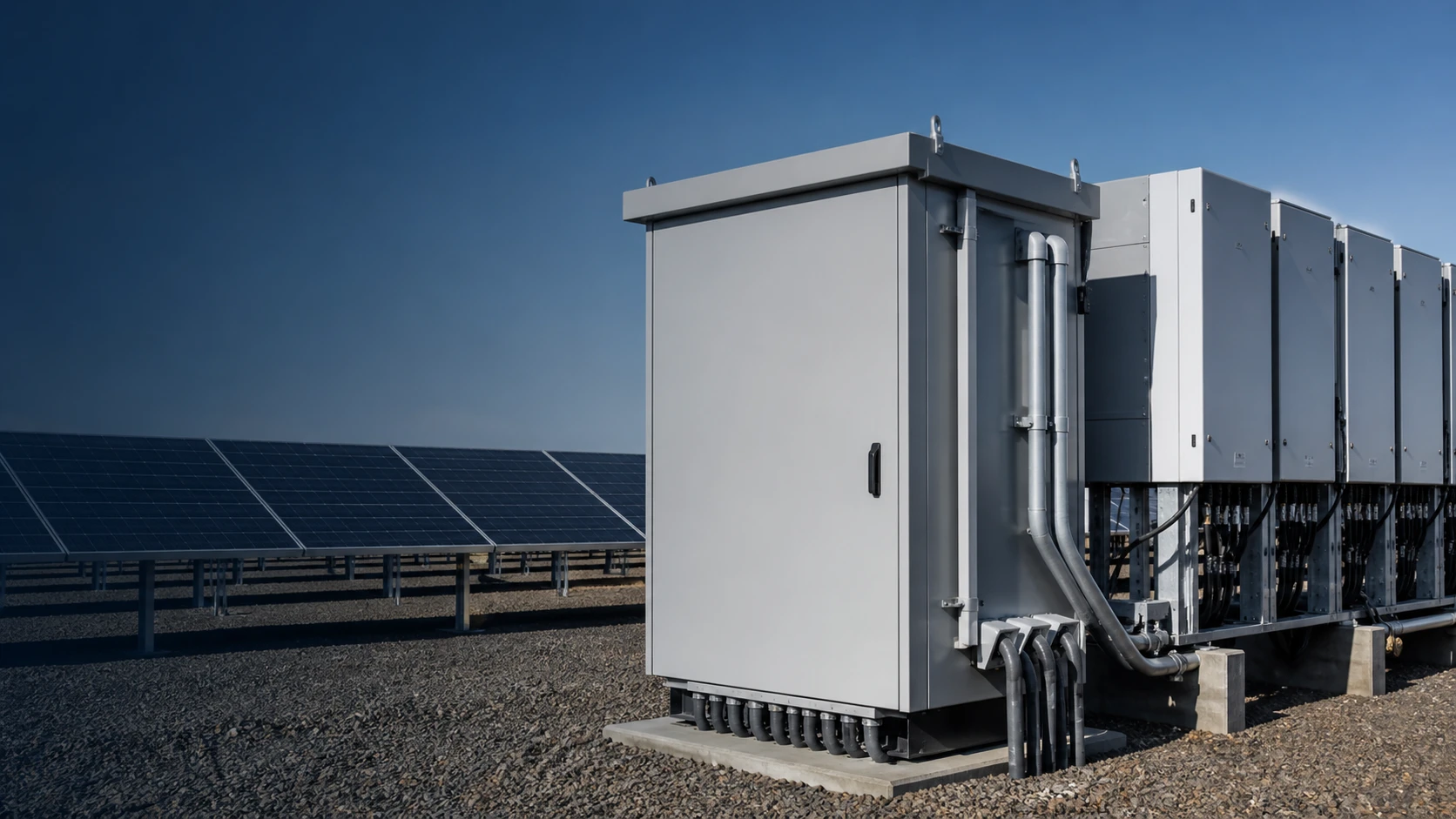
Technical diagram shown at a readable responsive scale.
6. Linking monitoring to protection
Monitoring does not replace protection, but it makes protection observable. A combiner that reports both the protective device state and the live measurements lets operators correlate an event with its cause.
NEUTRON DC control and protection equipment is built so measurement, isolation and surge protection share one coordinated assembly.
7. Data for O&M and performance
Trend data supports cleaning schedules, warranty claims and performance ratio analysis. It also gives operators evidence when a string drifts below expectation.
The same data feeds remote diagnostics, cutting truck rolls and shortening mean time to repair.
8. Specification guidance
Decide the measured points, the communication interface and the reporting targets before release. Confirm the environmental class and the isolation between the DC and communication paths.
NEUTRON combiner equipment can be specified with the measurement and interface set that fits the plant supervision plan.
This guide supports an initial technical review. Final ratings, standards, protection coordination, monitoring interfaces and configuration must be confirmed for the actual project requirement.
Frequently asked questions
What does a smart combiner box monitor?
Typically string currents, combined DC output and key voltages, plus surge protective device status and disconnect position, with per-string current the most useful fault signal.
Which communication interface is typical?
RS485 with Modbus is the common wired choice for plant runs, often bridged to a site gateway; the path should be isolated from the DC power path.
How does monitoring improve protection?
It does not replace protection but makes it observable, letting operators correlate a protective event with live measurements and confirm isolation during maintenance.
What data helps O&M?
Trend data supports cleaning schedules, warranty claims and performance analysis, and enables remote diagnostics that cut site visits and repair time.
Bring the project inputs together
Use the technical inputs in this guide to prepare a clear project discussion.
Discuss a projectContinue learning
Explore related technical guidance in Solar PV.
Technical note: final ratings, standards, protection coordination, monitoring interfaces and configurations remain subject to the agreed project requirement.