
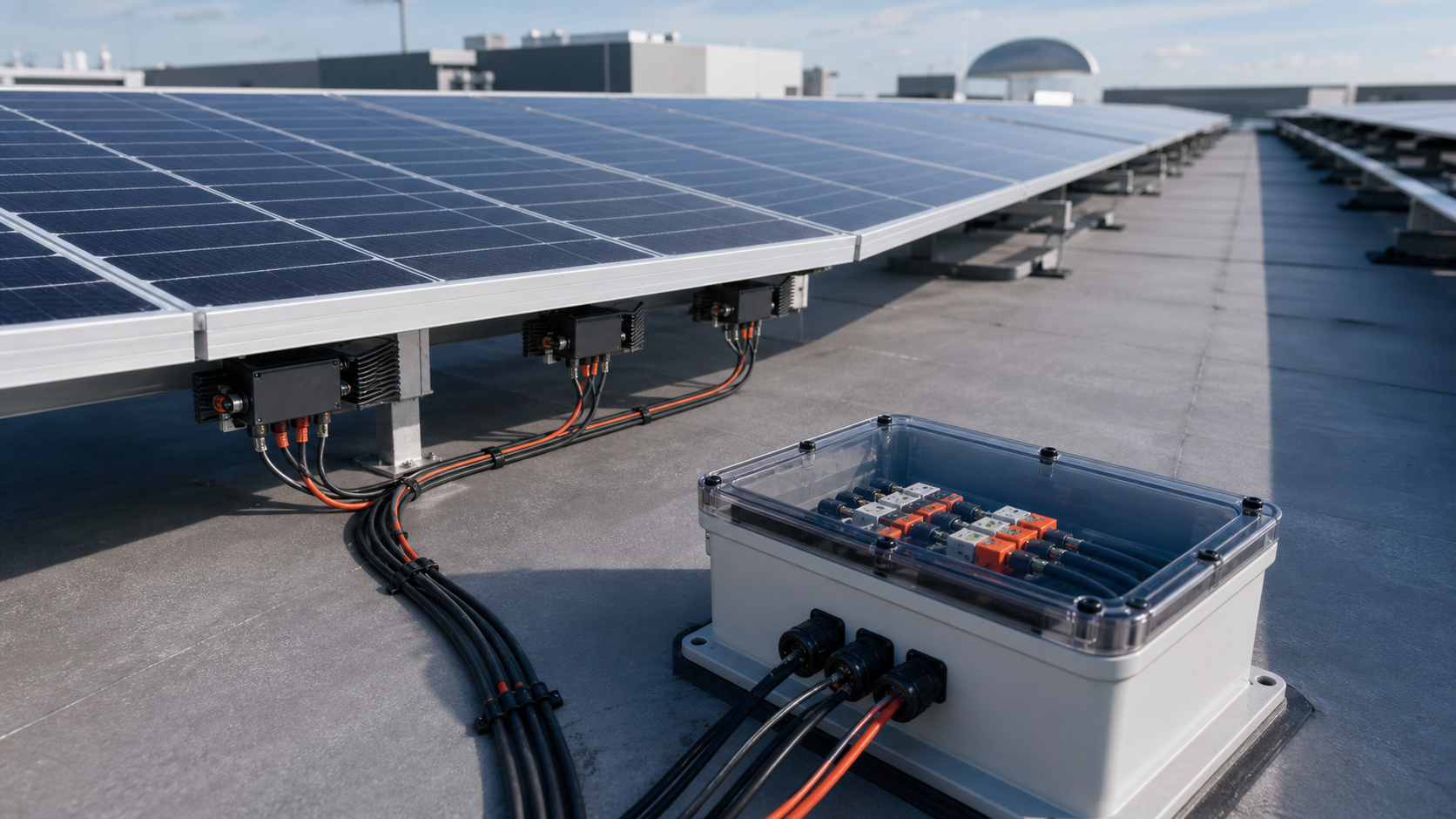
1. The intent behind NEC 690.12
NEC 690.12 exists to protect anyone who might touch a PV array during an emergency. Its core idea is that the DC side should be controllable and reducible to a safe voltage, not left permanently live.
Because the clause is cited well beyond the United States, understanding it is now part of specifying distributed PV anywhere.
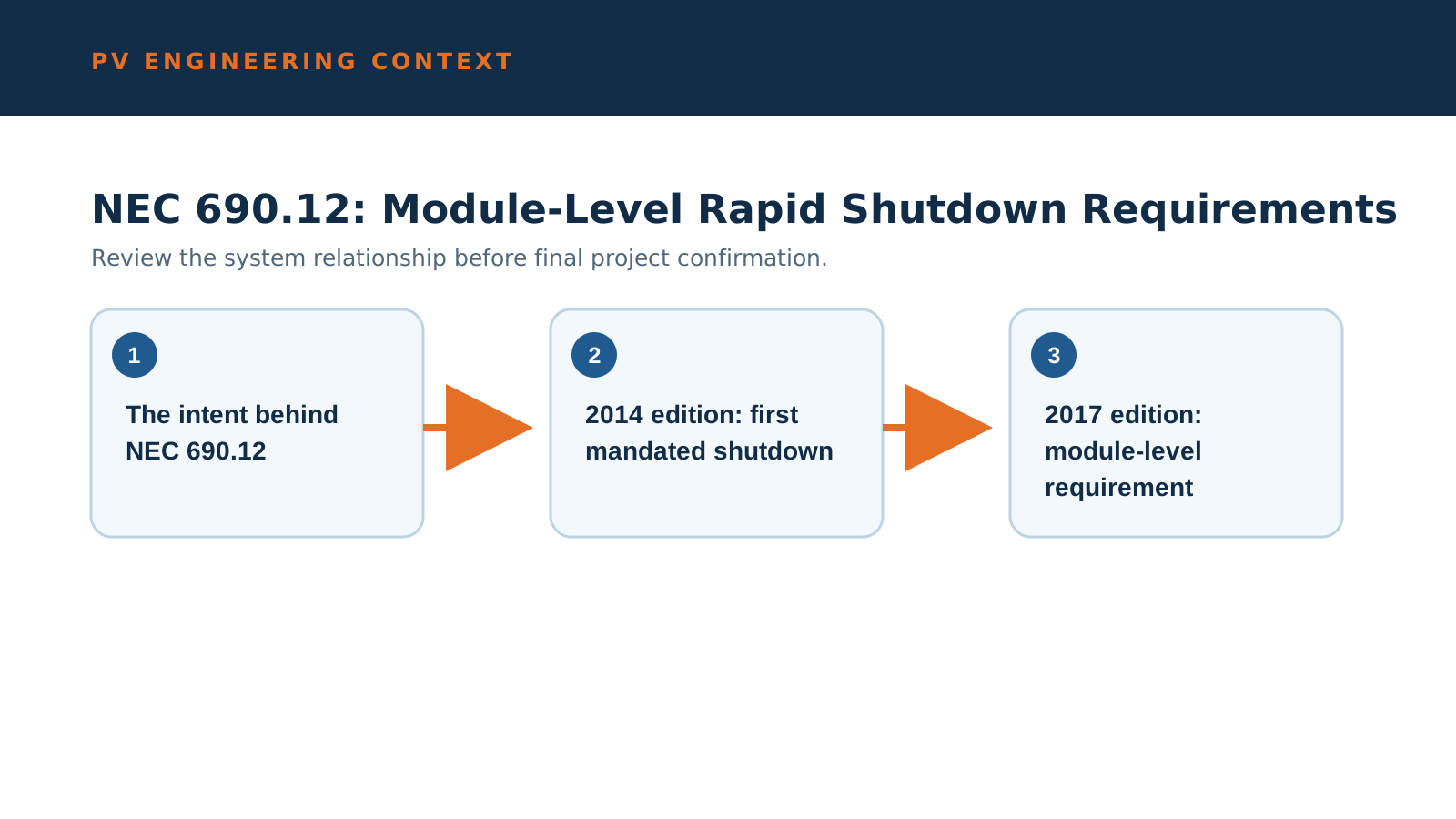
2. 2014 edition: first mandated shutdown
The 2014 edition required a listed rapid shutdown system and limited voltage near the array output. It solved the run between the array and the balance of system but left the modules themselves energized.
Equipment from that era meets an older benchmark and is no longer sufficient where module-level rules apply.
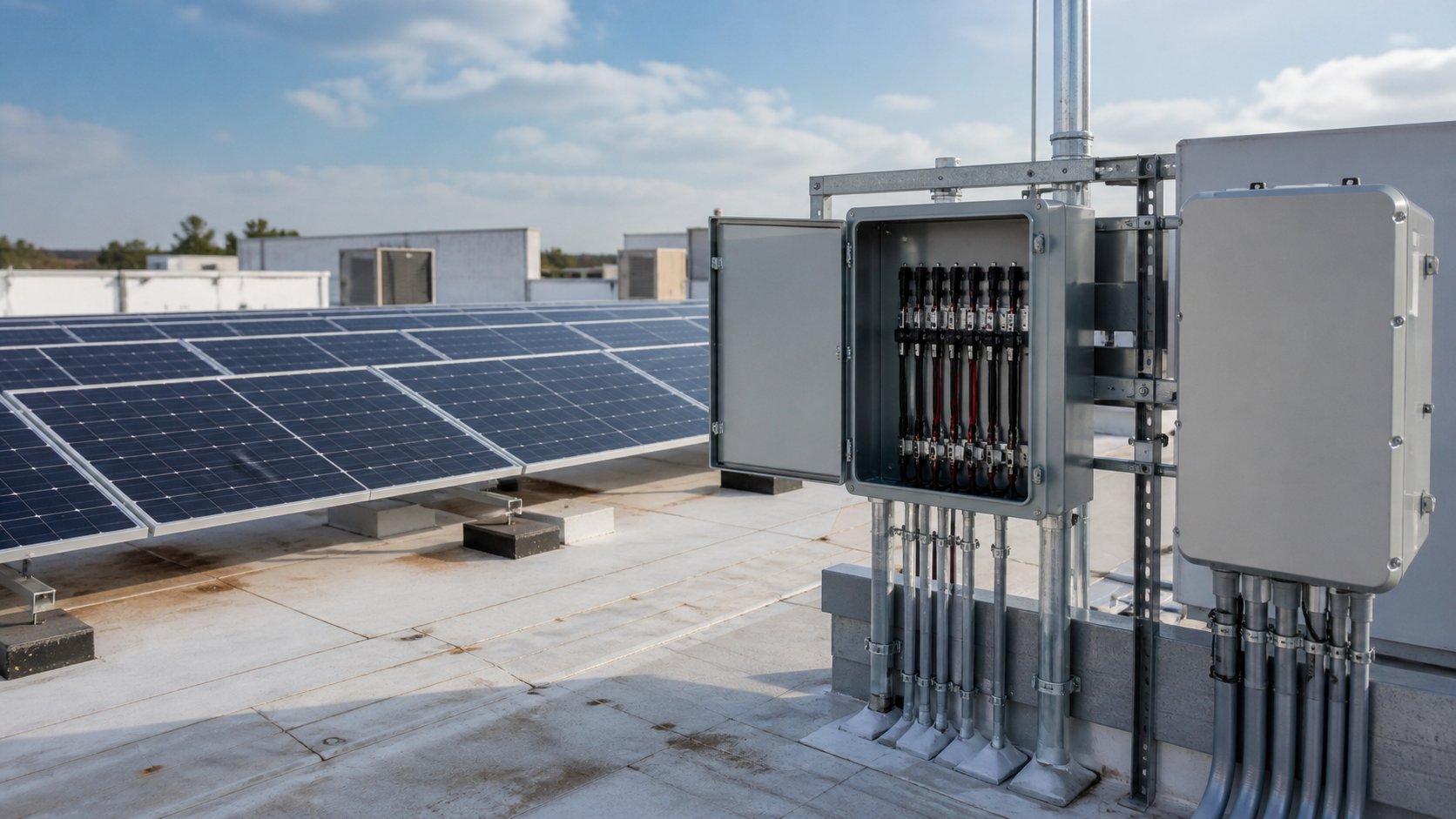
Technical diagram shown at a readable responsive scale.
3. 2017 edition: module-level requirement
The 2017 edition introduced the module-level concept: within a defined boundary around the array, voltage must fall below a set limit after activation. This is the edition most modern products are measured against.
It is the change that drove the growth of module-level power electronics across the distributed PV market.
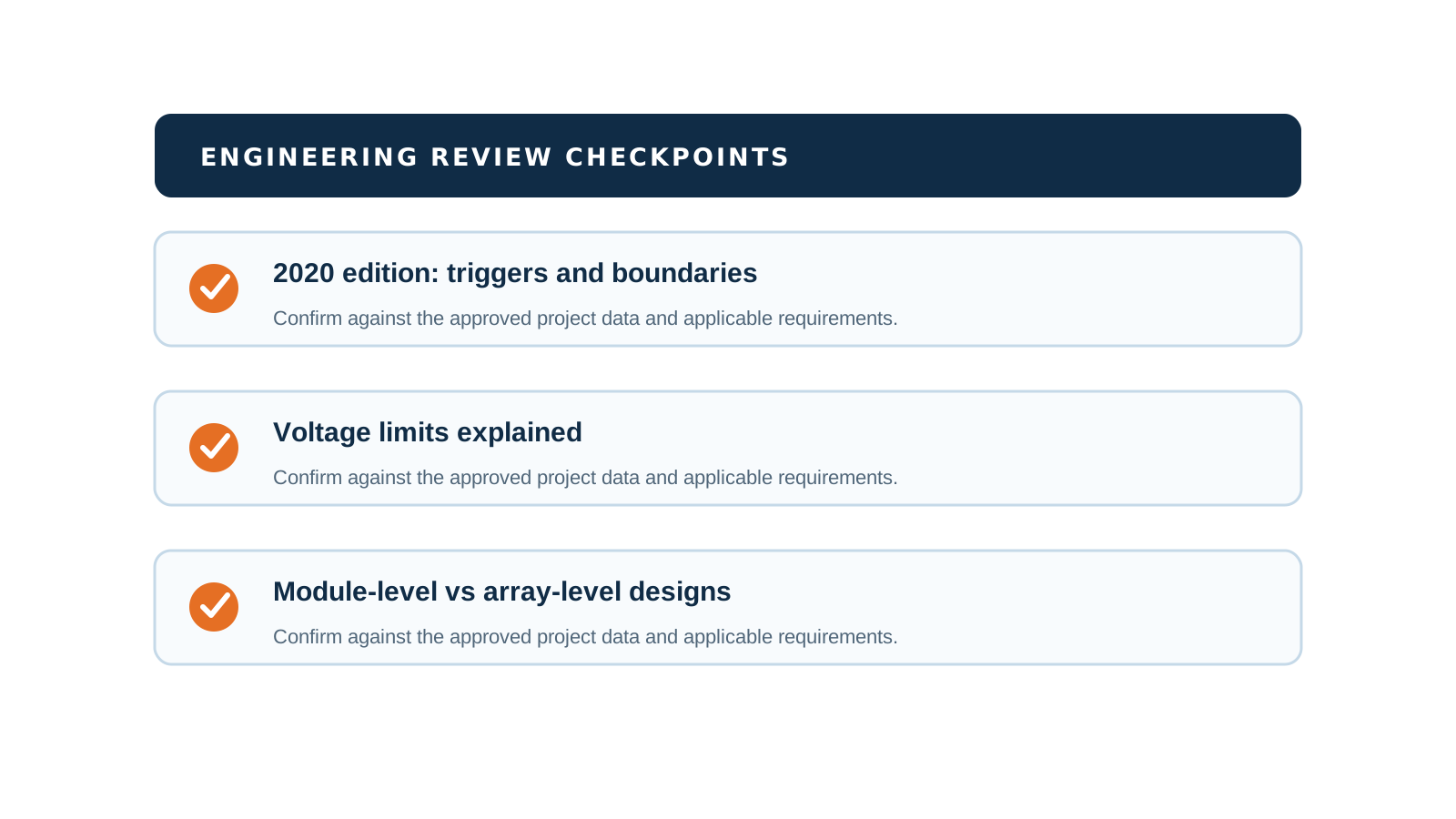
4. 2020 edition: triggers and boundaries
The 2020 edition clarified how shutdown is triggered, the permitted response time, and the maintenance boundary between controlled and uncontrolled conductors.
It also distinguished commercial and residential roof expectations, giving specifiers a clearer compliance path.
5. Voltage limits explained
After activation, controlled conductors outside the array boundary must drop to a low voltage, while conductors inside the boundary must also fall to a defined safe level. The exact figures depend on the edition in force.
The practical takeaway: the whole roof, not just the AC interface feed, must be safe to approach.
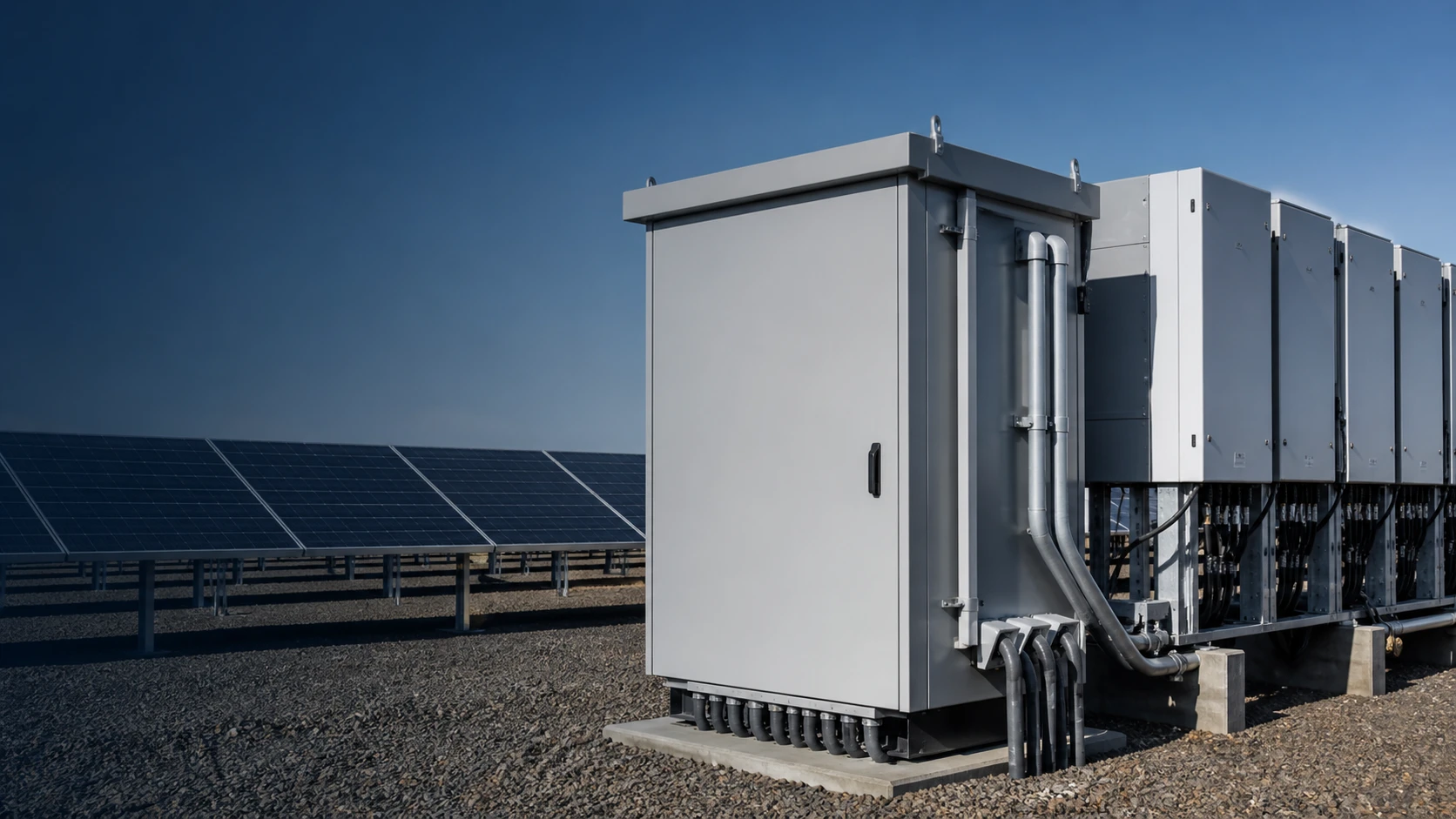
Technical diagram shown at a readable responsive scale.
6. Module-level vs array-level designs
Array-level designs shut the feed but leave inter-module wiring live. Module-level designs act on each module, removing voltage at the point of generation.
For new roofs in regions that follow the 2017 edition or later, array-level alone no longer satisfies the rule.
7. Compliance for commercial and residential roofs
Commercial roofs carry higher fire-load and evacuation risk, so module-level is the prudent and often required choice. Residential compliance follows the local amendment in force.
In all cases, document the rated system voltage, the shutdown device listing, and the coordination with the combiner isolation.
8. Practical checklist for specifiers
Confirm the edition referenced by the authority having jurisdiction, verify the shutdown device listing, and check that the combiner disconnect and surge protection remain coordinated after activation.
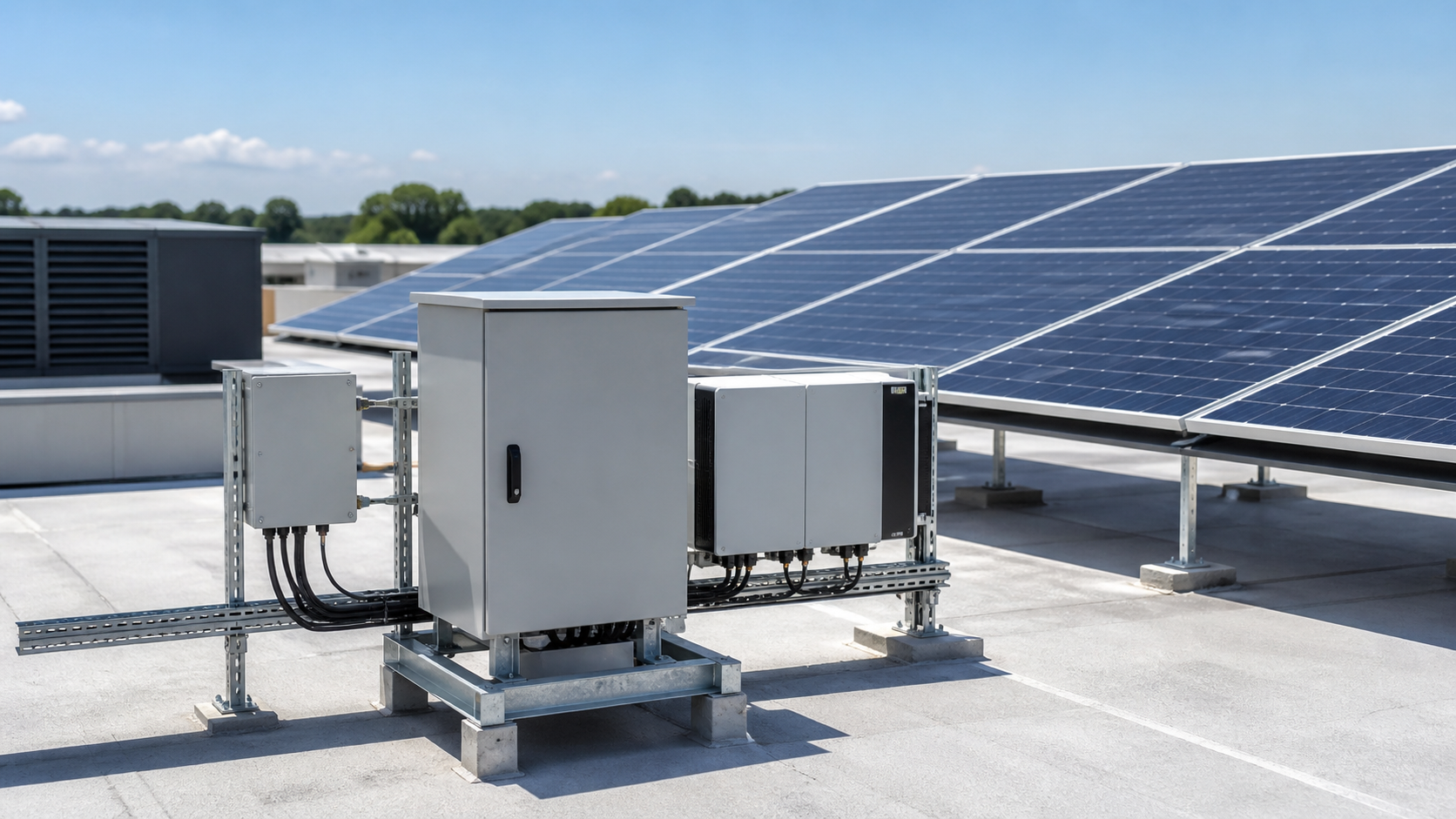
NEUTRON combiner equipment is built to sit cleanly downstream of module-level shutdown as the isolation and protection point.
This guide supports an initial technical review. Final ratings, standards, protection coordination, monitoring interfaces and configuration must be confirmed for the actual project requirement.
Frequently asked questions
What does NEC 690.12 require?
It requires a rapid shutdown system that reduces array DC voltage to a safe level after activation, with the 2017 edition and later extending that limit to the module level.
What voltage limit applies after shutdown?
Controlled conductors outside the array boundary must fall to a low voltage, and conductors inside the boundary must also reach a defined safe level; the exact numbers depend on the edition in force.
Does NEC 690.12 apply to ground-mount plants?
The clause targets PV on or attached to buildings, so ground-mount arrays are generally outside its scope, though DC isolation and protection are still good practice at the array interface.
How do I verify a product meets NEC 690.12?
Check the product listing (for example UL 1741 / UL 3741 where applicable) and confirm the declared edition and voltage limits match the requirement of the authority having jurisdiction.
Bring the project inputs together
Use the technical inputs in this guide to prepare a clear project discussion.
Discuss a projectContinue learning
Explore related technical guidance in Solar PV.
Technical note: final ratings, standards, protection coordination, monitoring interfaces and configurations remain subject to the agreed project requirement.