
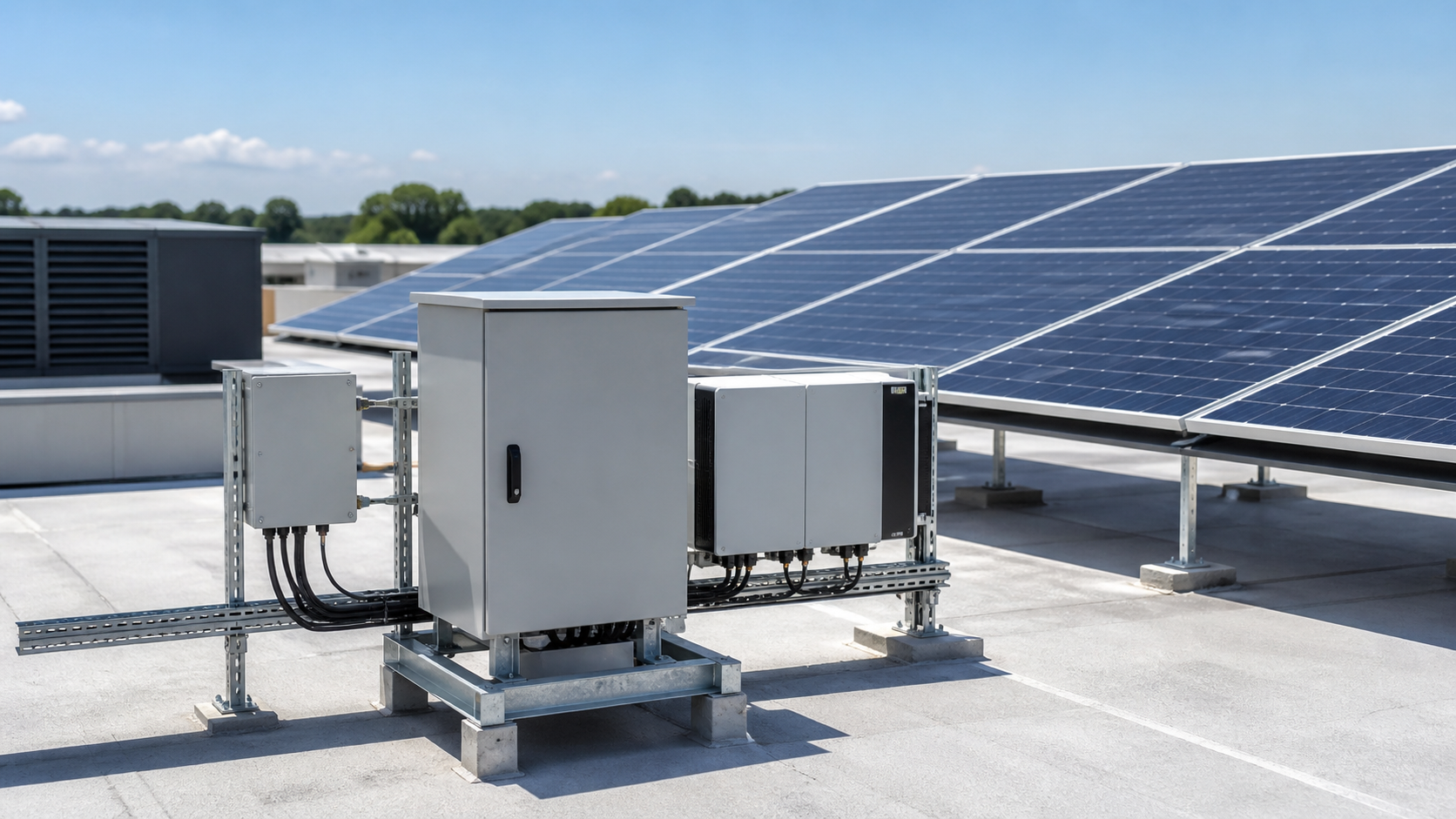
1. The low-voltage challenge
Rooftop PV on homes and small buildings lands on low-voltage feeders that were designed to deliver power, not absorb it. Concentrated generation reverses flow and pushes voltage up at the far end.
Without management, a feeder can hit thermal and voltage limits well before its nominal capacity is reached.
2. Reverse flow and voltage rise
When PV output exceeds local load, power flows backward toward the transformer, raising voltage along the line. The lighter the load, the higher the rise.
Voltage breach is the first symptom operators see, followed by thermal stress on conductors and transformers.
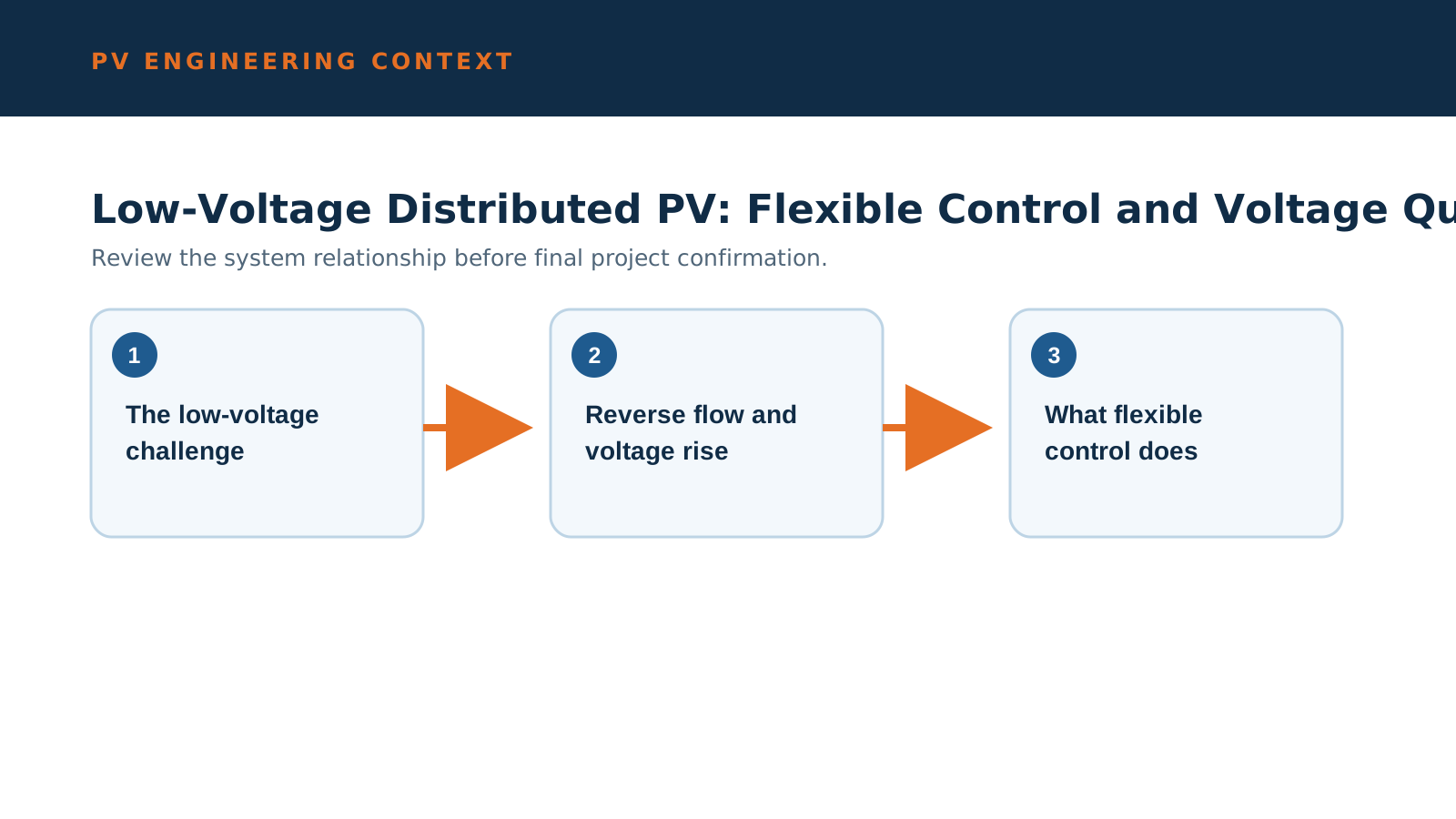
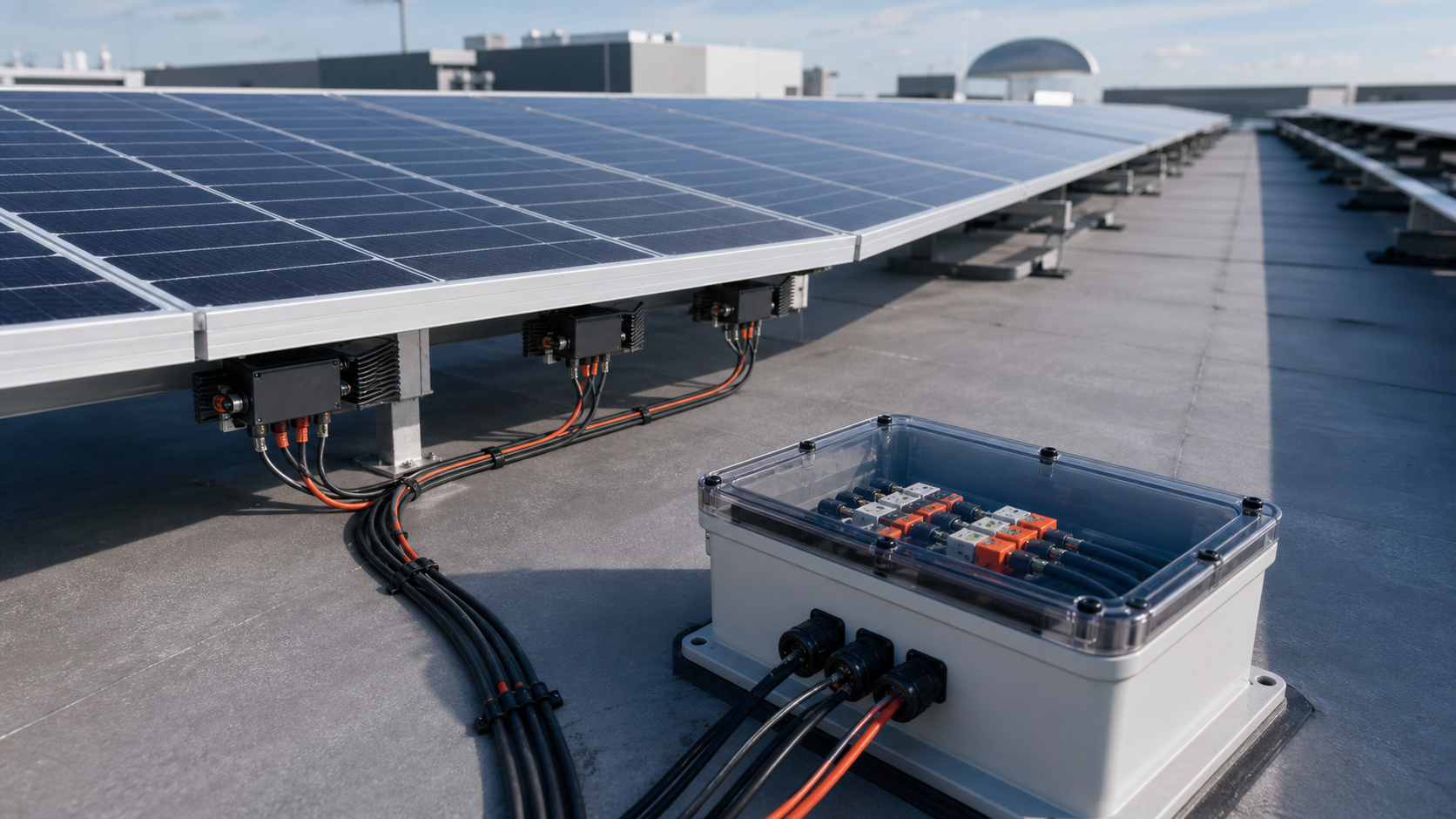
Technical diagram shown at a readable responsive scale.
3. What flexible control does
Flexible control trims distributed output in real time so the feeder stays inside its limits, trading a little generation for network safety and better absorption of the rest.
Field programs have shown thousands of low-voltage plants can be adjusted within minutes, keeping output in a safe band.
4. Voltage quality at the feeder
Voltage quality means staying inside the allowable band under both high and low generation. Compensation equipment supports voltage by managing reactive power locally.
NEUTRON power-quality compensation equipment is specified to support voltage regulation at the distribution level.
5. Measurement and aggregation
Seeing the fleet requires metering at each plant and aggregation at the feeder. Load-rate monitoring, abnormal-plant detection and controllable-capacity monitoring give operators the picture.
The data also supports capacity assessment and market participation for the plants involved.
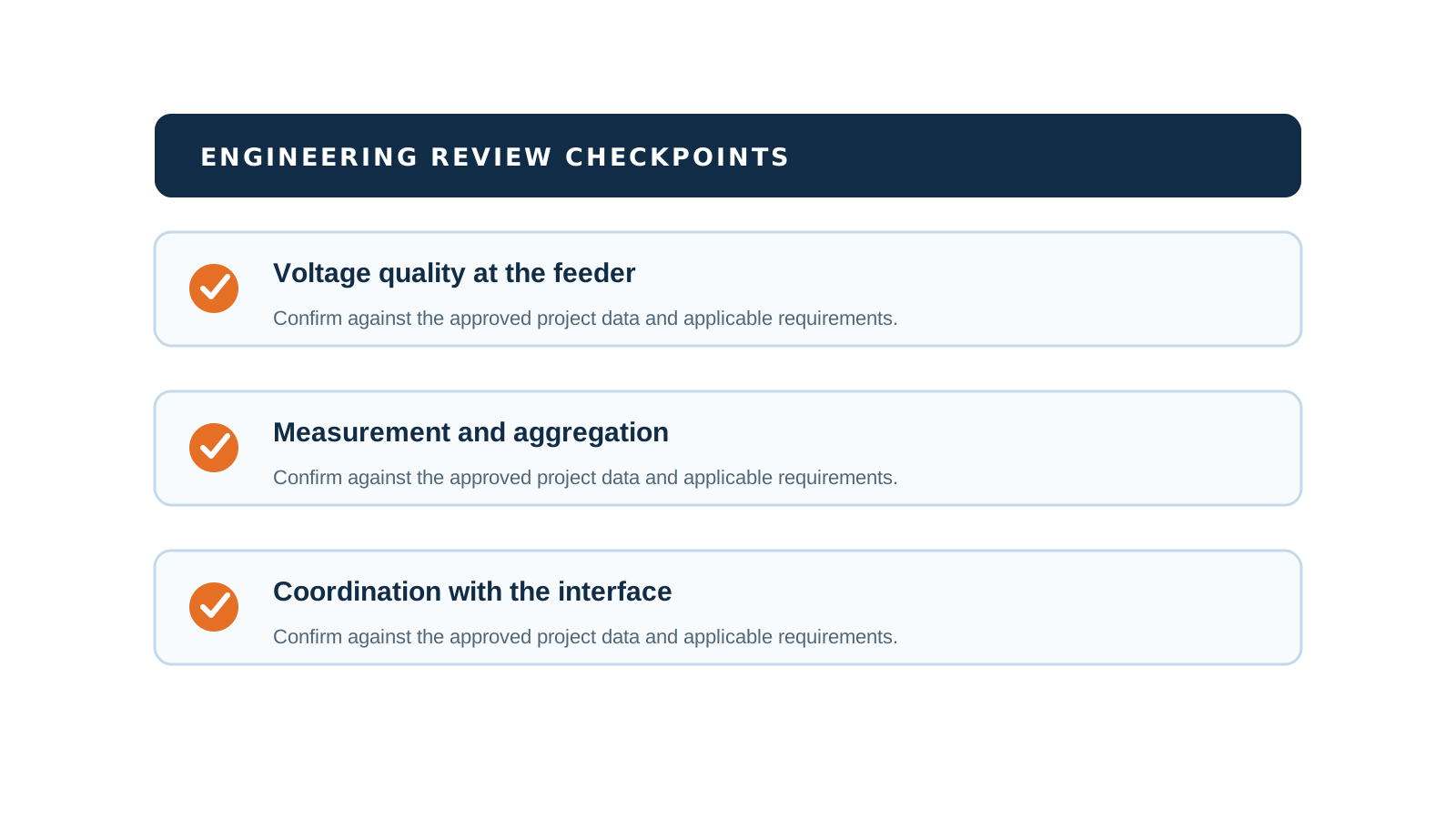
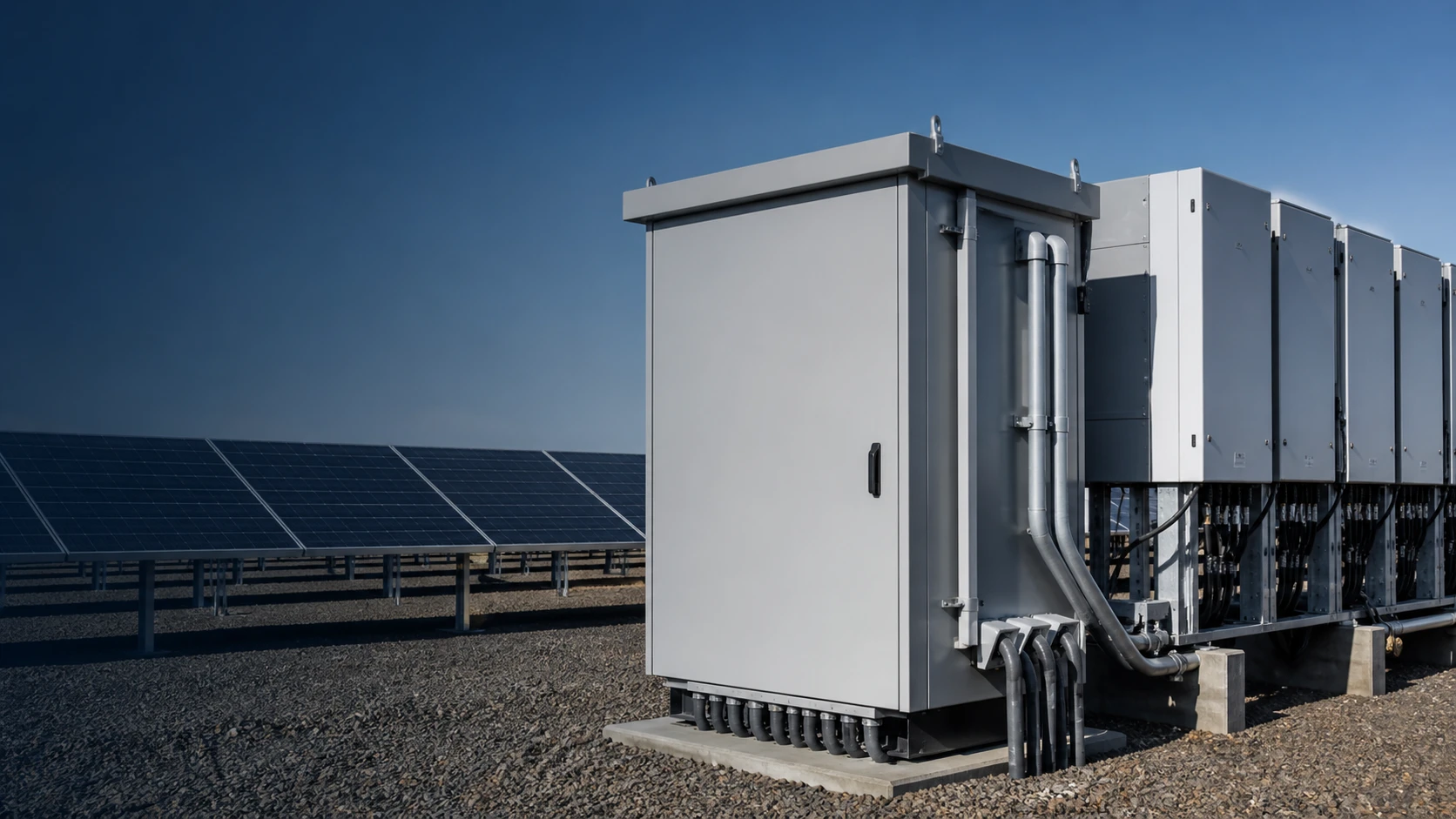
Technical diagram shown at a readable responsive scale.
6. Coordination with the interface
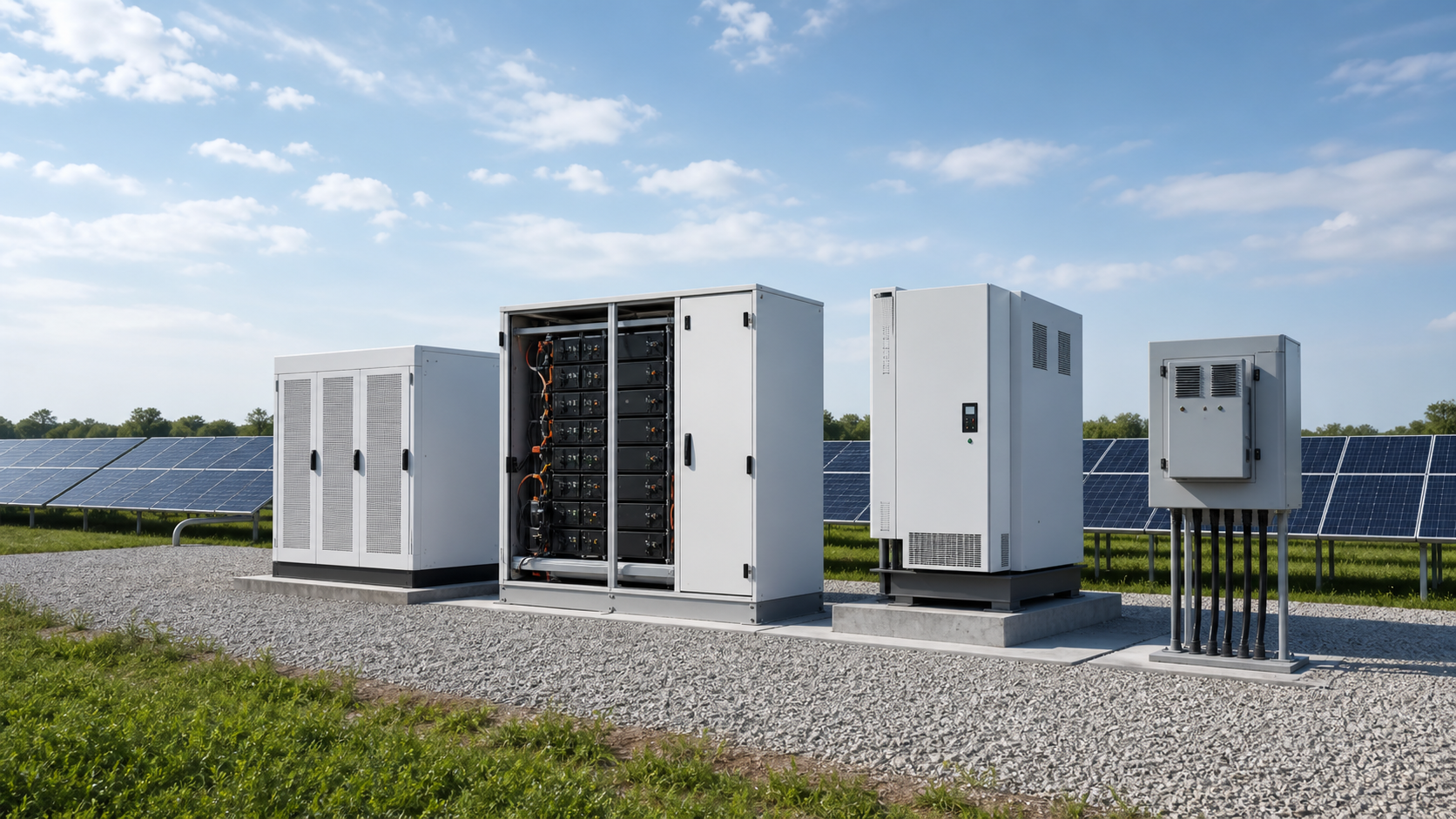
The grid-tie cabinet and low-voltage switchgear are where control and protection meet the network. They must suit bidirectional power and coordinated protection on a constrained feeder.
Select the disconnecting means and overcurrent devices with the combiner as one chain.
7. Designing for constrained feeders
On tight feeders, favor equipment that exposes string and interface data, and consider local compensation to ease voltage rise. Monitoring makes commissioning and compliance easier.
NEUTRON low-voltage switchgear and compensation equipment are built to present a controllable, measurable node to the network.
8. Specification takeaways
Start from the feeder limits, then size compensation and the interface for bidirectional power and coordinated protection. Confirm the voltage band and reporting needs before release.
NEUTRON supports the discussion around low-voltage distributed PV interfaces and voltage quality.
This guide supports an initial technical review. Final ratings, standards, protection coordination, monitoring interfaces and configuration must be confirmed for the actual project requirement.
Frequently asked questions
Why does low-voltage PV cause voltage rise?
When PV output exceeds local load, power flows backward toward the transformer and raises voltage along the line, most at the far end under light load.
What is flexible control for distributed PV?
Real-time trimming of distributed output so the feeder stays inside thermal and voltage limits, improving safe absorption of the rest.
How is voltage quality protected?
By managing reactive power locally with compensation equipment and by metering and aggregating plant behavior at the feeder.
Which equipment meets the network at the feeder?
The grid-tie cabinet and low-voltage switchgear, specified for bidirectional power and coordinated protection alongside the combiner.
Bring the project inputs together
Use the technical inputs in this guide to prepare a clear project discussion.
Discuss a projectContinue learning
Explore related technical guidance in Solar PV.
Technical note: final ratings, standards, protection coordination, monitoring interfaces and configurations remain subject to the agreed project requirement.