
1. What the four abilities mean
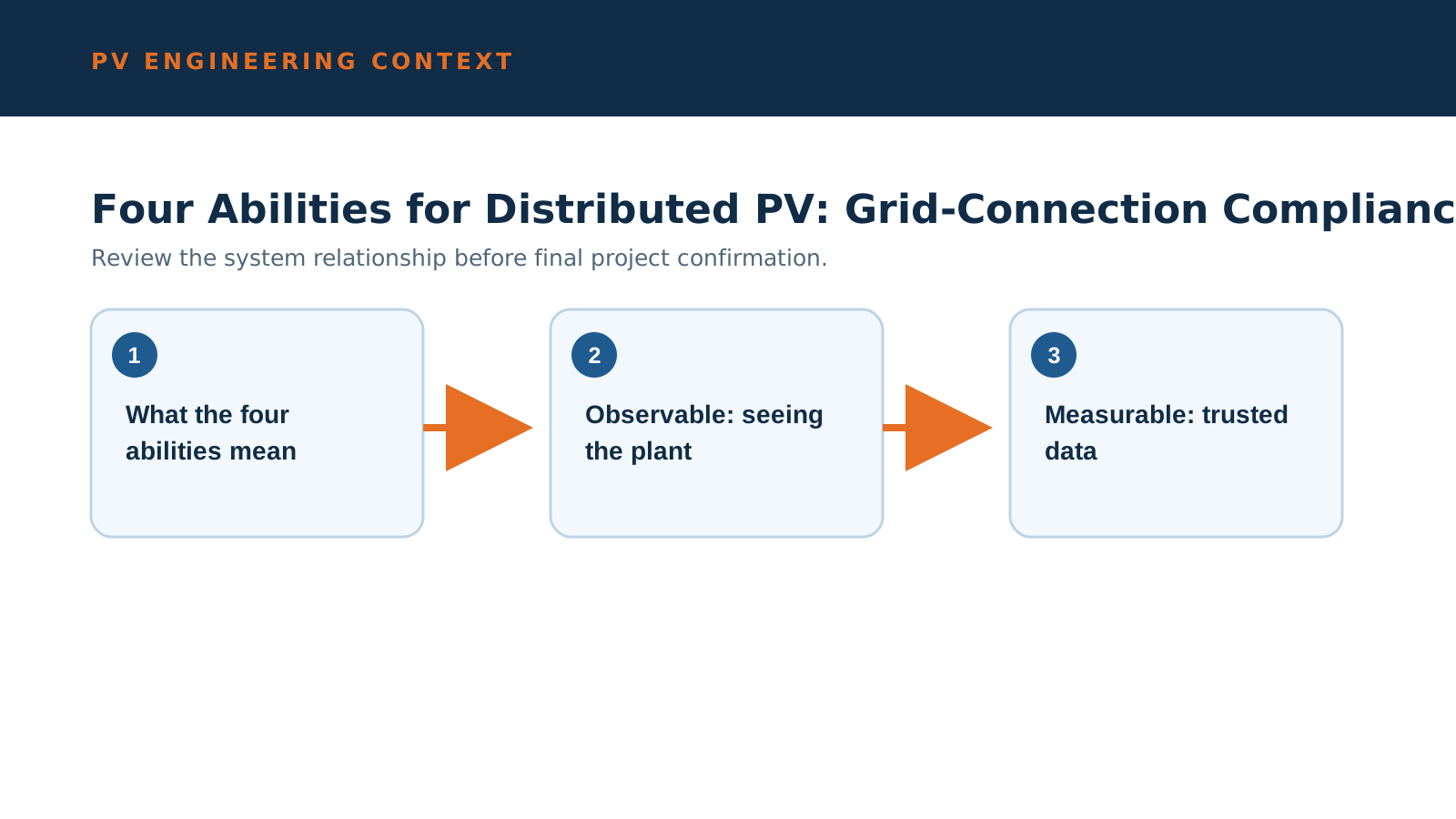
Distributed PV four abilities refer to observable, measurable, adjustable and controllable performance that the grid requires from every connected plant. As rooftop capacity grows, these abilities have shifted from best practice to a mandatory grid-connection threshold.
The goal is to turn each plant from a passive generator into a grid-friendly, dispatchable asset the operator can see and manage.
2. Observable: seeing the plant
Observable means the network can see real-time status such as generation, power, voltage and device temperature through meters and communication modules. This removes the blind spot that scattered rooftop plants used to create.
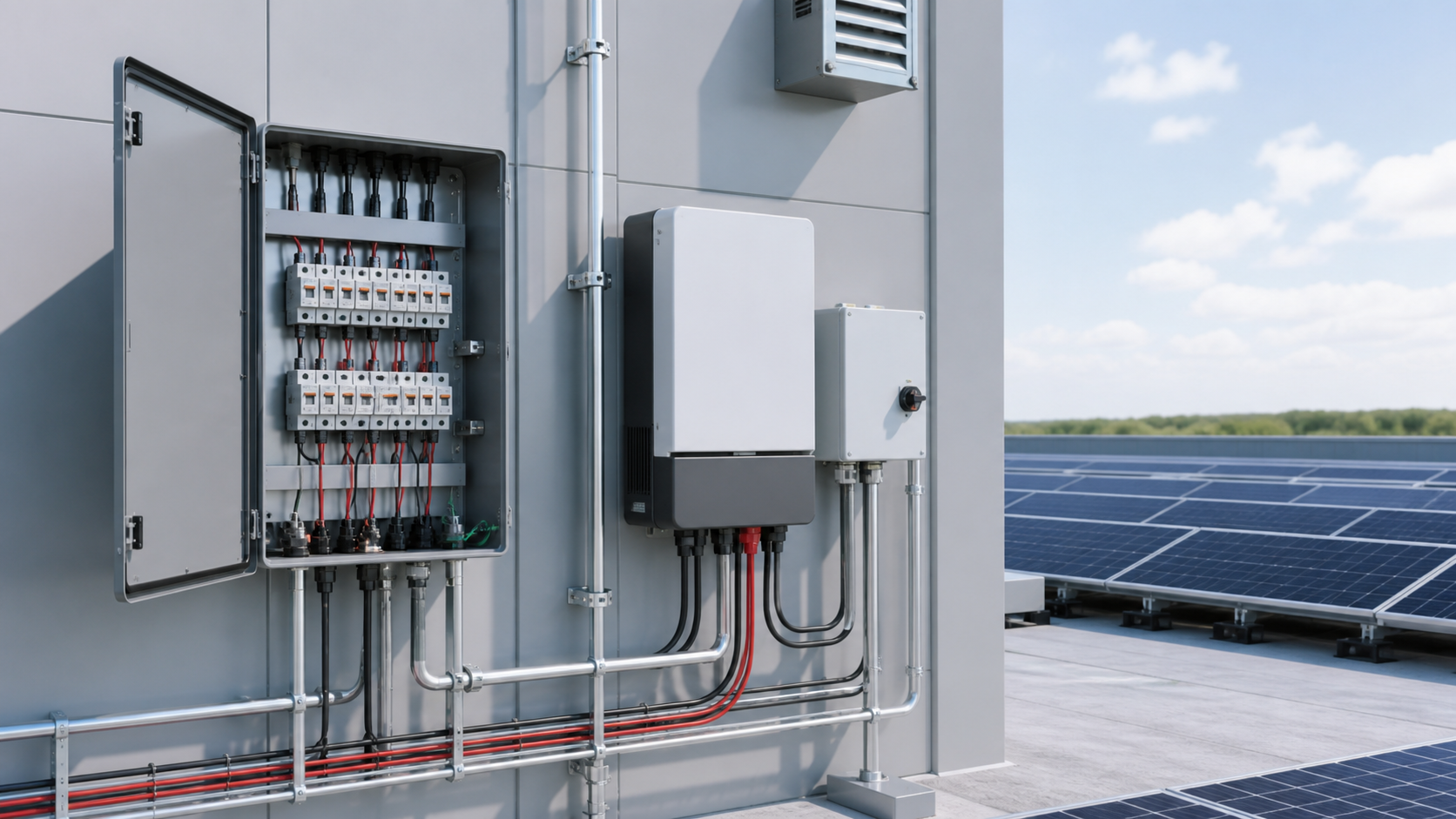
For the equipment owner, observability starts at the combiner, where string current and device status are the first signals worth collecting.
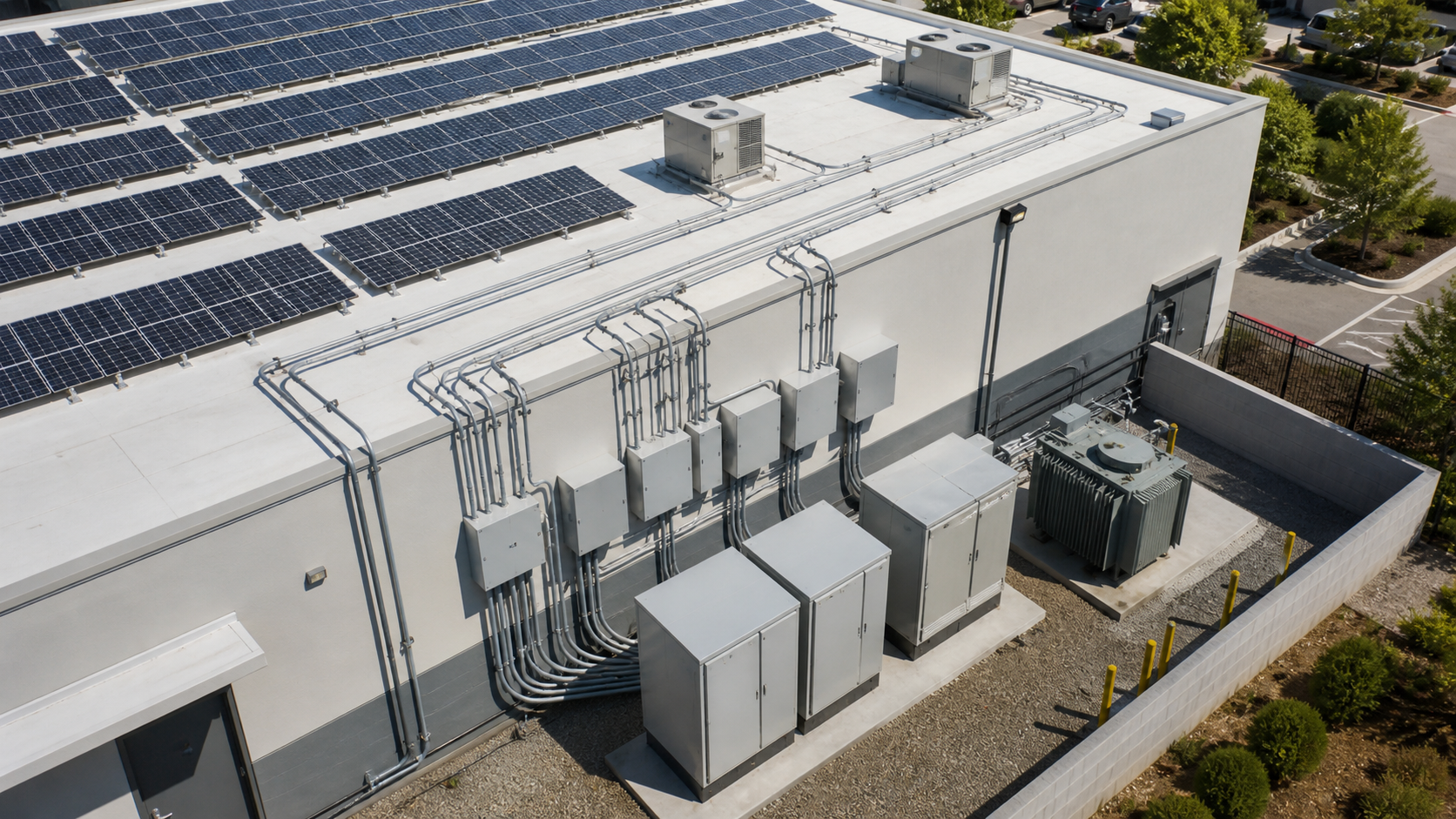
Technical diagram shown at a readable responsive scale.
3. Measurable: trusted data
Measurable means accurate, traceable readings of generation, consumption, voltage, current and power factor. Good data supports capacity assessment, settlement and market participation.
Smart metering at the grid-tie point and monitoring at the combiner together give the traceability the rule expects.
4. Adjustable: active regulation
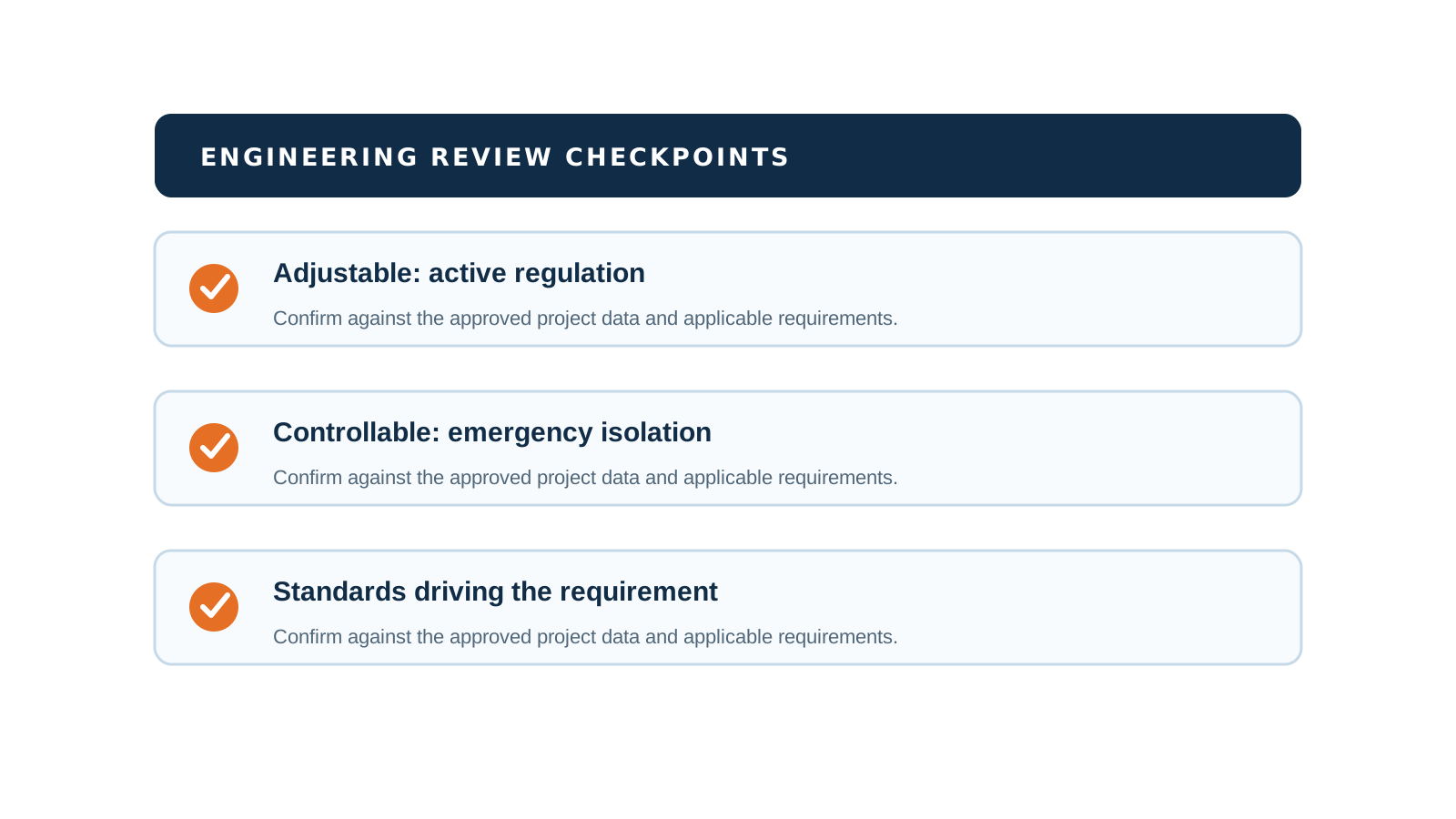
Adjustable means the plant can respond to dispatch by shifting active and reactive output, easing reverse-flow overload and voltage breach on the feeder. This is the function that raises rooftop PV from a problem to a asset.
On the grid side, reactive support is provided by compensation equipment; on the plant side, the interface must allow controlled, coordinated response.
5. Controllable: emergency isolation
Controllable means the network can open the grid-tie switch remotely in an emergency, using remote terminals, intelligent breakers and anti-islanding protection. This protects the wider grid when voltage or frequency goes abnormal.
Anti-islanding protection and a clear disconnecting point are exactly the functions NEUTRON low-voltage and DC protection equipment are built to provide.
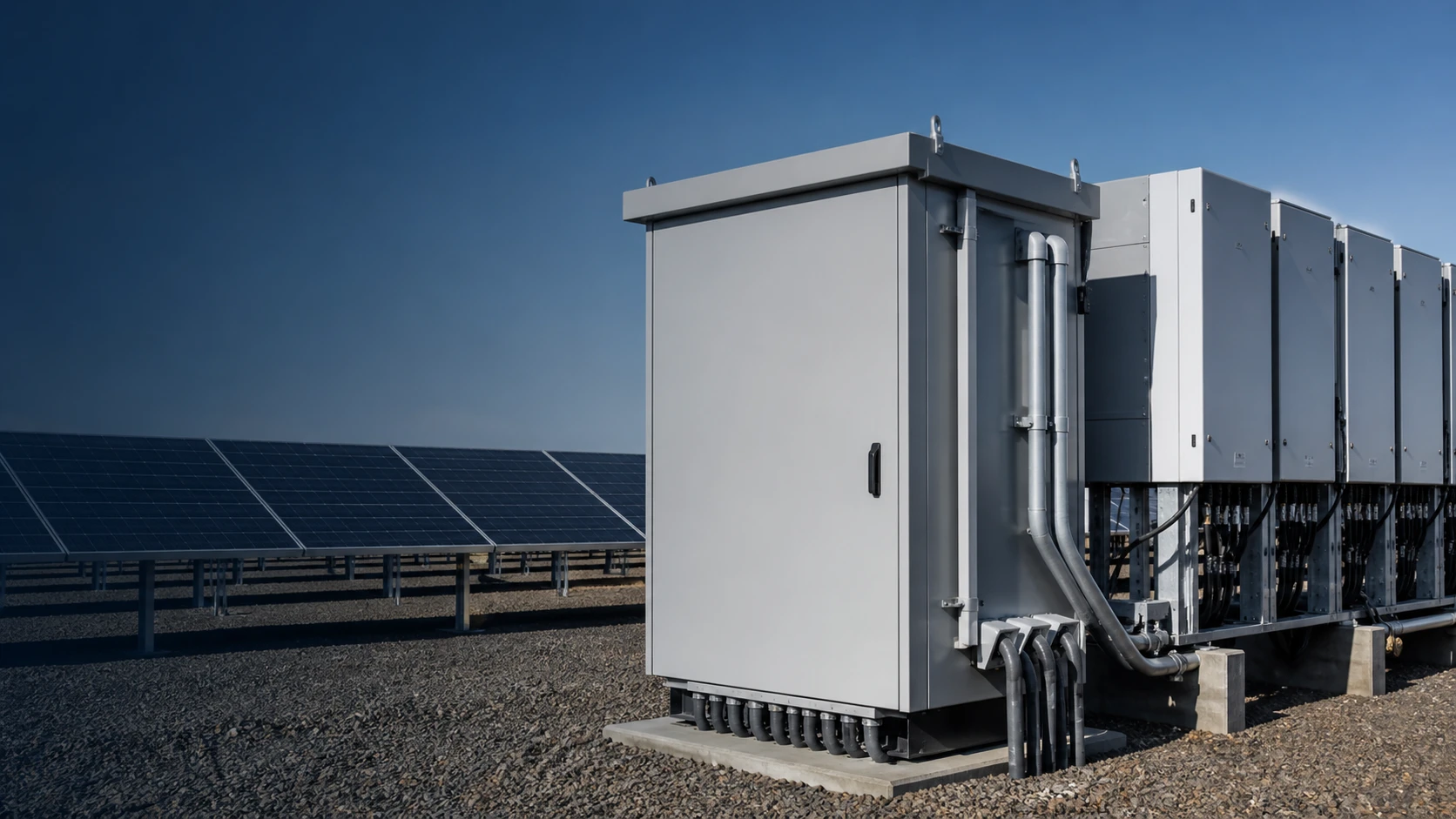
Technical diagram shown at a readable responsive scale.
6. Standards driving the requirement
National rules now name four-abilities performance as a condition of distributed PV grid connection, backed by monitoring technical standards that upgraded from remote view to remote control. Projects that miss the bar are not accepted at commissioning.
The practical effect is that new plants need compliant monitoring and protection by design, not as a later add-on.
7. Equipment that delivers the four abilities
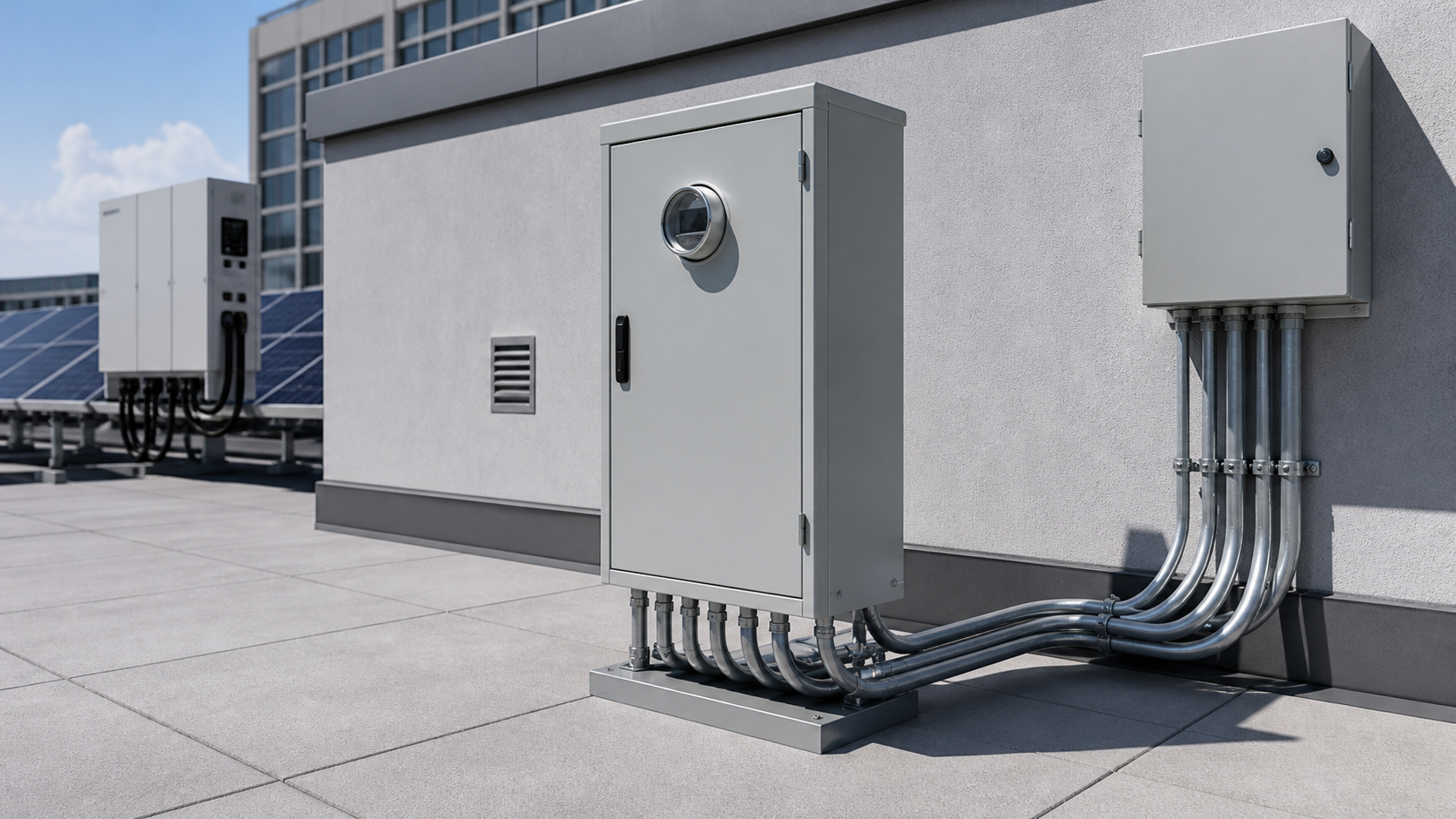
Observability and measurability come from combiner monitoring and grid-tie metering. Adjustability and controllability come from coordinated protection, anti-islanding and a controllable interface cabinet.
NEUTRON combines combiner monitoring, DC protection and low-voltage switchgear so the plant presents a measurable, controllable node to the network.
8. Specification takeaways
Specify monitoring at the combiner, accurate metering at the grid-tie point, and coordinated isolation with anti-islanding at the interface. Confirm the declared standard before release.
NEUTRON supports the discussion around compliant distributed PV interfaces for both new and retrofit plants.
This guide supports an initial technical review. Final ratings, standards, protection coordination, monitoring interfaces and configuration must be confirmed for the actual project requirement.
Frequently asked questions
What are the four abilities for distributed PV?
They are observable, measurable, adjustable and controllable performance the grid requires so each plant can be seen, measured, regulated and isolated as needed.
Why are the four abilities now mandatory?
Rapid rooftop growth created reverse-flow overload and voltage breaches, so regulators made four-abilities performance a grid-connection threshold backed by monitoring standards.
Which equipment provides the four abilities?
Combiner monitoring and grid-tie metering deliver observability and measurability; coordinated protection, anti-islanding and a controllable interface cabinet deliver adjustability and controllability.
How does anti-islanding fit in?
Anti-islanding protection is the controllable layer that opens the grid-tie switch in an emergency, a core function of low-voltage and DC protection equipment.
Bring the project inputs together
Use the technical inputs in this guide to prepare a clear project discussion.
Discuss a projectContinue learning
Explore related technical guidance in Solar PV.
Technical note: final ratings, standards, protection coordination, monitoring interfaces and configurations remain subject to the agreed project requirement.