
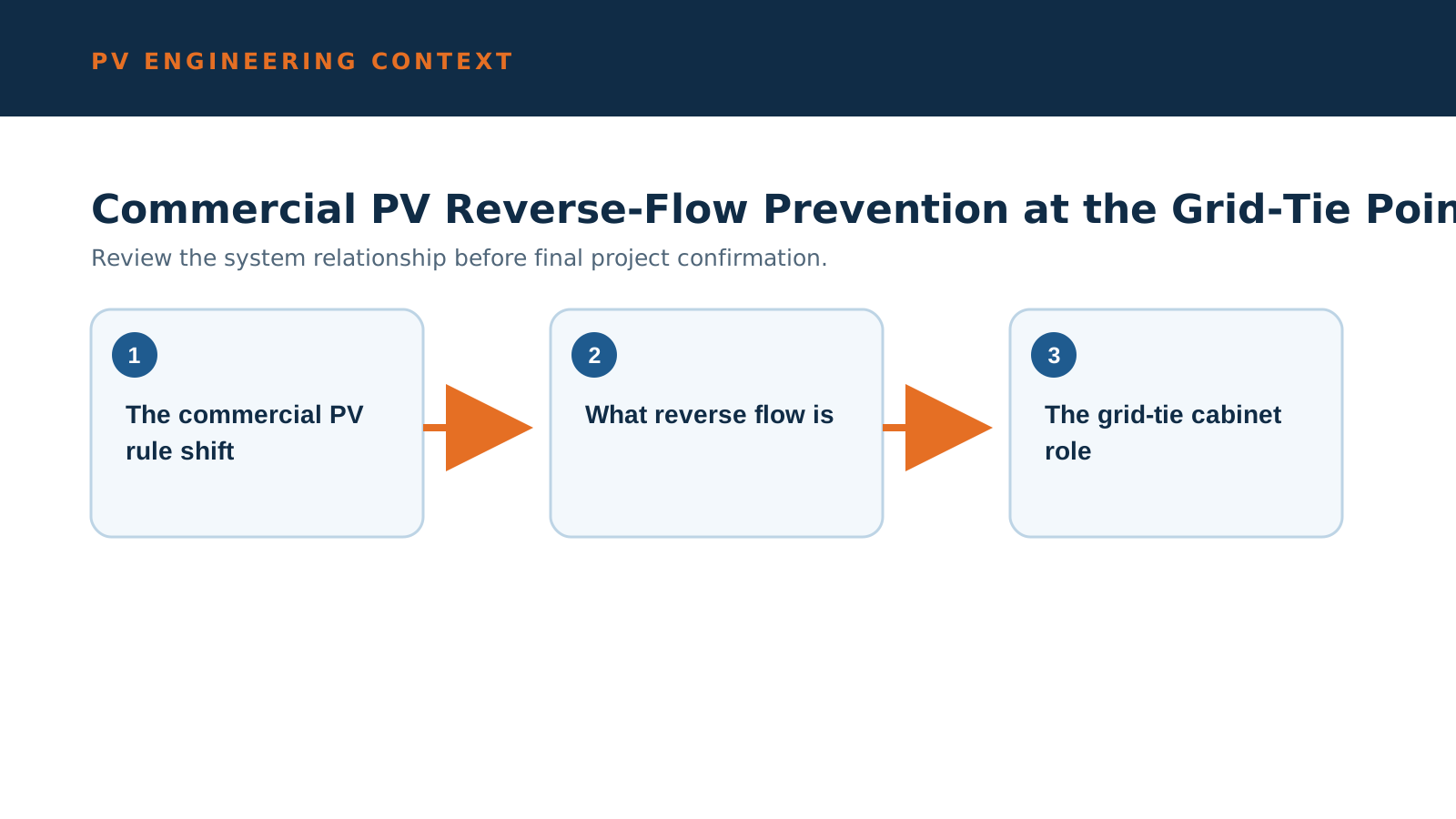
1. The commercial PV rule shift
Newer rules let commercial and industrial PV choose full self-use or self-use with surplus export, and the exported energy joins the market. That frees design from a strict self-use ratio.
Freedom to export raises value, but it also puts the grid-tie point under closer scrutiny for reverse flow.
2. What reverse flow is
Reverse flow means PV power moving backward through the grid-tie point toward the network instead of being consumed on site. It is normal during midday surplus, but uncontrolled it stresses the local network.
The interface must measure and, where required, limit back-feed so the network stays safe.
Technical diagram shown at a readable responsive scale.
3. The grid-tie cabinet role
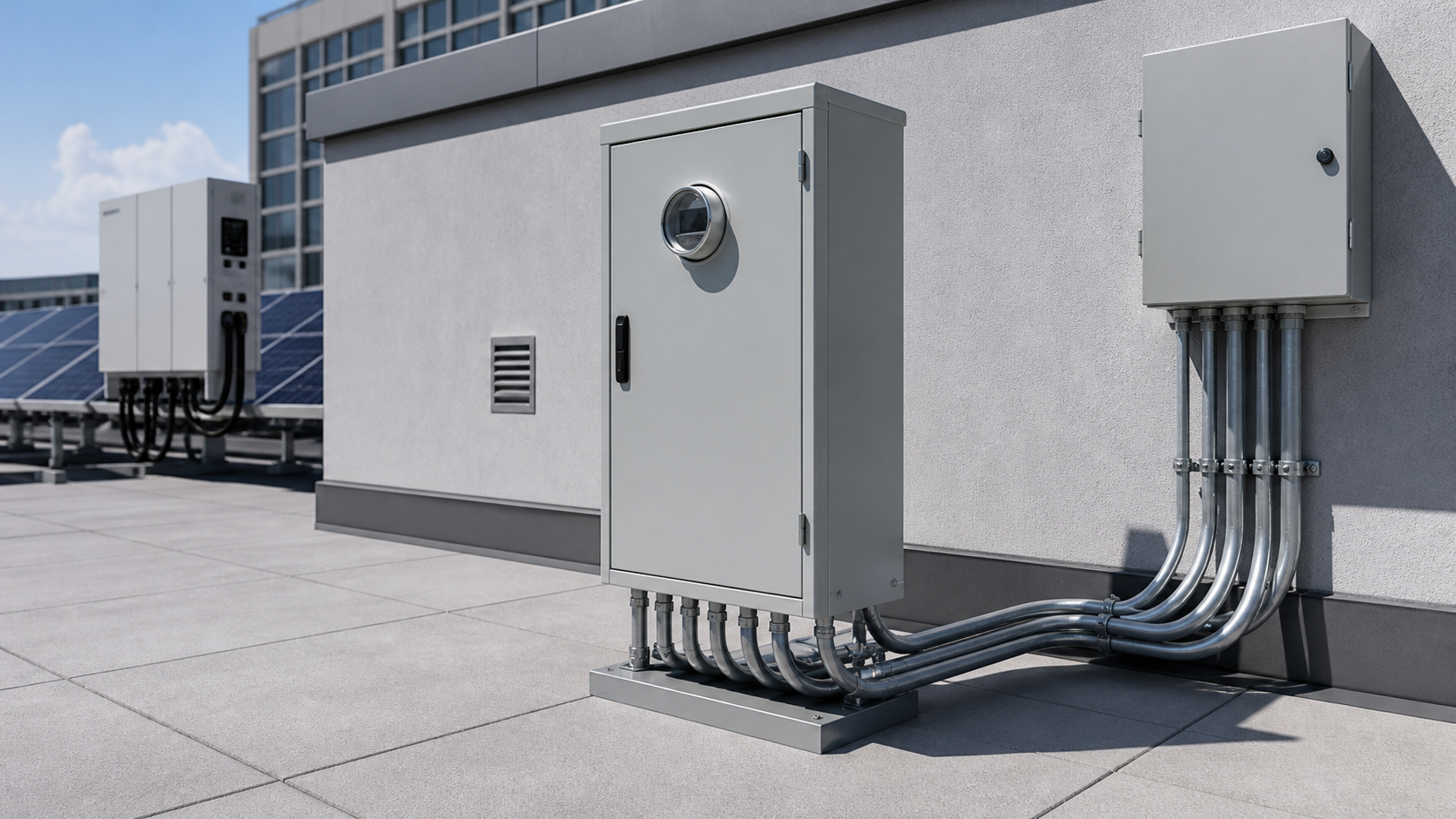
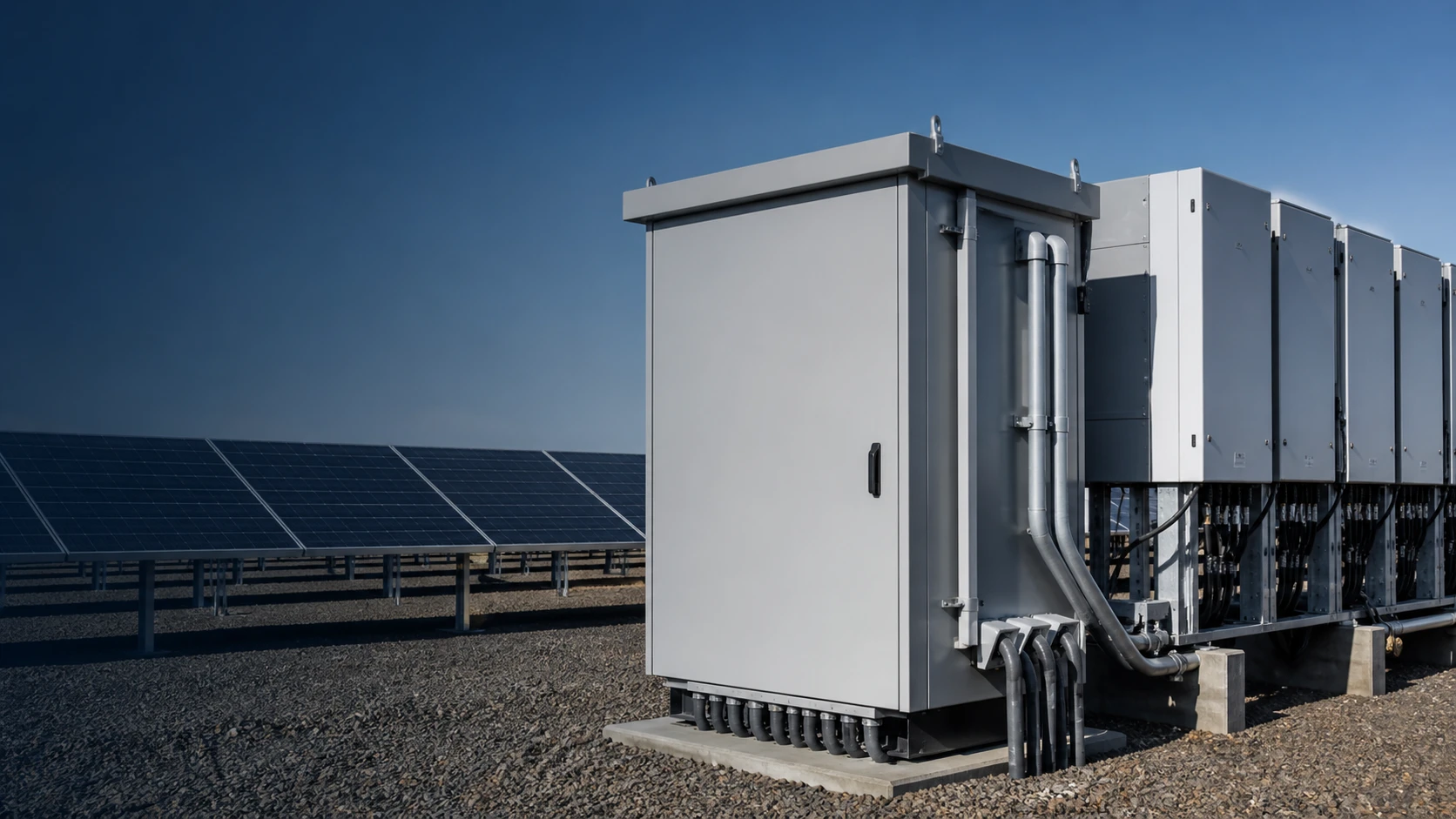
The grid-tie cabinet is where PV meets the network: it carries the disconnecting means, metering and protection that govern back-feed. A well-specified cabinet makes reverse flow observable and controllable.
NEUTRON low-voltage switchgear and grid-tie equipment are built so the interface is measurable and safely isolated.
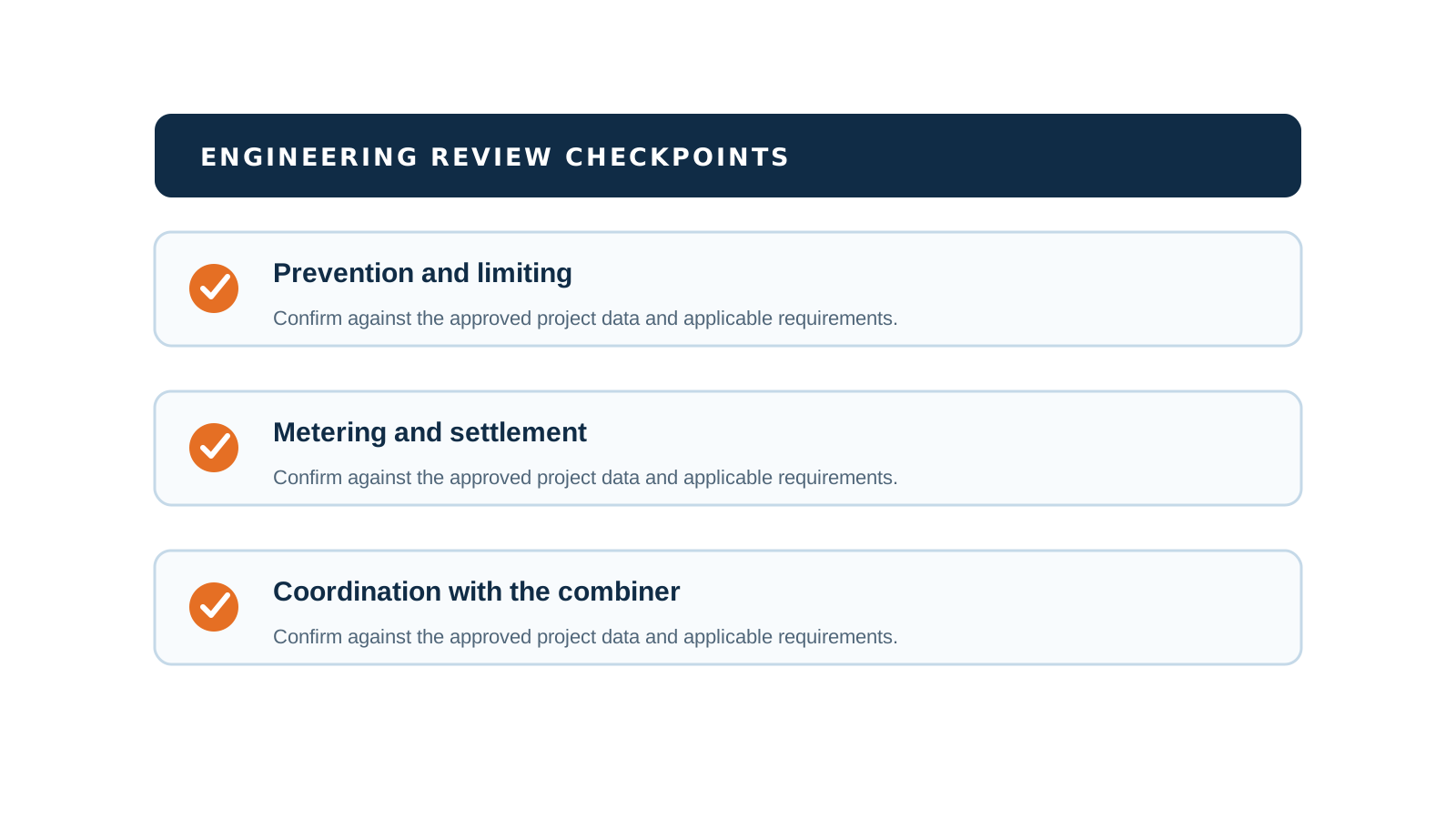
4. Prevention and limiting
Prevention ranges from sizing generation to local load, to active limiting at the interface when export would breach a limit. The method depends on the rule and the network in question.
Coordinated protection ensures the interface clears a fault in either direction without tripping neighbors.
5. Metering and settlement
Exported energy is metered and settled through the market, so accurate bidirectional metering at the grid-tie point is part of compliance, not optional.
Pair the metering with combiner monitoring so the plant and the interface tell one consistent story.
Technical diagram shown at a readable responsive scale.
6. Coordination with the combiner
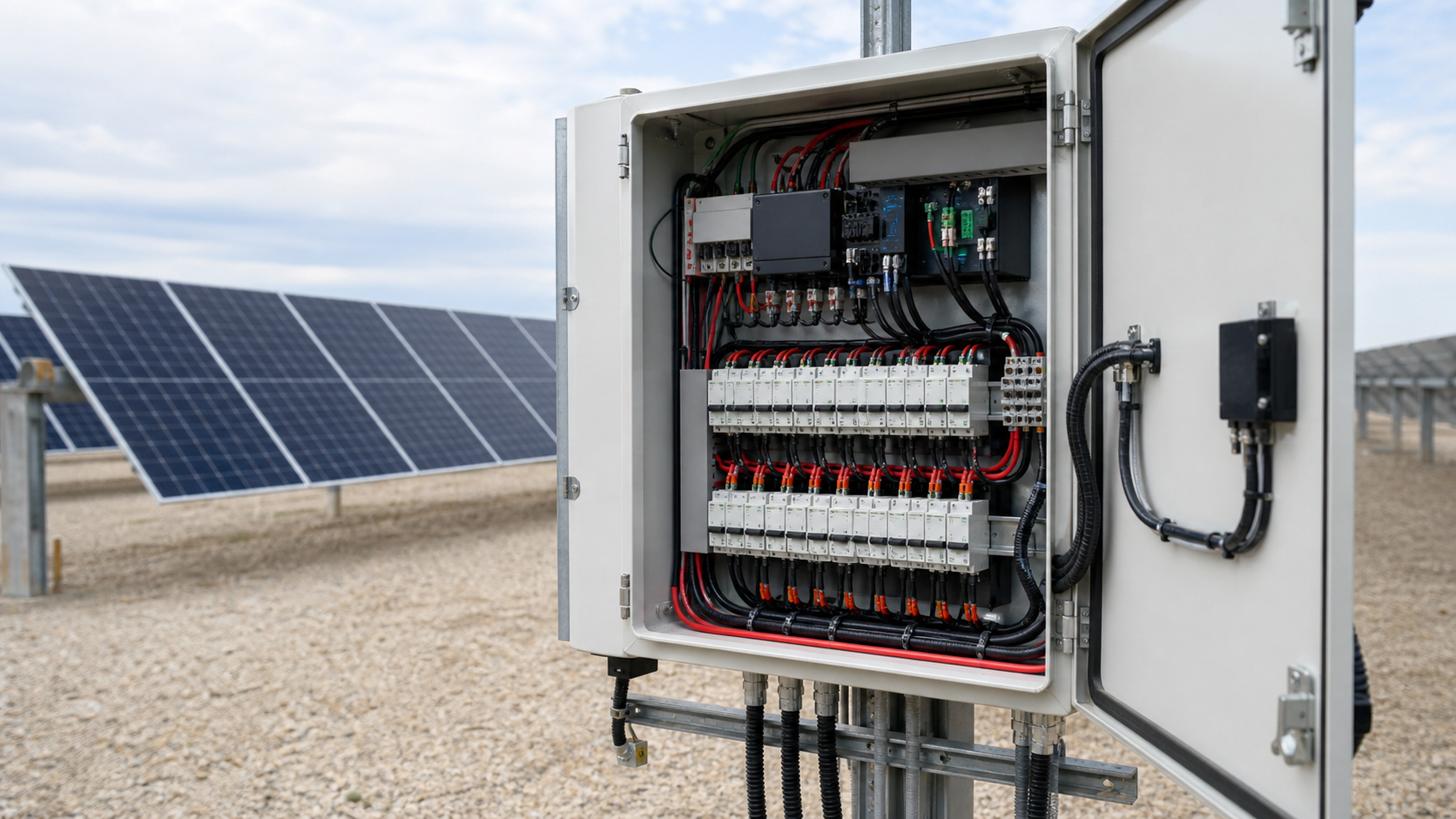
The combiner collects and fuses the strings; the grid-tie cabinet handles the network interface. Select them as one protection chain with coordinated settings.
NEUTRON DC control and protection equipment coordinates with the grid-tie interface upstream.
7. Designing for export freedom
With self-use ratio relaxed, design for clean, measurable export: confirm the interface duties, the metering class and the limiting function before release.
Keep the disconnecting means clear so maintenance and emergency isolation stay simple.
8. Specification takeaways
Confirm the grid-tie duties, bidirectional metering, limiting function and protection coordination. Document the interface concept for commissioning.
NEUTRON supports the discussion around compliant commercial PV grid-tie design.
This guide supports an initial technical review. Final ratings, standards, protection coordination, monitoring interfaces and configuration must be confirmed for the actual project requirement.
Frequently asked questions
What changed for commercial PV export?
Newer rules let commercial PV choose self-use or self-use with surplus export, with exported energy joining the market, easing the old self-use ratio.
What is reverse flow at the grid-tie point?
PV power moving backward through the interface toward the network during surplus; it must be measured and, where required, limited for network safety.
How does the grid-tie cabinet help?
It carries the disconnecting means, metering and protection that make back-feed observable and controllable, and clears faults in either direction.
Why coordinate combiner and grid-tie?
They form one protection chain; coordinated settings let the interface clear a fault without tripping neighboring customers.
Bring the project inputs together
Use the technical inputs in this guide to prepare a clear project discussion.
Discuss a projectContinue learning
Explore related technical guidance in Solar PV.

Technical note: final ratings, standards, protection coordination, monitoring interfaces and configurations remain subject to the agreed project requirement.