
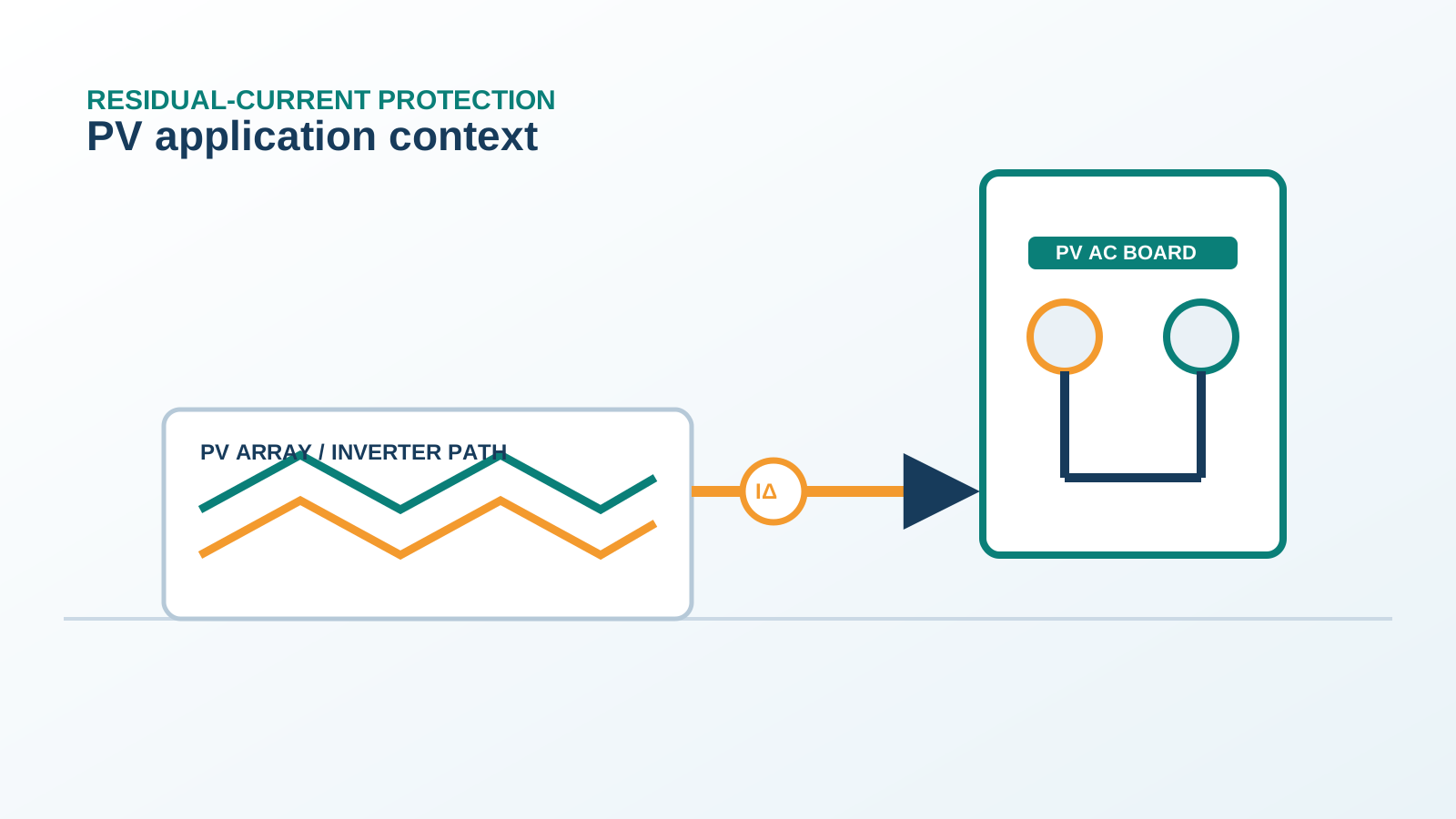
2. Smooth-DC detection in monitoring
Smooth DC is a steady direct-current leakage that rides on the PV earthing path and grows as insulation ages or as common-mode conditions develop. The monitor's sensing core and signal processing must capture this steady component, not just the alternating part, so that slow-building faults are reported before they reach a trip level on the protection device.
This is the defining capability that separates a Type-B-sensitive monitor from a general-purpose current meter.
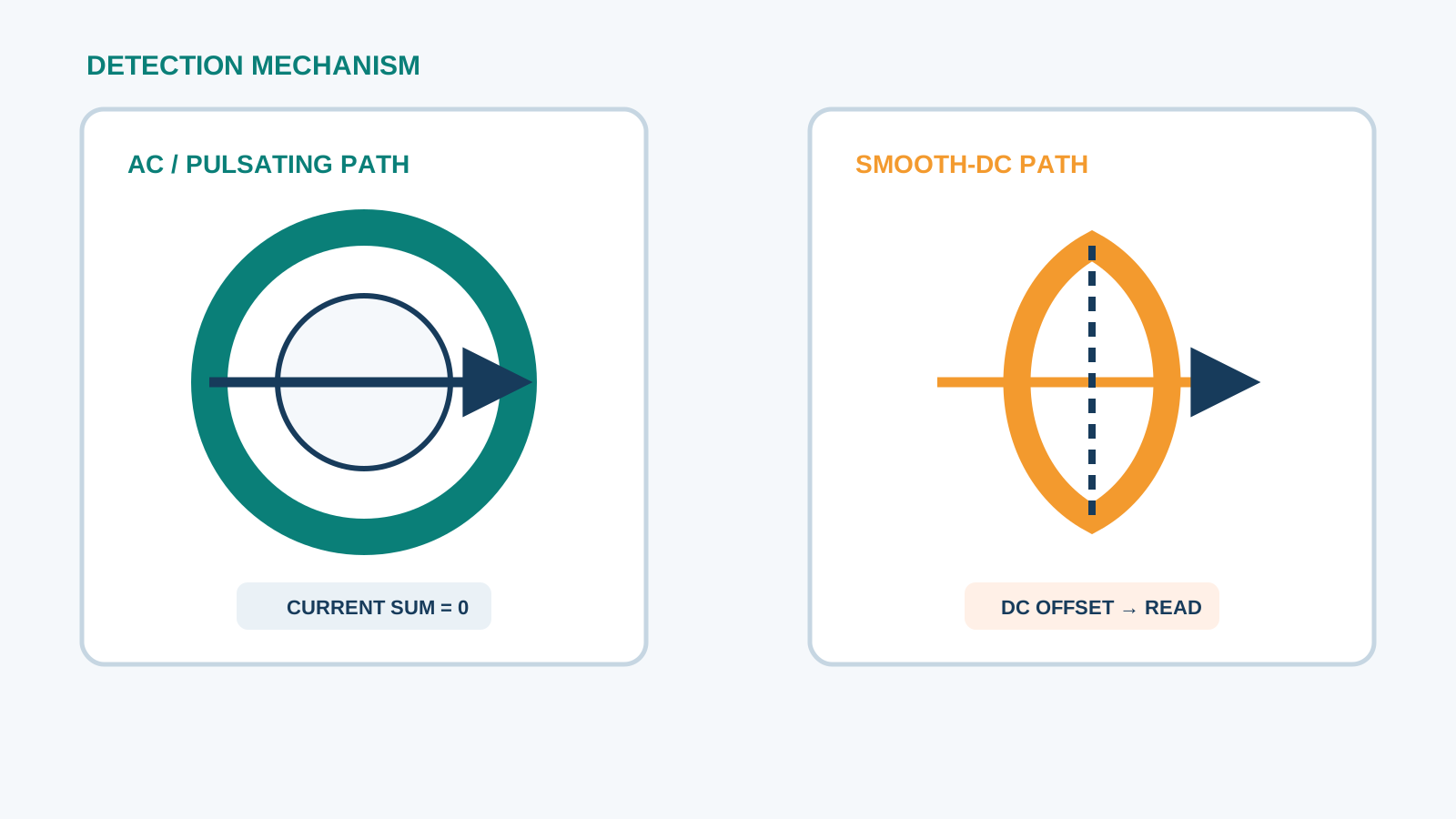
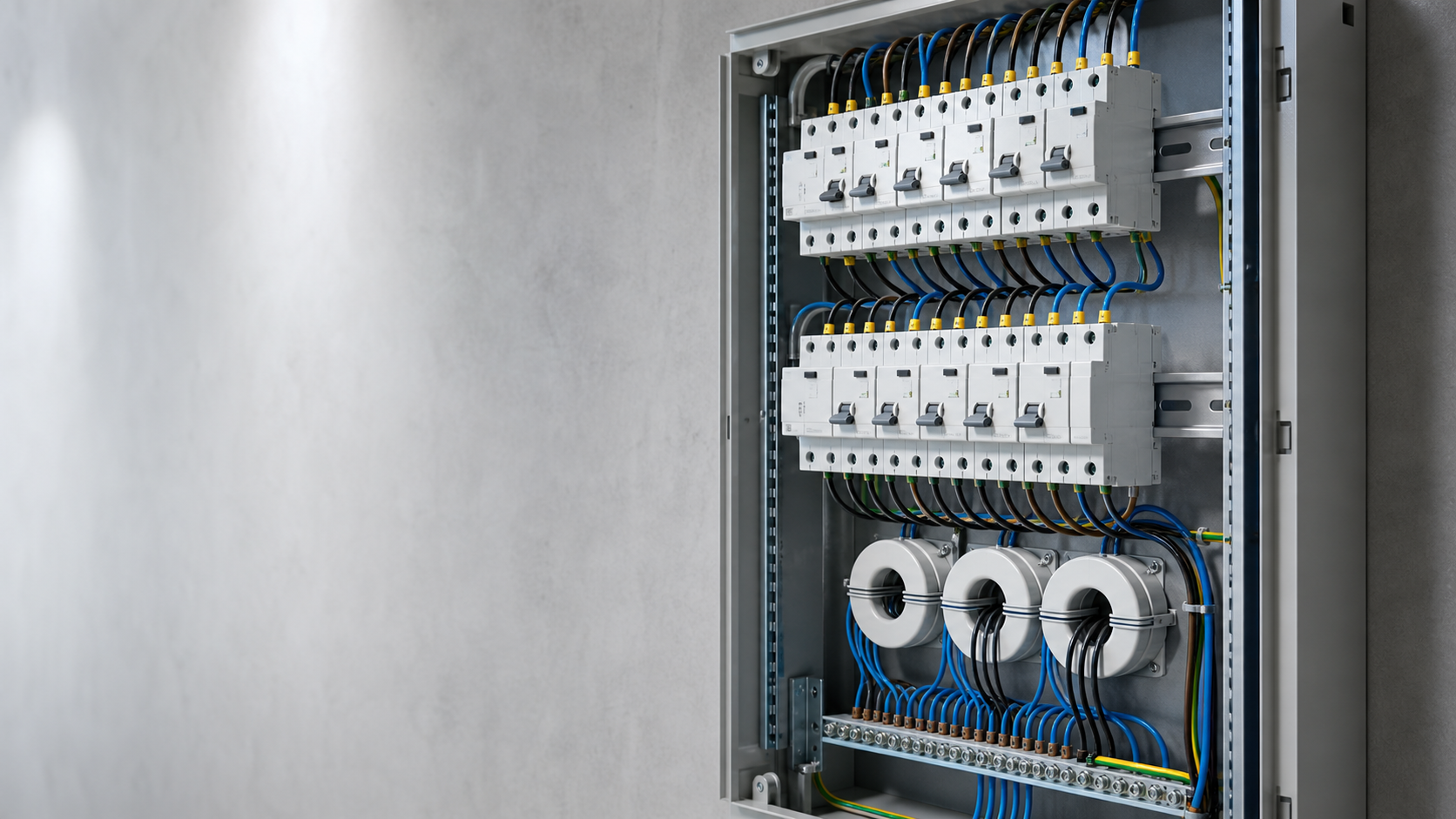
Technical diagram shown at a readable responsive scale.
3. Threshold setting (6 mA and above)
The detection threshold for smooth DC in PV applications is commonly referenced to the 6 mA figure associated with inverter leakage protection. The monitor is typically set to alarm at or below this level so operators receive early warning, while the downstream protective device trips at the coordinated protective value.
Setting the alarm clearly under the trip point gives time to investigate without sacrificing the safety margin of the protective stage.
4. Monitor vs trip device split
A useful division is to let the monitor alert and log, and let a separate protective device interrupt. The monitor captures trends and pre-fault conditions; the trip device acts on the fault.
This split avoids unnecessary disconnection from transient readings while still guaranteeing interruption when the residual current becomes hazardous, which is the balance most plants want.
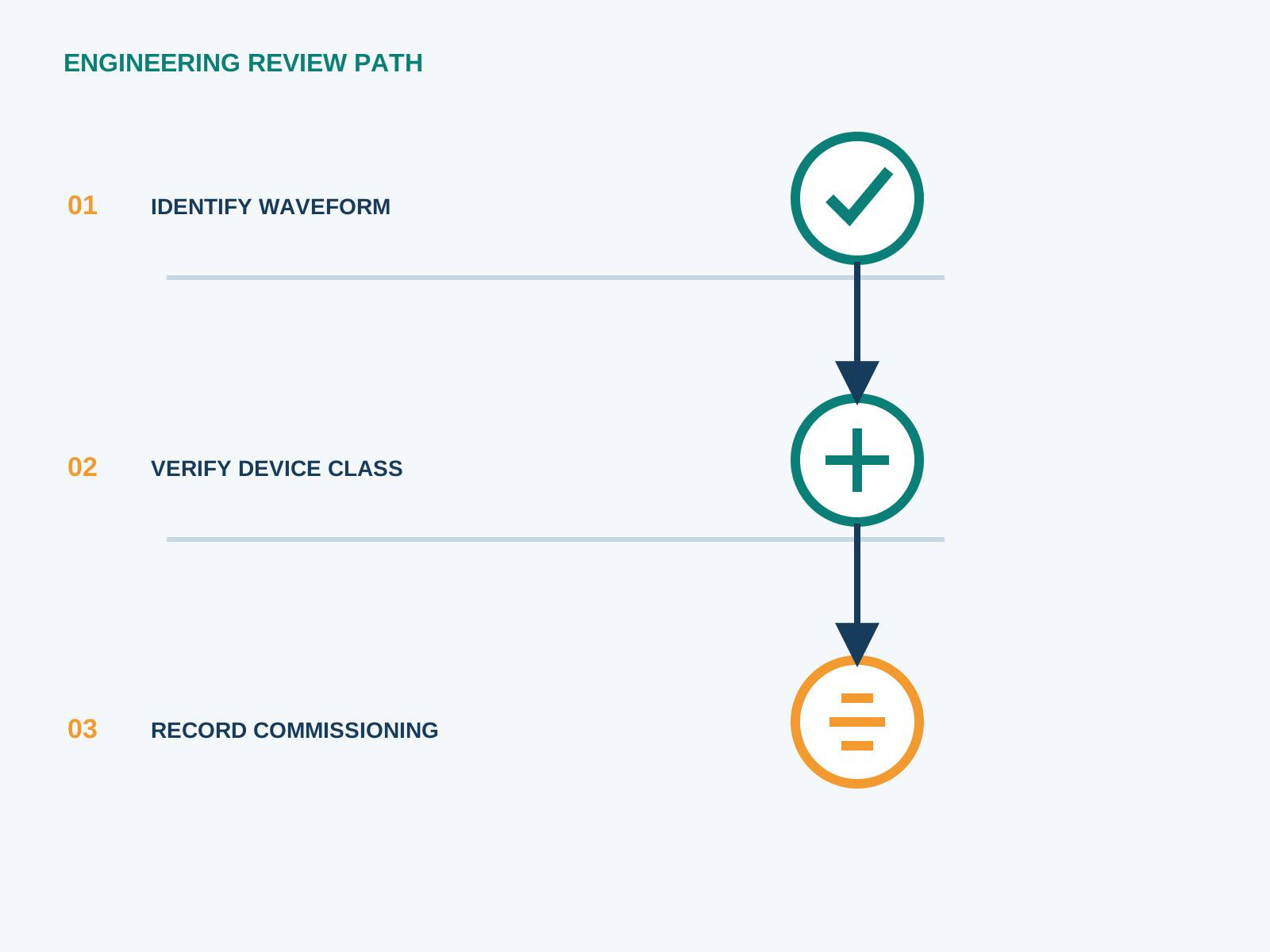
5. Logging for O&M
Because the monitor records residual-current magnitude and time, maintenance teams gain a trend line that precedes failures. A slowly rising baseline points to degrading insulation or a developing common-mode path, letting the team schedule intervention during a planned window instead of reacting to an unexpected trip.
The log also helps distinguish a genuine fault from a temporary leakage peak tied to weather or start-up.
6. Integration with inverter data
The monitor output can be brought into the plant controller alongside inverter residual-current data, giving a layered view where the inverter provides fast trip and the external monitor provides independent confirmation and history.
NEUTRON supplies the DC-side protection and switchgear that present these signals to the coordination layer; the inverter itself is provided by another party in the project.
7. Standard basis
Type-B-sensitive detection is governed by IEC 62423, which defines residual-current devices responsive to all-current including smooth DC, and it aligns with the inverter monitoring requirements of IEC 62109. Specifying the monitor against these standards ensures it is fit for the PV leakage character rather than for generic AC loads.
Confirming the marking and the test report against IEC 62423 is part of a sound procurement check.
8. Specifying in BOS
Within the balance of system, the monitor is specified by its detection type, its alarm and trip thresholds, its measuring range and its communication output. Pairing it with Type-B-sensitive protection and with the DC isolation and fusing supplied by NEUTRON completes a coherent residual-current strategy for the plant.
The selection should be recorded in the BOS documentation so later maintenance and extensions stay consistent.
This is general application guidance. Confirm final ratings, trip settings, standards, inverter instructions and local installation requirements against approved project documentation and a qualified engineer's review.
Frequently asked questions
What is a Type-B-sensitive monitor?
It is a residual-current monitor whose sensing and processing respond to alternating, pulsating and smooth direct current, the full leakage character found in PV systems, as defined by IEC 62423.
Monitor or trip — which first?
In a layered scheme the monitor alerts and logs first, giving early warning, while the protective device performs the interruption at the coordinated trip threshold. They act at different stages of the same fault.
Does monitoring need 6 mA?
The smooth-DC detection is commonly referenced to the 6 mA level used for PV leakage, with the monitor alarm set at or below it so operators are warned before the protective trip level is reached.
How does it log faults?
The monitor records residual-current magnitude against time, producing a trend that maintenance can review to spot gradual insulation degradation and to correlate alarms with operating conditions.
Bring the protection inputs to the first review.
{ "@context":"https://schema.org", "@type":"Article", "headline":"Type-B-Sensitive Residual-Current Monitoring for PV", "author":{ "@type":"Organization", "name":"NEUTRON LLC" }, "publisher":{ "@type":"Organization", "name":"NEUTRON LLC", "logo":{ "@type":"ImageObject", "url":"https://www.neutronele.com/logo.png" } }, "datePublished":"2026-09-03", "dateModified":"2026-09-03", "mainEntityOfPage":"https://www.neutronele.com/insights/residual-current-monitoring-type-b-sensitive-pv", "image":"https://www.neutronele.com/insights/img/residual-current-monitoring-type-b-sensitive-pv-hero.jpg" }
Discuss a project requirementContinue learning
Explore related technical guidance in Electrical Protection.
Published from the approved period 10 source package; technical claims and source wording are retained for review.