
2. Minimum insulation resistance value
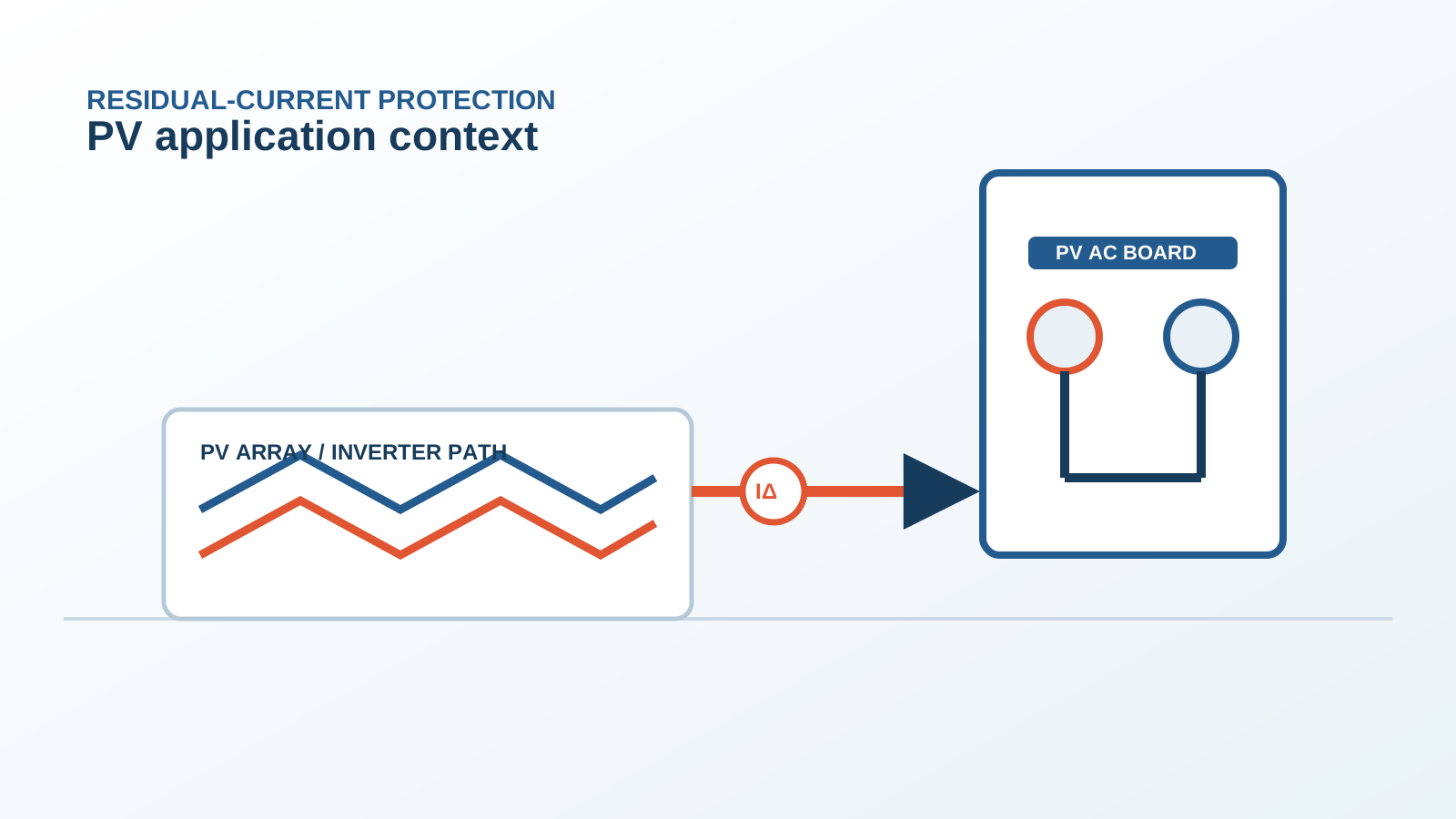
The practical acceptance value is commonly expressed as a minimum insulation resistance related to system voltage, with a frequent rule of at least 1 megaohm or a value scaled to the open-circuit voltage divided by a factor. The exact figure is taken from the project specification and the edition of the standard in force, and it applies to the whole array measured conductor-to-earth.
The same value is used for the initial acceptance and for judging later re-tests, which is why the first record matters.
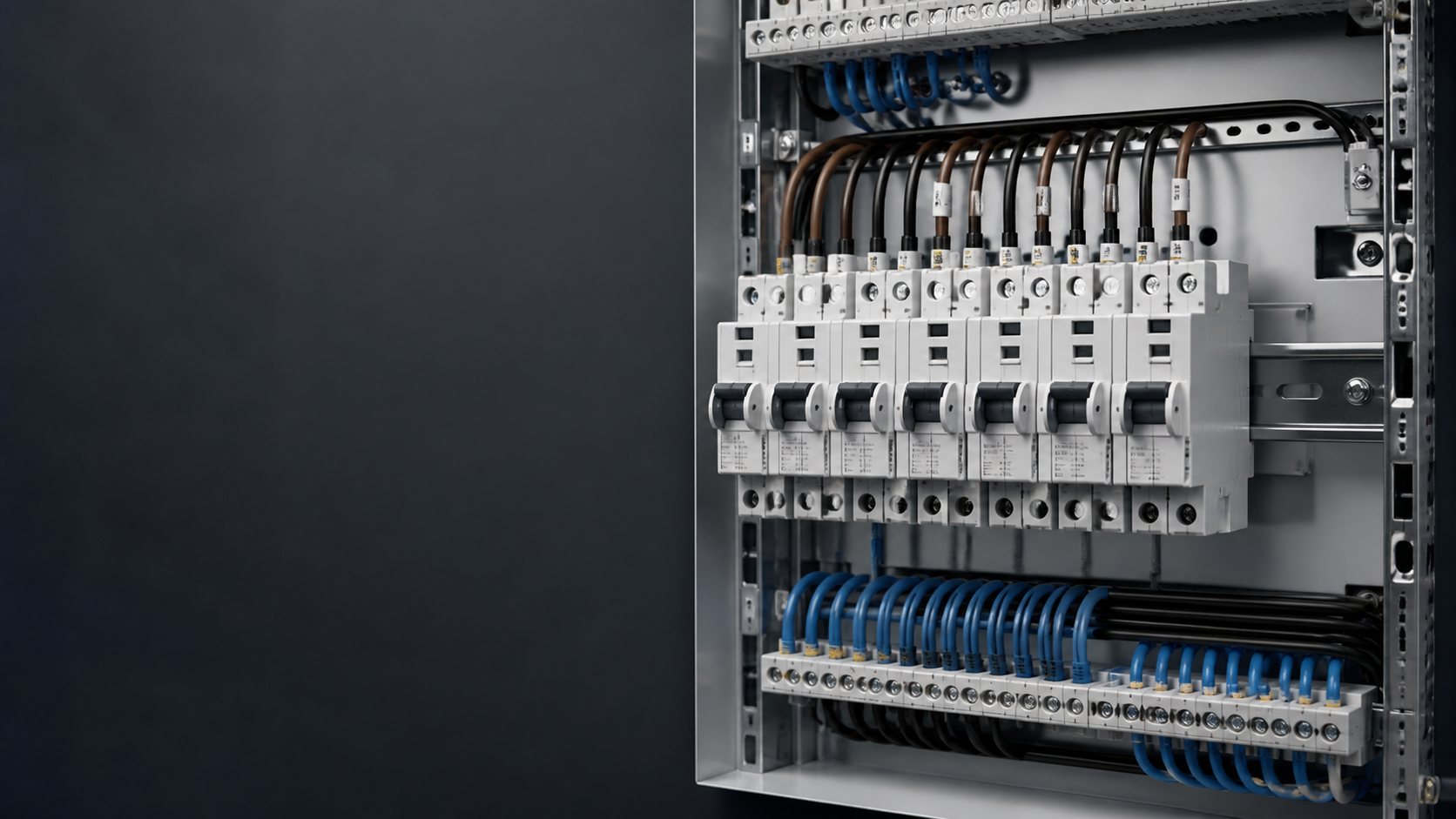
Technical diagram shown at a readable responsive scale.
3. Measuring DC array insulation
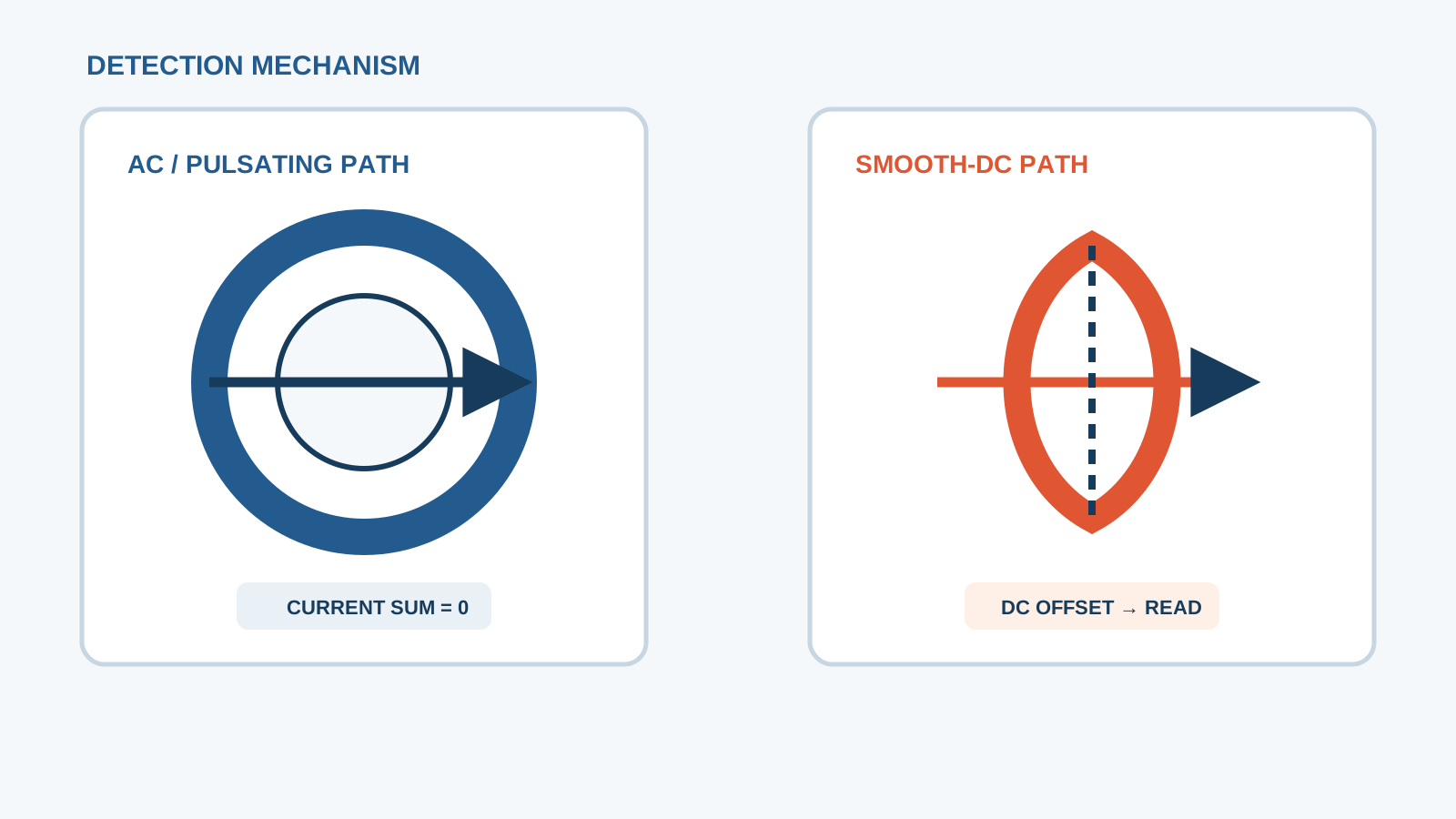
The measurement is made with an insulation resistance tester, often called a megger, applied between the array conductors and the earthing system with the inverter disconnected. The tester applies a DC test voltage and reads the resistance.
On a grounded array the reference conductor is already earthed, while on an ungrounded array both conductors are tested to earth to capture the full picture.
4. Wet vs dry weather effect
Insulation readings fall in wet or humid conditions because surface moisture lowers the effective resistance to earth. A low reading after rain is not automatically a failure; it must be judged against the weather and the standard's allowance for temporary surface effects.
The decisive test is the dry-condition baseline recorded at commissioning, which represents the array in its reference state.
5. Relation to IMD/RCM
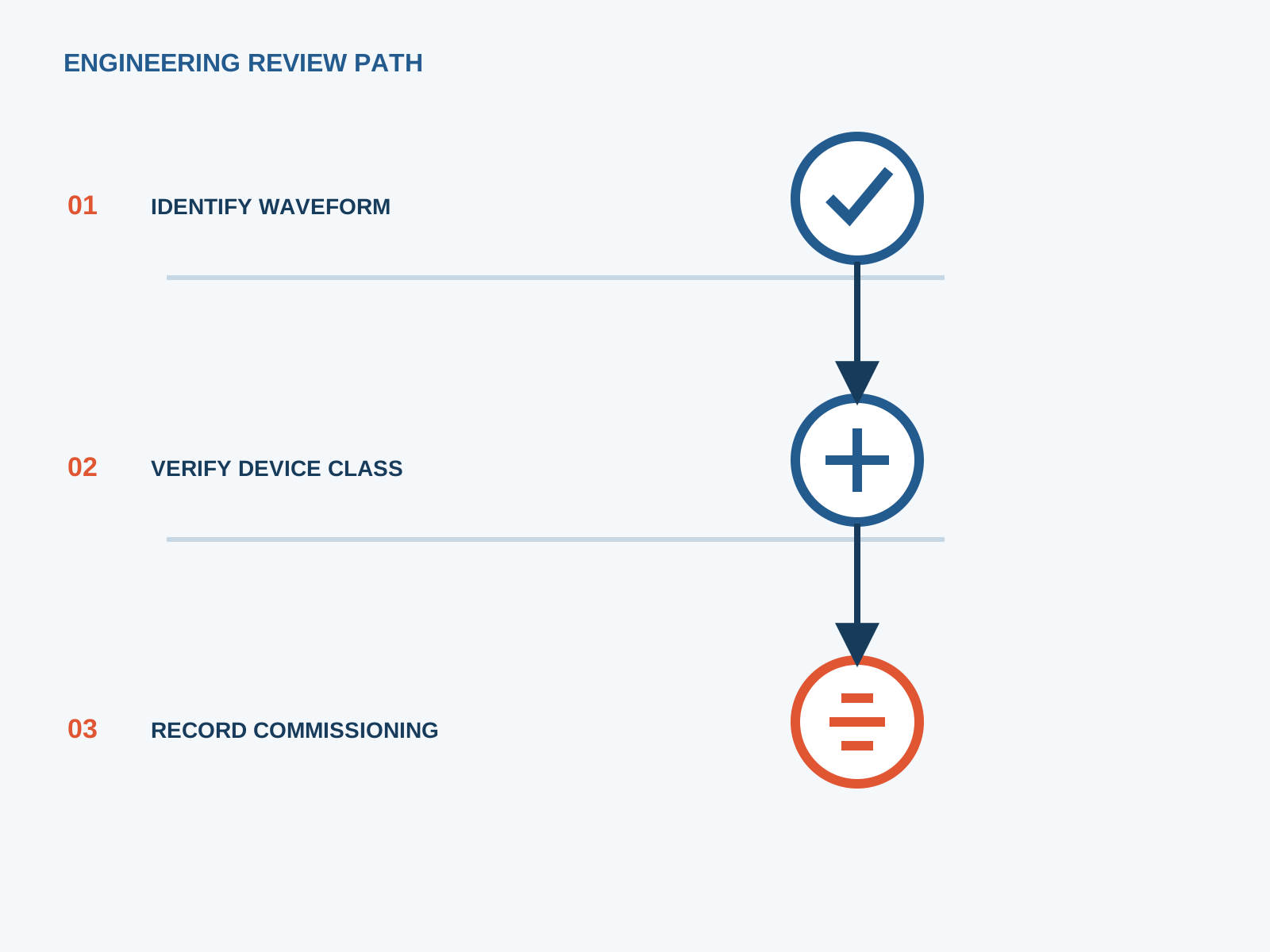
The manual IEC 62446 test is a point-in-time commissioning check, whereas an IMD or RCM gives continuous supervision during operation. The two are complementary: the commissioning measurement establishes the healthy baseline, and the online monitor tracks drift from it.
Neither replaces the other, and a monitor alarm should prompt a fresh insulation measurement to confirm the condition.
6. Recording and handover
Every string and the combined array should have its insulation resistance recorded, together with the test voltage, ambient condition and the earthing state. These records form part of the handover file and become the reference for future re-tests and for diagnosing a monitor alarm.
NEUTRON's DC protection and coordination hardware is documented alongside these results so the whole protection chain is traceable.
7. Re-test intervals
Re-testing is scheduled by the asset owner, typically at periodic maintenance or after a fault, an array extension, or severe weather. Comparing each new reading with the commissioning baseline shows gradual insulation ageing or connector degradation before it becomes a safety event.
A falling trend is an early indicator that maintenance can act on well before a trip or an outage occurs.
8. Troubleshooting low readings
A low reading is traced by isolating strings and re-measuring to find the affected section, then inspecting connectors, junction boxes and module frames for moisture or damage. The fault is usually a compromised seal or a soiled surface rather than a failed module, and it is corrected before energising.
The protective devices supplied by NEUTRON remain in service once the insulation is restored to the commissioning baseline.
This is general application guidance. Confirm final ratings, trip settings, standards, inverter instructions and local installation requirements against approved project documentation and a qualified engineer's review.
Frequently asked questions
What insulation resistance does IEC 62446 require?
IEC 62446 requires a commissioning insulation-resistance measurement of the DC array to earth, with an acceptance value taken from the project specification, commonly a minimum in the low megaohm range scaled to system voltage.
How often to re-test?
Re-testing is set by the asset owner, usually at planned maintenance, after a fault, after an array extension, or following severe weather, always compared against the commissioning baseline.
Low reading in rain — fail?
Not necessarily. Surface moisture can depress the reading temporarily. The result is judged against weather and the standard's treatment of wet conditions; the decisive value is the dry-condition baseline.
Does IMD replace the manual test?
No. The IMD gives continuous online supervision, while the IEC 62446 measurement is a mandatory point-in-time commissioning test. They are complementary, and a monitor alarm should trigger a fresh manual measurement.
Bring the protection inputs to the first review.
{ "@context":"https://schema.org", "@type":"Article", "headline":"PV Array Insulation-Resistance Monitoring per IEC 62446", "author":{ "@type":"Organization", "name":"NEUTRON LLC" }, "publisher":{ "@type":"Organization", "name":"NEUTRON LLC", "logo":{ "@type":"ImageObject", "url":"https://www.neutronele.com/logo.png" } }, "datePublished":"2026-09-03", "dateModified":"2026-09-03", "mainEntityOfPage":"https://www.neutronele.com/insights/pv-array-insulation-resistance-monitoring-iec-62446", "image":"https://www.neutronele.com/insights/img/pv-array-insulation-resistance-monitoring-iec-62446-hero.jpg" }
Discuss a project requirementContinue learning
Explore related technical guidance in Electrical Protection.
Published from the approved period 10 source package; technical claims and source wording are retained for review.