
1 Combined vs separate devices
A combined RCBO protects one branch with a single unit, while a separate RCCB plus MCB uses two units for the same branch. Both deliver earth-fault and overcurrent protection; the difference is physical layout, coordination freedom and cost.
NEUTRON supplies both forms within its low-voltage protection range and discusses the trade-off per board.
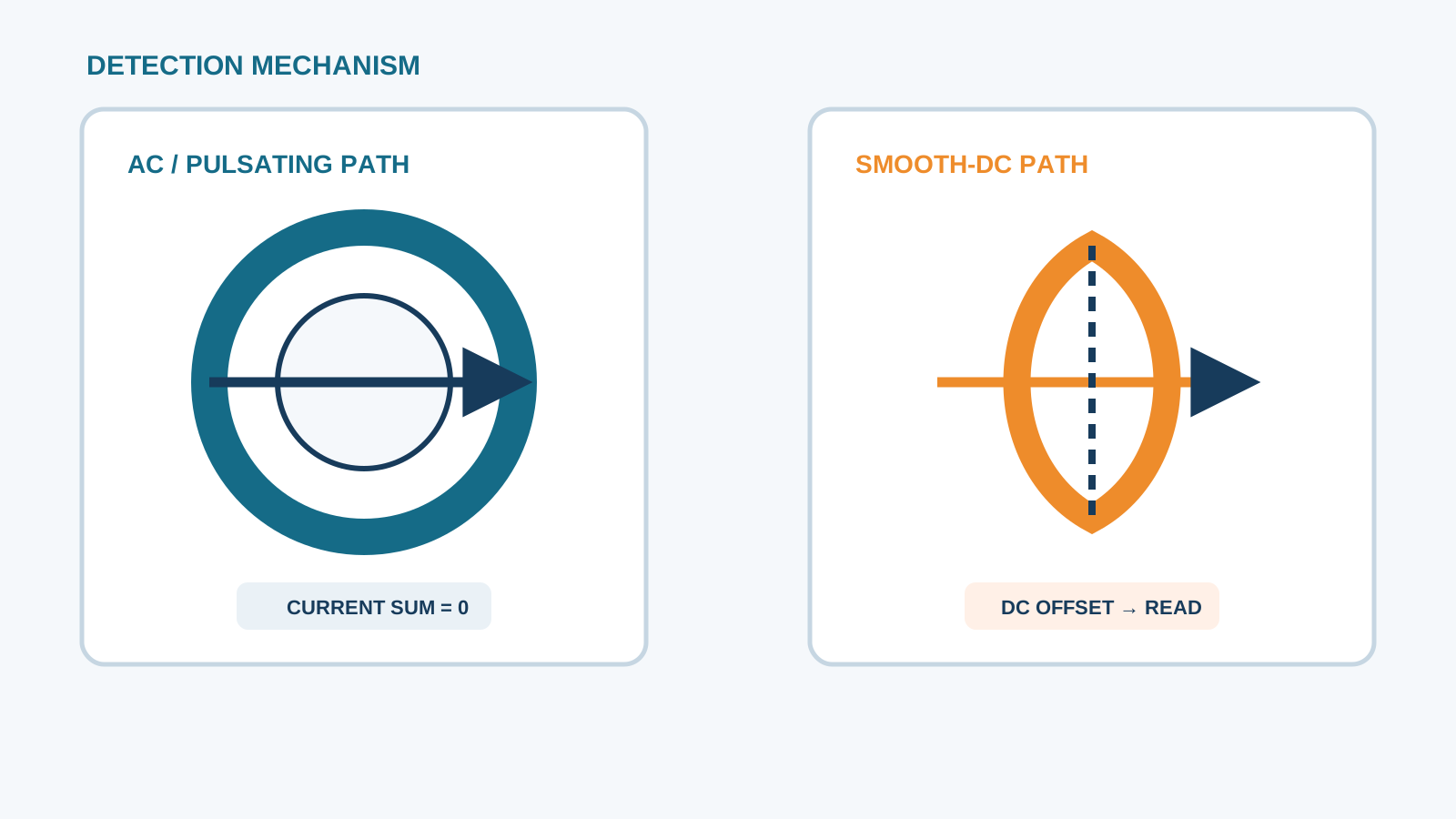
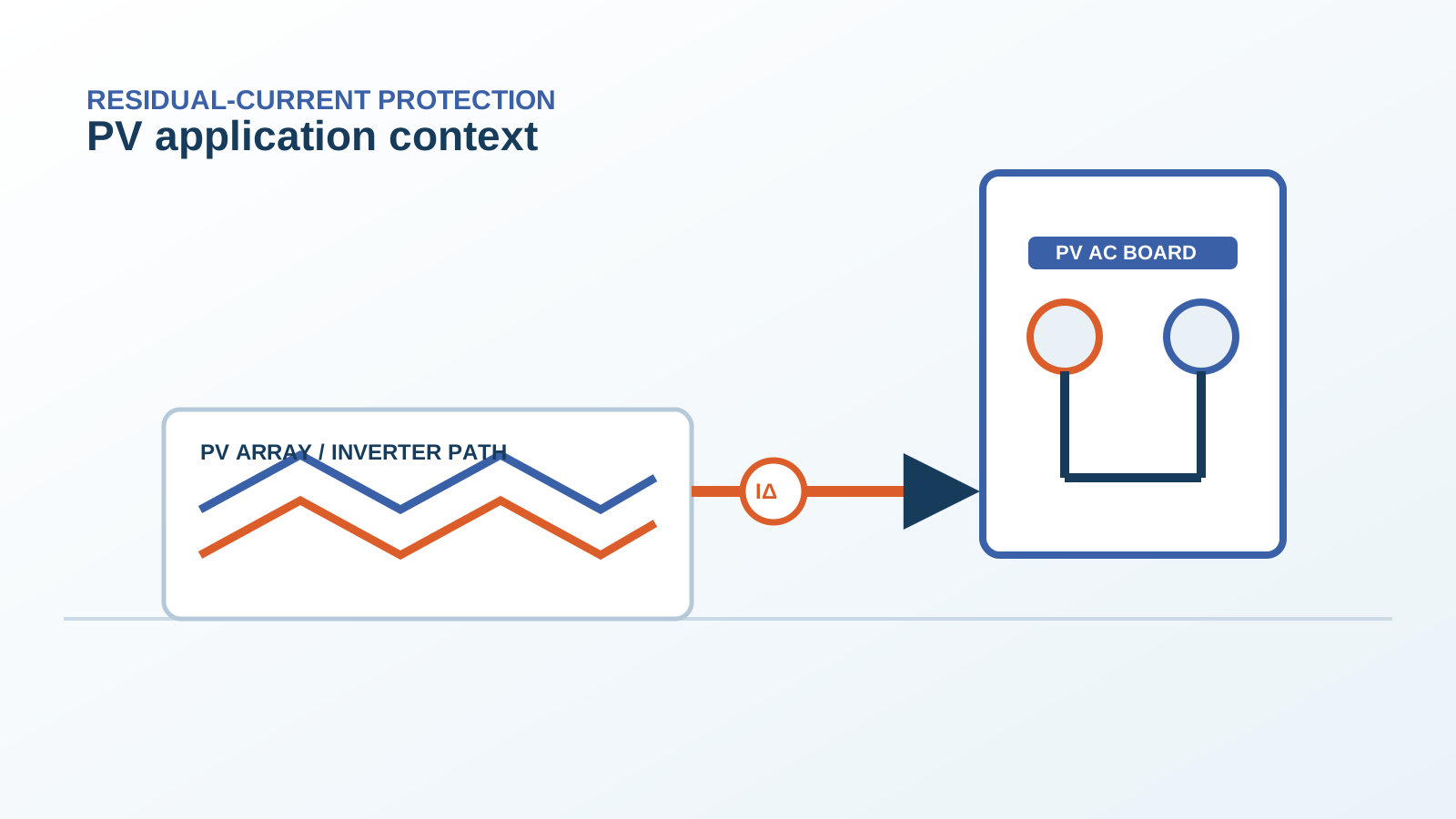
Technical diagram shown at a readable responsive scale.
2 Space in a PV AC board
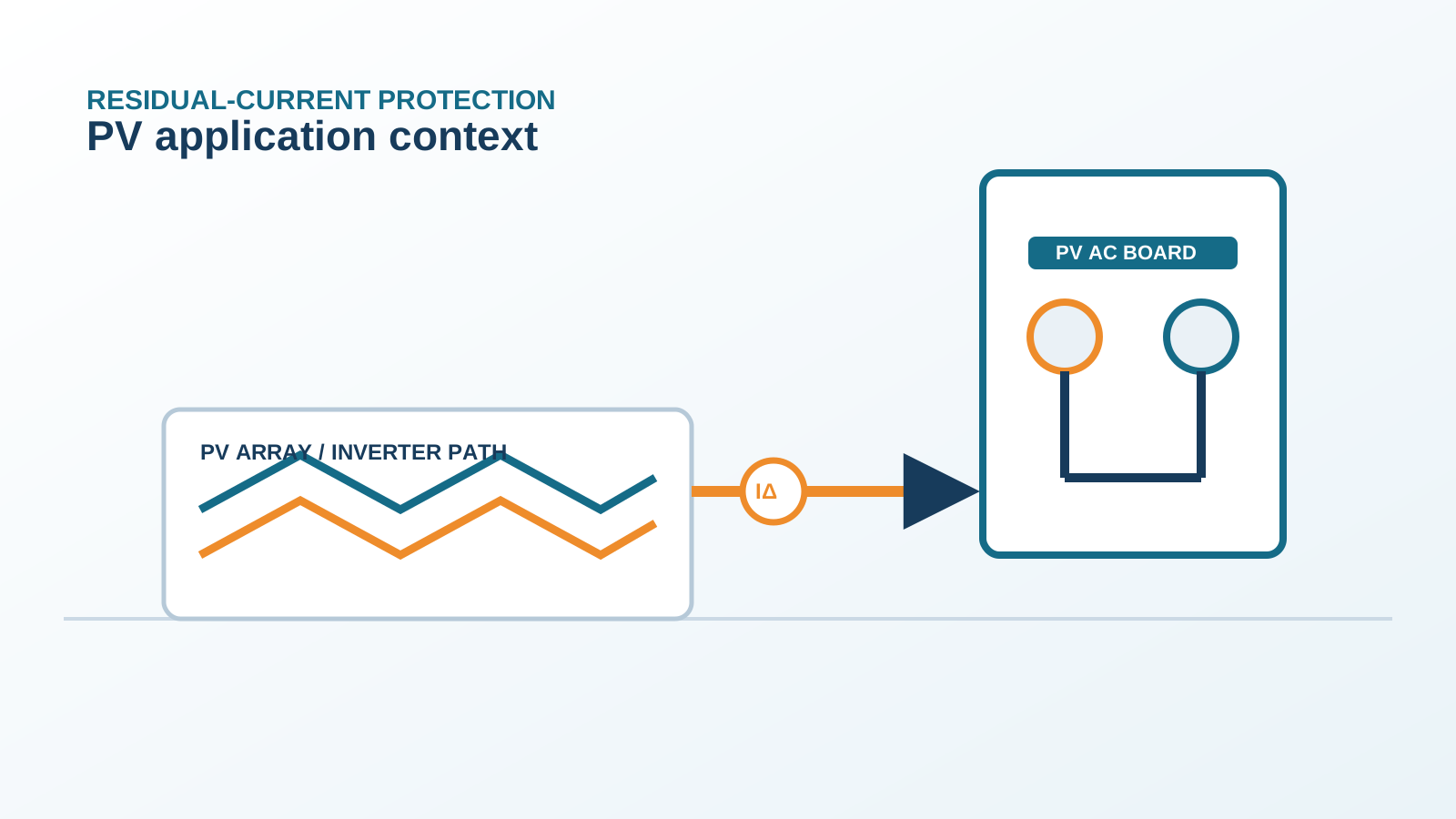
PV AC boards are often enclosed in compact wall-mounted cabinets. A single RCBO occupies roughly one module width; an RCCB plus MCB occupies two. In a board with many branches, choosing combined devices can free a full row for additional circuits or for wiring space.
Space saving is the main reason designers pick the combined form.
3 Cost per pole
On a per-protected-branch basis the combined RCBO is usually comparable to or slightly cheaper than buying an RCCB and an MCB separately, because one housing and one set of terminals replaces two. The gap narrows at higher current ratings.
Procurement should compare the total board bill of material, not the single-unit price.
4 Selectivity difference
Separate devices give more freedom to tune coordination: you can pair a Type B RCCB with a curve-D MCB selected for the exact fault level. A combined RCBO fixes both functions in one package, which can limit fine coordination.
Where selectivity is critical, separate devices are easier to engineer.
5 Maintenance and replacement
With separate devices, a failed MCB can be swapped without disturbing the earth-fault protection, and vice versa. A combined RCBO means replacing one unit restores both functions but removes both protections during the swap.
Spare-part stocking differs: combined units need one spare type, separate units need two.
6 When separate wins
Separate RCCB+MCB wins where selectivity must be engineered precisely, where the board has few branches and space is not tight, or where the operator prefers independently serviceable functions.
It also suits retrofits that already have an RCCB and only need added overcurrent protection.
7 When combined wins
Combined RCBO wins in dense boards with many branches, where every module width counts, and where the application does not demand fine coordination tuning. It also simplifies wiring and reduces terminal points that can loosen over time.
For most rooftop PV AC boards with several branches, combined devices are the practical default.
8 Procurement guidance
Decide by board branch count, available space and coordination need. Count the branches, sketch the layout, then compare the two bills of material.
NEUTRON can review the board plan and advise which form fits the protection aims and the cabinet dimensions.
This is general application guidance. Confirm final ratings, trip settings, standards, inverter instructions and local installation requirements against approved project documentation and a qualified engineer's review.
Frequently asked questions
Is RCBO cheaper than RCCB+MCB?
Per protected branch the combined RCBO is often similar or a little lower in total, since one housing replaces two. Compare the full board bill of material rather than single-unit price.
Does combined hurt selectivity?
A combined RCBO fixes both protections in one package, which can limit fine coordination tuning. Separate devices give more freedom to match exact curves.
Which saves space?
The combined RCBO uses about half the module width of a separate RCCB plus MCB, so it is the better choice in dense boards with many branches.
When should I use separate?
Use separate RCCB+MCB where selectivity must be engineered precisely, branch count is low, or the operator wants independently serviceable functions.
Bring the protection inputs to the first review.
NEUTRON can review the board plan and advise which form fits the protection aims and the cabinet dimensions.
Discuss a project requirementContinue learning
Explore related technical guidance in Power Distribution.

Published from the approved period 10 source package; technical claims and source wording are retained for review.