
1 What an RCBO combines
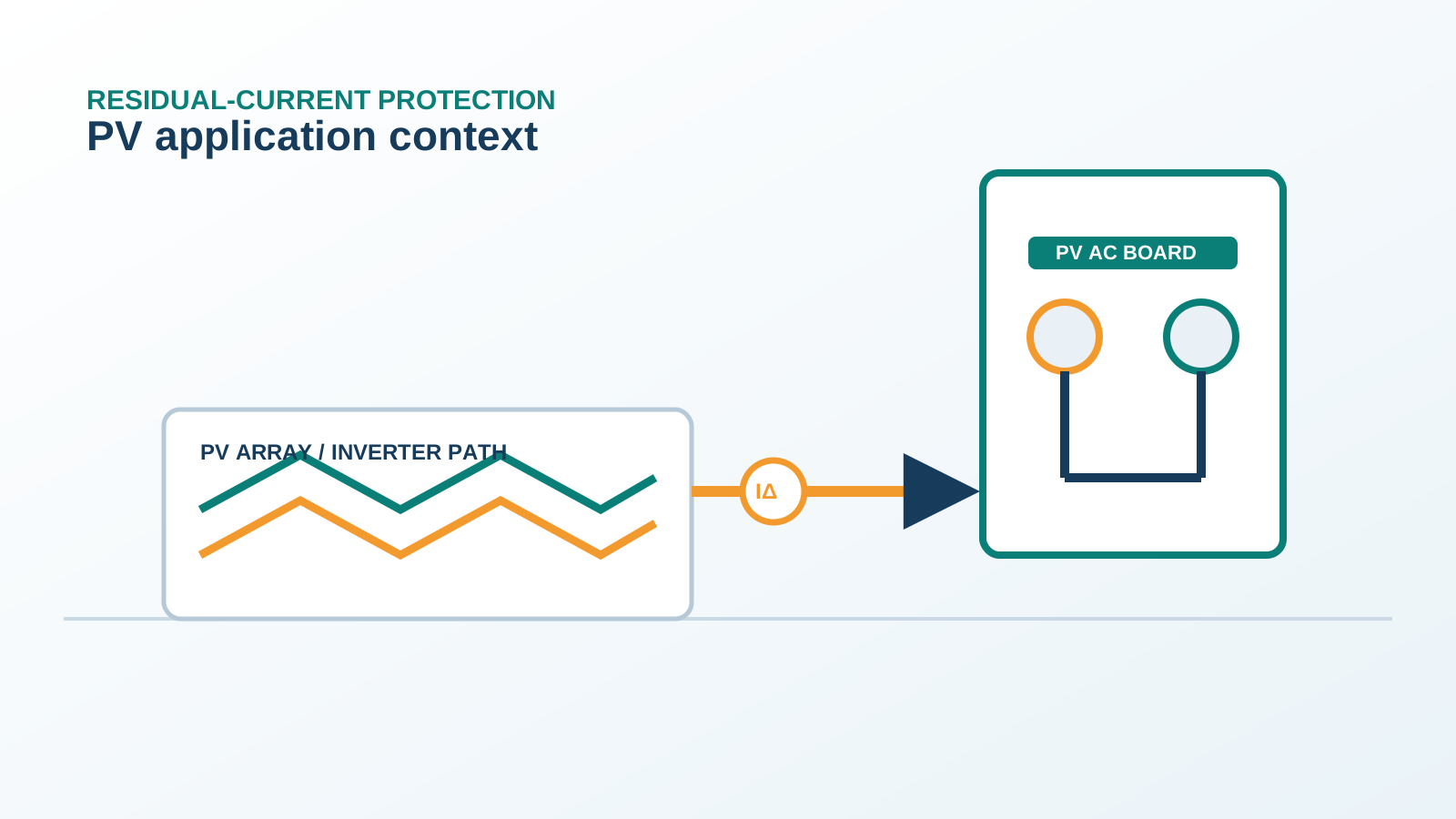
A residual-current breaker with overcurrent protection (RCBO) merges the earth-fault sensing of a residual-current device with the short-circuit and overload tripping of a miniature circuit breaker in a single pole assembly. On a PV AC combiner board this consolidation protects one outgoing circuit against both leakage to earth and overcurrent, while freeing space in a typically crowded enclosure.
NEUTRON offers RCBO devices as part of its low-voltage protection and switchgear range for PV AC distribution, and reviews the application context when a configuration is discussed.
Technical diagram shown at a readable responsive scale.
2 PV AC board protection need
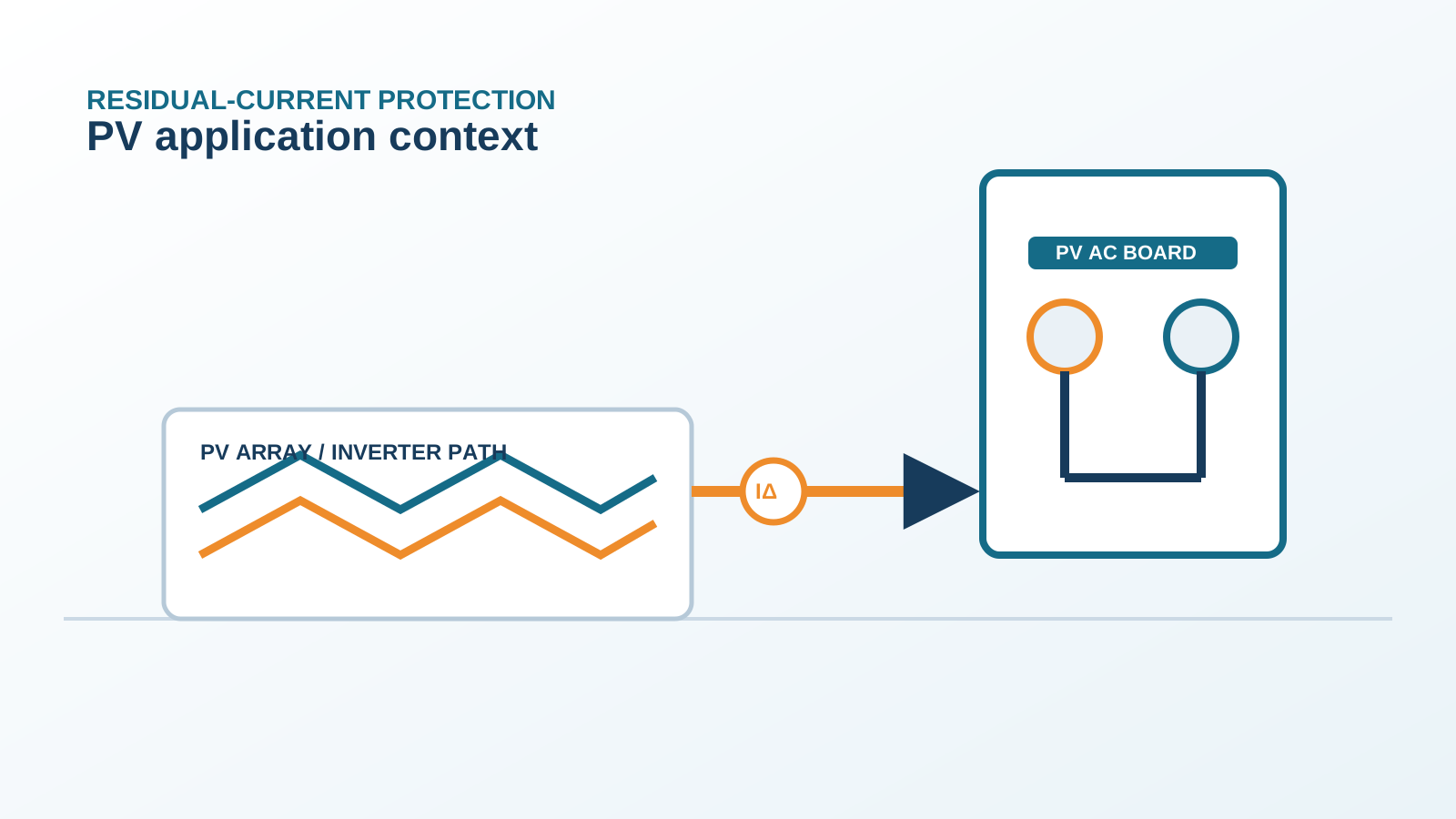
After the inverter converts DC to grid-compliant AC, the PV AC board distributes that output to the building or grid connection point. This board carries the full inverter output current and is exposed to leakage paths that can develop across the inverter, cabling and connected loads.
A dedicated protective device on each outgoing circuit keeps a single earth fault from escalating and isolates the affected branch without dropping the whole array.
3 Type A vs Type B for PV AC
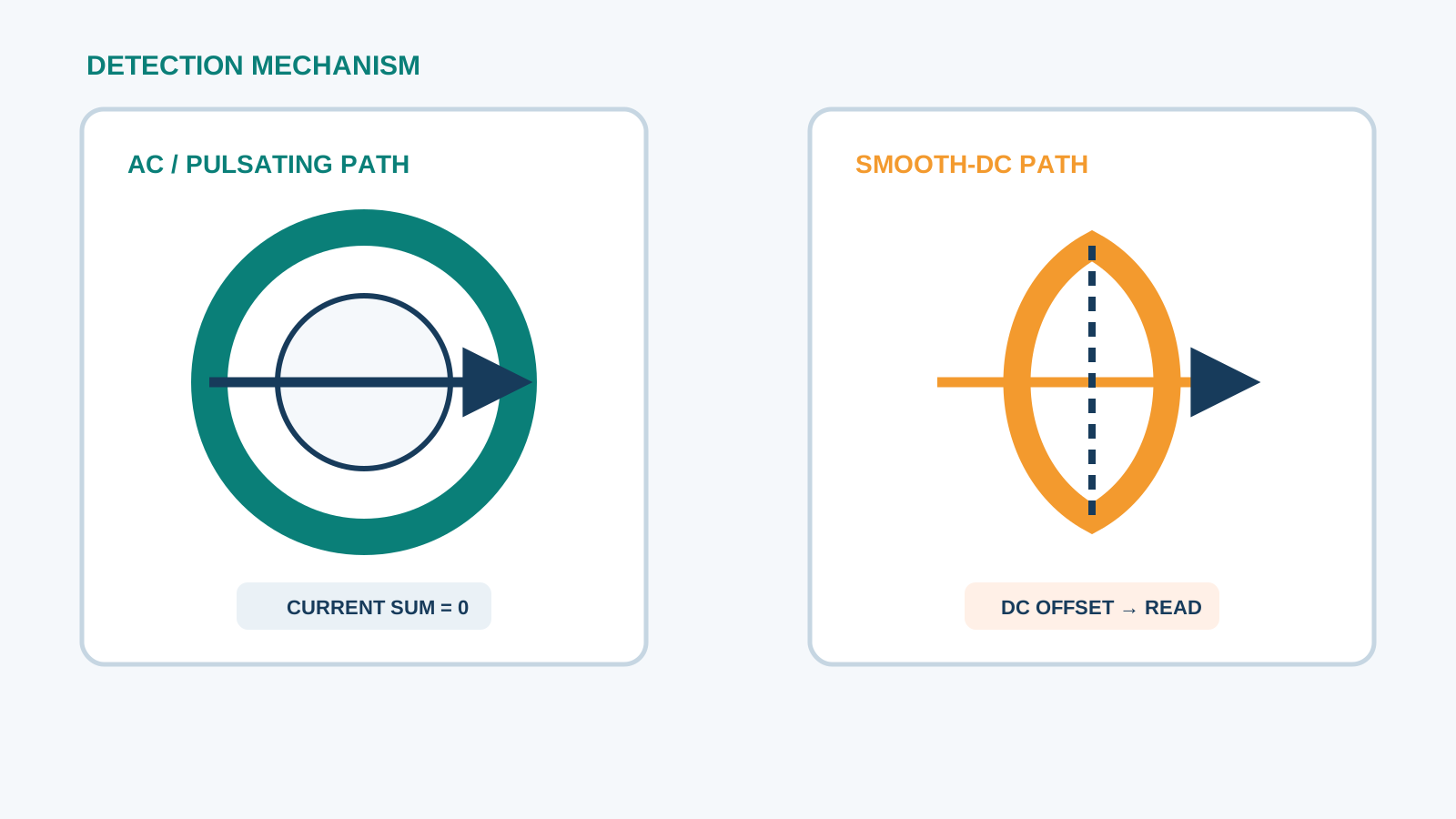
The inverter's transformerless topology can inject a smooth DC component into the AC residual current. A Type A RCBO detects pulsating DC but is blind to pure smooth DC, whereas a Type B RCBO is all-current-sensitive and also responds to smooth DC down to 6 mA.
Where the PV AC side is fed by a transformerless inverter, specifying Type B removes a known blind spot; Type A may remain acceptable only where the inverter itself provides an internal equivalent monitor and the local rule permits it.
4 Pole count and neutral
RCBOs are available in two-pole (1P+N) and four-pole (3P+N) versions. The pole count must match the PV AC distribution: a single-phase inverter output uses 1P+N, while a three-phase inverter output uses 3P+N so that the neutral is switched and measured together with the phases.
Leaving the neutral unswitched can keep a residual path energized and defeat the isolation intent of the device.
5 Sizing with the inverter output
The RCBO current rating should equal or exceed the inverter continuous AC output current, with the residual-current sensitivity chosen per the application. The magnetic trip must clear the prospective short-circuit current available at the board.
NEUTRON reviews the inverter nameplate and the board fault level when discussing a configuration, so the selected device is matched to real operating conditions rather than a generic assumption.
6 Placement in the board
Mount the RCBO on the outgoing side of the board, after the main switch and any upstream surge protection, so that maintenance isolation upstream does not remove earth-fault protection on the branch. Keep adequate spacing for heat dissipation and label each circuit for later inspection.
Good placement also keeps the test button accessible during commissioning.
7 Test button and commissioning
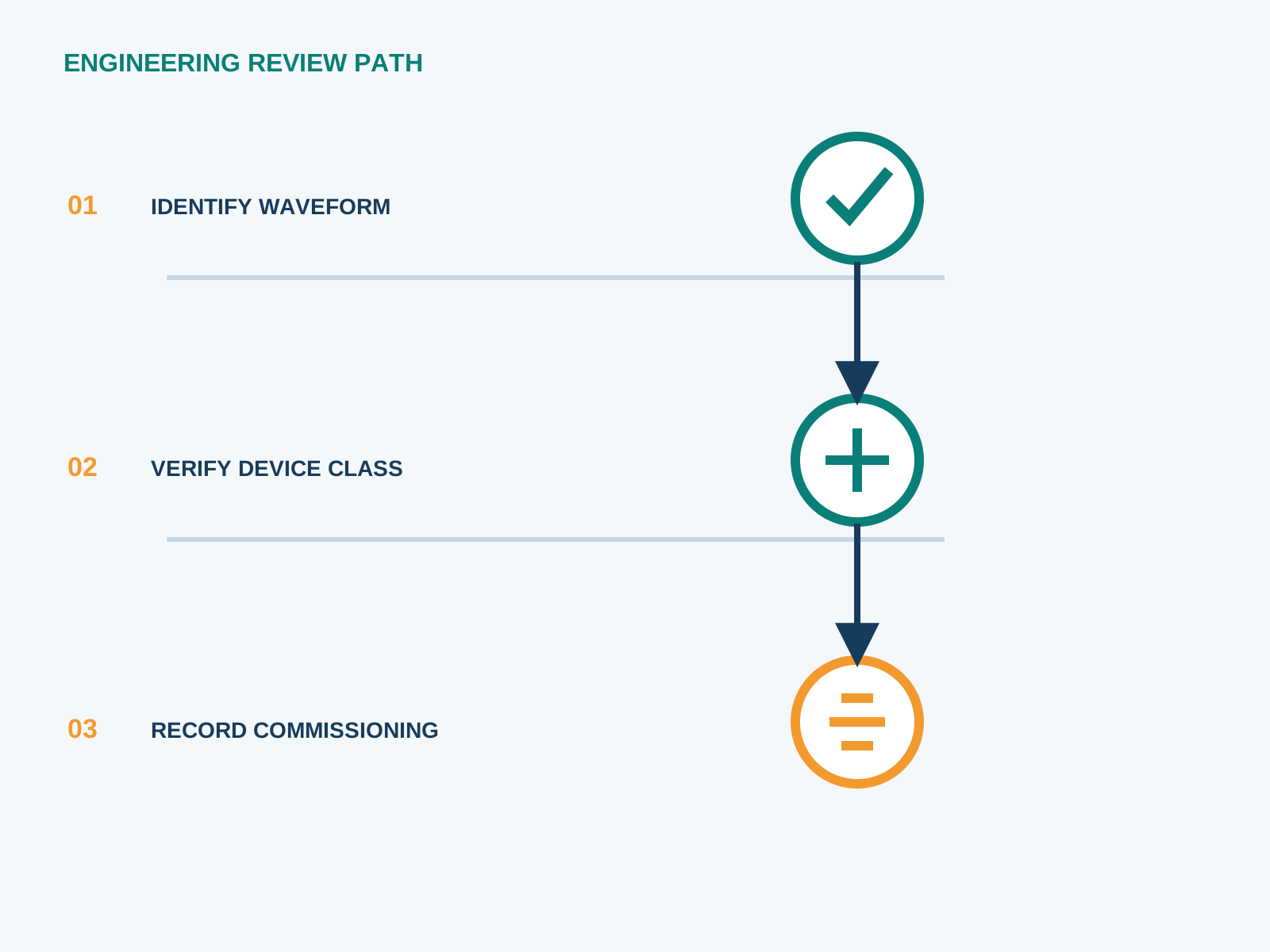
Every RCBO carries a commissioning test button that simulates a residual current to confirm the trip mechanism. During PV commissioning, operate the test button with the inverter offline, then verify the device resets cleanly.
A unit that fails to trip on test should be replaced before the system is energized.
8 Common mistakes
Typical errors include using a Type A device where smooth-DC leakage is present, undersizing the current rating against inverter output, leaving the neutral unswitched on three-phase boards, and mounting the RCBO where heat buildup reduces its life.
Reviewing the inverter topology and the board layout before procurement avoids all four.
This is general application guidance. Confirm final ratings, trip settings, standards, inverter instructions and local installation requirements against approved project documentation and a qualified engineer's review.
Frequently asked questions
Is an RCBO enough for PV AC side?
For a single outgoing branch, an RCBO provides both earth-fault and overcurrent protection. The DC side and the inverter remain protected by separate DC devices; the RCBO covers the AC distribution branch.
Type A or B for PV AC board?
Where a transformerless inverter feeds the AC board, Type B is the safer selection because it responds to smooth DC leakage. Type A may be acceptable only when the inverter provides an internal equivalent monitor and the applicable rule allows it.
Does RCBO replace MCB?
On the circuit it protects, yes - the RCBO combines MCB overcurrent protection with residual-current protection. Upstream main switches and DC protection remain separate devices.
How to test PV RCBO?
Use the built-in test button with the inverter offline during commissioning, confirm the trip, then confirm a clean reset. Repeat on the maintenance interval specified for the installation.
Bring the protection inputs to the first review.
NEUTRON reviews the inverter nameplate and the board fault level when discussing a configuration, so the selected device is matched to real operating conditions rather than a generic assumption.
Discuss a project requirementContinue learning
Explore related technical guidance in Electrical Protection.

Published from the approved period 10 source package; technical claims and source wording are retained for review.