
1. What shapes yearly yield
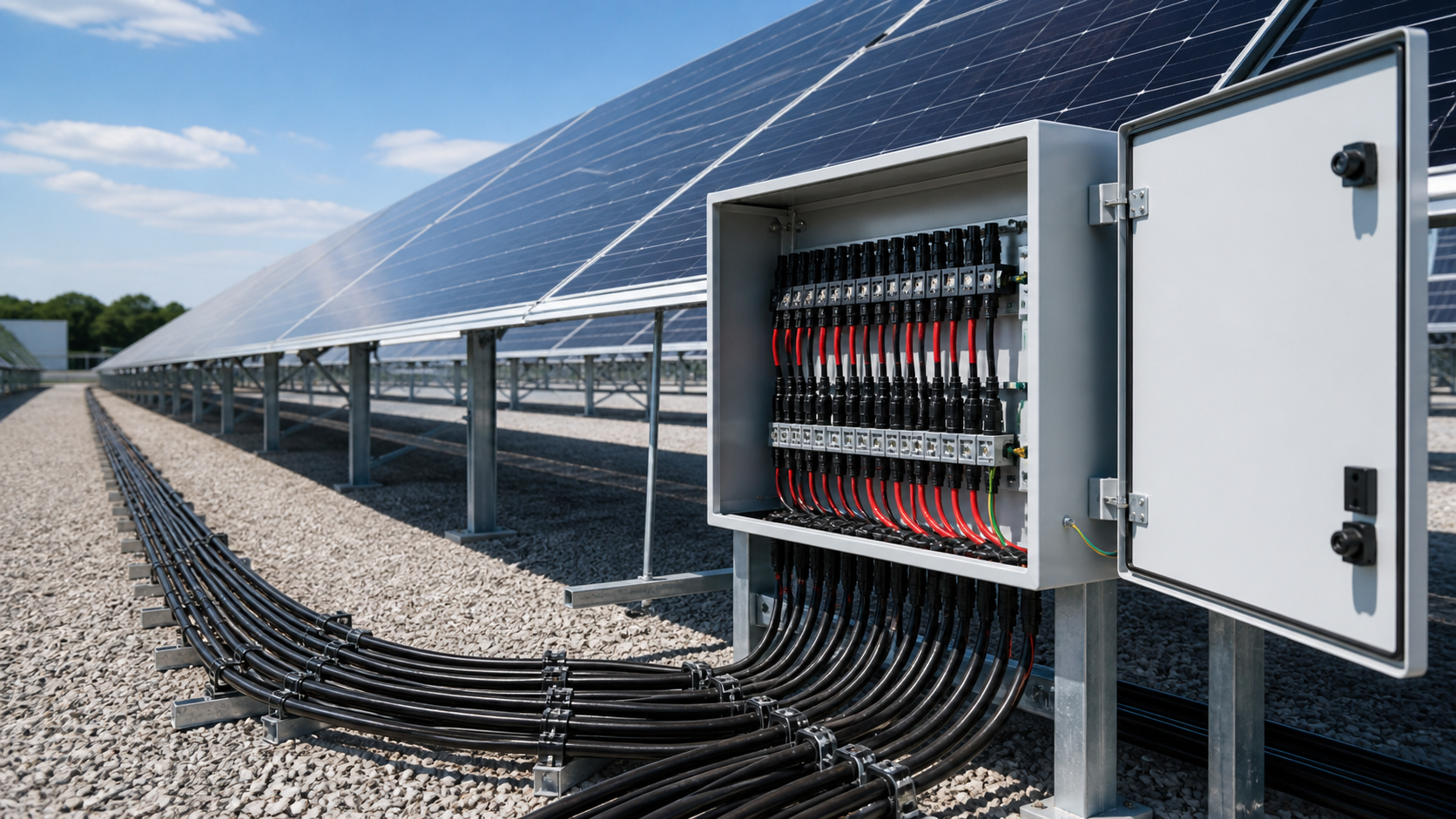
A grid-connected PV system output depends on location, panel orientation, shading, temperature, equipment efficiency and system losses. Orientation and tilt decide how much irradiance the array captures through the year.
2. Temperature and losses
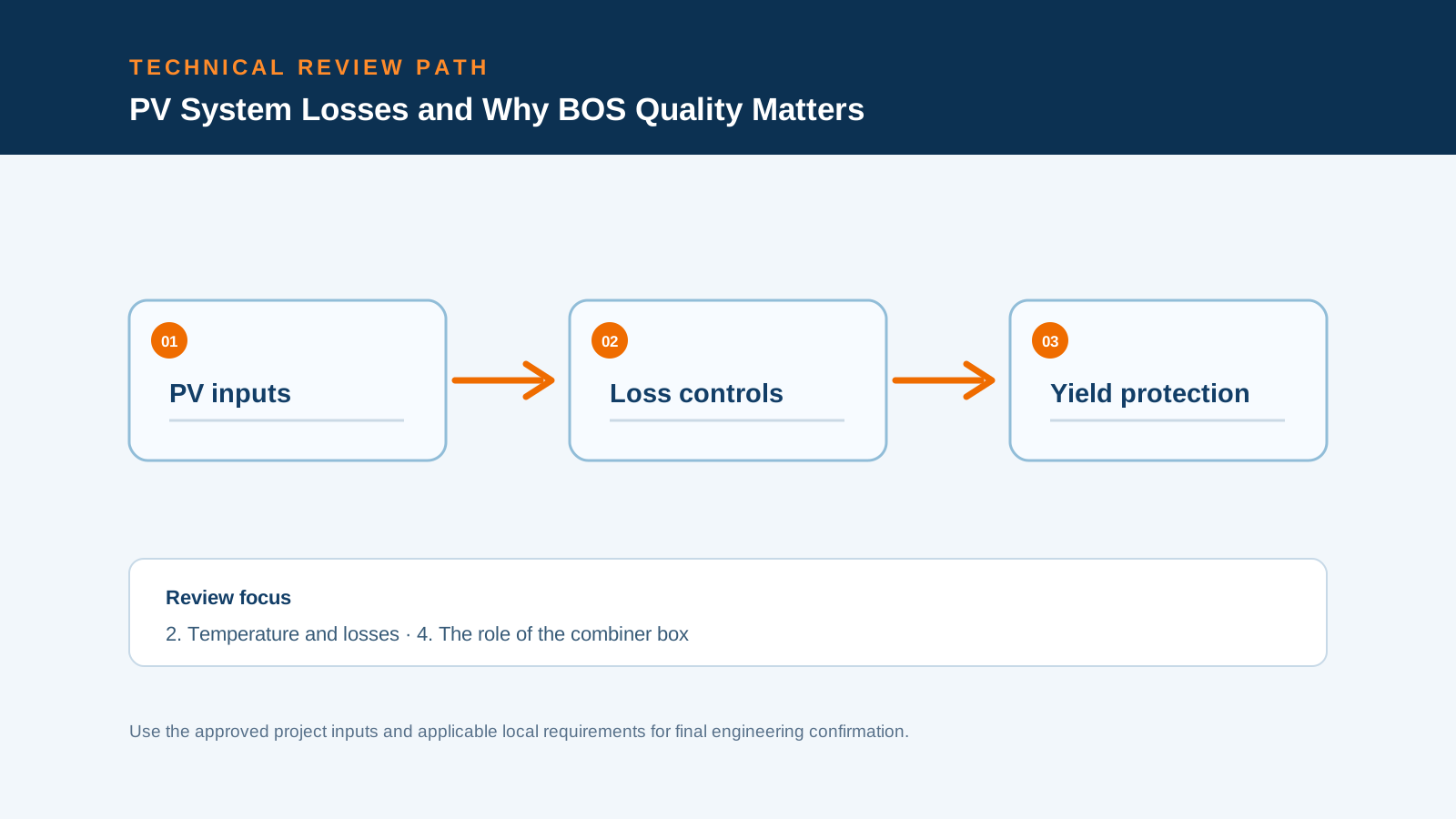
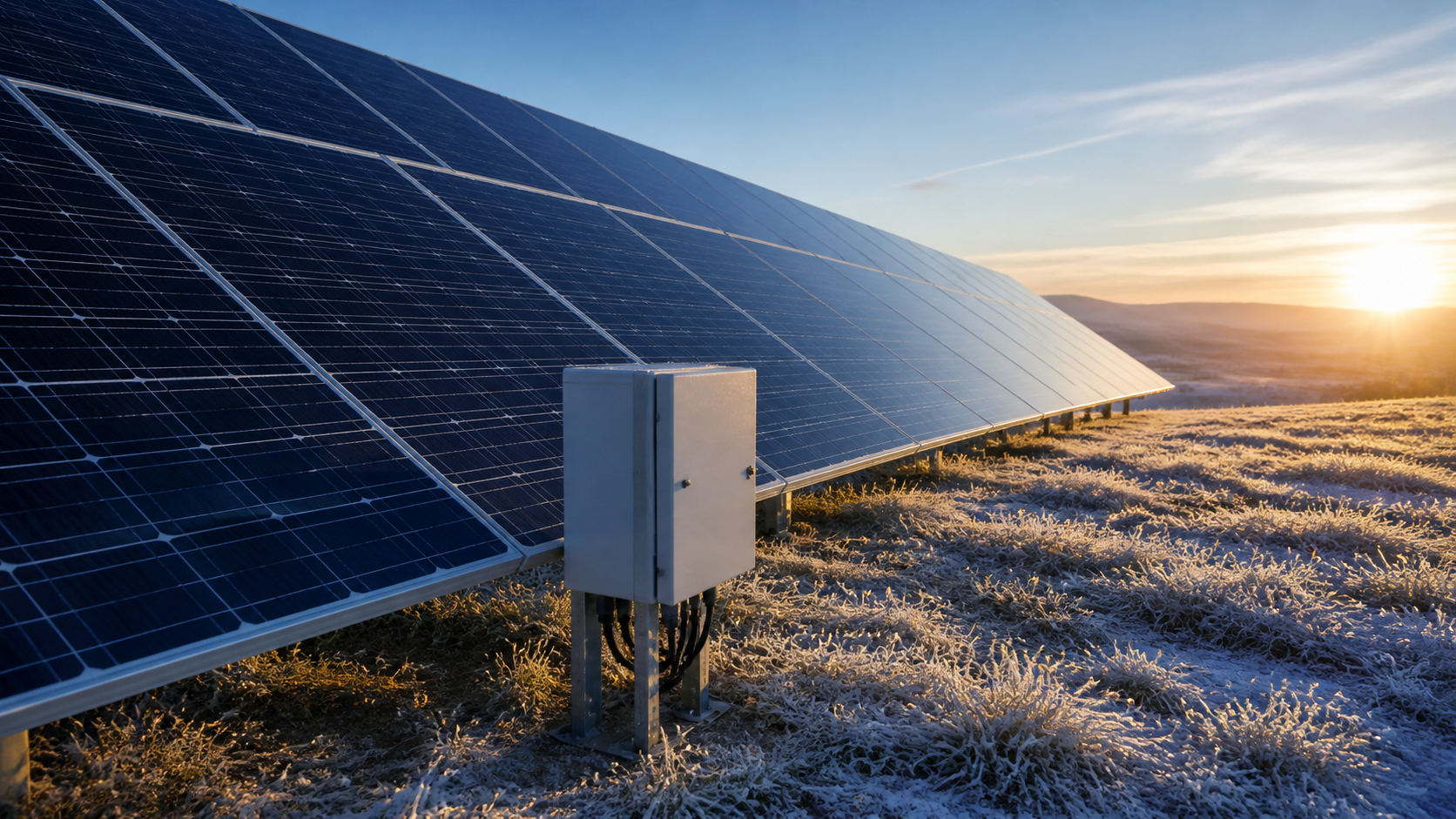
Hot modules produce less power, and the same heat raises cable resistance. Both effects compound on a hot rooftop, which is why temperature-adjusted design protects real-world output, not just nameplate numbers.
3. Wiring and voltage-drop loss
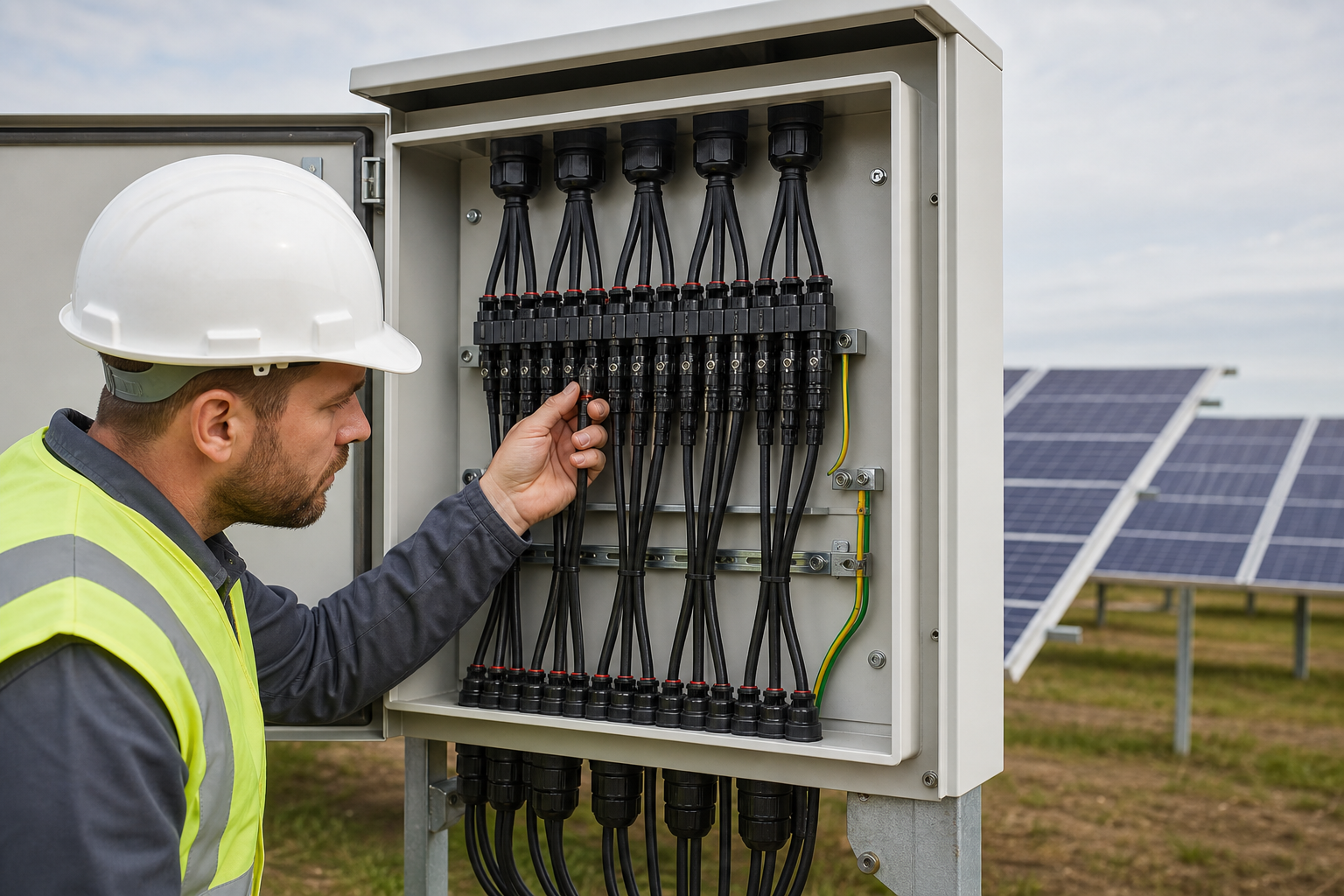
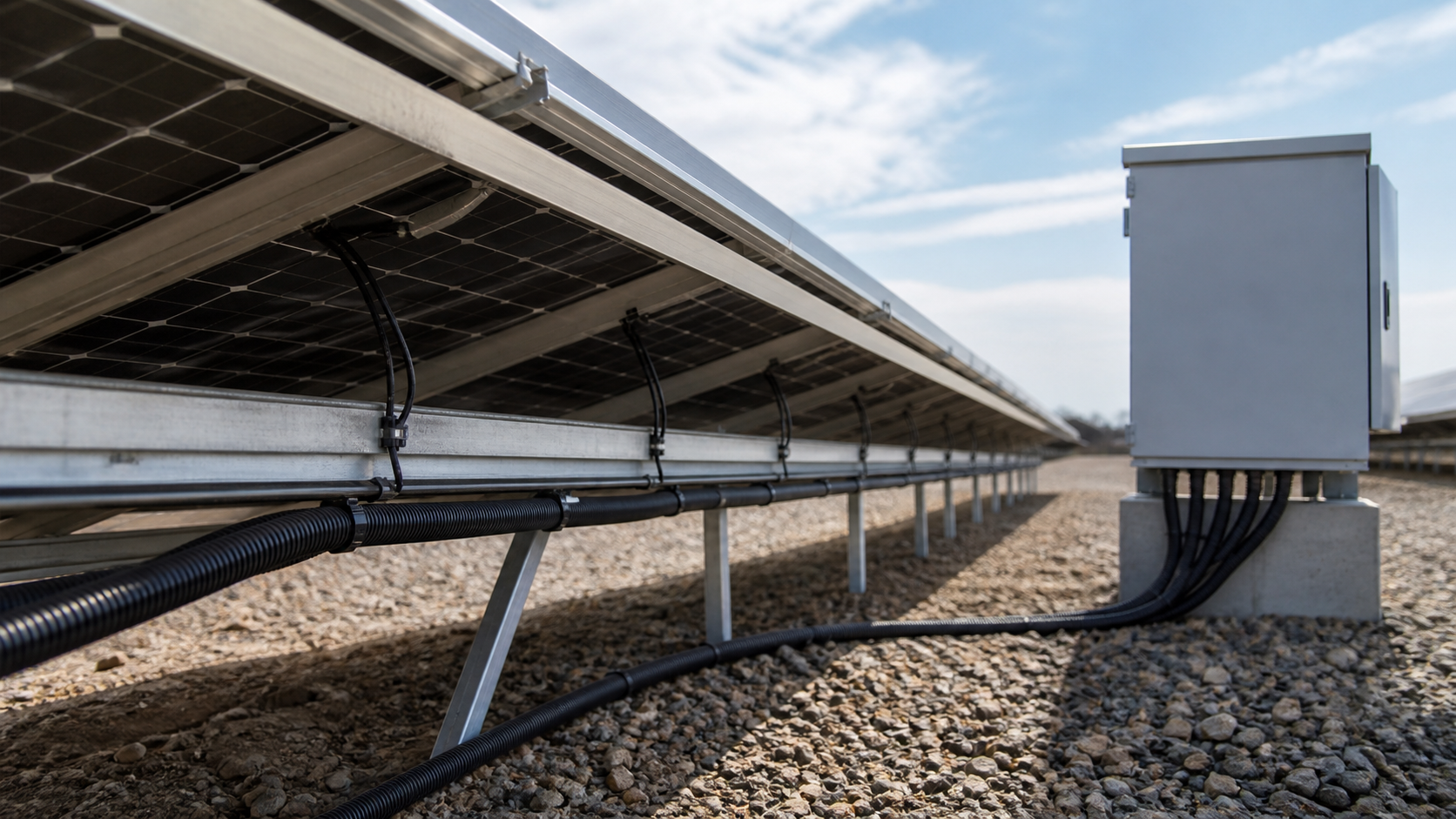
Every percent of voltage drop on the DC run is energy paid for and never delivered. Correct cable cross-section keeps the drop near the 1 % target so the array output reaches the combiner and beyond.
4. The role of the combiner box
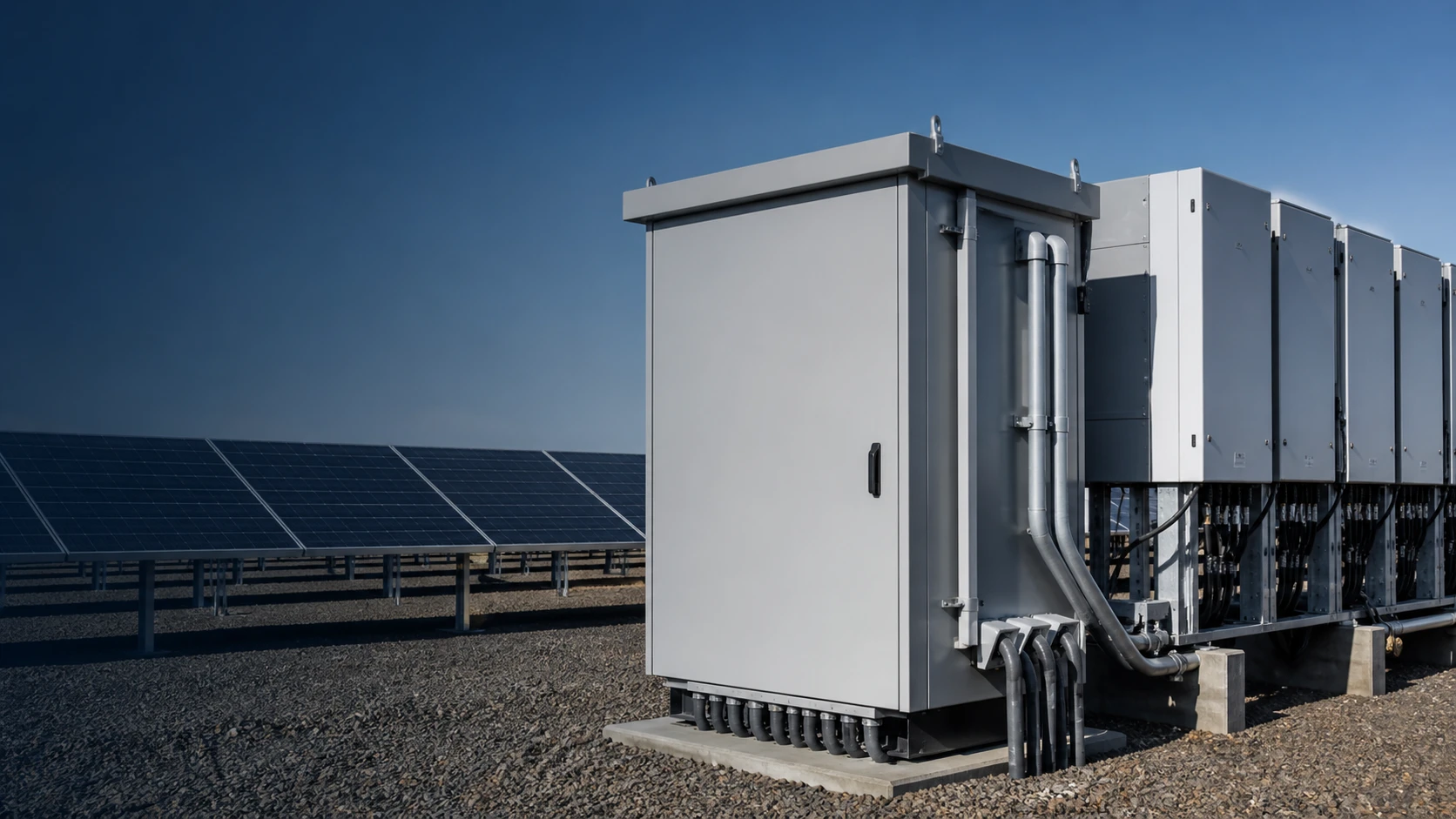
The combiner box is where string currents combine and where protection lives. A box specified for the real current and voltage avoids nuisance trips, overheating and the hidden losses of an under-rated assembly.
Technical diagram shown at a readable responsive scale.
5. SPD and availability
A surge event that damages unprotected equipment is a permanent loss of yield. Coordinated DC surge protection keeps the array online through storms that would otherwise take it down.
6. Specifying for yield
Treat the balance of system as a yield protector, not a commodity. Match orientation and tilt to the site, size cable and protection for worst-case conditions, and select components rated for the actual array.
This is general technical guidance. Confirm final ratings, installation conditions and applicable local requirements against approved project documentation and a qualified engineering review.
Frequently asked questions
What factors affect solar panel production?
Location, orientation, tilt, shading, temperature, equipment efficiency and system losses all shape the yearly yield of a PV system.
How much energy is lost to voltage drop?
Each percent of DC voltage drop is energy never delivered; keeping the drop near 1 % preserves array output that would otherwise become heat in the cable.
Does temperature reduce solar output?
Yes. Hot modules produce less power and hotter cables lose more, so temperature-adjusted design protects real-world yield.
How does BOS quality affect yield?
An under-rated combiner box, oversized cable drop or missing surge protection all cause avoidable losses and downtime that cut yearly production.
Bring the electrical inputs to the first review.
Share the approved module data, site temperature range, cable route, string configuration and destination-market requirements. NEUTRON can review the equipment envelope against the project inputs.
Discuss a PV requirementContinue learning
Explore related technical guidance in Solar PV.
Technical note: verify final ratings, standards, documents and configuration against approved project documentation and the applicable local requirements.