
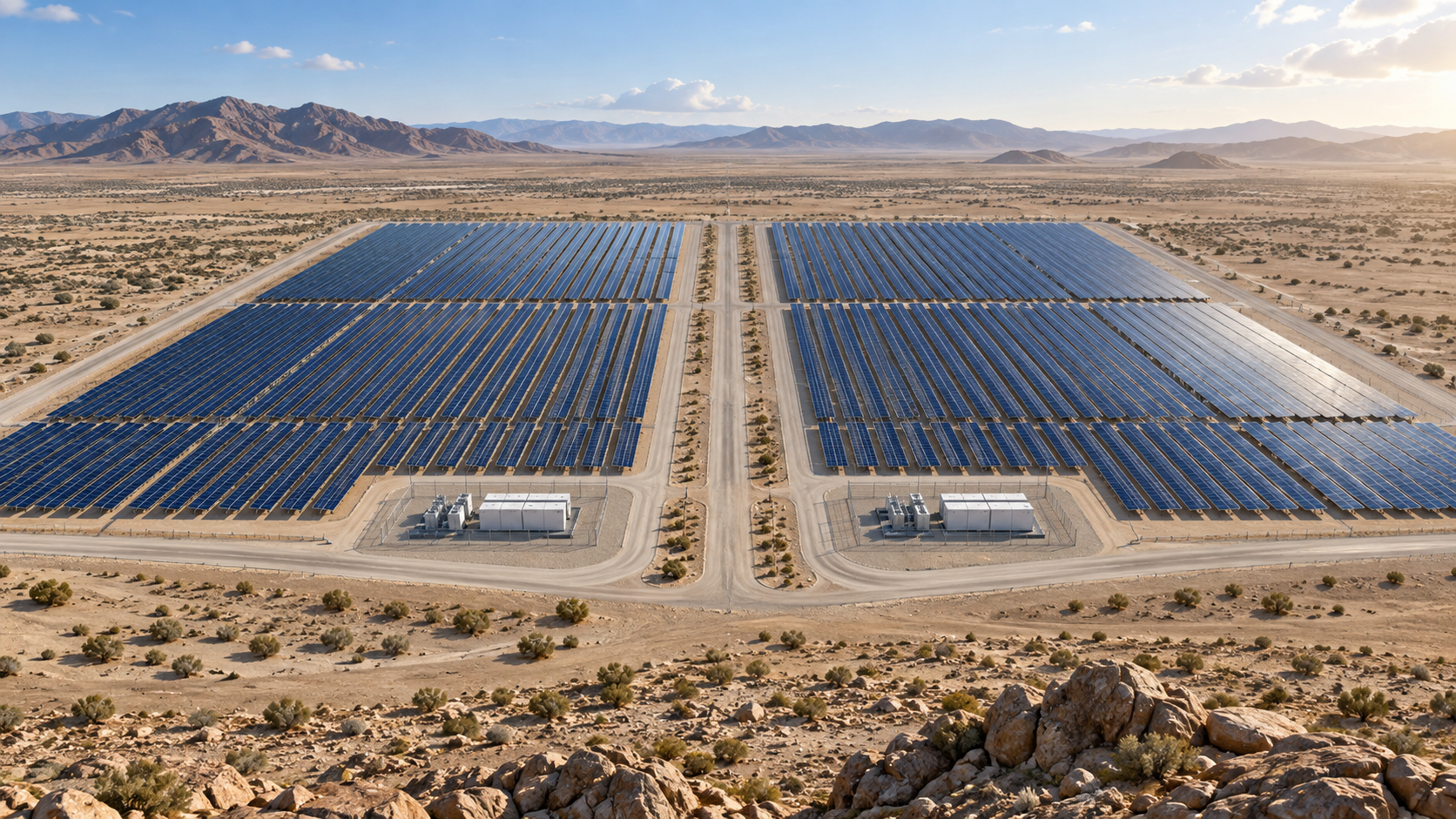
1. Two sites, one standard
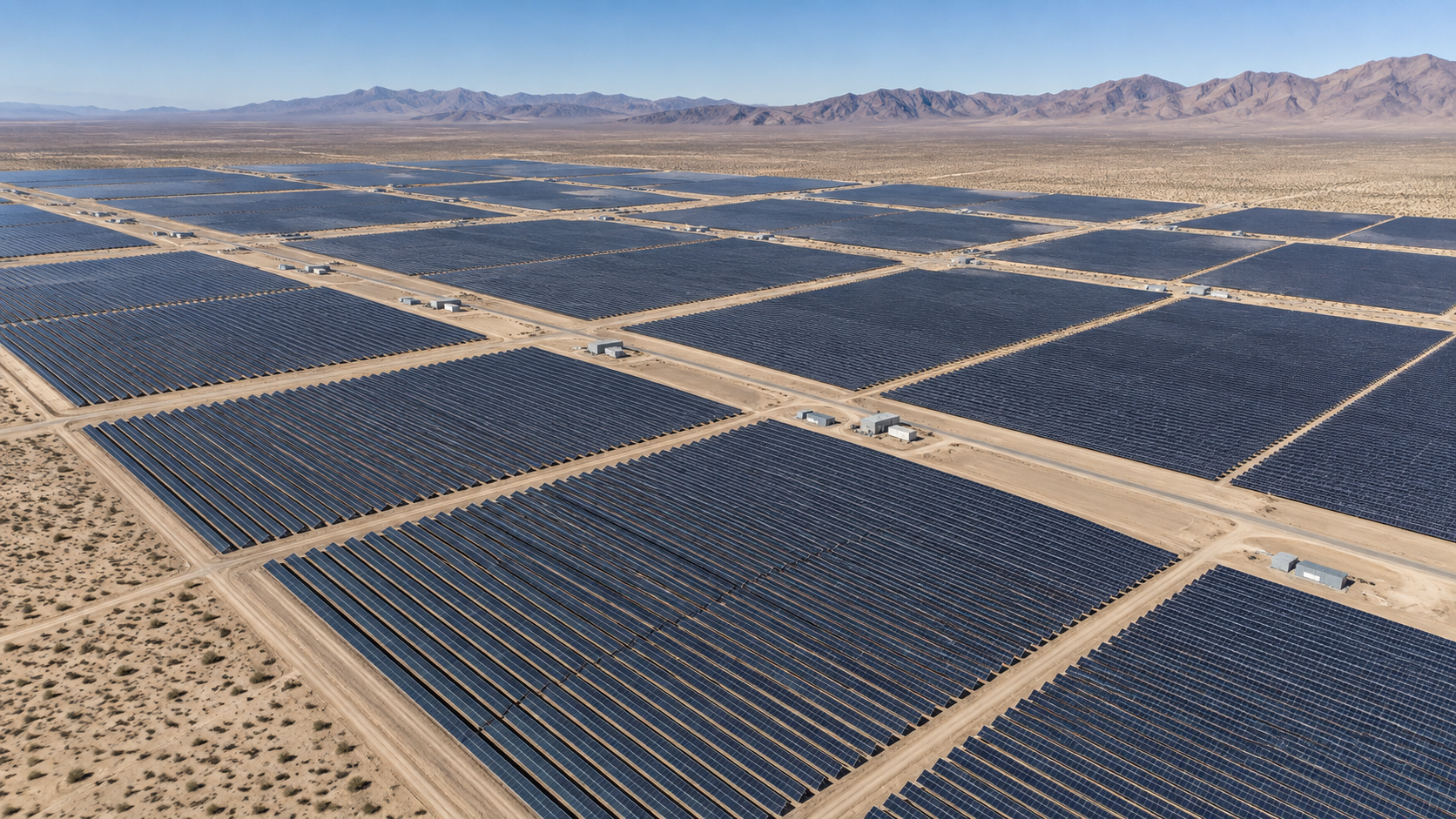
Building two sites together favours a repeatable protection layer so spare parts, training and commissioning stay uniform across both plants.
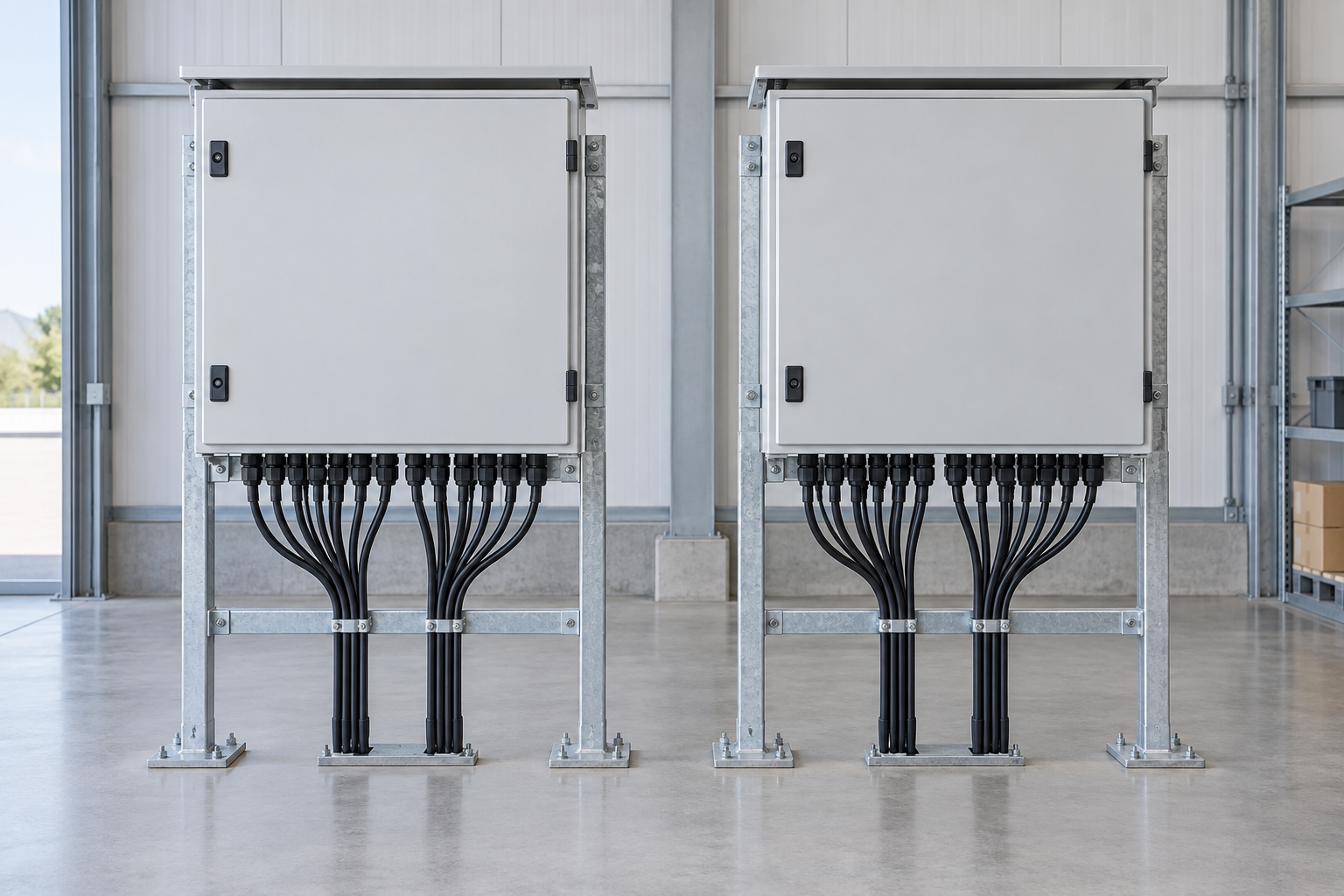
2. Repeatable combiner scope
- PV combiner boxes rated to 1500 V DC with individual gPV fuse protection.
- DC disconnect switches and Type 2 DC SPDs staged to the 1500 V envelope.
- DC MCBs for auxiliary and monitoring circuits.
3. Substation switchgear and RMU
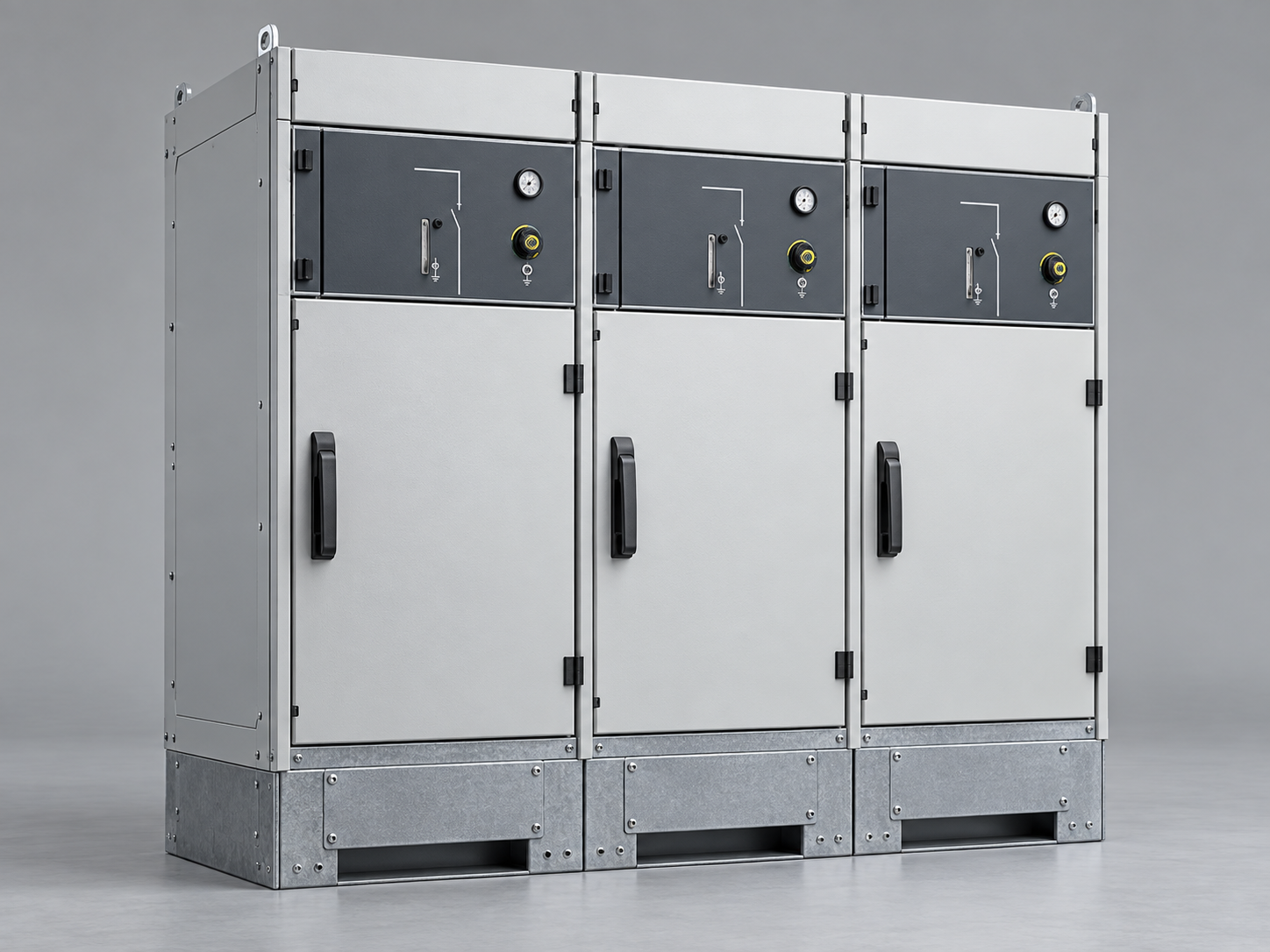
At each substation the AC feeders terminate in NEUTRON low-voltage switchgear, with a ring main unit for the controlled grid interface and selective coordination.
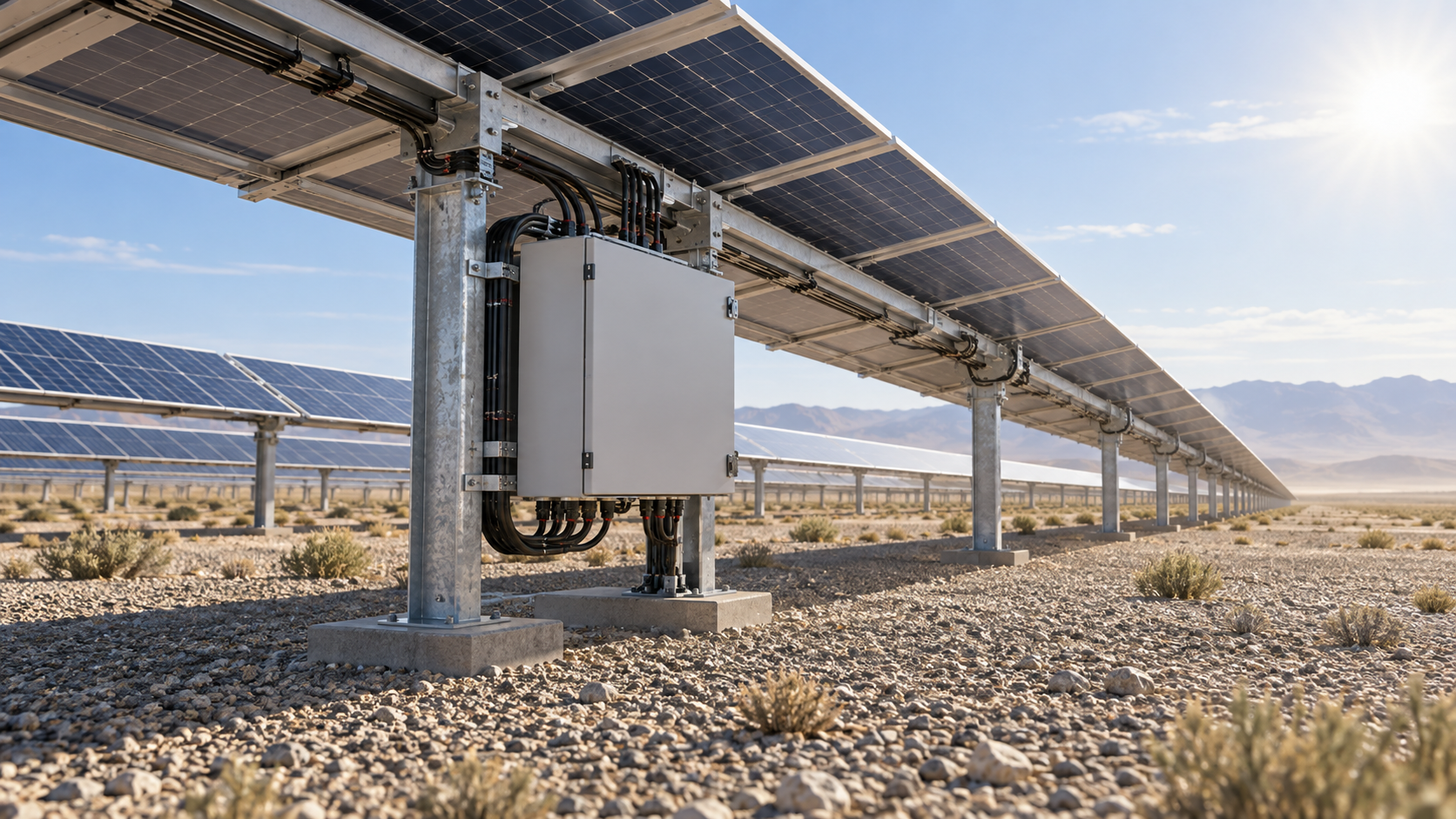
4. Desert specification
- Enclosure to IP65 with a corrosion class for Oman dust.
- Current parts derated for high ambient temperature.
- SPD staging reviewed for local lightning density.
5. Outcome
The standardized protection layer cut the maintenance burden across both sites. The lesson is that repeatability beats bespoke design when two plants share a programme.
Final ratings, coordination, installation and applicable local requirements must be verified against current standards, manufacturer documentation and the approved project design.
Frequently asked questions
How do you protect two 500 MW sites?
With a repeatable combiner and DC protection bill of materials applied uniformly so spare parts and training stay consistent.
What does NEUTRON supply at Manah?
PV combiner boxes, DC disconnect and SPD, DC MCBs and low-voltage switchgear with RMU; inverters and modules come from the EPC.
Which standards apply?
IEC 60269-6, IEC 60947-2, IEC 61643-31, IEC 61439 and IEC 62271.
Why standardize across sites?
Consistent protection equipment simplifies operation and maintenance when two plants share one programme.
Review the project protection scope.
Share the array layout, equipment interfaces and site conditions for a coordinated protection review.
Discuss a projectContinue learning
Explore related technical guidance in Solar PV.
PV protection equipment, installation conditions and maintenance considerations.