
1. Two Ways to Protect a PV String
Every string needs overcurrent and fault protection. The two common devices are the gPV fuse, built for photovoltaic duty, and the DC-rated miniature circuit breaker. Each has a clear place in the design.
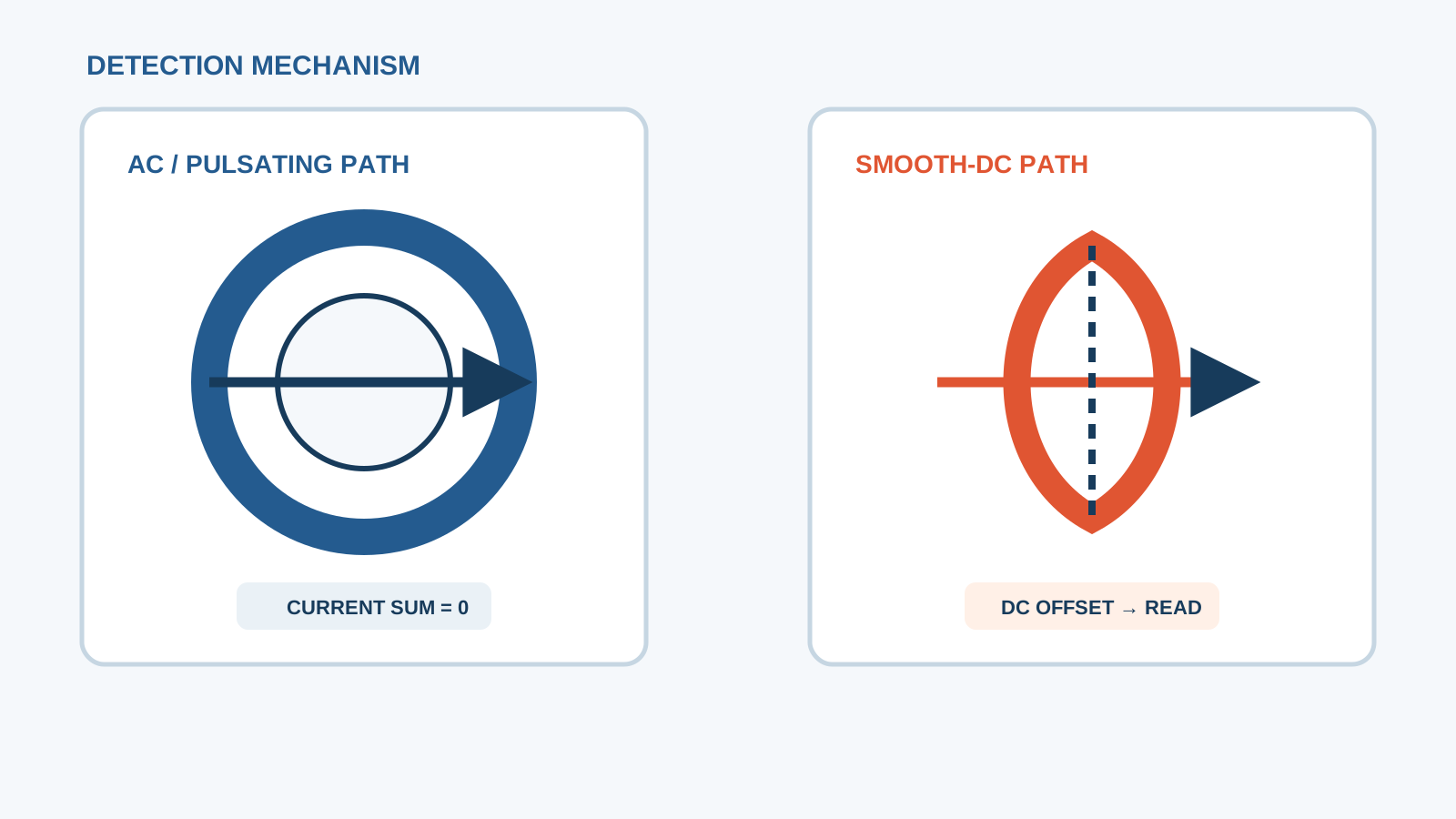
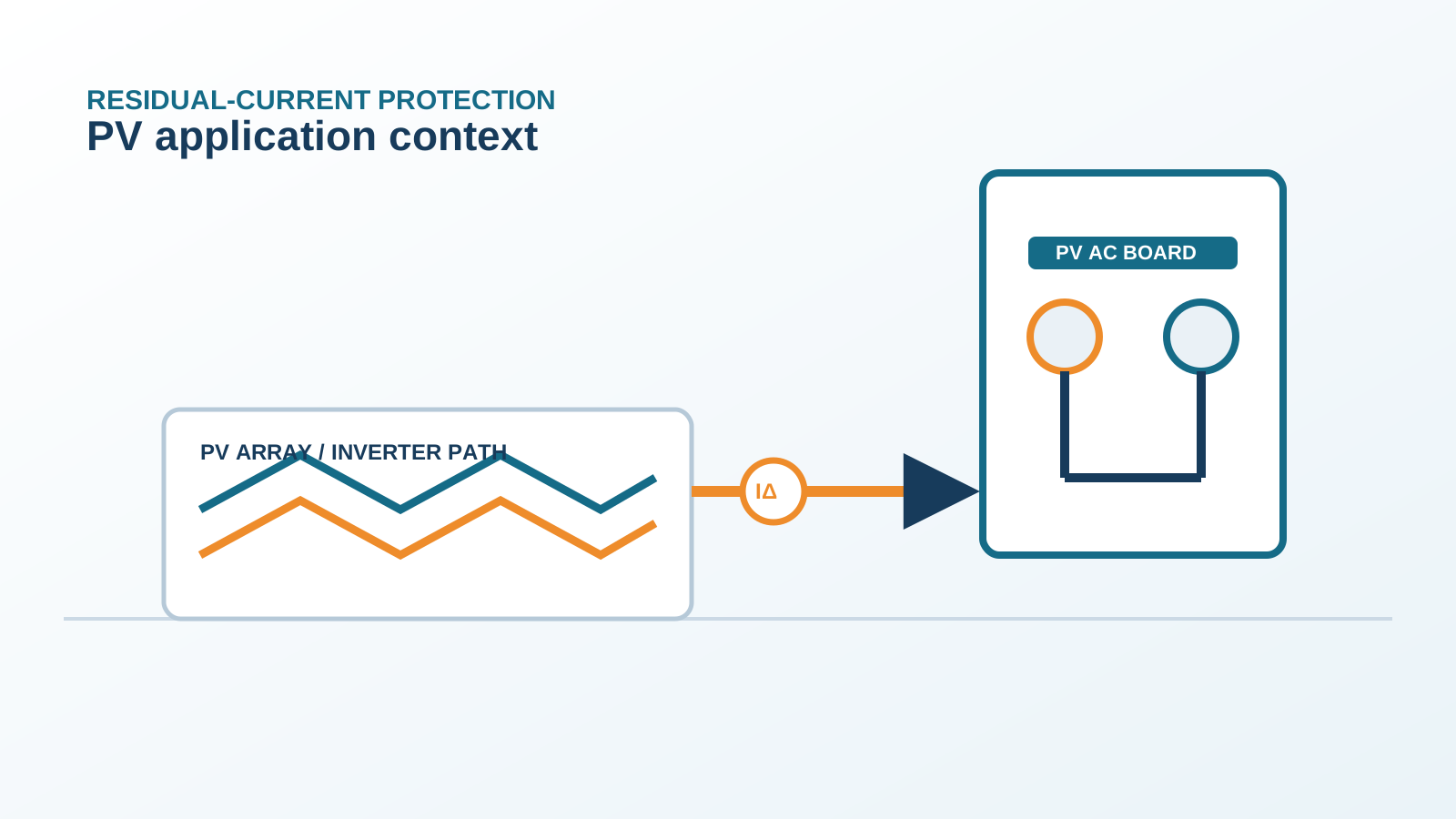
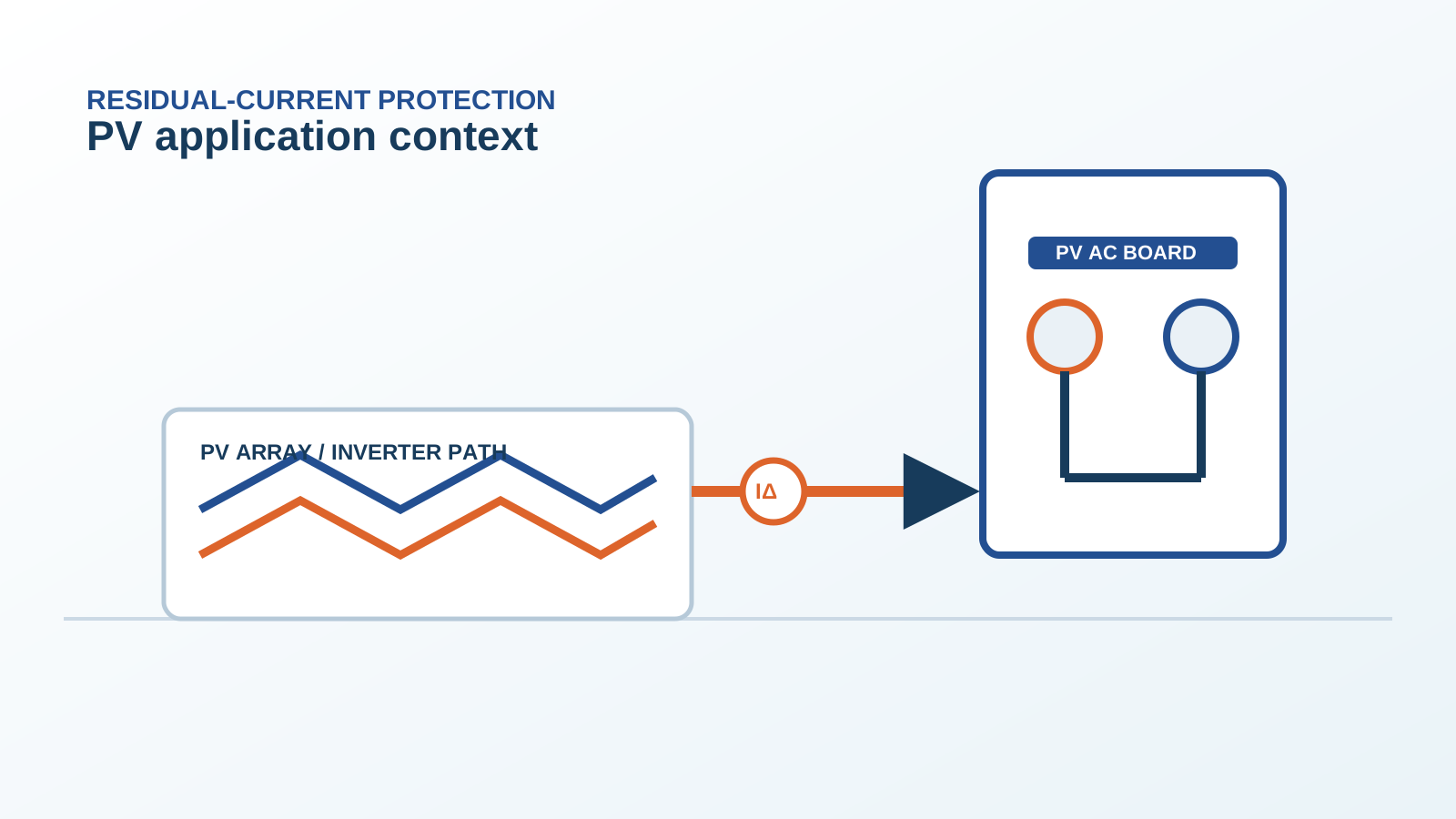
Technical diagram shown at a readable responsive scale.
2. gPV Fuse Characteristics
A gPV fuse per IEC 60269-6 is current-limiting and handles the high DC fault energy well. It is a one-time device that must be replaced after clearing, but it is compact and cost-effective at scale.
3. DC MCB Characteristics
A DC-rated MCB gives resettable protection and visible isolation with a handle. It needs verified DC breaking capacity and correct trip curve, and it occupies more space than a fuse holder.
4. Which for 1000 V Versus 1500 V
Both exist across the voltage bands, but at 1500 V the breaking duty is harder, so the device rating and the series-pole count must be confirmed. Fuses scale easily; breakers need the right DC class.
5. Reset Versus Replace Trade-off
An MCB can be reset after a transient trip, which suits sites with access issues. A fuse forces a physical check and replacement, which some operators prefer for fault certainty.
6. Reverse-Current and Selective Coordination
At night or during a fault, current can flow backwards from healthy strings into a faulted one. Both devices must coordinate so only the faulted string opens, not the whole array.
7. Cost and Footprint
Fuses win on space and unit cost in large plants; breakers win on operability and isolation. The choice follows the O&M model and the enclosure layout.
8. Combined Schemes
Many designs use a gPV fuse as the string fault back-up and a DC MCB for resettable isolation, coordinated per IEC 62548. NEUTRON supplies both technologies for PV protection.
This is general application guidance. Confirm final ratings, trip settings, standards, inverter instructions and local installation requirements against approved project documentation and a qualified engineer's review.
Frequently asked questions
Fuse or MCB for a PV string?
Either is valid; fuses suit cost and space at scale, MCBs suit resettable isolation. Coordination decides the mix.
Can I mix fuse and MCB?
Yes, when their curves are coordinated so the nearest device clears the fault, per IEC 62548.
Which is better at 1500 V?
Both work if DC-rated; the breaker must carry the higher breaking duty and the fuse must be a 1500 V gPV type.
Does a fuse protect against reverse current?
A gPV fuse clears reverse fault current when coordinated, preventing back-feed from healthy strings.
Bring the protection inputs to the first review.
Many designs use a gPV fuse as the string fault back-up and a DC MCB for resettable isolation, coordinated per IEC 62548. NEUTRON supplies both technologies for PV protection.
Discuss a project requirementContinue learning
Explore related technical guidance in Electrical Protection.
Published from the approved period 10 source package; technical claims and source wording are retained for review.