
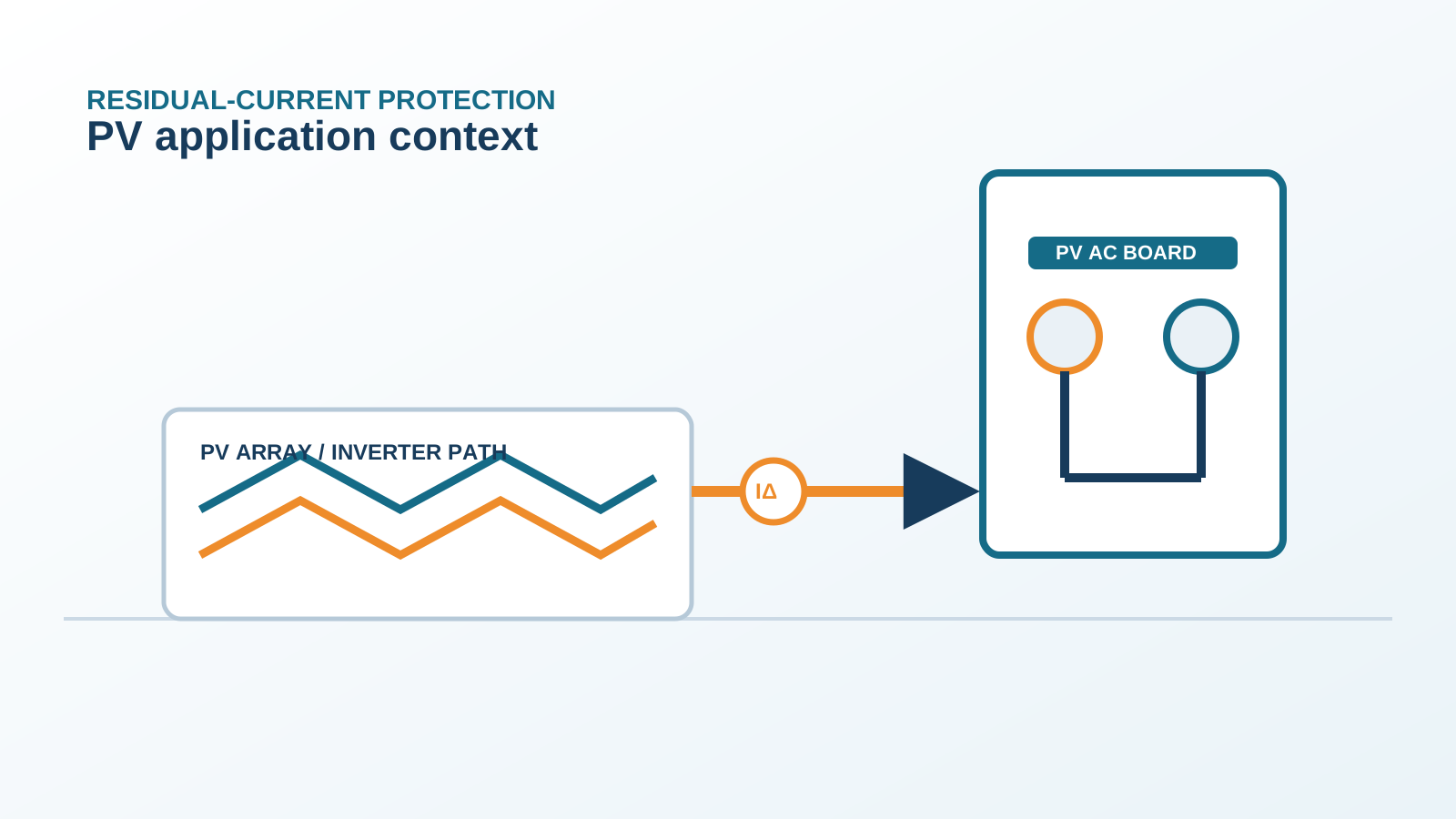
2. Why an AC Breaker Fails on a DC Bus
An AC breaker relies on the current crossing zero 100 or 120 times per second to cool and stretch the arc until it vanishes. On a DC bus the current never crosses zero, so the same device must clear the fault using only its arc-chute and magnetic blowout. A breaker proven on 230 V AC can weld its contacts and sustain an arc on a PV conductor if it is not DC-rated.
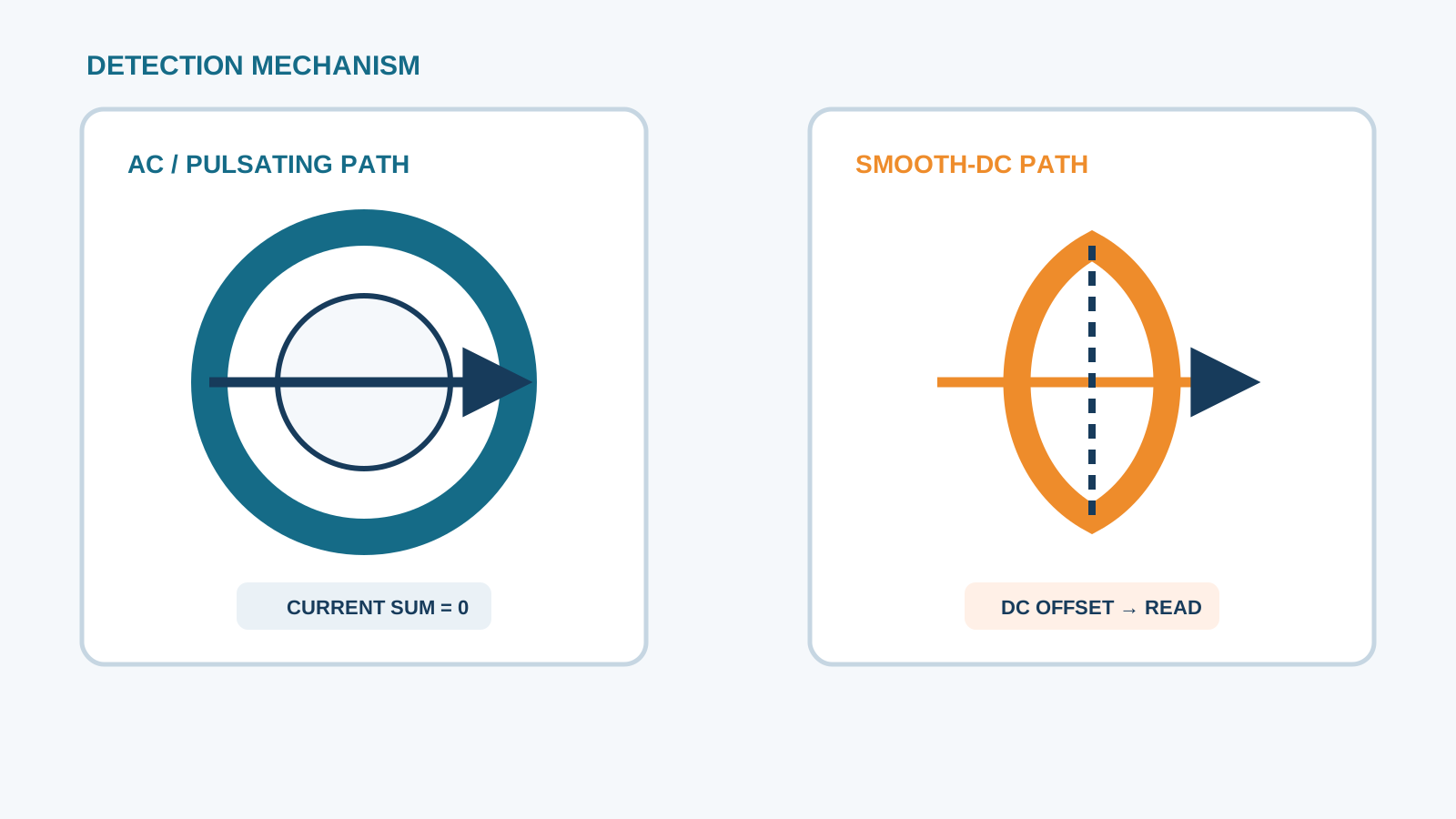
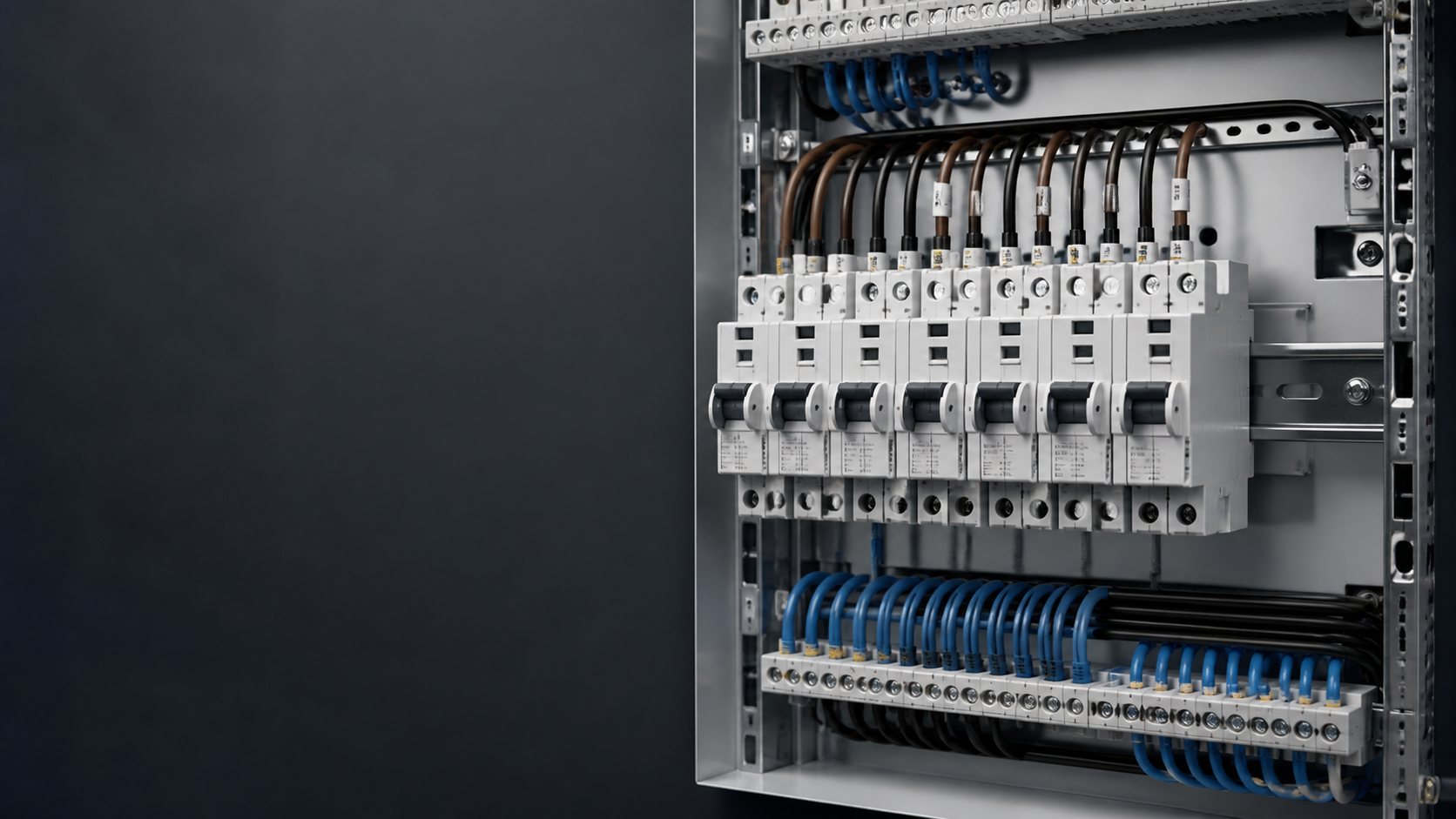
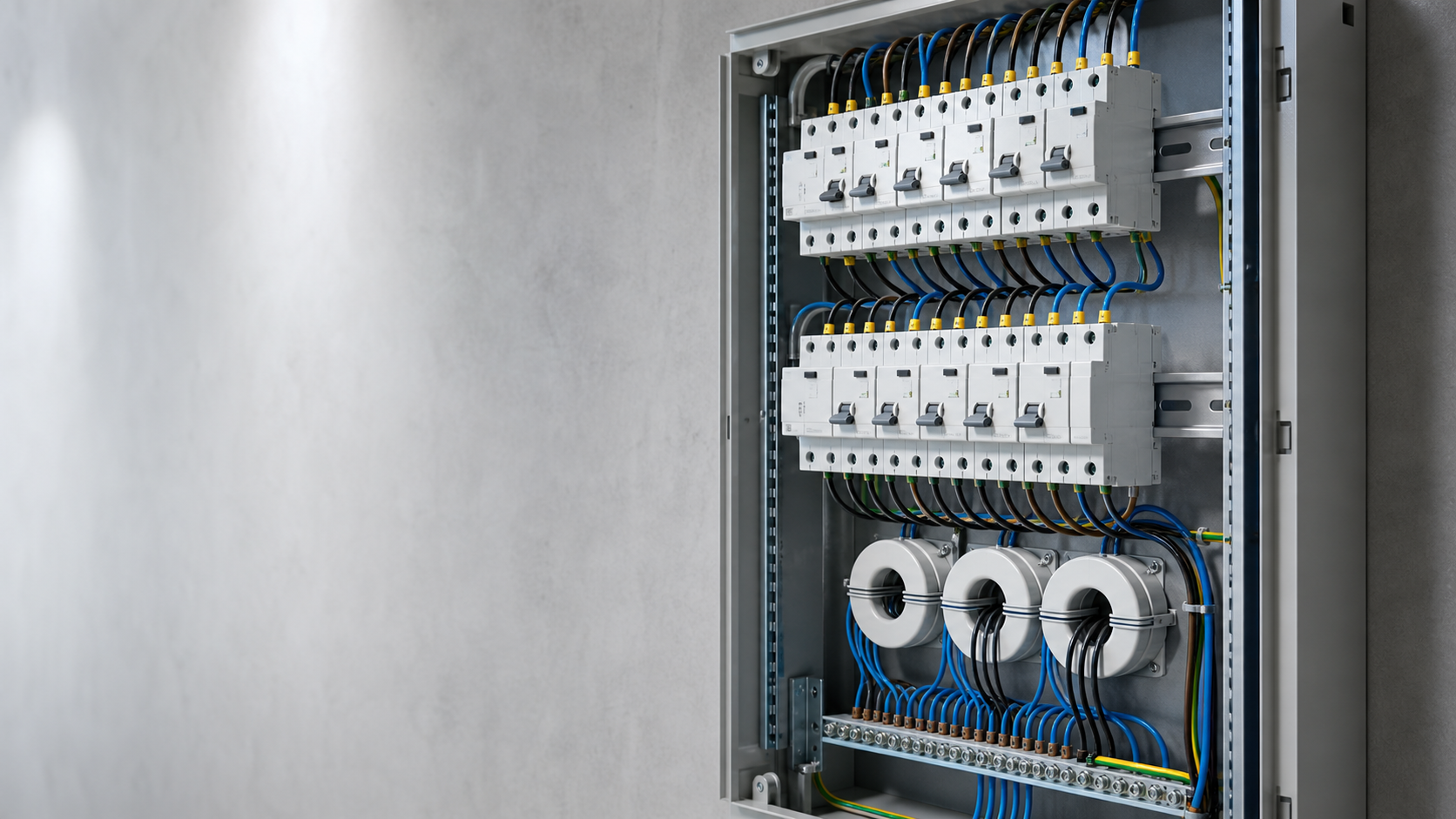
Technical diagram shown at a readable responsive scale.
3. The DC Arc Does Not Self-Extinguish
When contacts part under load, the collapsing magnetic field drives an arc whose voltage can exceed the system voltage. In AC the next zero crossing quenches it; in DC the arc persists and rises in length until the gap voltage beats the supply. DC-rated breakers add de-ion plates, splitter stacks and sometimes permanent magnets to force the arc into many short segments that extinguish quickly.
4. PV Voltage Sets the Breaking Requirement
System voltage and available fault current together decide the required breaking capacity. A 1500 V utility array can feed a far larger prospective fault current than a 600 V rooftop, so the DC MCB must be selected for the actual bus voltage and the upstream protection that limits the let-through energy.
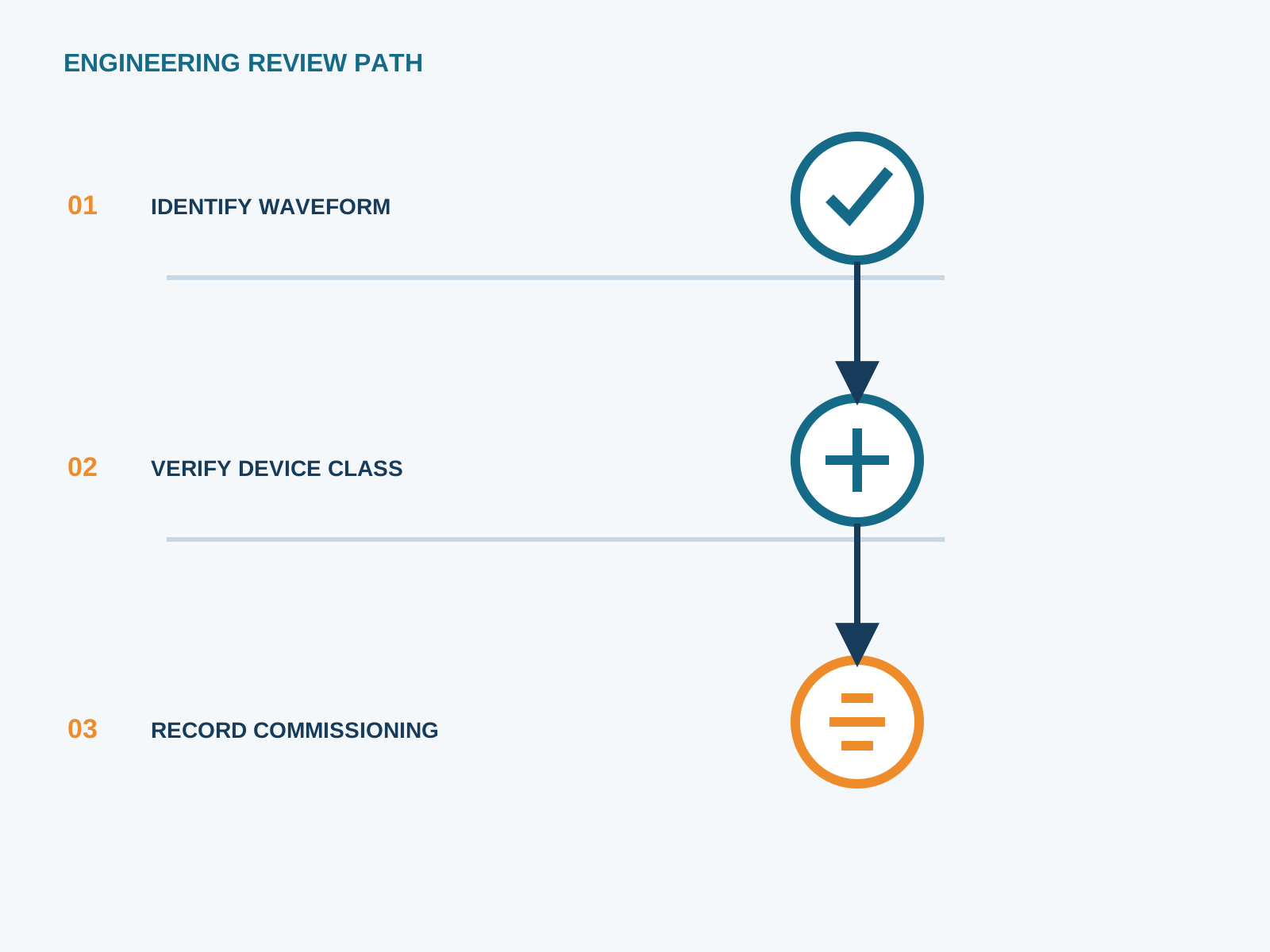
5. Marking You Must Check
A DC-rated breaker is marked with a DC utilization category such as A or B, a rated insulation voltage, and a DC breaking capacity at the applicable voltage. If the label shows only AC ratings and a 60898 mark, it is not validated for PV DC service and should not be specified.
6. Polarity and Double-Pole Switching
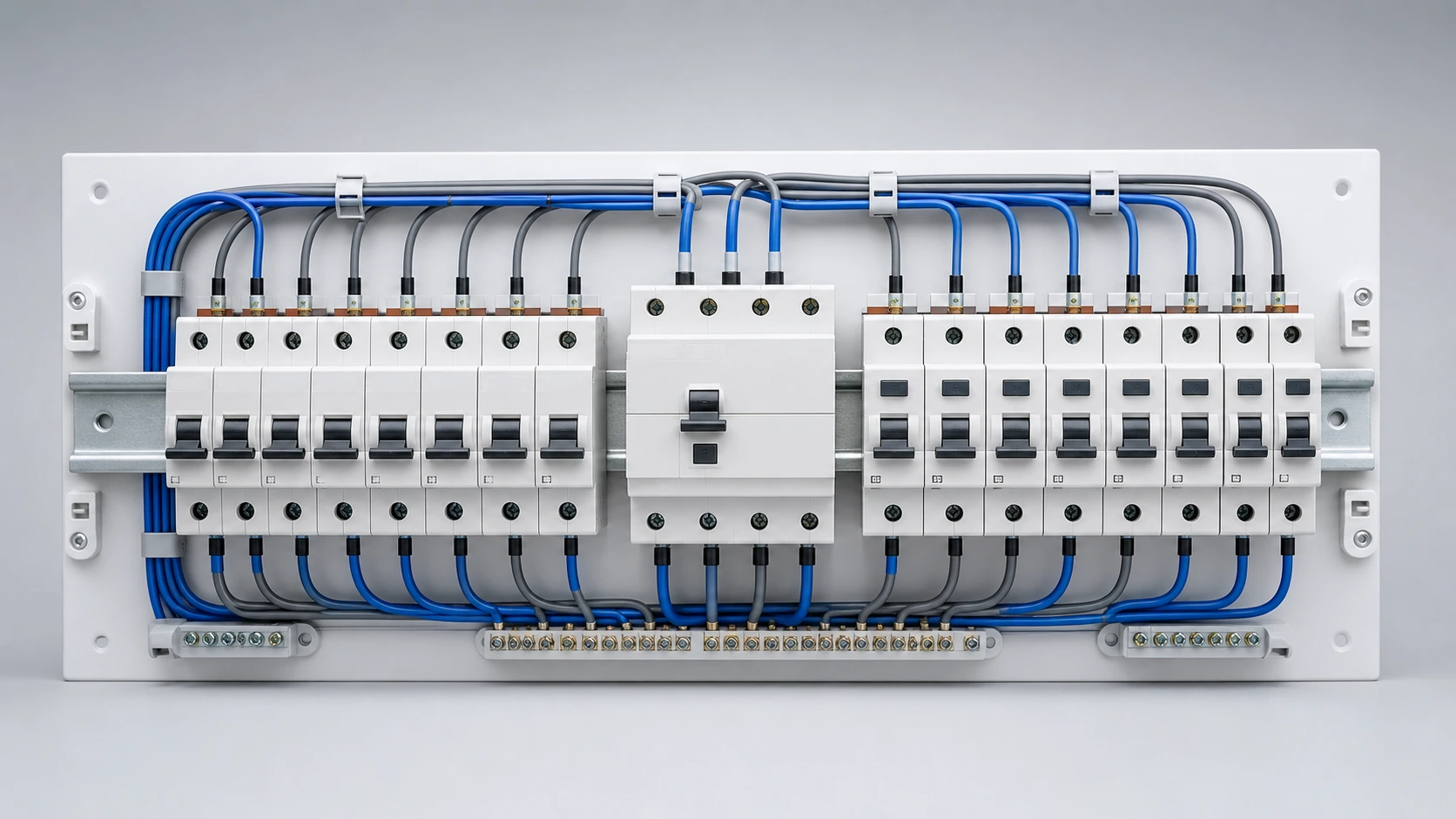
DC has fixed polarity, so the line and load terminals must be wired to match the array polarity, and both poles should be opened by a single double-pole device. This guarantees full isolation of the conductor and prevents a technician from contacting a live pole during maintenance.
7. Field Failure Examples
Installations that reused AC breakers on combiner outputs have shown contact welding, burned terminals and sustained arcing after a string fault. The common thread is a device tested only to AC duty applied to a DC bus it was never cleared to break.
8. Procurement Checklist
When issuing an enquiry, request IEC 60947-2 DC rating, the rated voltage and breaking capacity at your system voltage, the trip curve, and double-pole construction. NEUTRON supplies DC-rated miniature and molded-case protection built and verified for PV application; confirm the marking on the datasheet before release.
This is general application guidance. Confirm final ratings, trip settings, standards, inverter instructions and local installation requirements against approved project documentation and a qualified engineer's review.
Frequently asked questions
Can I use an AC MCB on PV DC?
No. An AC breaker relies on current zeros that never occur on a DC bus, so it may fail to clear a fault and can weld its contacts.
What does IEC 60947-2 add over 60898?
It covers DC utilization categories, DC breaking duties and the arc-quenching verification needed for a photovoltaic direct-current bus.
Why does a DC arc not self-extinguish?
The current has no zero crossing, so the arc persists until the breaker splitter stack and blowout force stretch it beyond the supply voltage.
How do I read the DC rating on the label?
Look for a DC utilization category, a rated DC voltage and a DC breaking capacity; a 60898-only mark means AC service only.
Bring the protection inputs to the first review.
{ "@context": "https://schema.org", "@type": "Article", "headline": "Why a PV DC MCB Must Be Rated to IEC 60947-2, Not 60898", "author": {"@type": "Organization", "name": "NEUTRON LLC"}, "publisher": {"@type": "Organization", "name": "NEUTRON LLC", "logo": {"@type": "ImageObject", "url": "https://www.neutronele.com/logo.png"}}, "datePublished": "2026-09-03", "dateModified": "2026-09-03", "mainEntityOfPage": "https://www.neutronele.com/insights/mcb-dc-rated-pv-iec-60947-2-not-60898", "image": "https://www.neutronele.com/insights/img/mcb-dc-rated-pv-iec-60947-2-not-60898-hero.jpg" }
Discuss a project requirementContinue learning
Explore related technical guidance in Electrical Protection.
Published from the approved period 10 source package; technical claims and source wording are retained for review.