
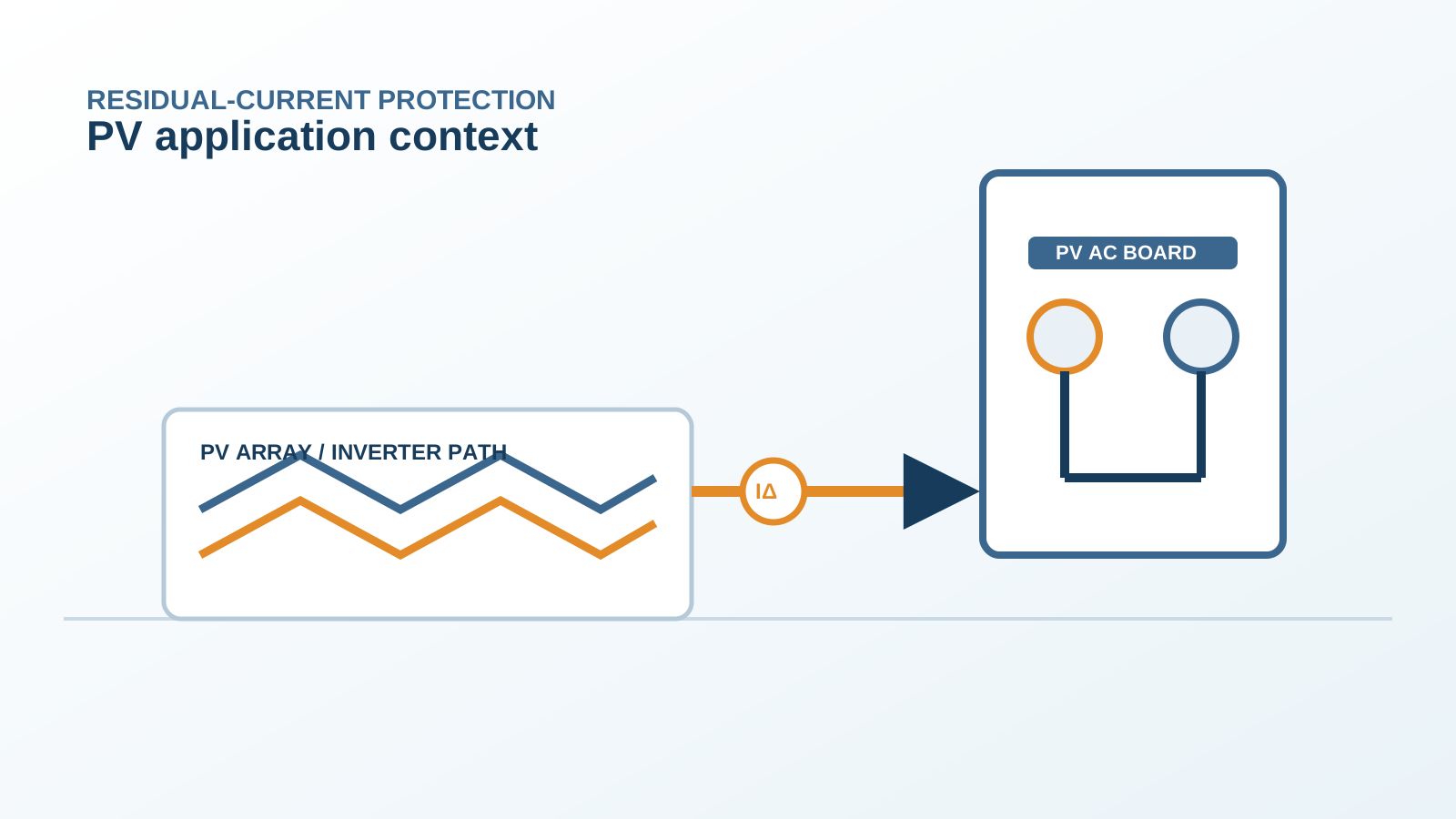
2. Derating the Breaking Capacity
With weaker arc-quenching air, the effective breaking capacity drops with altitude. Manufacturers publish a correction factor that lowers the usable Icu as elevation rises.
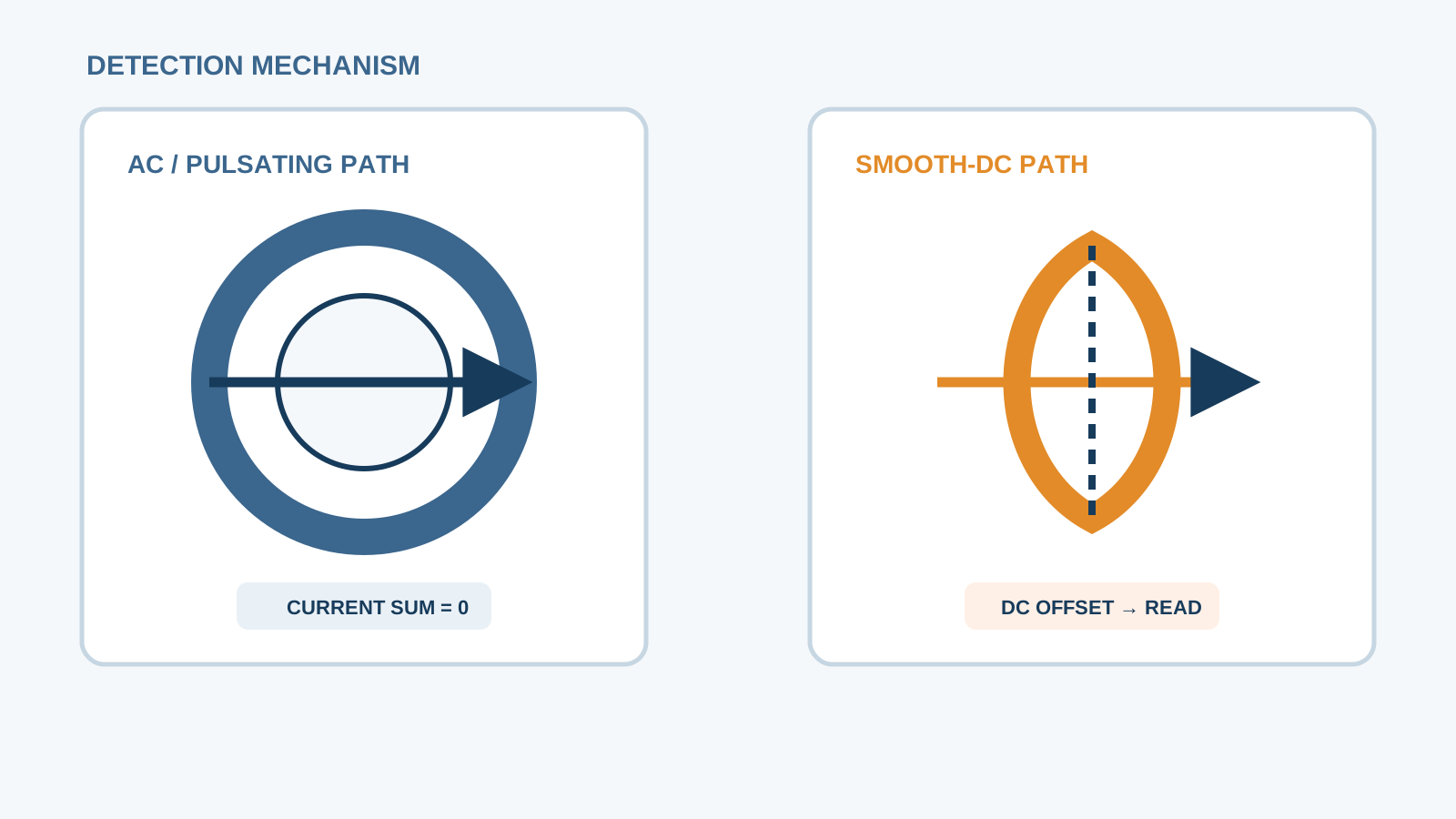
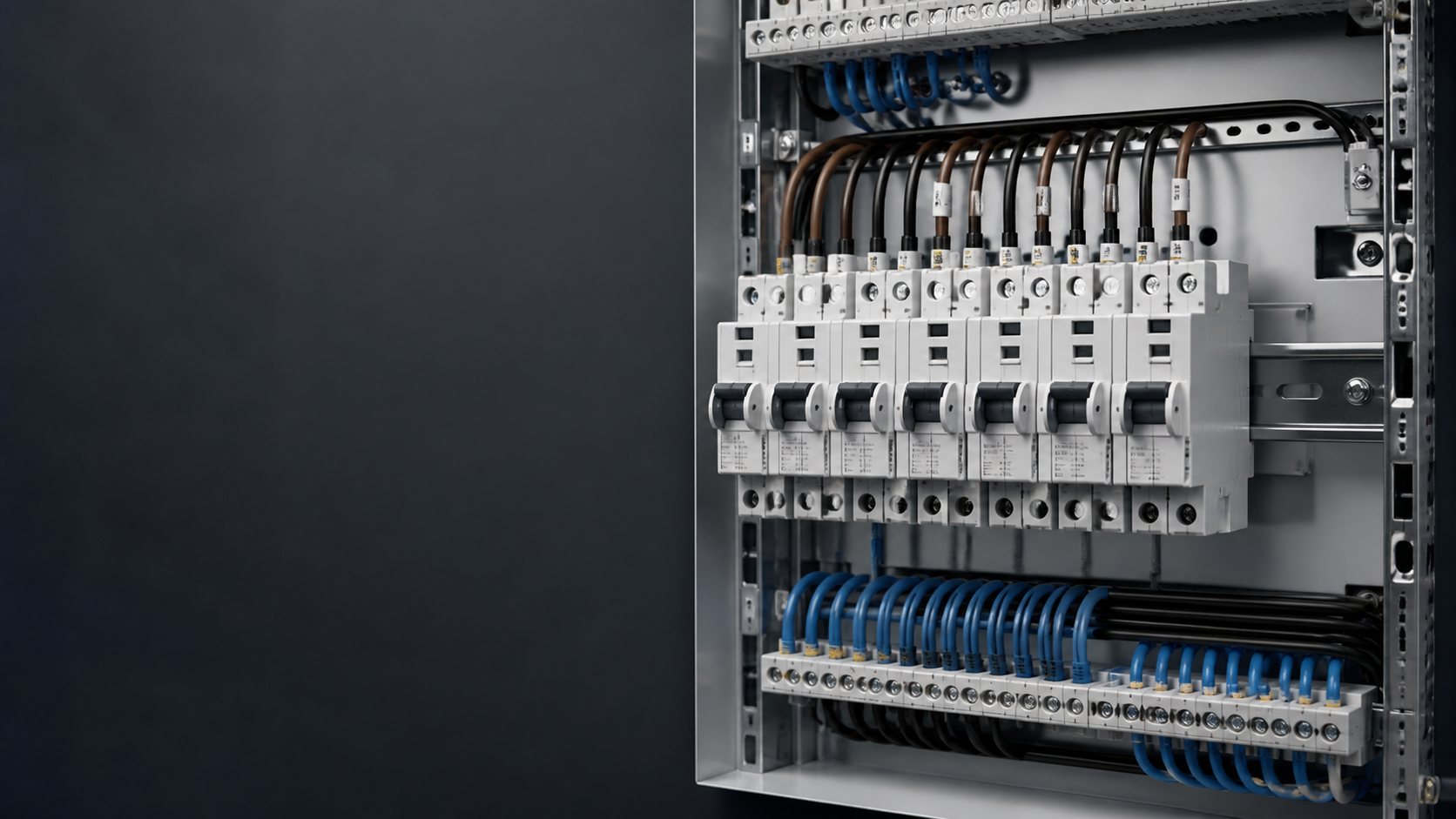
Technical diagram shown at a readable responsive scale.
3. Insulation and Creepage
Solid-insulation creepage distances also need review because pollution and thin dry air change surface behaviour. Larger creepage and sealed parts keep the rating intact.
4. The 2000 m, 3000 m and 4000 m Rules
A common step rule applies no correction below 2000 m, a moderate factor between 2000 m and 3000 m, and a stronger factor above 3000 m to 4000 m. The exact factor comes from the standard and the device.
5. Enclosure and Cooling
Plateau sites often swing from strong sun to cold nights. The enclosure must protect the breaker from UV and thermal cycling while allowing the rated cooling path to work.
6. Utility Plateau Projects
Large high-altitude plants combine thin air with high string counts, so the breaking capacity and clearance must both be derated together before the design is fixed.
7. Test and Certification at Altitude
Some programs require altitude-simulated testing or a documented correction. The certificate should state the elevation class the device is released for.
8. Specifying the Altitude Class
State the site elevation in the enquiry and request the derated ratings. NEUTRON can advise DC-rated protection matched to plateau conditions across the PV voltage range.
This is general application guidance. Confirm final ratings, trip settings, standards, inverter instructions and local installation requirements against approved project documentation and a qualified engineer's review.
Frequently asked questions
Does altitude affect PV breakers?
Yes. Thin air lowers dielectric strength and the effective breaking capacity of the device.
At what altitude must I derate?
Correction typically starts above 2000 m and grows with each step to 4000 m.
How much capacity is lost?
It follows the manufacturer factor; the usable Icu is reduced, not the nameplate number.
What certification proves it?
A test report or release note stating the altitude class and the derated ratings.
Bring the protection inputs to the first review.
{ "@context": "https://schema.org", "@type": "Article", "headline": "Altitude Derating for PV DC Breakers on High Plateaus", "author": {"@type": "Organization", "name": "NEUTRON LLC"}, "publisher": {"@type": "Organization", "name": "NEUTRON LLC", "logo": {"@type": "ImageObject", "url": "https://www.neutronele.com/logo.png"}}, "datePublished": "2026-09-03", "dateModified": "2026-09-03", "mainEntityOfPage": "https://www.neutronele.com/insights/mcb-altitude-derating-pv-high-plateau", "image": "https://www.neutronele.com/insights/img/mcb-altitude-derating-pv-high-plateau-hero.jpg" }
Discuss a project requirementContinue learning
Explore related technical guidance in Electrical Protection.
Published from the approved period 10 source package; technical claims and source wording are retained for review.