
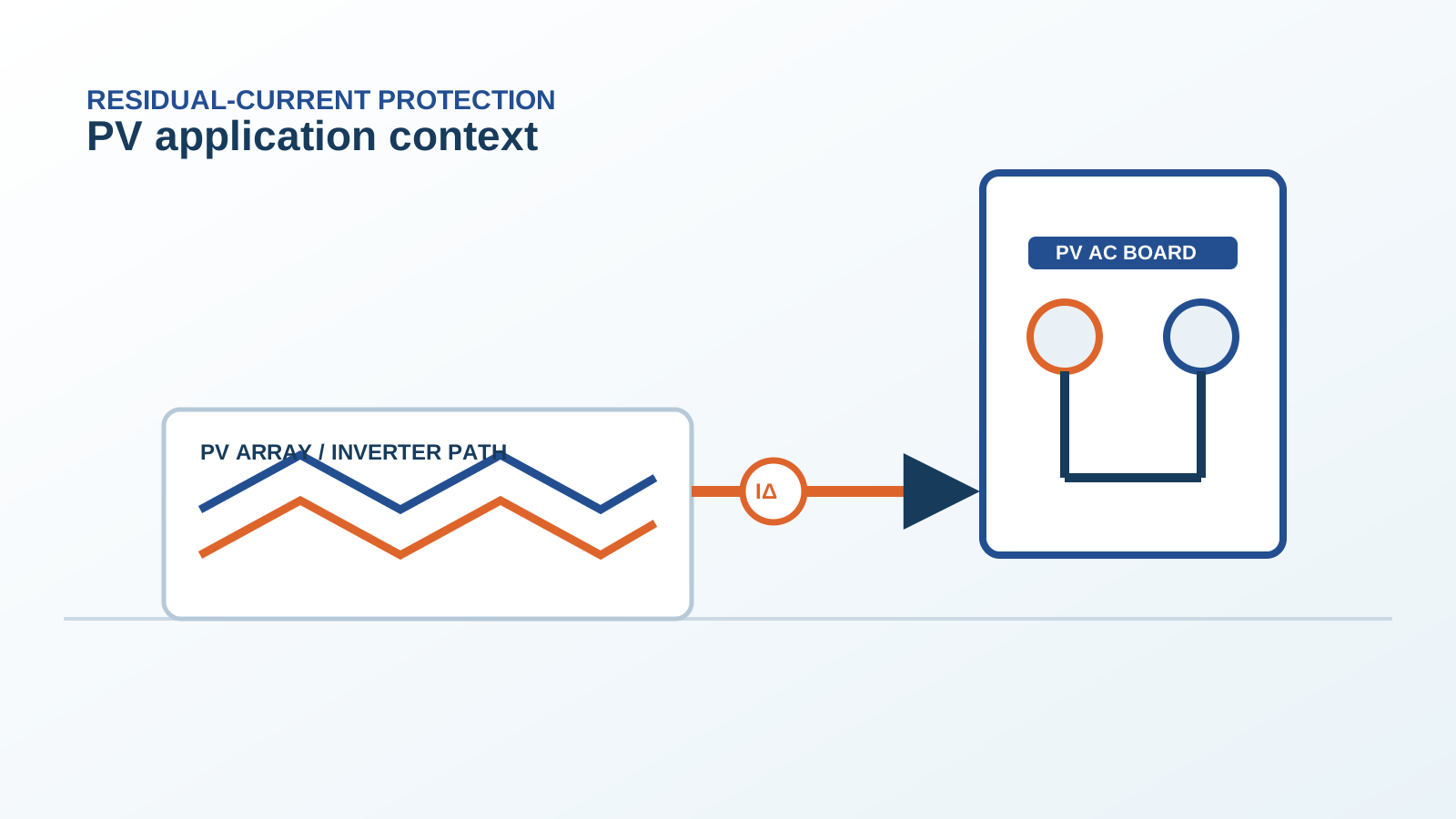
1. Why humidity raises leakage
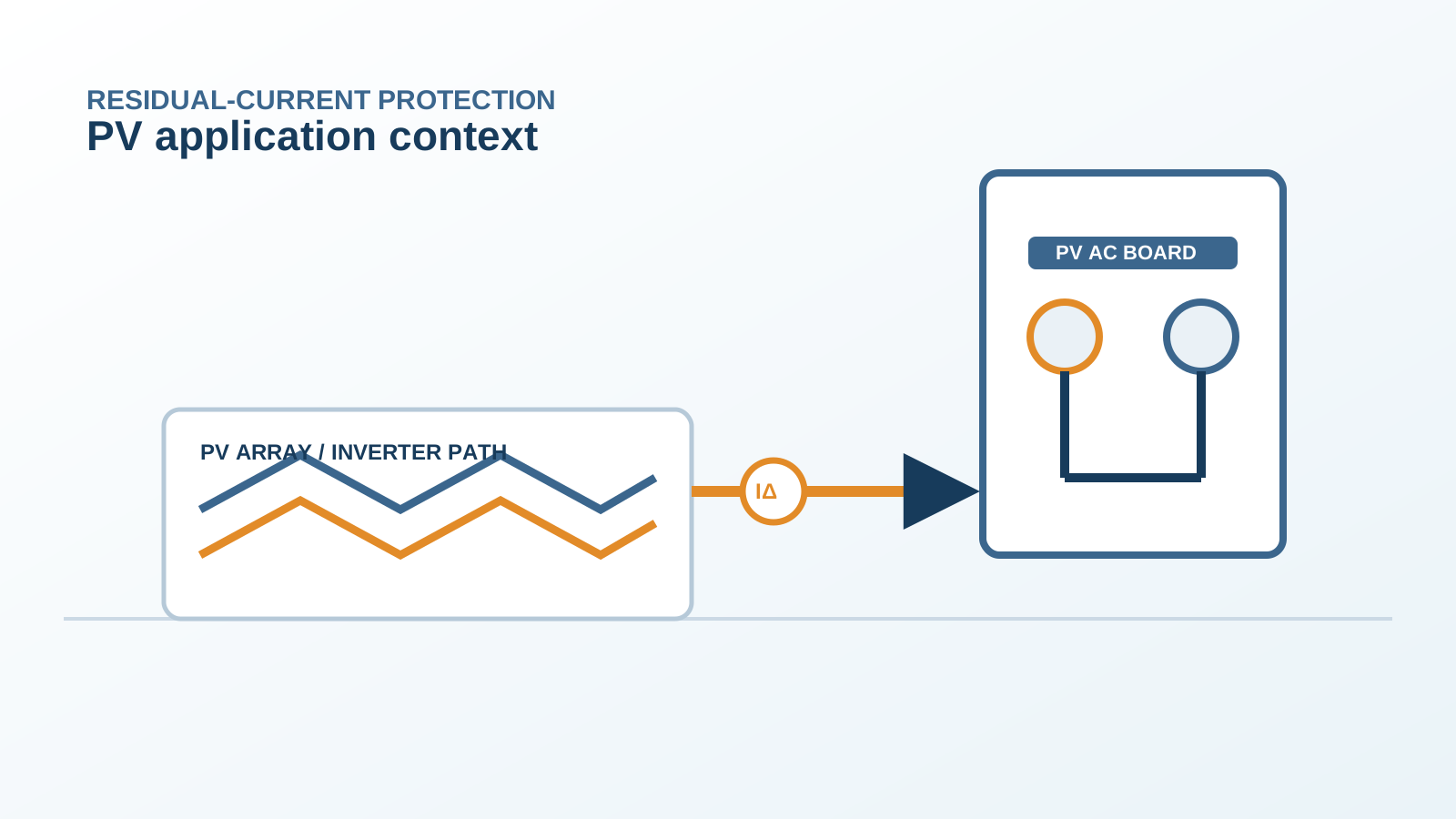
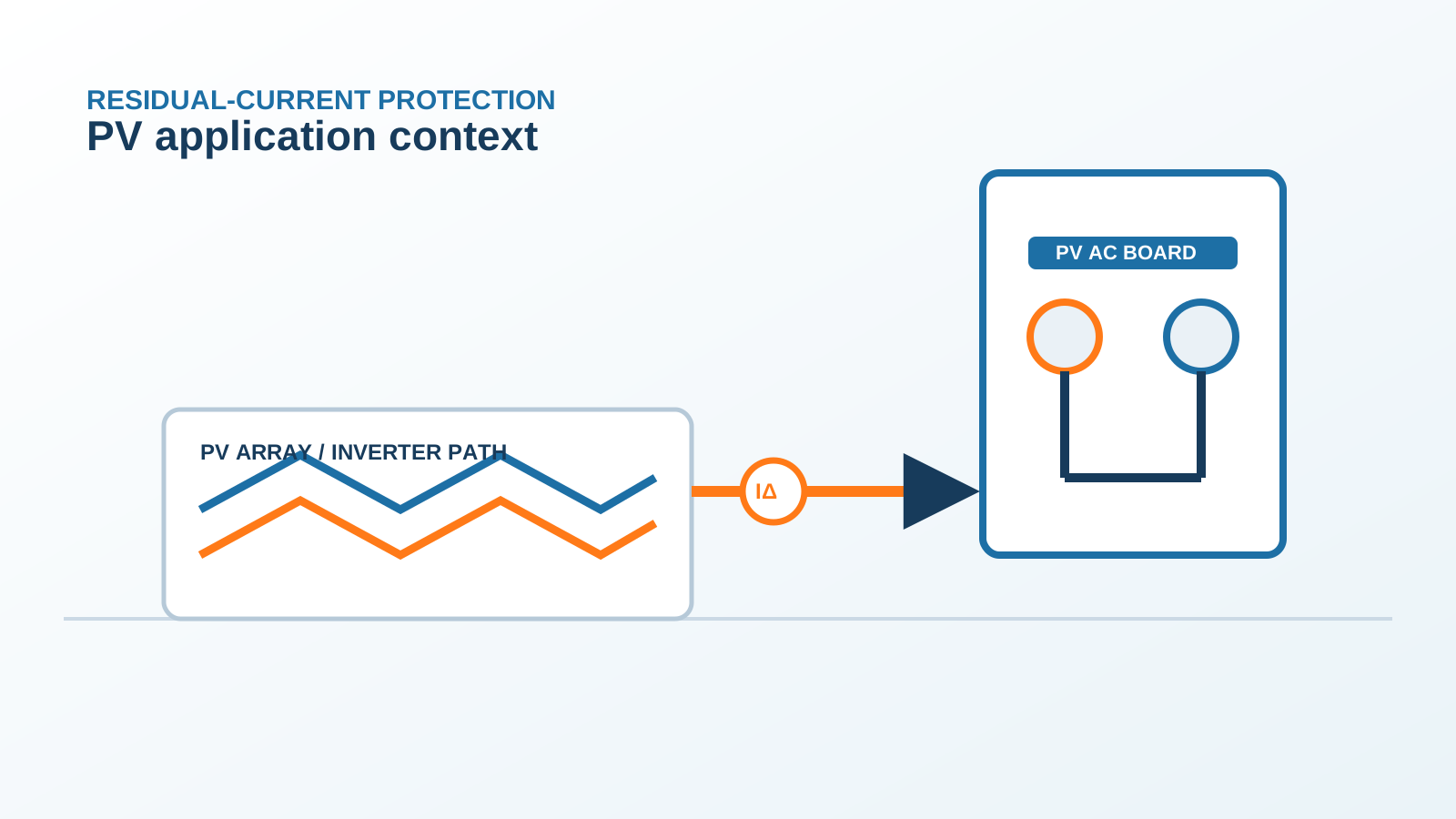
Water films on insulating surfaces and frames lower surface resistance, letting small currents flow where dry conditions allowed almost none. On a PV array this adds directly to the residual current the RCD measures.
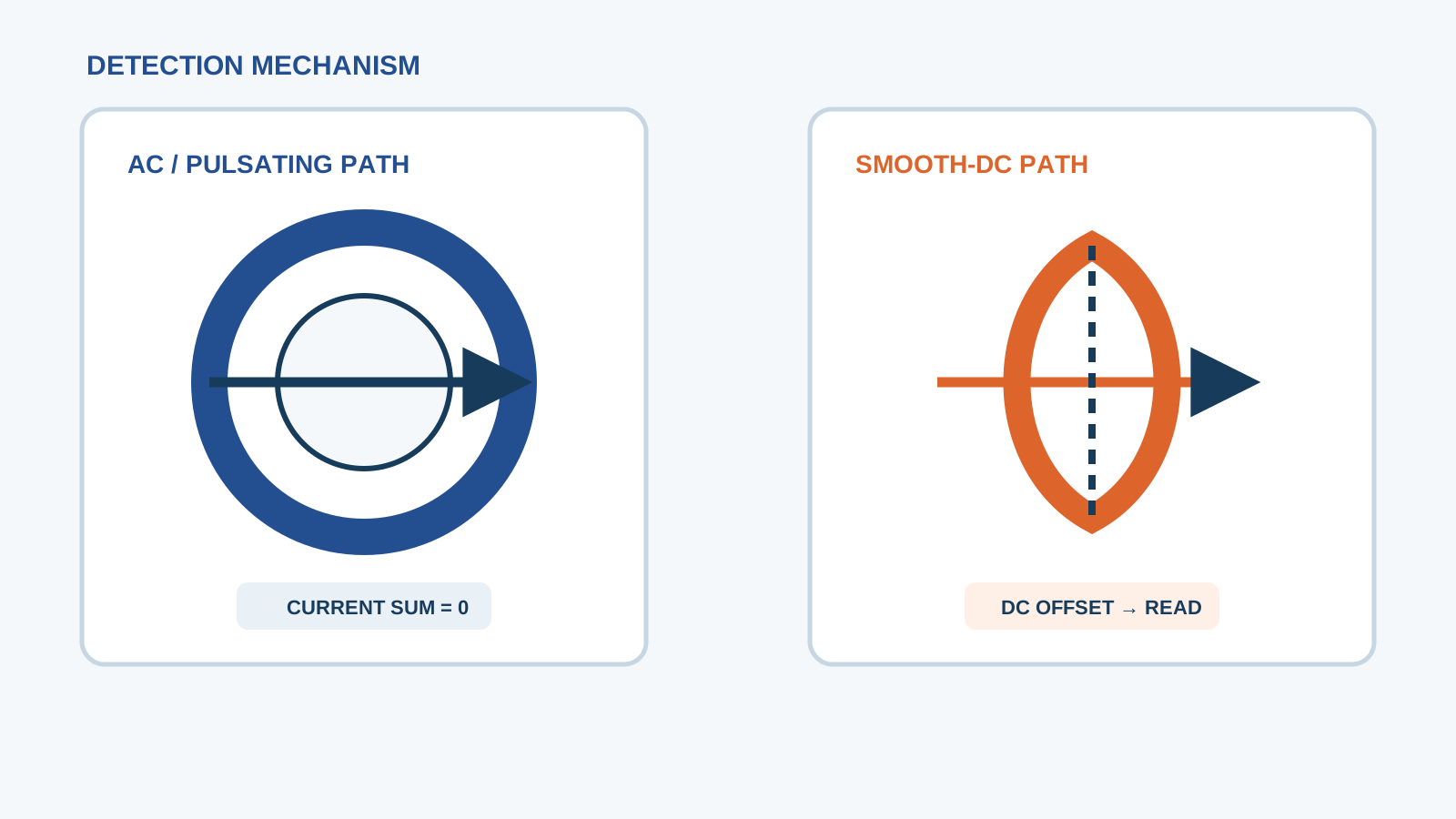
Technical diagram shown at a readable responsive scale.
2. Surface creepage paths
Leakage follows the shortest path across an insulator surface, the creepage distance. A wet, soiled surface shortens the effective creepage, increasing current along the frame and mounting rail back to earth.
3. Coastal and tropical sites
Coastal sites add salt spray that absorbs moisture and stays conductive longer; tropical sites add year-round humidity. These locations show the highest weather-driven leakage and the most weather-related trips.
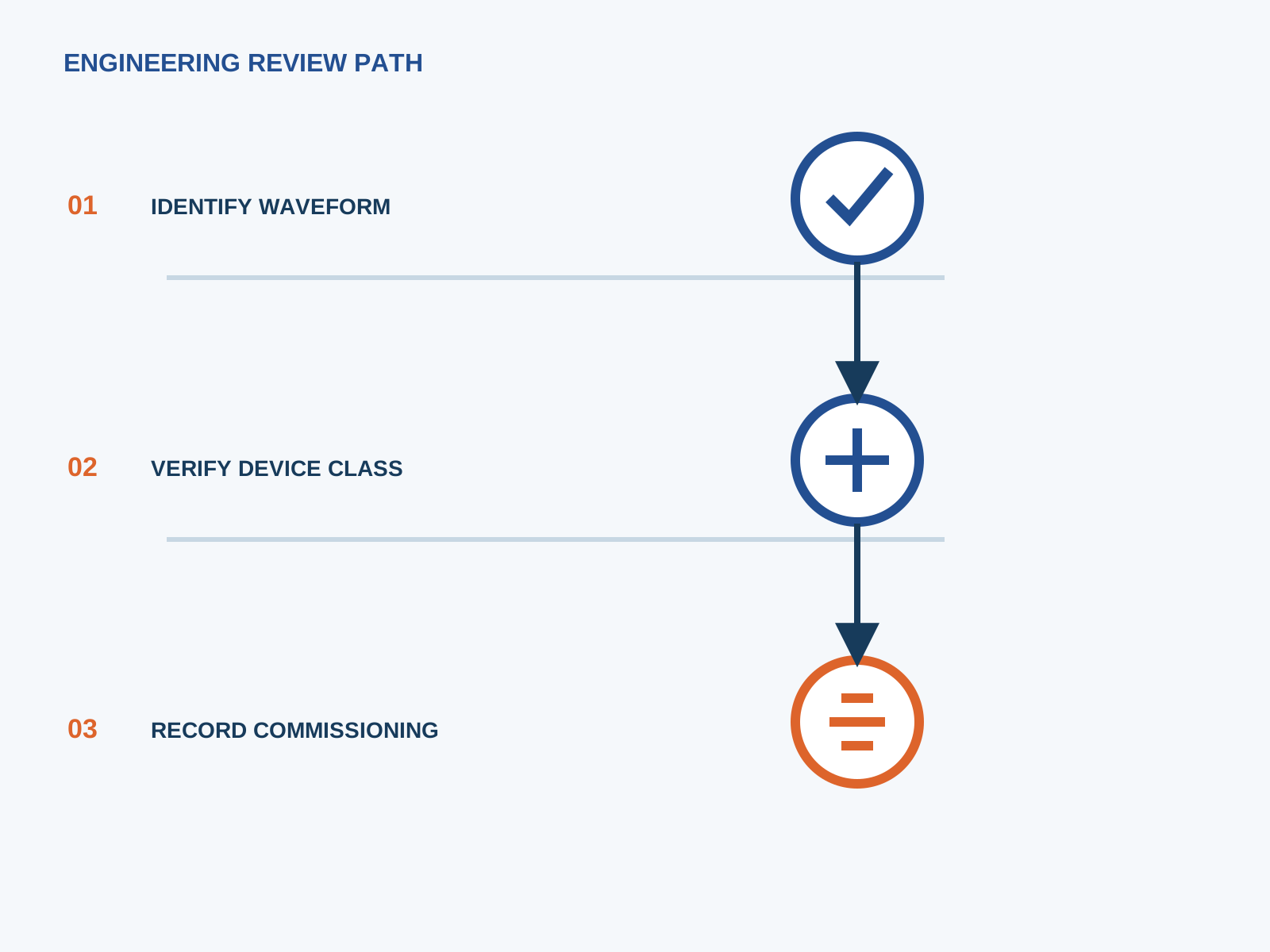
4. RCD sensitivity versus weather
A sensitive RCD leaves little margin in wet weather. Where the site is routinely humid, the design must either accept a higher trip threshold within code or reduce the leakage at its origin so the same device no longer trips.
5. Enclosure and sealing
A higher IP-rated enclosure and sealed cable entries keep rain out of the AC board and limit internal condensation. Dry internals mean the RCD environment stays within its rated humidity band.
6. Insulation resistance in a wet test
IEC 62446 insulation-resistance testing is done under site conditions; a reading taken in heavy rain may dip but should still clear the minimum. Trend the value across dry and wet days to separate a real fault from weather effect.
7. Maintenance in the wet season
In the wet season, inspect seals, clear debris from frames, and wash soiled modules so surface films do not build up. A clean, dry board trips far less often in humid weather.
8. Design for humid climates
Specify sealed enclosures, generous creepage and clearance, an earthing scheme that limits common-mode swing, and all-current-sensitive protection with margin. NEUTRON DC protection and switchgear are built for these site conditions; the array and inverter come from other suppliers.
This is general application guidance. Confirm final ratings, trip settings, standards, inverter instructions and local installation requirements against approved project documentation and a qualified engineer's review.
Bring the protection inputs to the first review.
Specify sealed enclosures, generous creepage and clearance, an earthing scheme that limits common-mode swing, and all-current-sensitive protection with margin. NEUTRON DC protection and switchgear are built for these site conditions; the array and inverter come from other suppliers.
Discuss a project requirementContinue learning
Explore related technical guidance in Electrical Protection.
Published from the approved period 10 source package; technical claims and source wording are retained for review.