
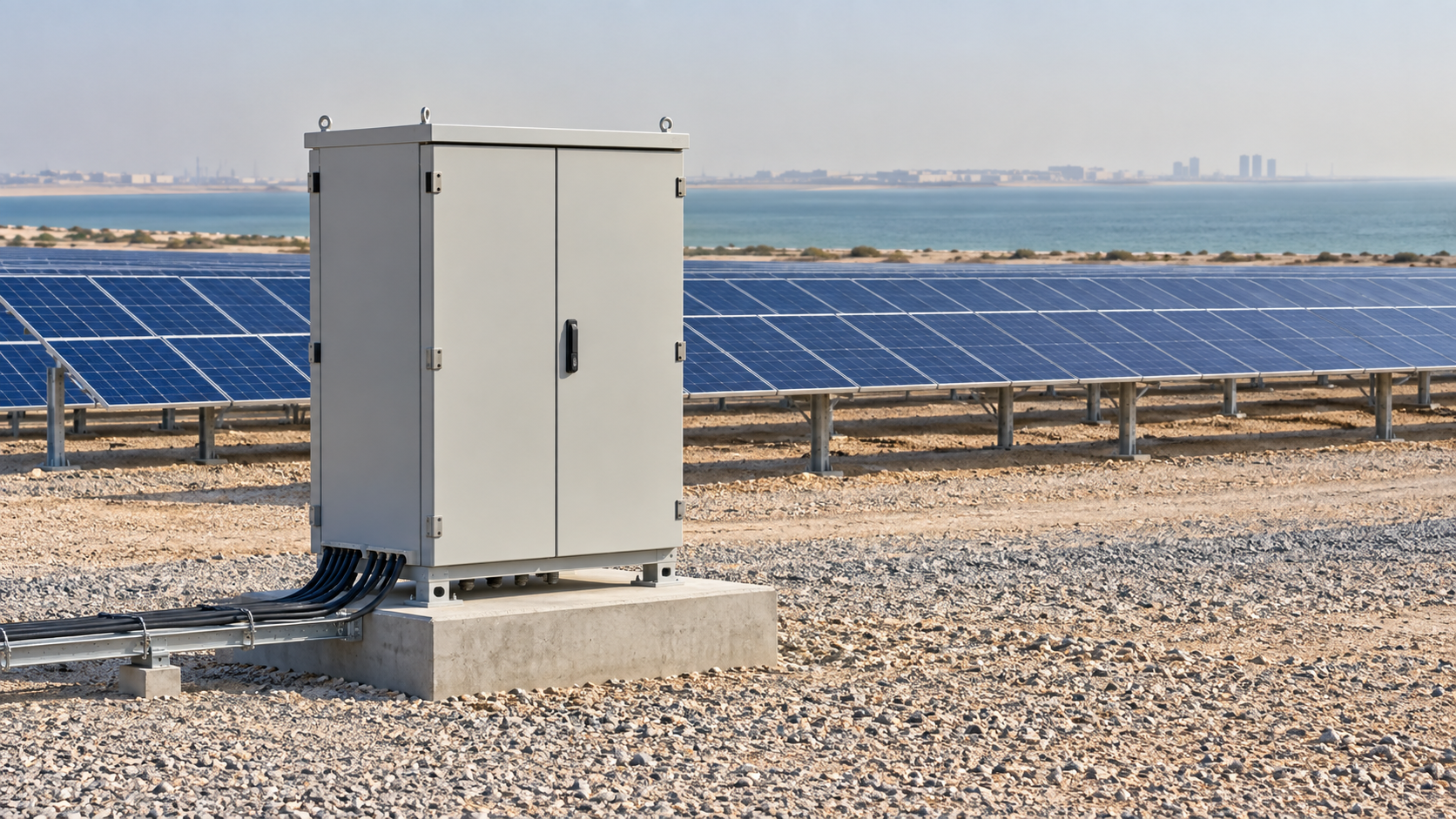
1. The coastal PV problem
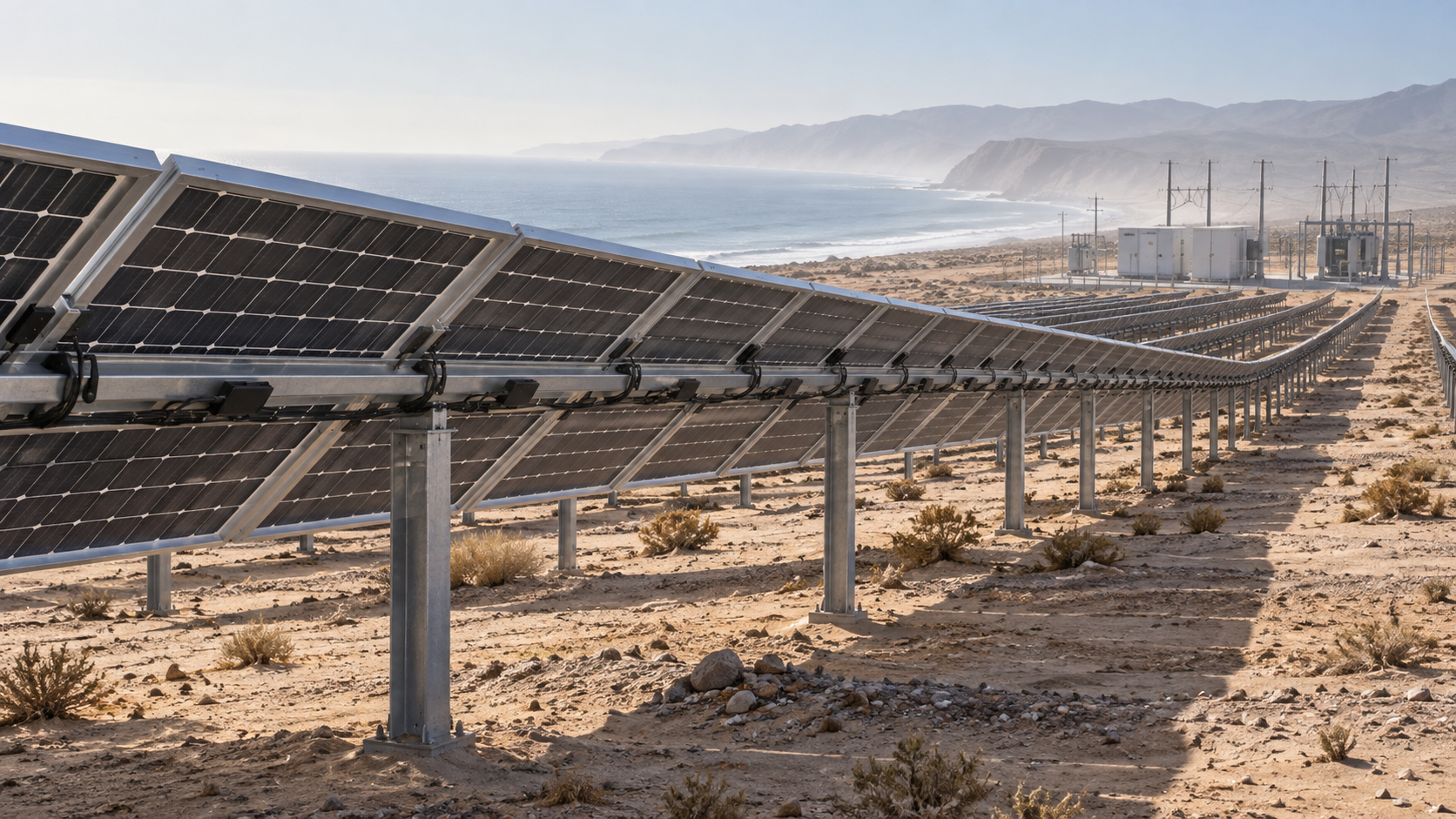
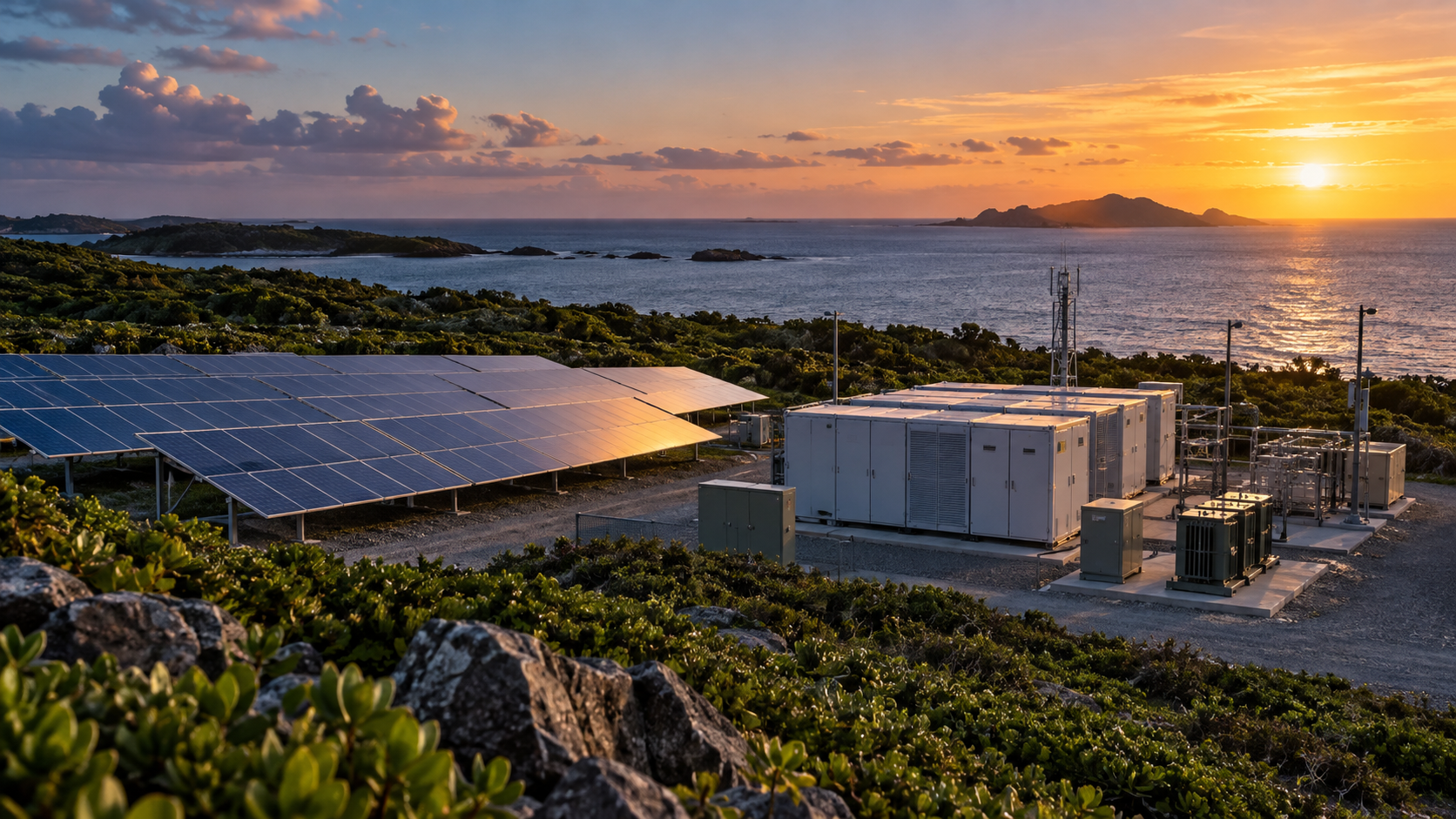
Salt-laden air accelerates corrosion on metal surfaces and humidity changes leakage behaviour on the DC side. A plant a few kilometres from the shore ages very differently from an inland desert site.
2. Corrosion-class enclosures
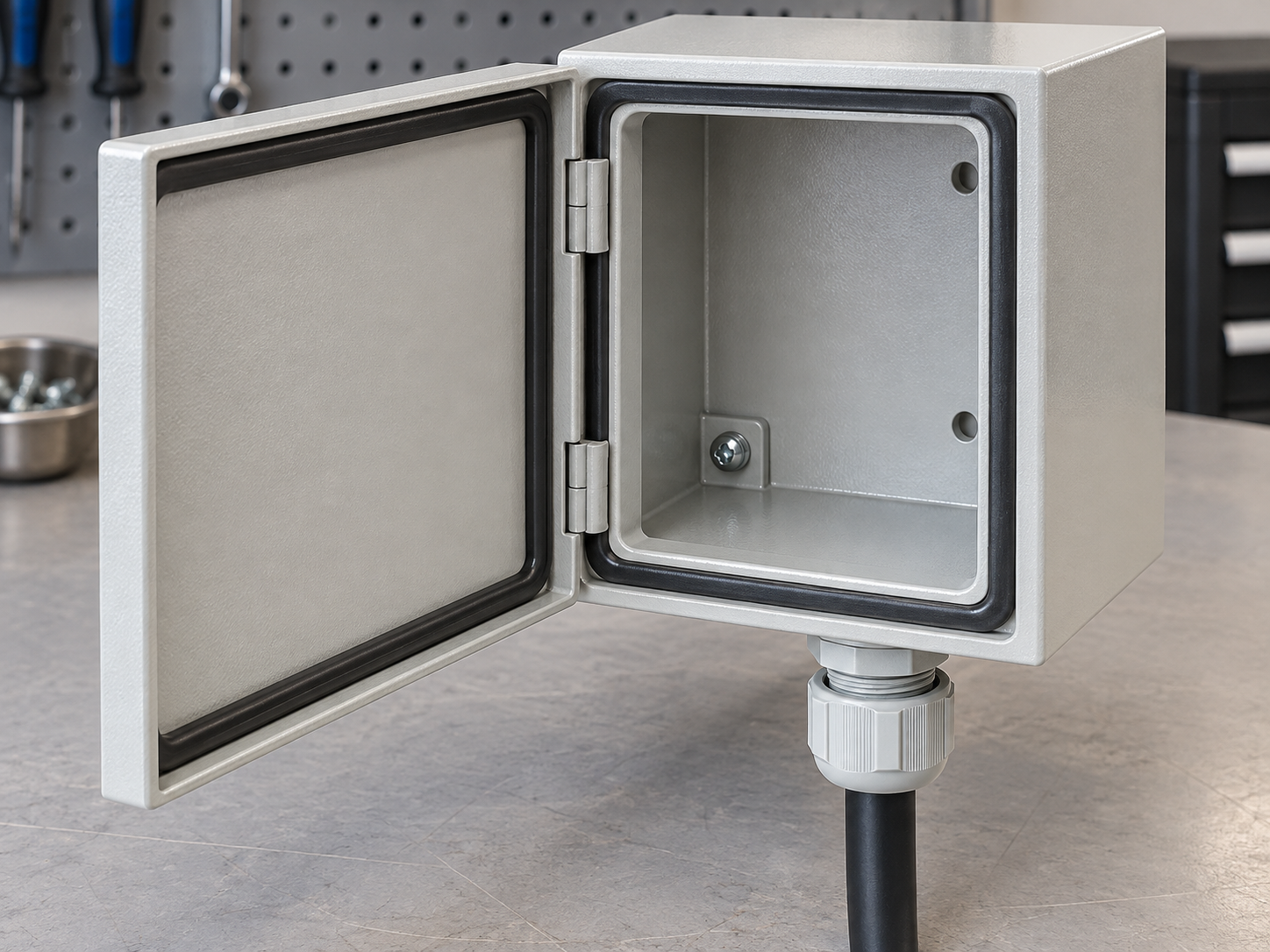
- Combiner and switchgear enclosures specified to a corrosion class suited to salt mist.
- Coated metal parts and sealed gaskets to slow ingress.
- Cable glands and entry points sealed against humidity.
- Periodic inspection of gaskets and coatings in the maintenance plan.
3. Staged DC surge protection
NEUTRON applies a staged SPD scheme: each combiner carries a Type 2 DC SPD matched to the 1500 V envelope, while the plant interface carries coordinated protection. Staging stops a single surge event from stressing every device at once.
4. Combiner and DC protection
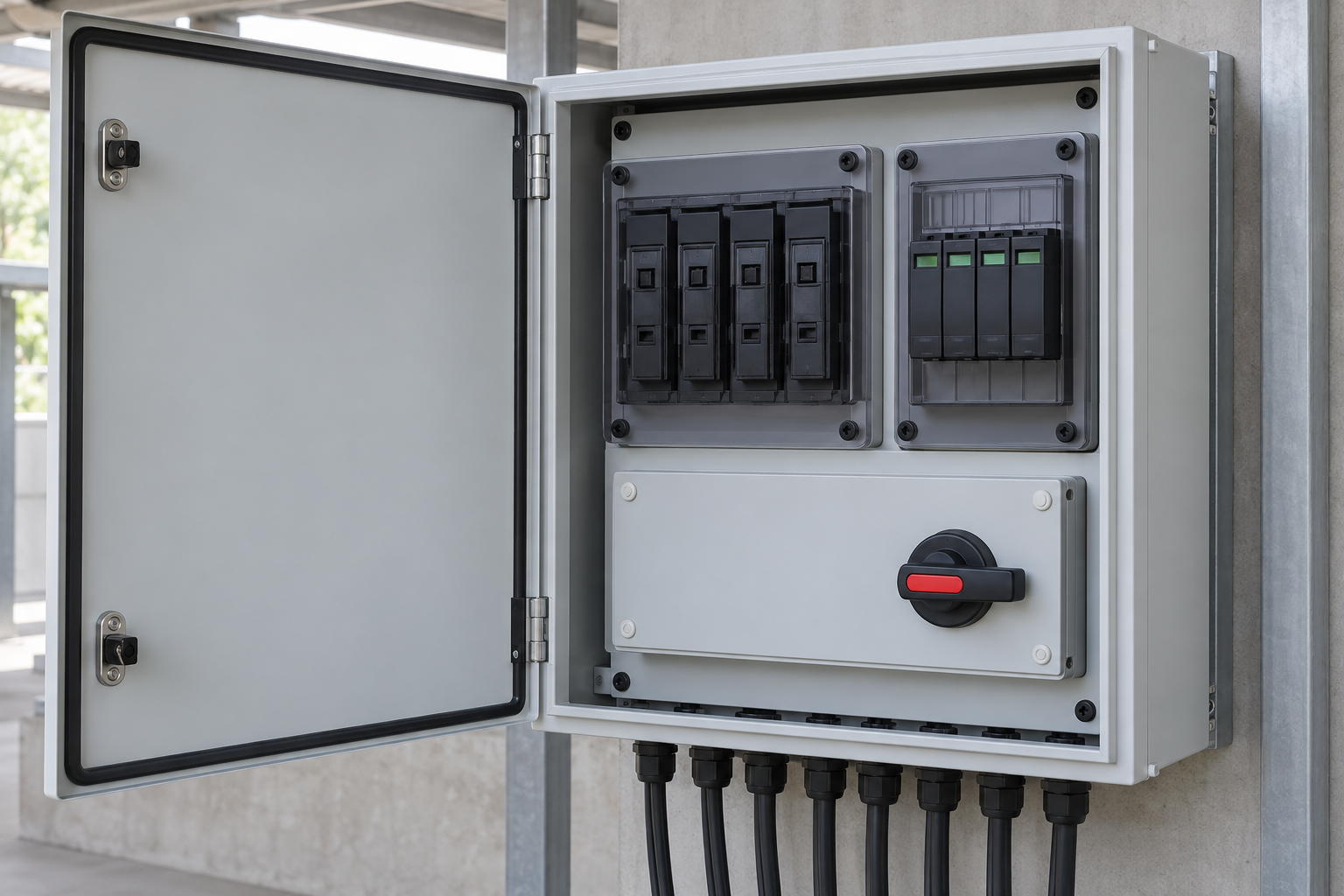
- PV combiner boxes rated to 1500 V DC with individual gPV fuse protection.
- DC disconnect switches for safe isolation.
- DC MCBs for auxiliary and monitoring circuits.
5. Verification
The SPD staging and protective earth are reviewed against the local lightning density and soil resistivity, and the enclosure class against the actual distance to the coast, not a generic assumption.
6. Outcome
The coastal-rated protection approach gives GCC seaside plants a durable first line of defence against both corrosion and surge. The lesson is that a seaside PV plant needs a different enclosure and SPD strategy than an inland one.
Final ratings, coordination, installation and applicable local requirements must be verified against current standards, manufacturer documentation and the approved project design.
Frequently asked questions
Why does coastal PV need special protection?
Salt mist accelerates corrosion and humidity changes DC leakage, so enclosures need a corrosion class and the SPD scheme must suit a marine-adjacent environment.
What is staged DC SPD?
A coordinated layout where each combiner carries a Type 2 DC SPD and the plant interface adds coordinated protection, so one surge does not stress every device.
Which standards apply?
IEC 61643-31 for SPD, IEC 60269-6 for gPV fuses, IEC 62916 for combiner assemblies and IEC 61439 for switchgear.
How is the enclosure chosen?
Against the actual distance to the coast and the local corrosion class, with sealed gaskets and humidity-sealed cable entries.
Review the environmental duty before configuration.
Share the coastal exposure, earthing context and string configuration for a coordinated enclosure and SPD review.
Discuss a projectContinue learning
Explore related technical guidance in Electrical Protection.
Published from the approved Period 12 source package; project, technical and standards statements are retained from the supplied publication content.