
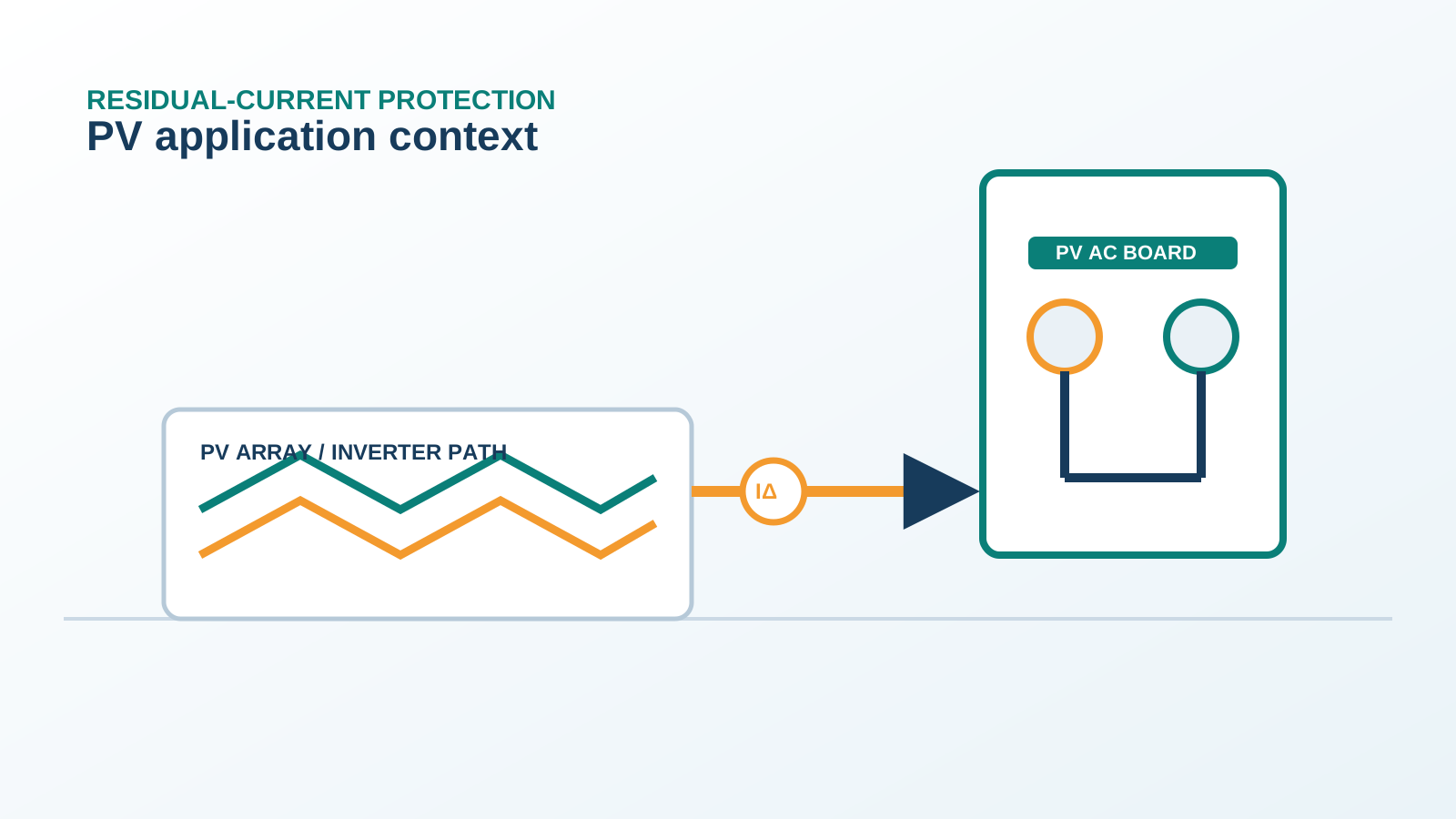
1 What an AFDD does
An arc-fault detection device (AFDD) senses the characteristic signature of an electric arc - the high-frequency noise and erratic current steps produced when current jumps a gap. By recognizing series and parallel arc faults that conventional breakers miss, an AFDD adds a layer of fire protection on top of overcurrent and residual-current protection.
It is a complementary function, not a replacement for the earth-fault and overcurrent protection already present.
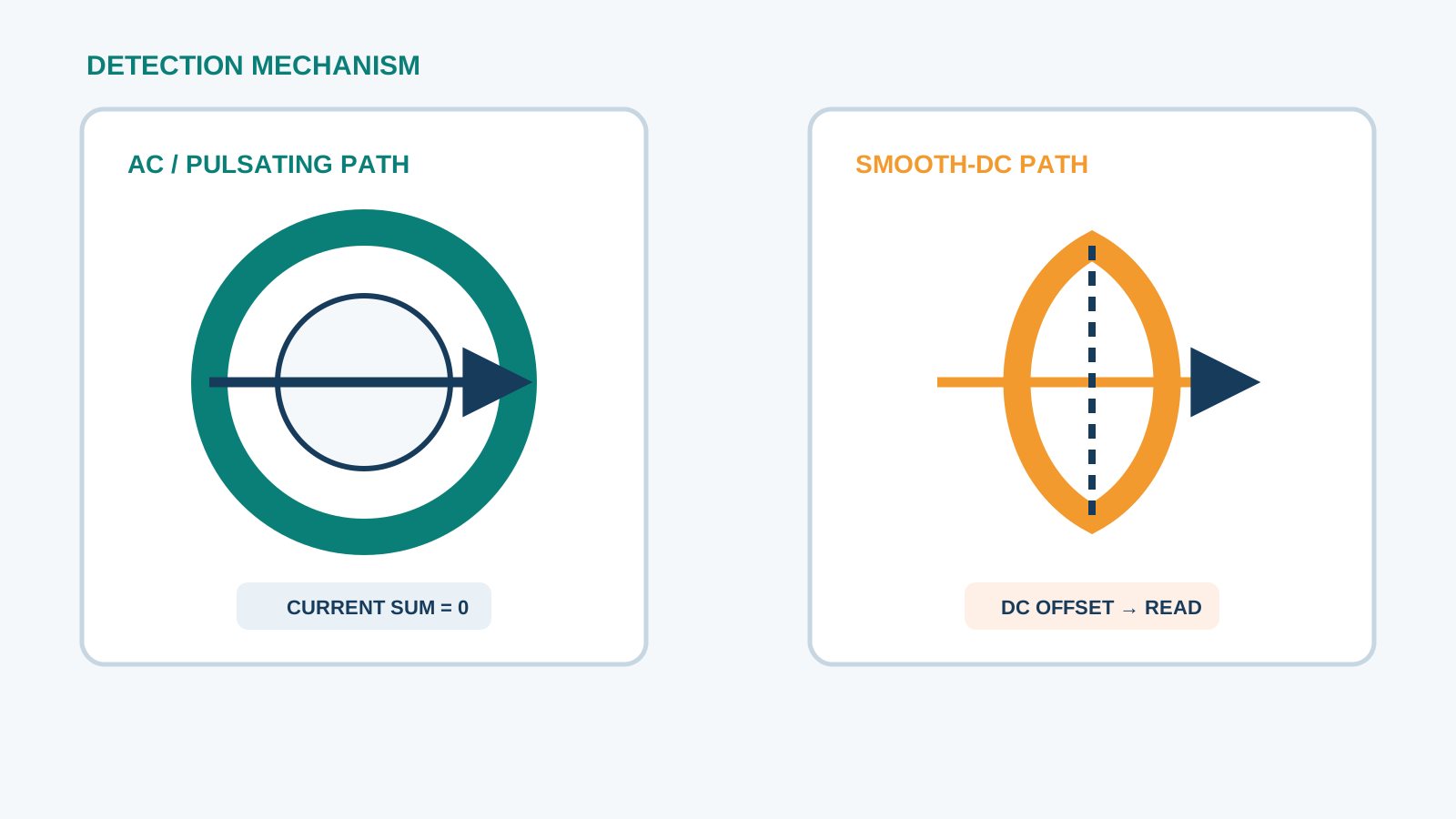
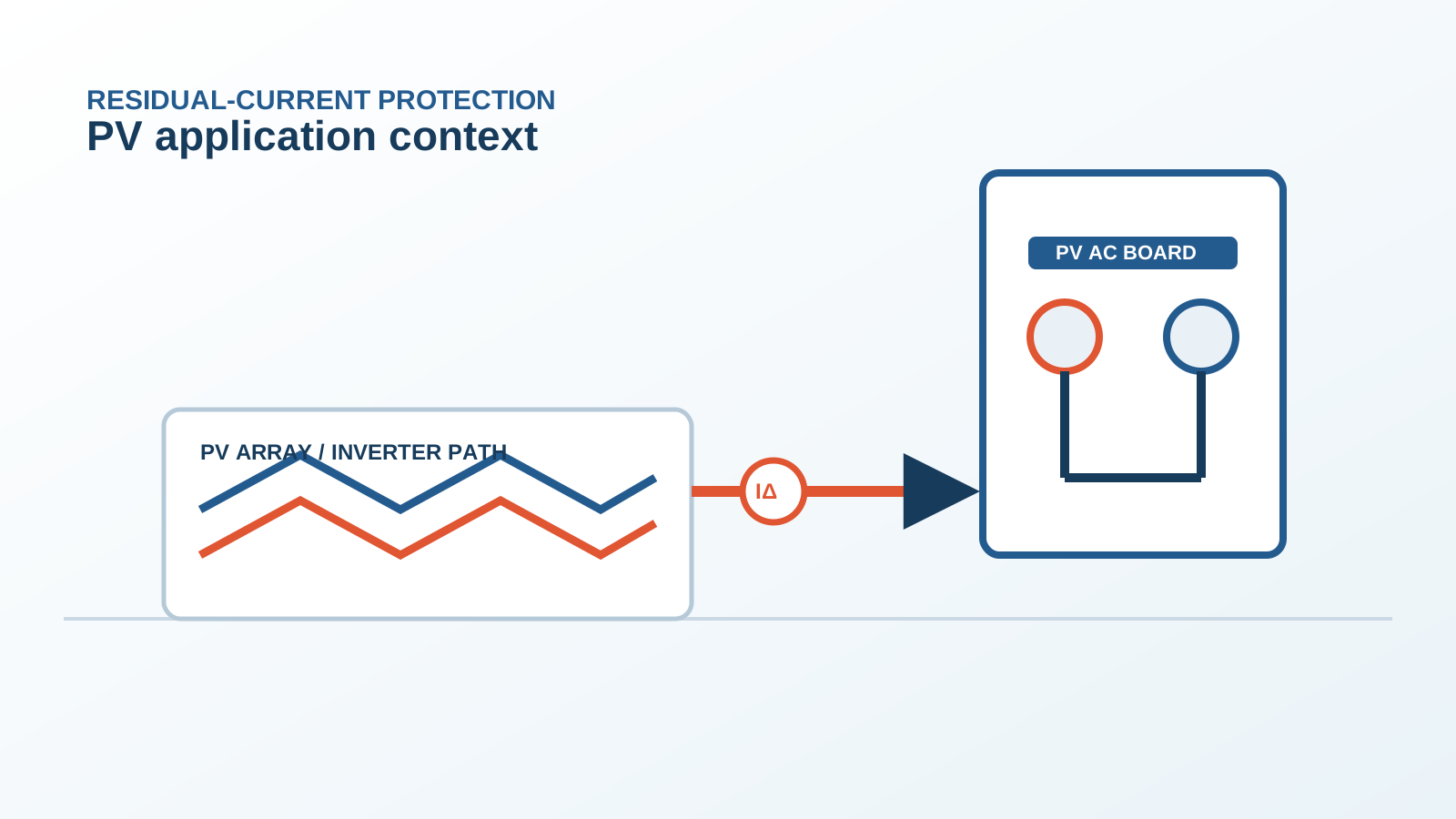
Technical diagram shown at a readable responsive scale.
2 Series and parallel arc faults
A series arc forms along a broken or loose conductor, while a parallel arc forms between conductors at different potentials. Both generate heat that can ignite insulation or dust.
Because arcs can occur at currents below a breaker's trip threshold, ordinary MCB and RCBO protection alone may not clear them.
3 PV AC arc risk
The PV AC side carries the full inverter output through connectors, terminals and long cable runs. Loose terminations, aged insulation or damaged cabling can initiate an arc.
While the DC side has its own arc-fault considerations, the AC distribution branch is also exposed and benefits from arc-fault detection where the rule requires it.
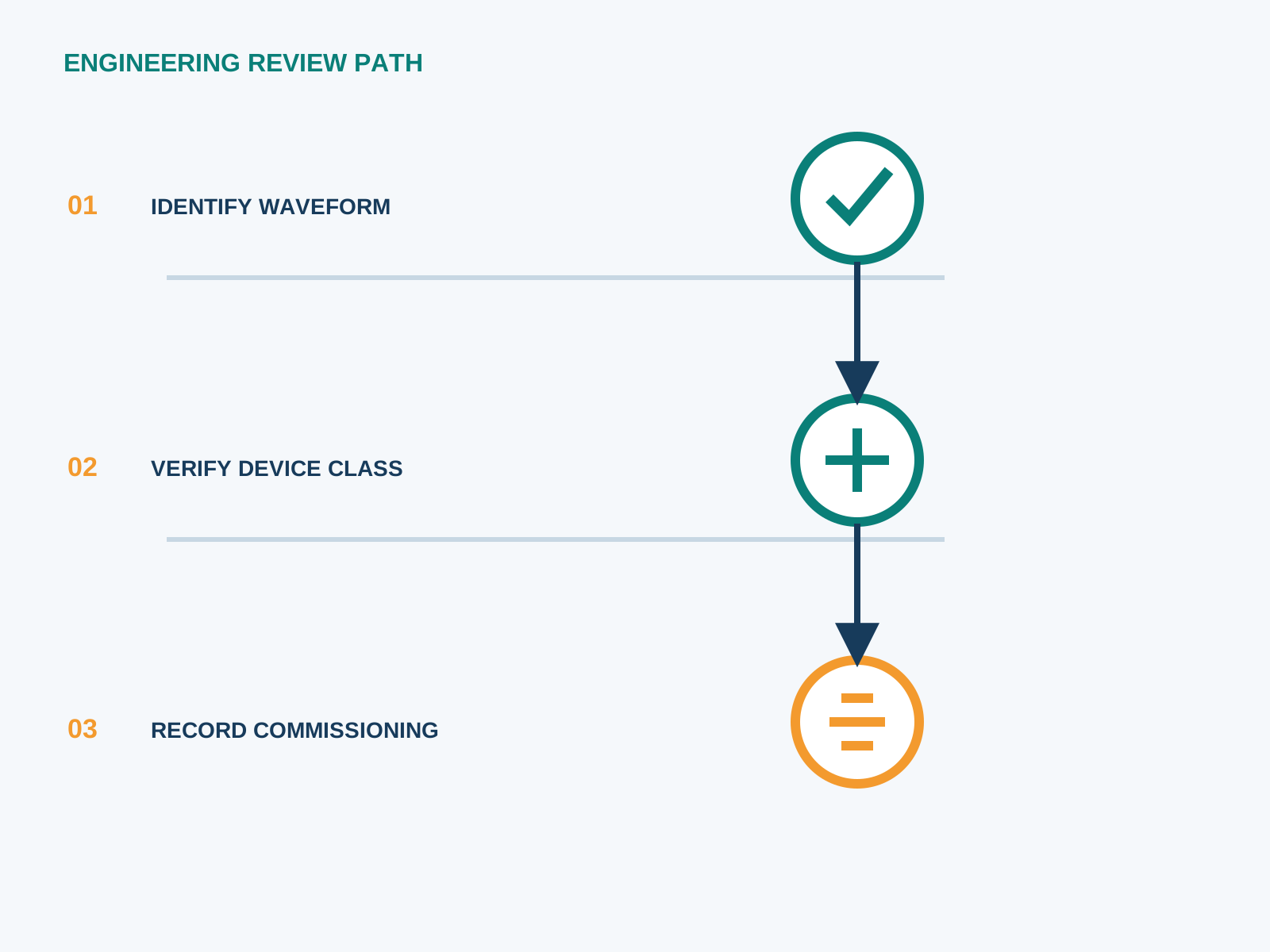
4 AFDD+RCBO in one device
Combining an AFDD with an RCBO puts arc-fault, earth-fault and overcurrent protection in a single unit, saving space and reducing wiring points on the PV AC board. The combined device trips on any of the three fault types while keeping the branch separately protectable.
NEUTRON includes combined AFDD+RCBO options in its protection discussion for PV AC distribution.
5 Where required by code
Some electrical rules require arc-fault protection on specific AC circuits, particularly in residential and certain commercial occupancies. Whether a PV AC branch falls under such a requirement depends on the local adoption and the building type.
Designers should check the applicable rule - for example the PV arc-fault clause found in common electrical regulations - and the inverter interface standard before finalizing the board.
6 Coordination with DC side
The AFDD+RCBO protects the AC branch; the DC side keeps its own string and array protection. The two zones meet at the inverter, which itself monitors residual current and can disconnect on fault.
Coordination means the AC device and the inverter protection do not mask each other, and a DC arc is handled by the DC-side scheme.
7 Testing and nuisance trips
AFDDs include a test function, and like RCBOs they can nuisance-trip on genuine arc-like noise from nearby switching. Commissioning should run the test, then observe operation under load.
If spurious trips appear, review wiring quality and separation before assuming the device is at fault.
8 Specifying for PV
Specify an AFDD+RCBO with the correct pole count and current rating for the inverter AC output, confirm the local rule requirement, and verify the device certificate. Where arc-fault protection is not mandated, the AFDD can be omitted while keeping the RCBO.
NEUTRON reviews the board plan and the applicable rule to advise the right combination.
This is general application guidance. Confirm final ratings, trip settings, standards, inverter instructions and local installation requirements against approved project documentation and a qualified engineer's review.
Frequently asked questions
What is an AFDD?
An arc-fault detection device recognizes the high-frequency signature of electric arcing and disconnects the circuit, adding fire protection beyond overcurrent and earth-fault protection.
Do PV AC circuits need arc fault protection?
Where the applicable electrical rule requires arc-fault protection on the relevant AC circuits, the PV AC branch may be included. Check the local rule and building type; otherwise the RCBO alone covers earth and overcurrent.
AFDD+RCBO in one device?
Yes. A combined AFDD+RCBO provides arc-fault, earth-fault and overcurrent protection in a single unit, saving space and reducing wiring points on the PV AC board.
Where is it required?
Requirement depends on the local electrical rule and occupancy type, often residential or specific commercial circuits. Confirm against the applicable regulation and the inverter interface standard.
Bring the protection inputs to the first review.
NEUTRON reviews the board plan and the applicable rule to advise the right combination.
Discuss a project requirementContinue learning
Explore related technical guidance in Electrical Protection.
Published from the approved period 10 source package; technical claims and source wording are retained for review.