
1 RCBO types recap
RCBOs are classified by the residual current they can detect. Type AC responds to pure AC residual current. Type A adds pulsating DC. Type B, also called all-current-sensitive, adds smooth DC and high-frequency components.
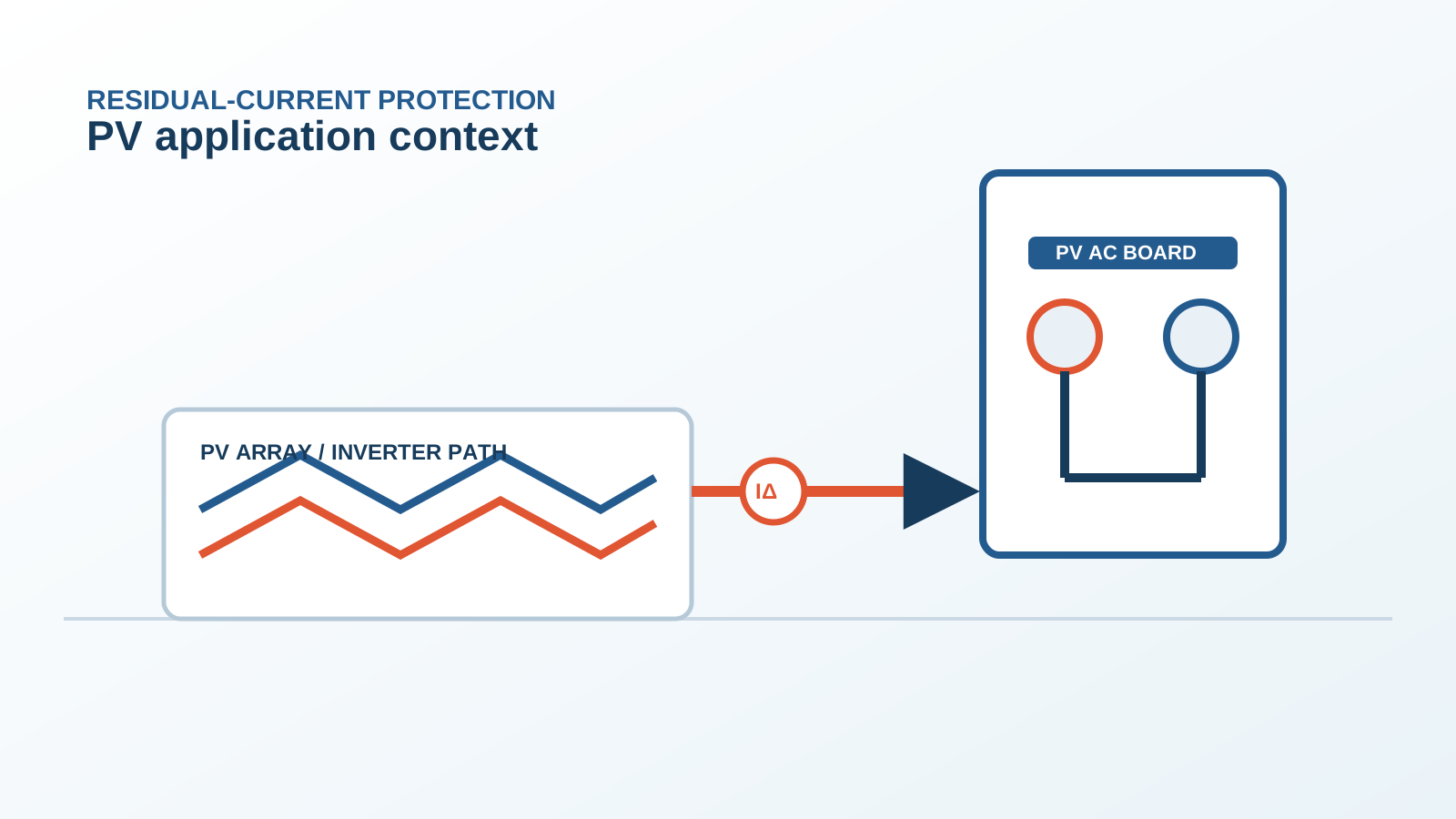
The choice on a PV AC board depends on what leakage the inverter can put on the AC side.
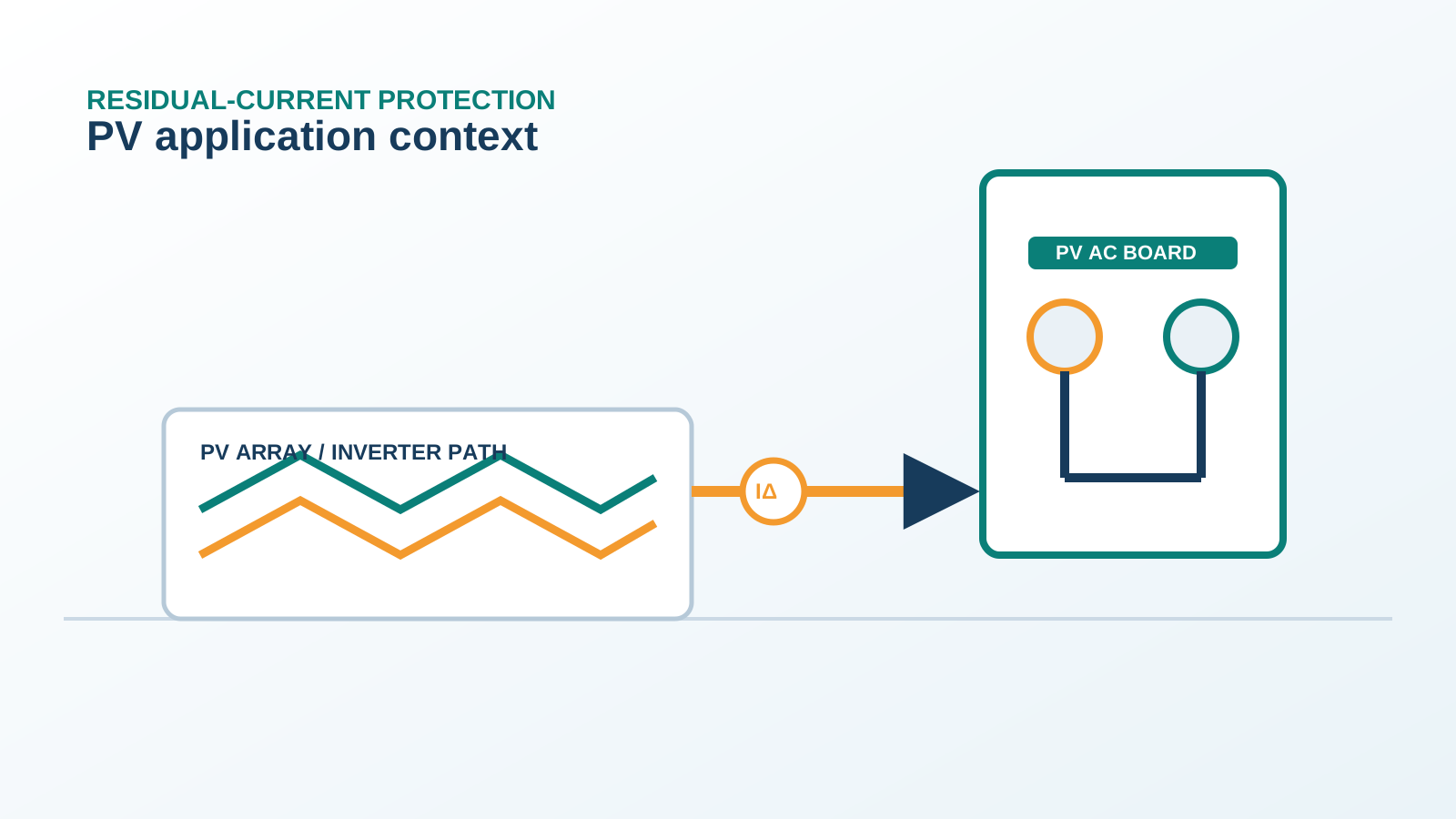
Technical diagram shown at a readable responsive scale.
2 PV AC-side leakage character
A transformerless PV inverter can return a small smooth-DC component into its AC output through the inverter's internal capacitances and switching. This leakage is not a fault but a normal consequence of the topology.
Over time, and across several strings, it can accumulate toward the milliamp range that an RCBO monitors.
3 Type A blind spot on smooth DC
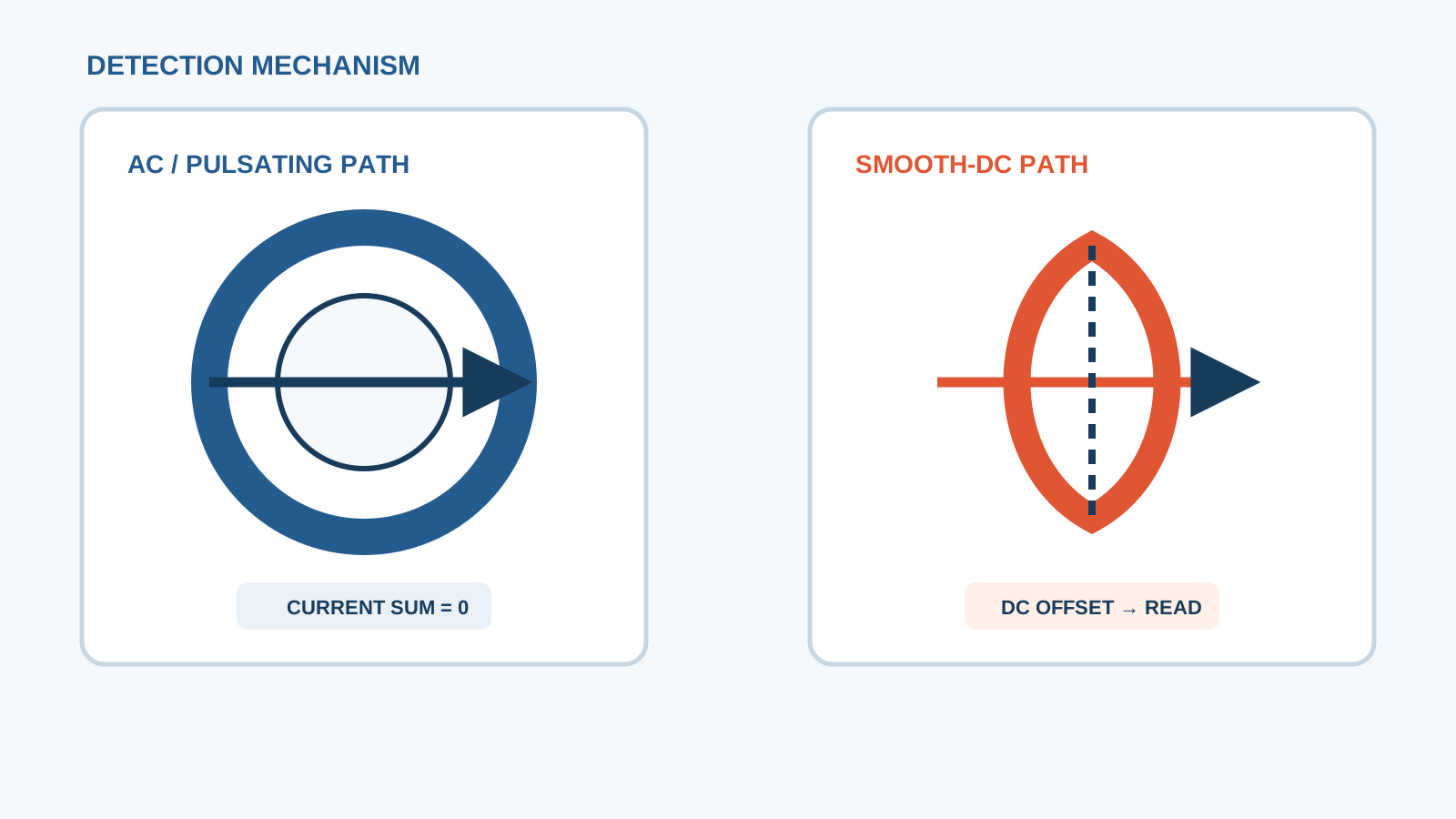
Type A RCBOs detect AC and pulsating DC but are blind to pure smooth DC. If the only leakage present is smooth DC, a Type A device will not trip even as the level rises.
This blind spot is the core reason PV AC protection discussions focus on Type B.
4 Type B full coverage
Type B RCBOs respond to AC, pulsating DC and smooth DC down to the specified threshold, typically 6 mA for the smooth-DC component per IEC 62423. They close the blind spot and give full coverage of the leakage a transformerless inverter can produce.
NEUTRON references Type B devices for PV AC branches fed by such inverters.
5 When Type A is acceptable
Type A may be acceptable where the inverter provides an internal residual-current monitor that acts as a Type B equivalent, and where the applicable rule permits relying on that internal monitor for the smooth-DC component.
Even then, many designers specify Type B to avoid depending on a single internal function.
6 Label and certification
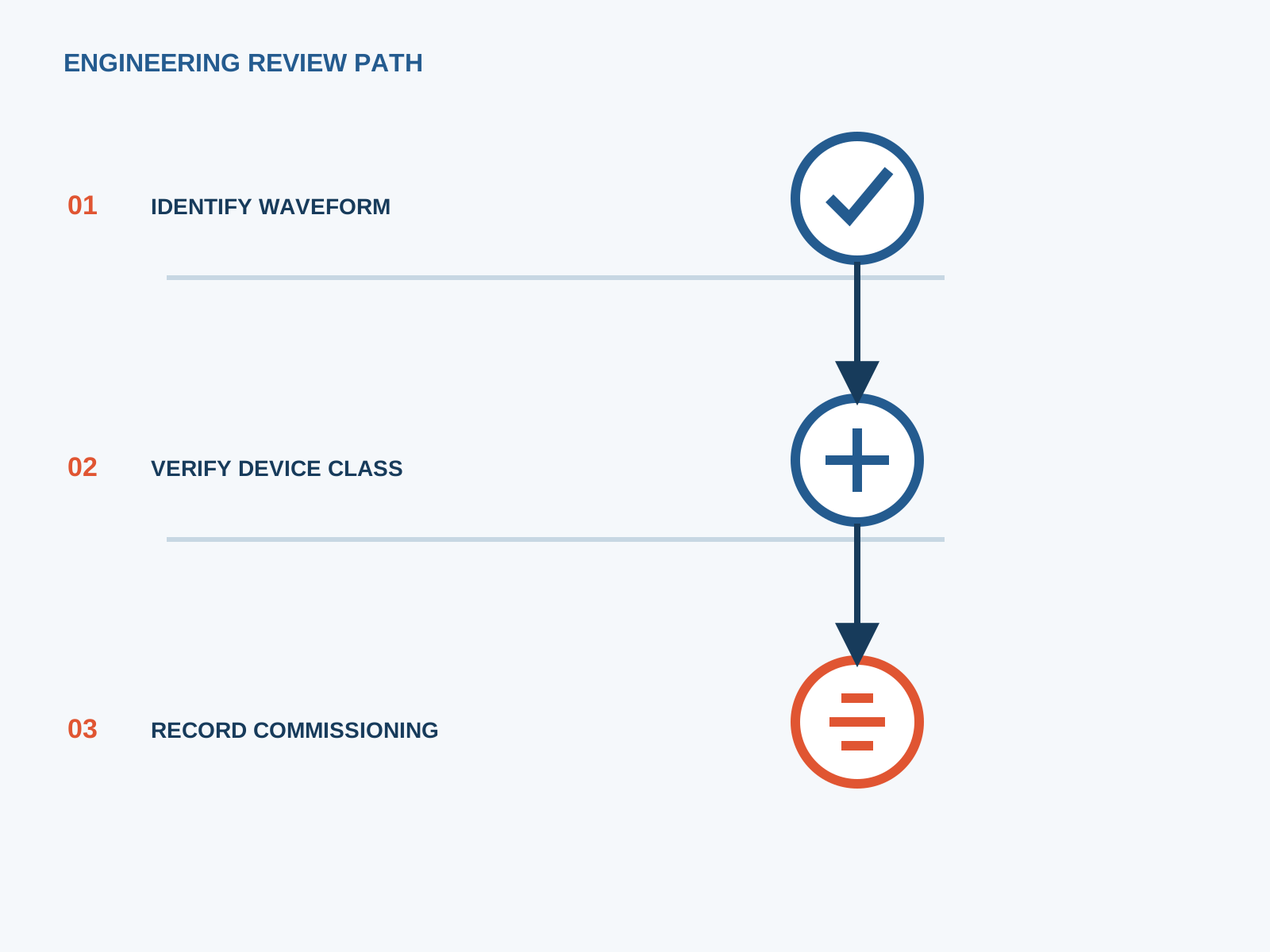
On site, confirm the type by the symbol on the device front: a sine wave for Type AC, sine plus pulsating-DC symbol for Type A, and the sine plus DC symbol for Type B. Certification marks and the IEC 62423 or IEC 61009 reference on the datasheet back the label.
Keep the certificate on file with the commissioning record.
7 Cost difference
Type B RCBOs cost more than Type A because of the wider sensing electronics. The premium is modest relative to the total PV AC board and is often justified by removing the smooth-DC blind spot.
Procurement should weigh the device cost against the risk of an undetected leakage path.
8 Specifying for PV AC
Specify Type B for PV AC branches fed by transformerless inverters, match the pole count to the inverter output, and size the current rating to the inverter continuous AC current. Keep the label and certificate on file.
NEUTRON can review the inverter topology and propose a matching configuration.
This is general application guidance. Confirm final ratings, trip settings, standards, inverter instructions and local installation requirements against approved project documentation and a qualified engineer's review.
Frequently asked questions
Type A or B RCBO for PV?
For PV AC branches fed by transformerless inverters, Type B is the recommended selection because it detects smooth DC that Type A cannot.
Is PV AC side safe with Type A?
Type A leaves a smooth-DC blind spot. It may be acceptable only where the inverter provides an internal Type B-equivalent monitor and the rule permits relying on it.
Does Type B cost much more?
Type B costs somewhat more than Type A, but the premium is small relative to the board and removes a known blind spot.
How to confirm the type on site?
Read the symbol on the device front and check the datasheet for IEC 62423 or IEC 61009 references and the certification mark.
Bring the protection inputs to the first review.
NEUTRON can review the inverter topology and propose a matching configuration.
Discuss a project requirementContinue learning
Explore related technical guidance in Electrical Protection.

Published from the approved period 10 source package; technical claims and source wording are retained for review.