

What the temperature coefficient measures
The temperature coefficient tells you how a panel's electrical values shift as cell temperature moves away from the 25 C test condition. It is expressed as a percentage loss (or gain) per degree Celsius and appears on every datasheet.
Two coefficients matter most for the electrical design: the Pmax coefficient, which tracks power loss with heat, and the Voc coefficient, which tracks voltage change with temperature. Both feed directly into how you size strings and protection.
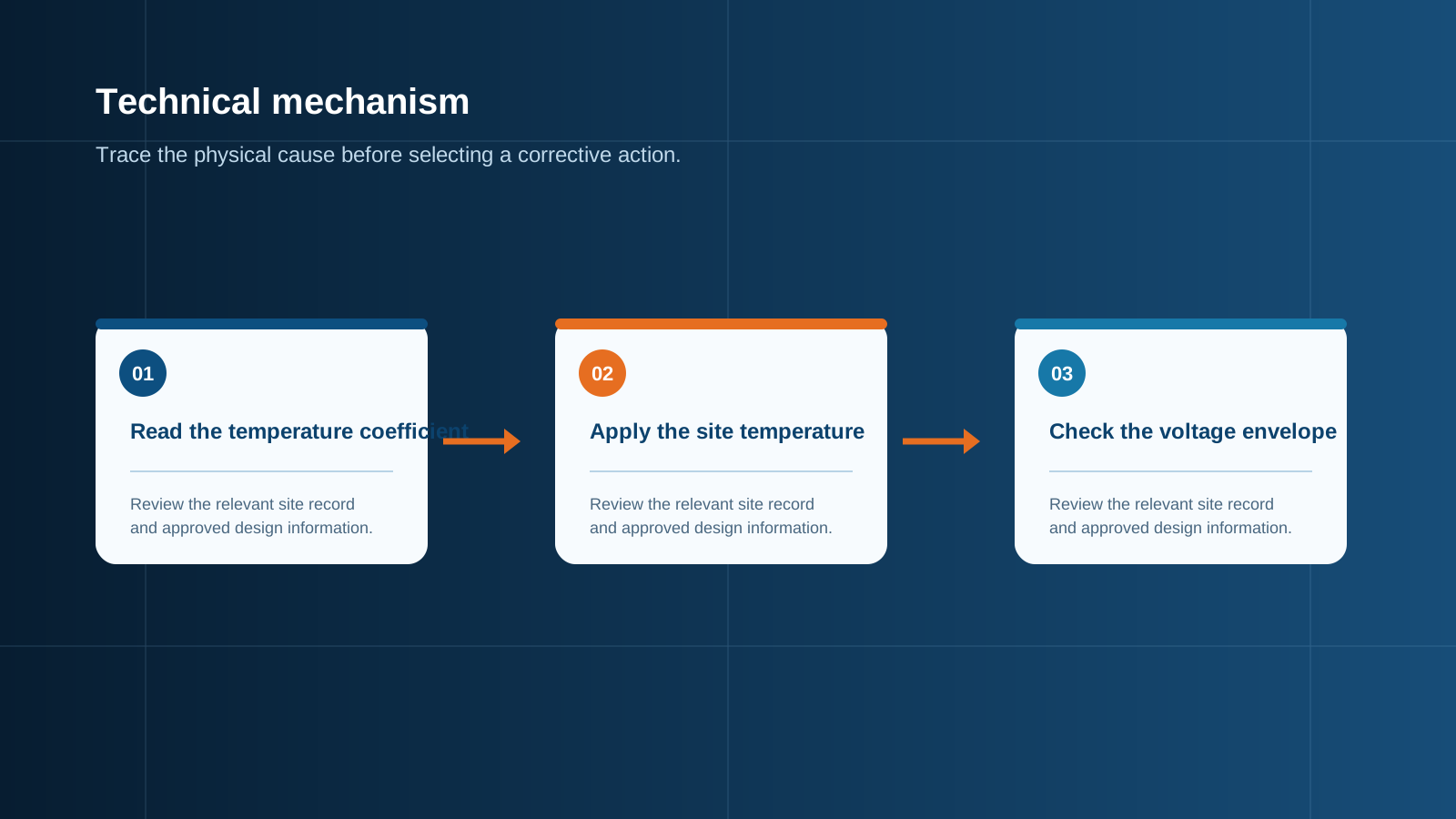
Technical diagram shown at a readable responsive scale.
Pmax coefficient: heat cuts power
As panels warm, they lose power. A typical Pmax coefficient of about -0.35% per C means a panel operating at 65 C — easily reached on a hot roof — loses roughly 14% of its nameplate output versus the lab.
This is why real-world yield is far below the sticker wattage on summer afternoons. The BOS does not need extra capacity for this loss, but yield estimates and inverter loading should account for it.
Voc coefficient: cold pushes voltage
Voltage behaves the opposite way: as temperature drops, open-circuit voltage rises. The Voc coefficient is usually around -0.30% per C, so a -10 C winter morning can lift string voltage by more than 10% above the nameplate.
This upward swing is the one that threatens equipment. It is why string length is limited by the cold extreme, and why the combiner box and inverter must tolerate the peak voltage the cold string produces.
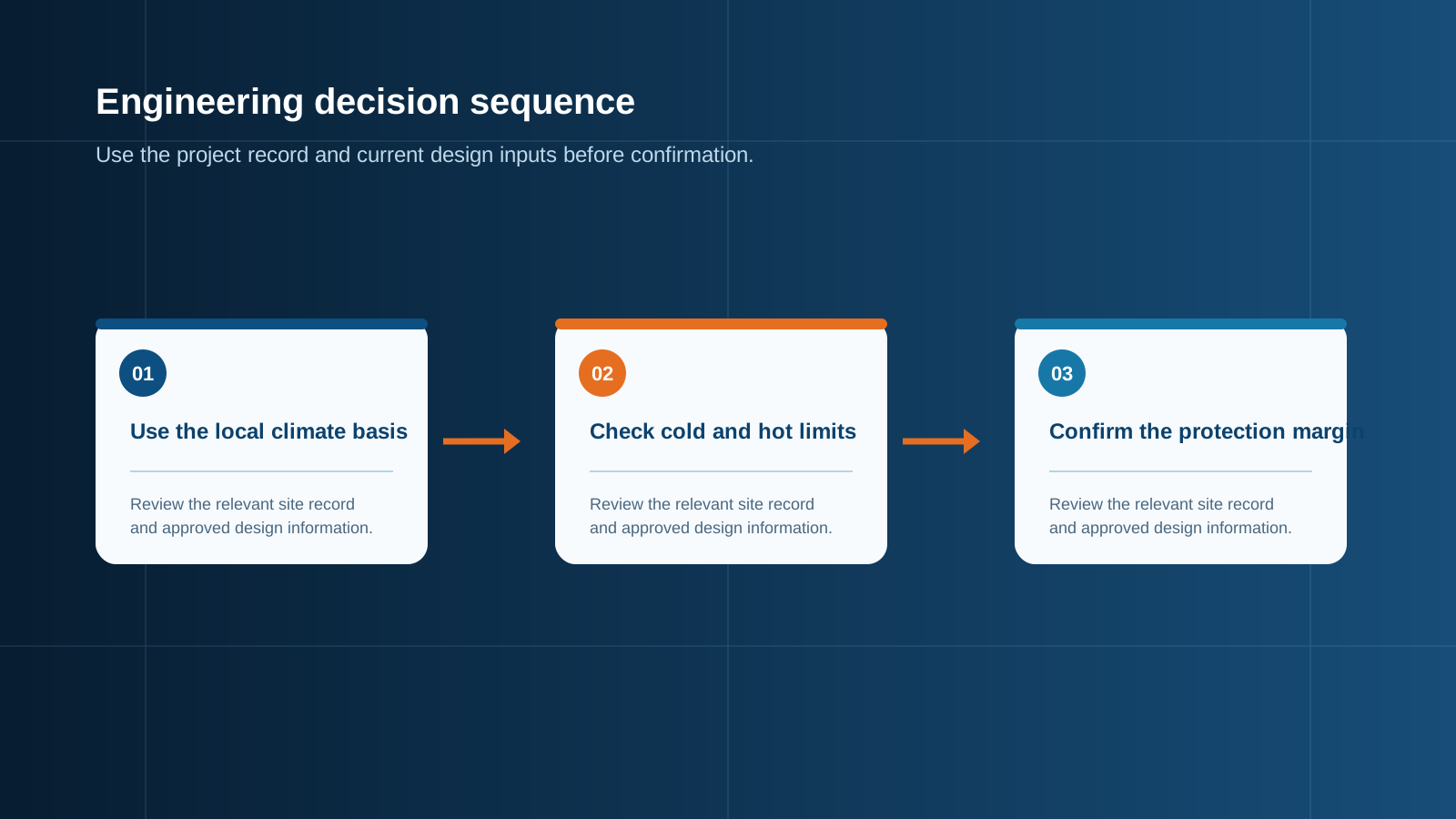
Technical diagram shown at a readable responsive scale.
Reading coefficients on a datasheet
Find the two lines under 'Temperature Characteristics': 'Pmax temperature coefficient' and 'Voc temperature coefficient'. Apply them with the formula value_at_T = nameplate + coeff x (T - 25).
For design, compute both the hot Pmax (for yield) and the cold Voc (for voltage limits). The cold Voc result is the number that decides how many panels can safely sit in one string.
Good vs poor values
A 'good' Pmax coefficient is closer to zero (less loss per degree) — premium cell technologies such as heterojunction tend to sit near -0.25% per C. For Voc, a smaller magnitude also means gentler cold-voltage rise.
Panels with poor coefficients punish hot sites with more power loss and force shorter strings in cold sites. Comparing these numbers is a quick way to judge climate fit before you buy.
Sizing strings safely in cold
Take your site's record low temperature, apply the Voc coefficient, and compute peak string Voc. Keep that result below the inverter maximum and the system voltage rating with margin.
NEUTRON combiner boxes and DC protection are specified against this cold peak, not the mild-lab figure, so the fuses, disconnect and insulation all hold up on the coldest morning of the plant's life.
BOS and insulation implications
Higher system voltages from cold strings demand insulation, clearance and SPD ratings that match the peak. A 1500 V array needs 1500 V-rated components end to end, including the combiner enclosure and surge protection.
The temperature coefficient therefore reaches beyond the panel: it sets the voltage envelope the entire DC chain must survive, from connector to combiner to inverter.
Choosing modules by climate
Hot climates gain most from a low Pmax coefficient to protect yield; cold climates gain most from a low Voc coefficient to allow longer strings. Match the coefficient to where the array will actually live.
Read the two coefficients together with your local temperature range, and let them guide both module choice and the combiner box specification NEUTRON prepares for the project.
This is general technical guidance. Confirm final ratings, protection coordination, installation and applicable local requirements against current standards, manufacturer documentation and the approved project design.
Frequently asked questions
What is a good temperature coefficient?
Closer to zero is better. A low Pmax coefficient (near -0.25% per C) protects hot-site yield, and a low Voc coefficient keeps cold-string voltage from rising too far. Compare both when choosing modules.
How does heat affect output?
Heat lowers power: each degree above 25 C trims output by the Pmax coefficient, often around 0.3 to 0.35%. On a hot roof a panel can lose 10 to 15% of nameplate at midday.
Why does cold raise voltage?
Panel voltage is inversely related to temperature. The Voc coefficient means colder cells produce higher open-circuit voltage, so the coldest morning yields the highest string voltage you must design for.
Does the temperature coefficient affect the combiner?
Yes. The cold peak Voc sets the voltage the combiner box, fuses, disconnect and insulation must withstand, so NEUTRON sizes the DC protection against the temperature-adjusted extreme, not the lab value.
Discuss your PV requirement
Share the system voltage, string arrangement, inverter interface and installation environment. NEUTRON can review the equipment configuration around your project documentation.
Discuss a projectContinue learning
Explore related technical guidance in Solar PV.


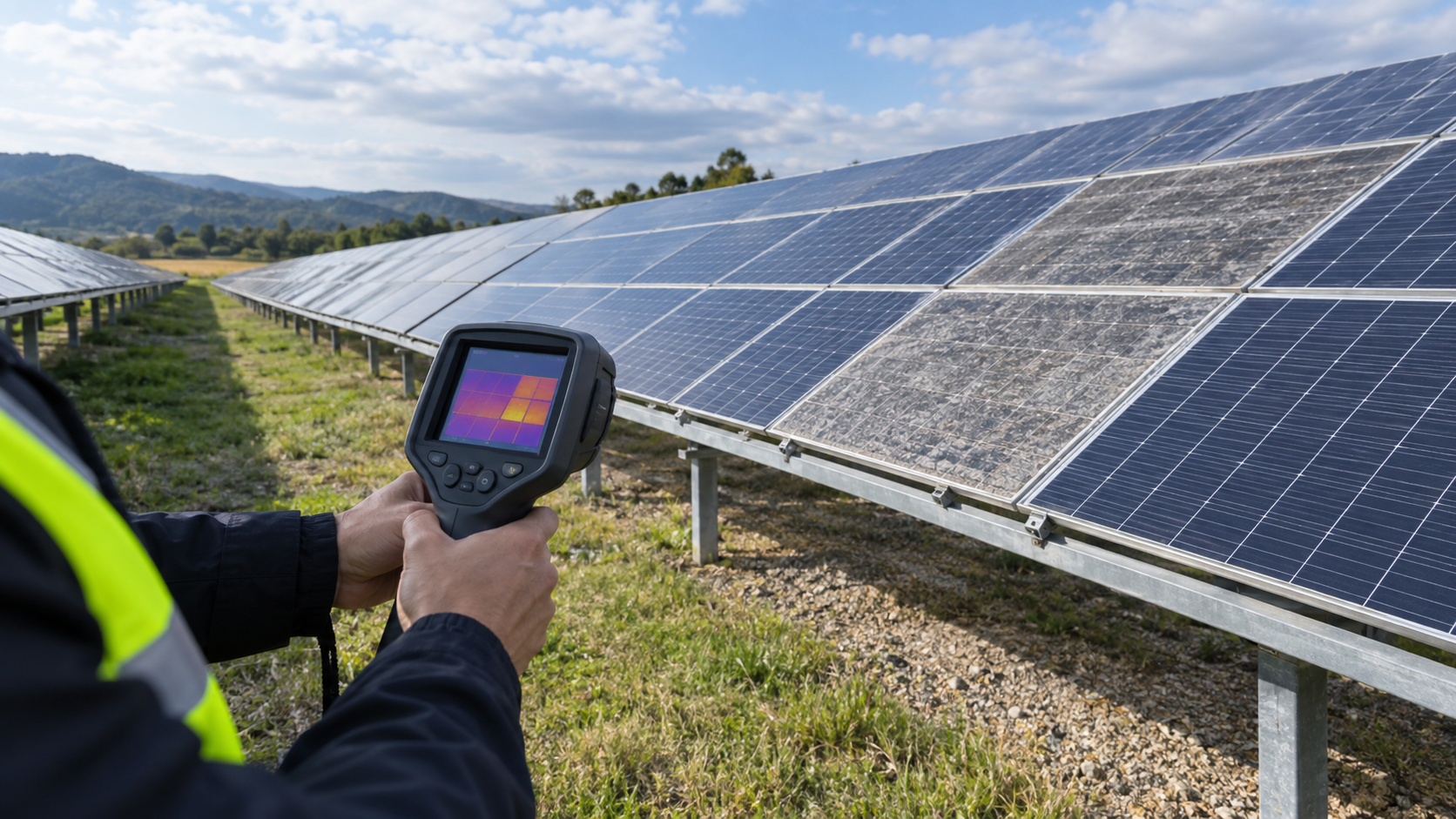
Published from the approved Period 06 source package. Technical values and final design decisions must be verified against the current applicable standard, manufacturer documentation and approved project design.