
1. What the model means
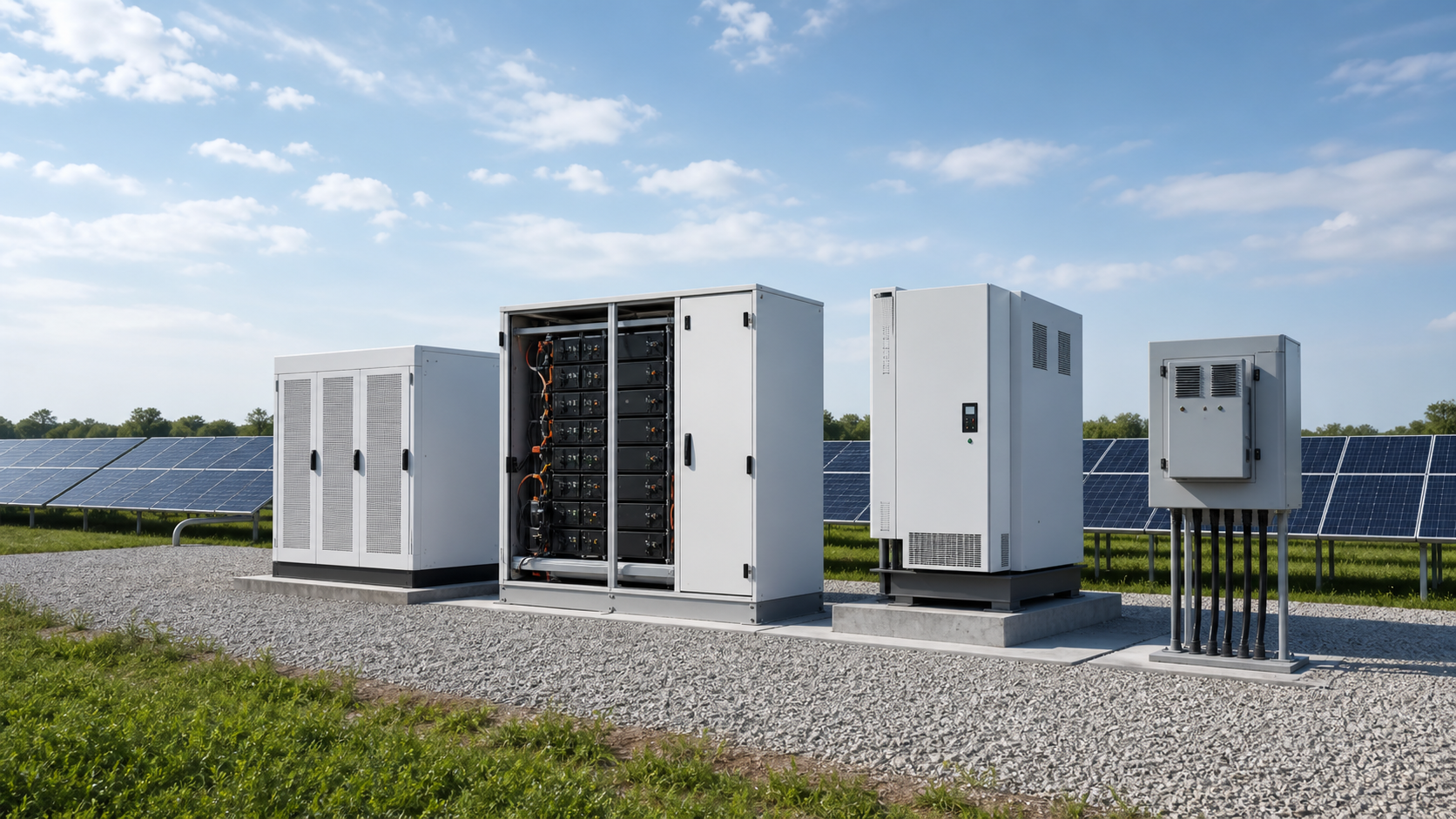
Generation-grid-load-storage integration optimizes local generation, network, load and storage as one system rather than separate pieces. It is the building block of the new power system at the load side.
The aim is to absorb more clean energy locally and give the network a controllable, flexible node.
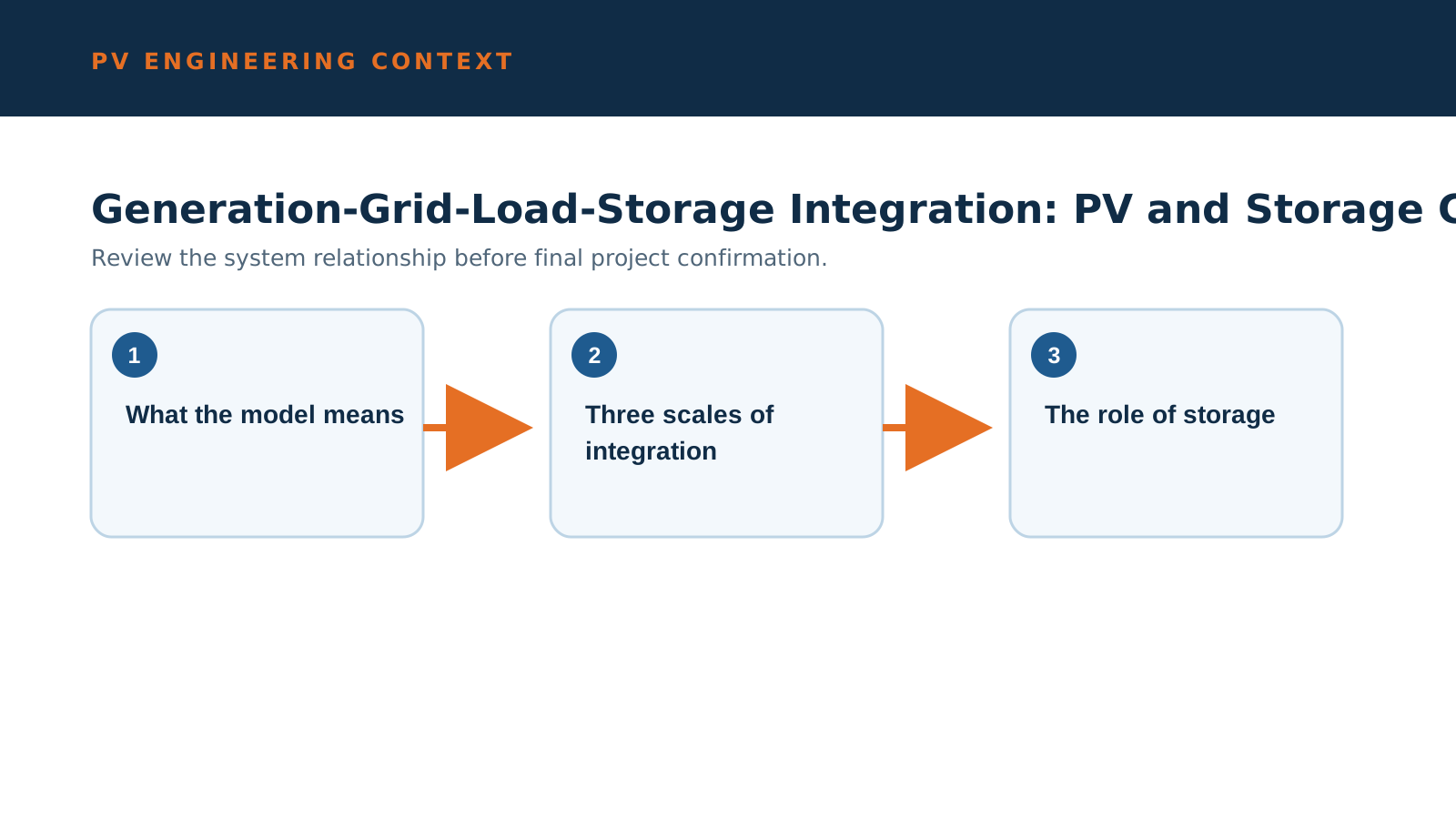
2. Three scales of integration
It appears at regional, city or county, and park or residential levels. Parks and campuses are the most common and the easiest to realize, mixing distributed PV with local load and storage.
Each scale shares the same idea: coordinate the pieces so clean energy is used where it is made.
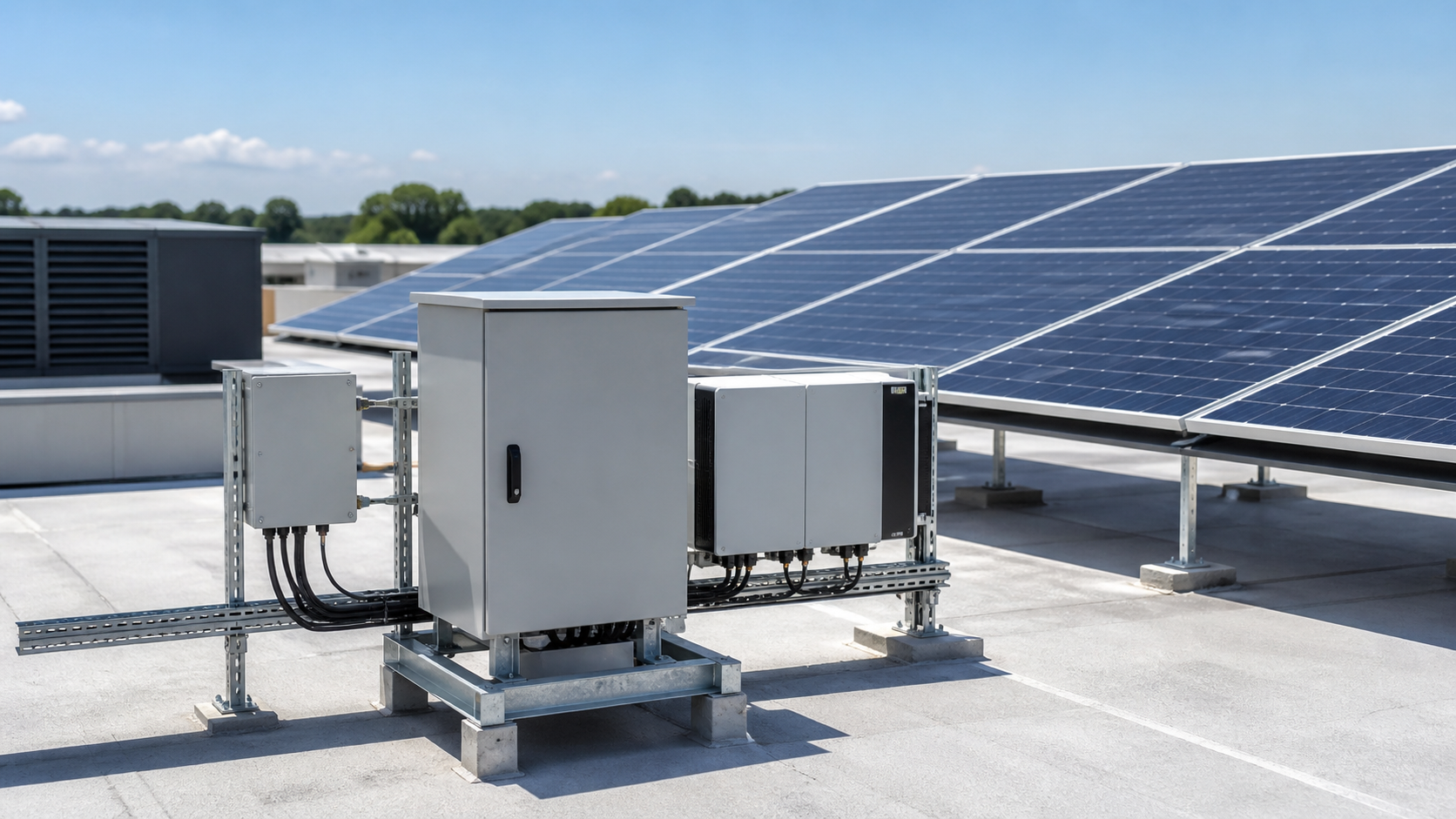
Technical diagram shown at a readable responsive scale.
3. The role of storage
Storage shifts surplus PV to periods of need, smoothing the load the network sees and raising self-use. Control of the storage interface is what makes the shift safe and orderly.
NEUTRON energy-storage control equipment manages the storage interface so it coordinates with the PV and the load.
4. Distribution equipment as the backbone
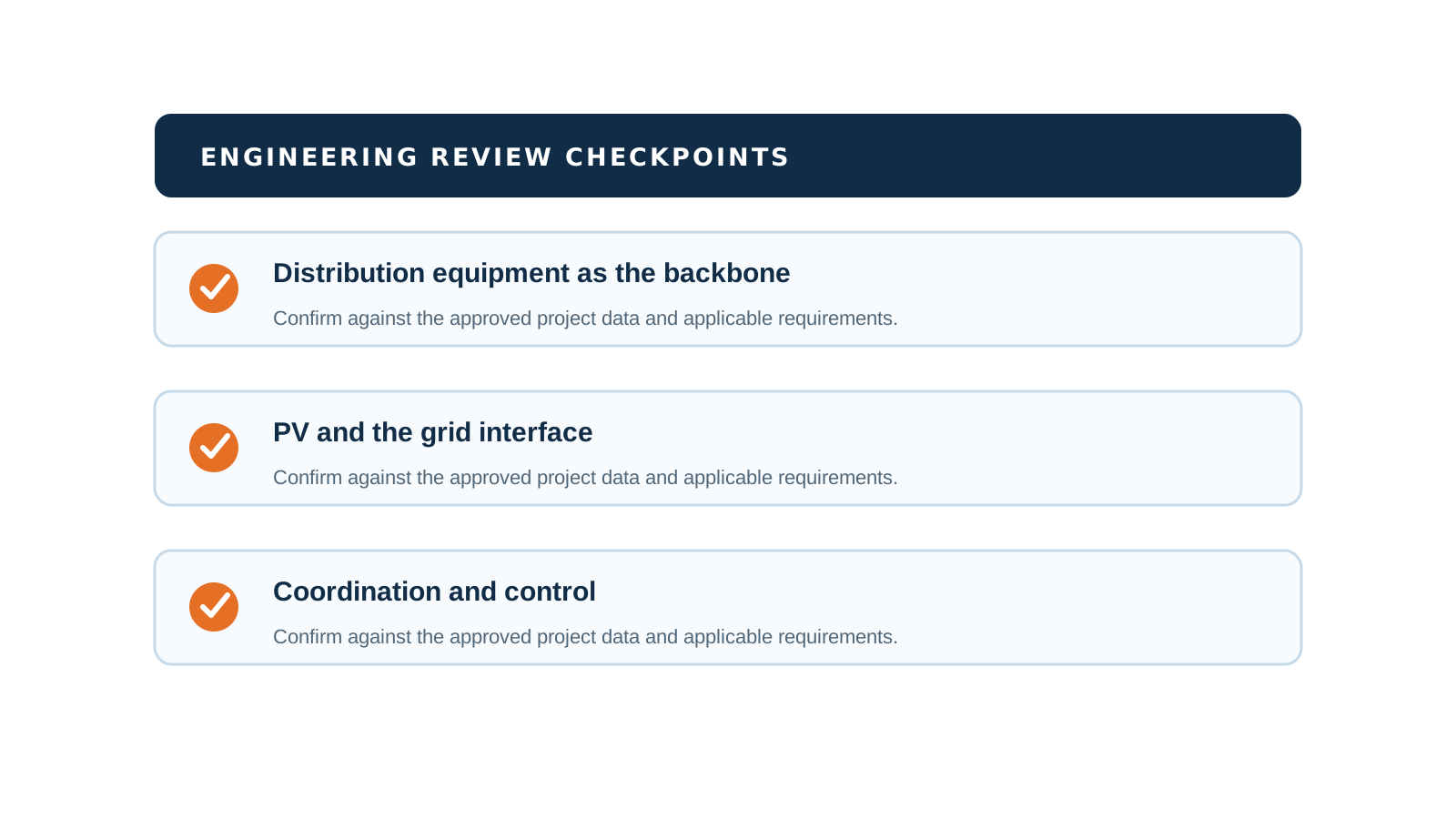
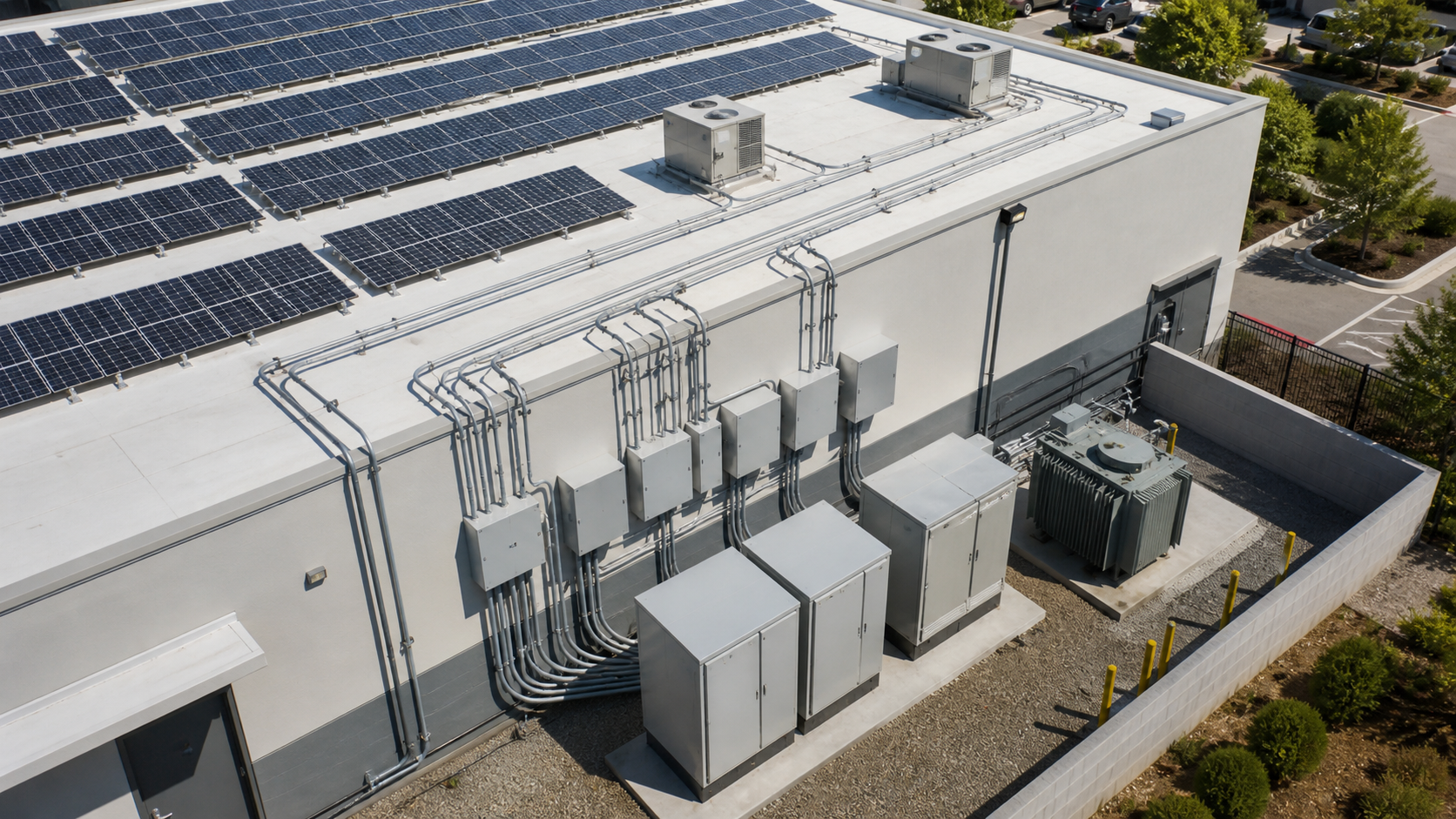
Low-voltage switchgear, busbar and substation equipment carry and split the power among the pieces. Their rating and layout decide how much the system can handle.
NEUTRON low-voltage switchgear and busbar distribution components are built for the current and environment of an integrated site.
5. PV and the grid interface
Distributed PV feeds the local bus through combiner and grid-tie equipment. The interface must suit bidirectional power and coordinated protection as storage charges and discharges.
NEUTRON combiner and DC control equipment coordinate with the storage and distribution layers upstream.
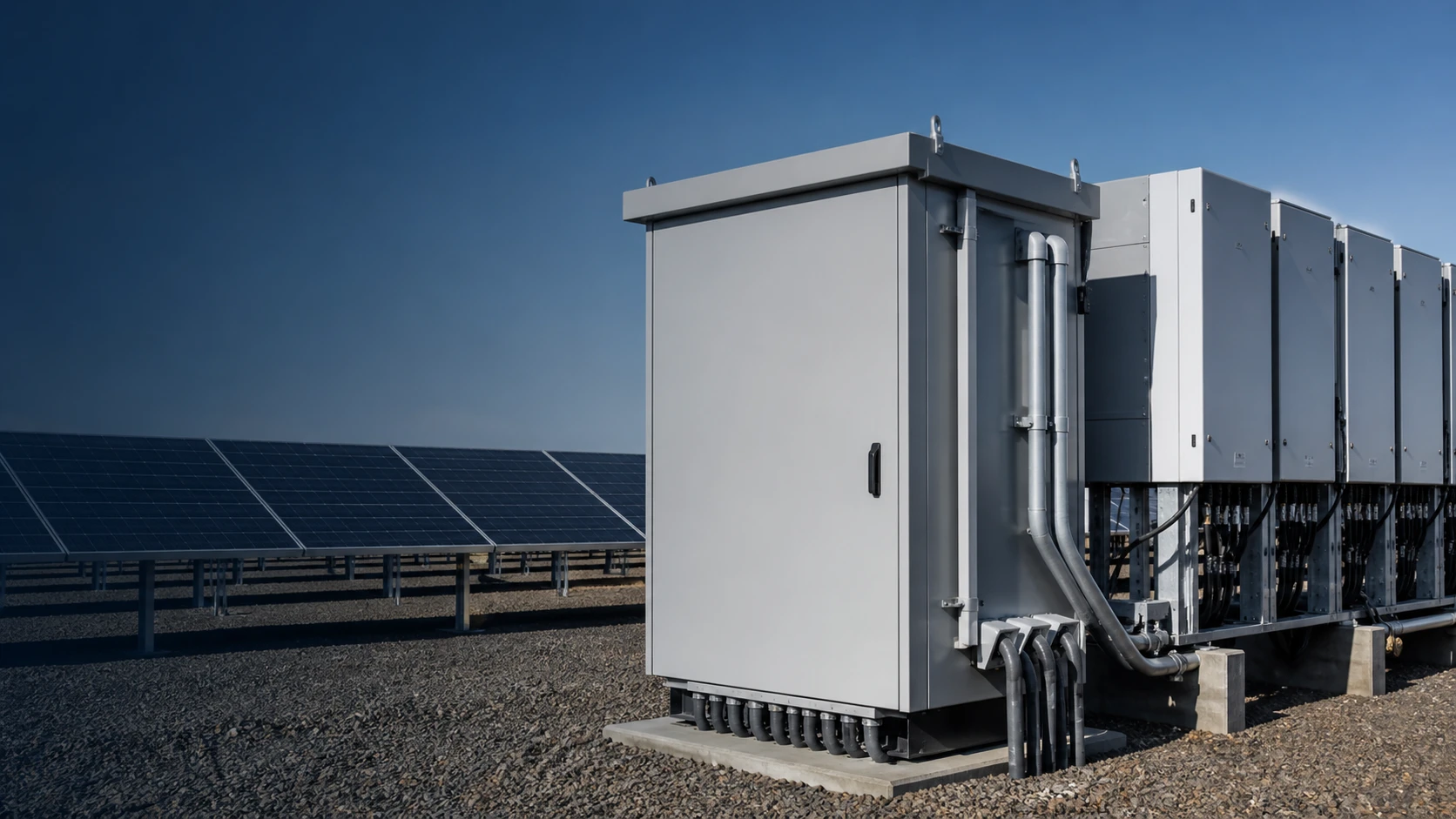
Technical diagram shown at a readable responsive scale.
6. Coordination and control
The system needs one control logic across PV, storage and load, with protection that clears faults in a defined order. Select devices as one chain, not in isolation.
NEUTRON equipment is specified so PV, storage and distribution present a coordinated, measurable node.
7. Market and compliance angle
Mature markets and auxiliary-service rules let such sites trade flexibility. Even without trading, coordinated storage raises self-use and cuts network stress.
Design the control and metering so the site can join market schemes later if wanted.
8. Specification takeaways
Confirm the storage control interface, the distribution duties and the protection coordination before release. Document the single-line concept for the integrated system.
NEUTRON supports the discussion around PV and storage control for integrated sites.
This guide supports an initial technical review. Final ratings, standards, protection coordination, monitoring interfaces and configuration must be confirmed for the actual project requirement.
Frequently asked questions
What is generation-grid-load-storage integration?
It coordinates local generation, network, load and storage as one system to absorb more clean energy locally and give the grid a flexible node.
Where is it most common?
At park and residential scales, where distributed PV, local load and storage mix most easily into an integrated site.
What does storage control do?
It manages the storage interface so surplus PV shifts to periods of need safely and orderly, raising self-use and smoothing the network load.
Which equipment forms the backbone?
Low-voltage switchgear, busbar and substation equipment, coordinated with combiner and storage control as one chain.
Bring the project inputs together
Use the technical inputs in this guide to prepare a clear project discussion.
Discuss a projectContinue learning
Explore related technical guidance in Solar PV.
Technical note: final ratings, standards, protection coordination, monitoring interfaces and configurations remain subject to the agreed project requirement.