
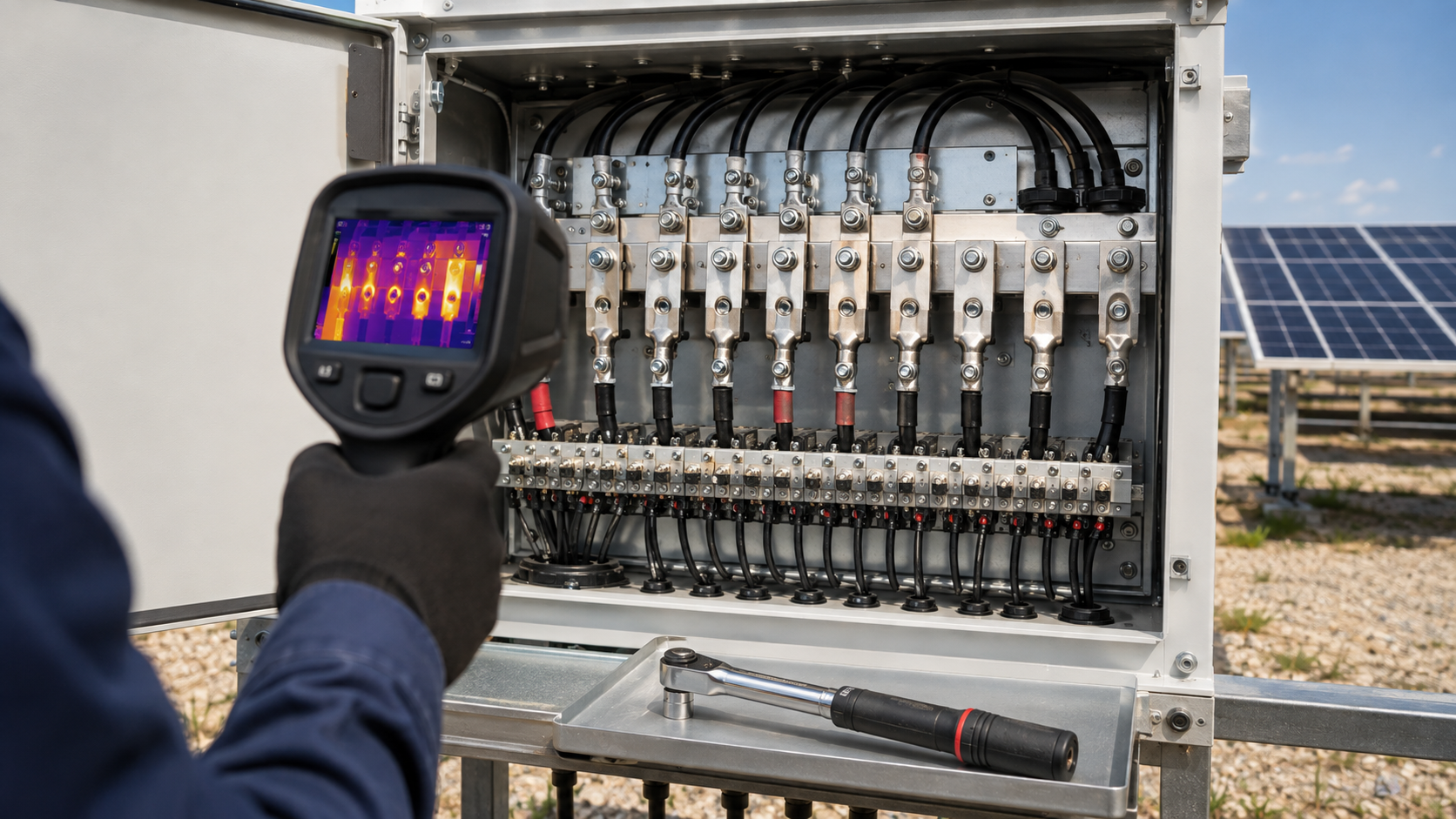
Cause: contact resistance
A terminal is meant to present near-zero resistance between conductor and busbar. When the joint is loose, oxidised or poorly made, resistance rises at that point. Power dissipated there is I2R, so at hundreds of amperes even a few milliohms generates meaningful heat. The heat expands the metal, the joint loosens further, resistance climbs again — a thermal runaway that ends in failure.
- Loose joint raises contact resistance at the interface.
- Heat expands the metal and loosens the joint further.
- Runaway continues until the terminal fails or the breaker trips.
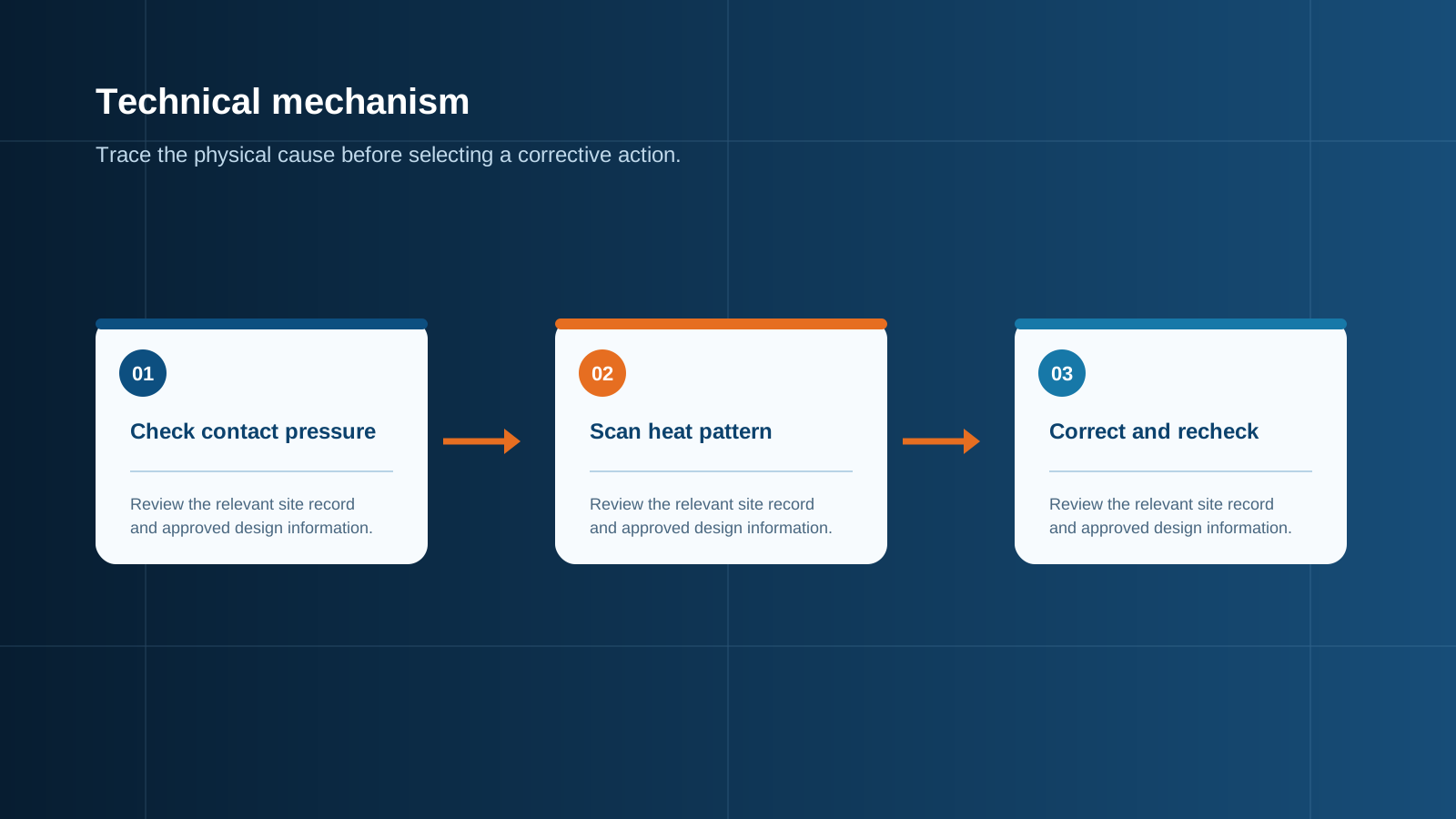
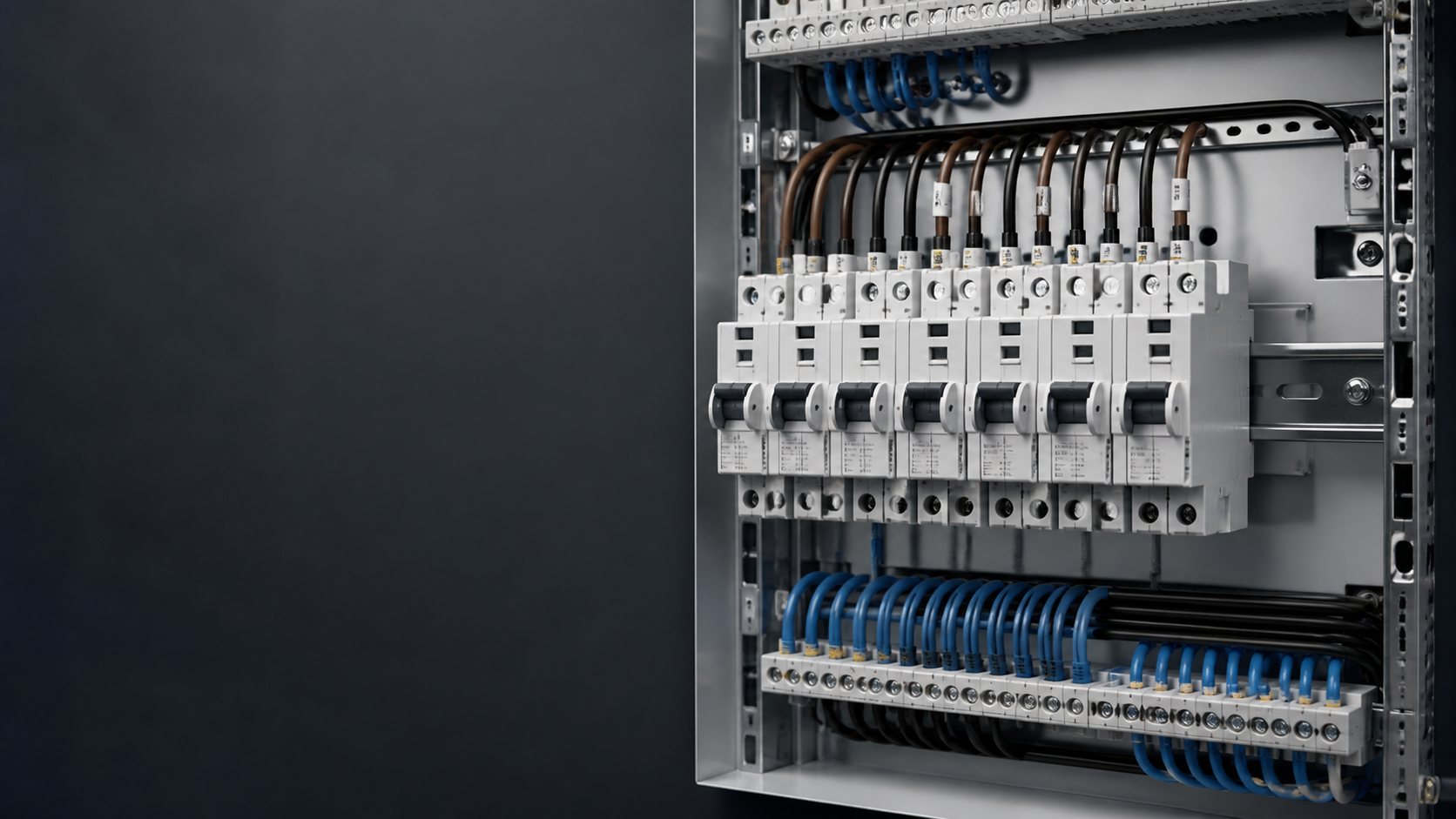
Technical diagram shown at a readable responsive scale.
Torque specification
Correct torque is what keeps contact resistance low over the life of the box. Too little leaves the joint loose; too much distorts the conductor or cracks the block. The value is set by the terminal manufacturer for the conductor size and must be applied with a calibrated tool, then recorded. NEUTRON builds torque values into the assembly documentation for each project.
- Use the manufacturer torque for the conductor and terminal.
- Apply with a calibrated torque tool, not a fixed wrench.
- Record the value and date on the test label.
Loose terminal detection
Loosening shows itself before a fire. Discolouration, a warm enclosure wall, a faint burning smell or a breaker that trips under load are early signs. Because the fault is internal, a scheduled check matters more than waiting for a symptom — a terminal can loosen from thermal cycling long after installation.
- Look for discolouration or deformation at the block.
- Feel for a warm enclosure wall during a loaded visit.
- Treat any trip under load as a possible loose terminal.
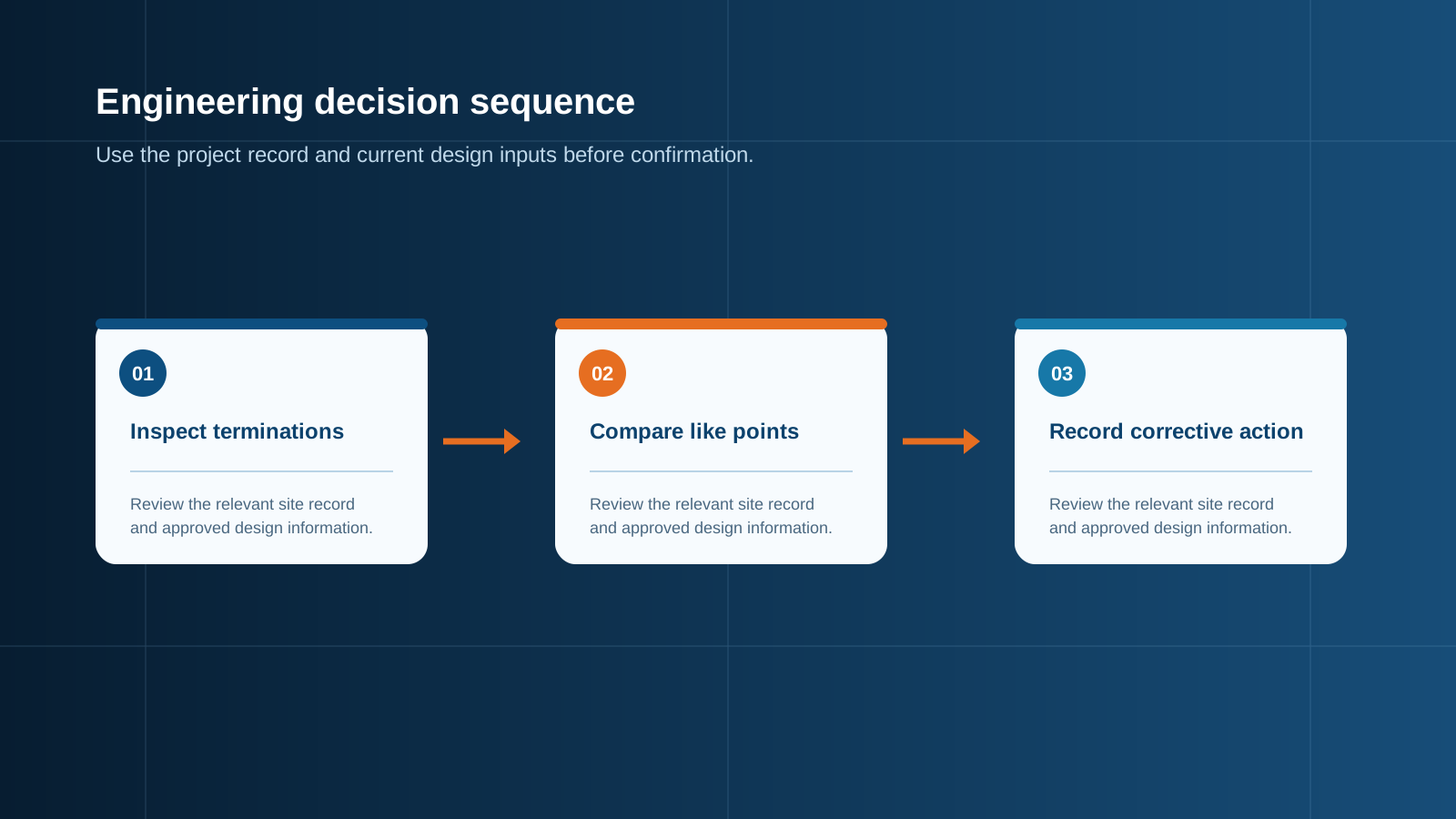
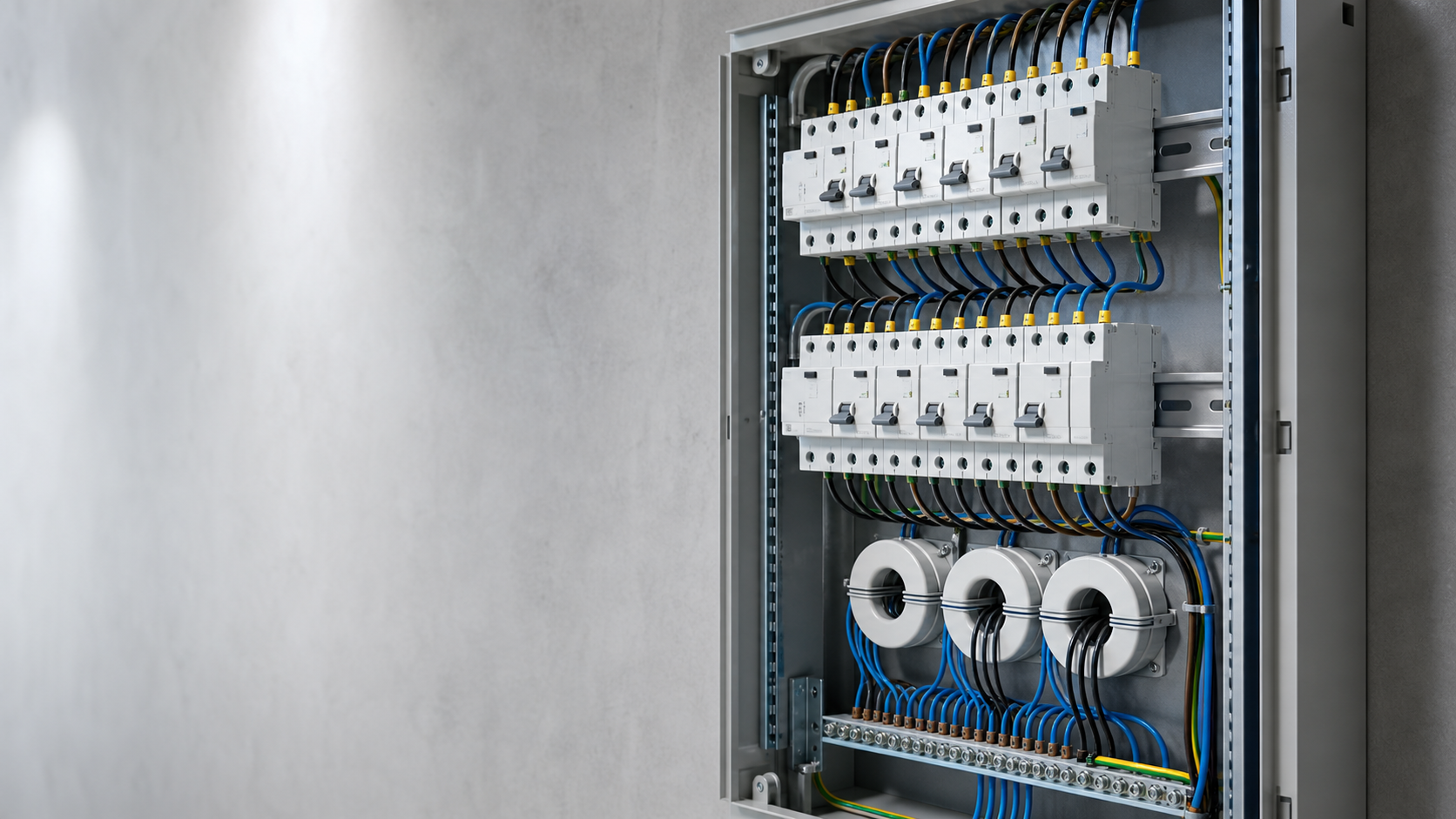
Technical diagram shown at a readable responsive scale.
Infrared inspection
A thermal camera is the most reliable way to see a heating terminal without dismantling the box. Under load, a loose joint stands out as a hot spot against the cooler neighbours. Infrared surveys turn an invisible risk into a measured number and let the team rank repairs by temperature, not by guesswork.
- Scan under rated load for a true reading.
- Compare terminals on the same busbar for imbalance.
- Log the hotspot temperature and trend it over visits.
Conductor sizing
A conductor that is too small for the continuous current heats along its length and at the termination as well. Pairing the right cross-section with the right terminal and torque removes both the conductor loss and the joint loss. For aluminium conductors, anti-oxidation treatment and the correct gland complete the joint.
- Size the conductor for the fused continuous current.
- Match terminal and conductor material and class.
- Use anti-oxidation paste on aluminium as specified.
Redesign fixes
When a terminal overheats by design rather than by looseness, the fix is structural: a larger terminal block, a higher-rated busbar, or a different conductor layout that spreads current. Repeated overheating on a well-torqued joint means the original specification was too small for the array, and no amount of re-tightening will hold it.
- Upsize the terminal block and busbar for headroom.
- Rebalance string grouping across outputs.
- Verify the new layout against the derating curve.
Preventive programme
The cheapest overheating is the one that never starts. A programme of scheduled torque checks, infrared surveys and conductor review keeps every joint inside its design envelope and builds a thermal history that predicts trouble before it arrives. Frequency follows the site class and the load duty.
- Torque re-tighten on a fixed schedule from commissioning.
- Infrared survey at least yearly under load.
- Keep a thermal log per box for trend analysis.
Safety
Working inside a live DC combiner box is hazardous because DC does not self-extinguish an arc the way AC does. Any terminal work must follow lock-out of the DC disconnect, verification that the circuit is dead, and the use of insulated tools. Safety is not a step in the repair — it is the condition for doing it at all.
- Open and lock out the DC disconnect before work.
- Verify the circuit is dead with a rated tester.
- Use insulated tools and arc-rated protection.
This is general technical guidance. Confirm final ratings, protection coordination, installation and applicable local requirements against current standards, manufacturer documentation and the approved project design.
Frequently asked questions
Why do combiner box terminals overheat?
Because a loose, oxidised or poorly made joint develops contact resistance. The I2R loss at that point generates heat, which loosens the joint further in a runaway loop that can melt the block or ignite the enclosure.
What role does torque play?
Correct torque keeps contact resistance low for the life of the box. Too little leaves the joint loose and heating; too much distorts the conductor or cracks the block. Use the manufacturer value with a calibrated tool and record it.
How do I detect a loose terminal?
Early signs are discolouration, a warm enclosure wall, a burning smell or a breaker trip under load. Because the fault is internal, a scheduled check matters more than waiting for a symptom.
How is infrared inspection used?
Under load, a thermal camera shows a loose joint as a hot spot against cooler neighbours. It turns an invisible risk into a measured number and lets the team rank repairs by temperature.
How do I prevent terminal overheating?
Apply correct torque with a calibrated tool, run scheduled infrared surveys, size the conductor for the continuous current, and follow lock-out safety before any terminal work.
Discuss your PV combiner requirement
Share the system voltage, string count, inverter interface and installation environment. NEUTRON can review the equipment configuration around your project documentation.
Discuss a projectContinue learning
Explore related technical guidance in Electrical Protection.
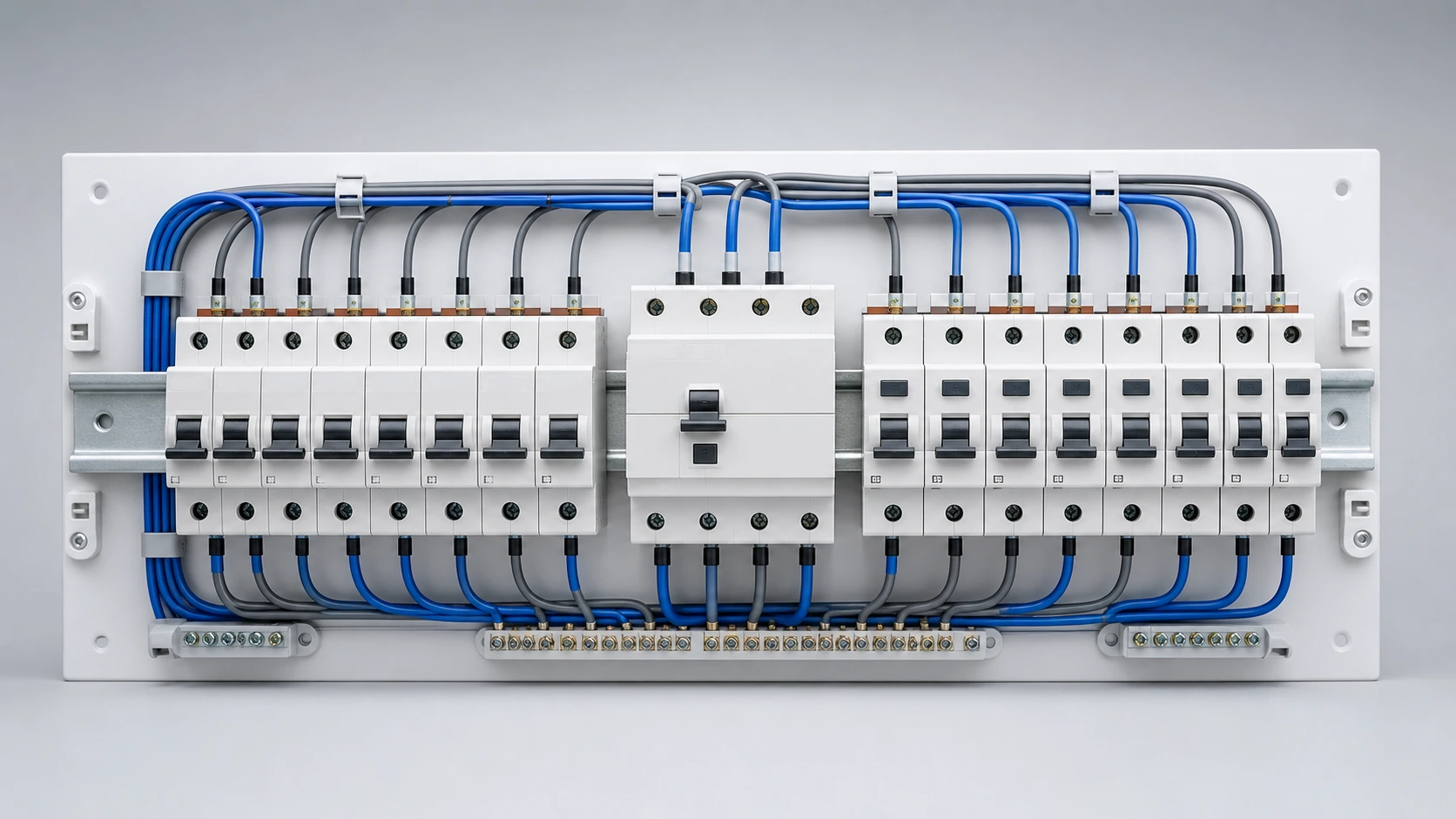
Published from the approved Period 09 source package. Technical values and final design decisions must be verified against the current applicable standard, manufacturer documentation and approved project design.