
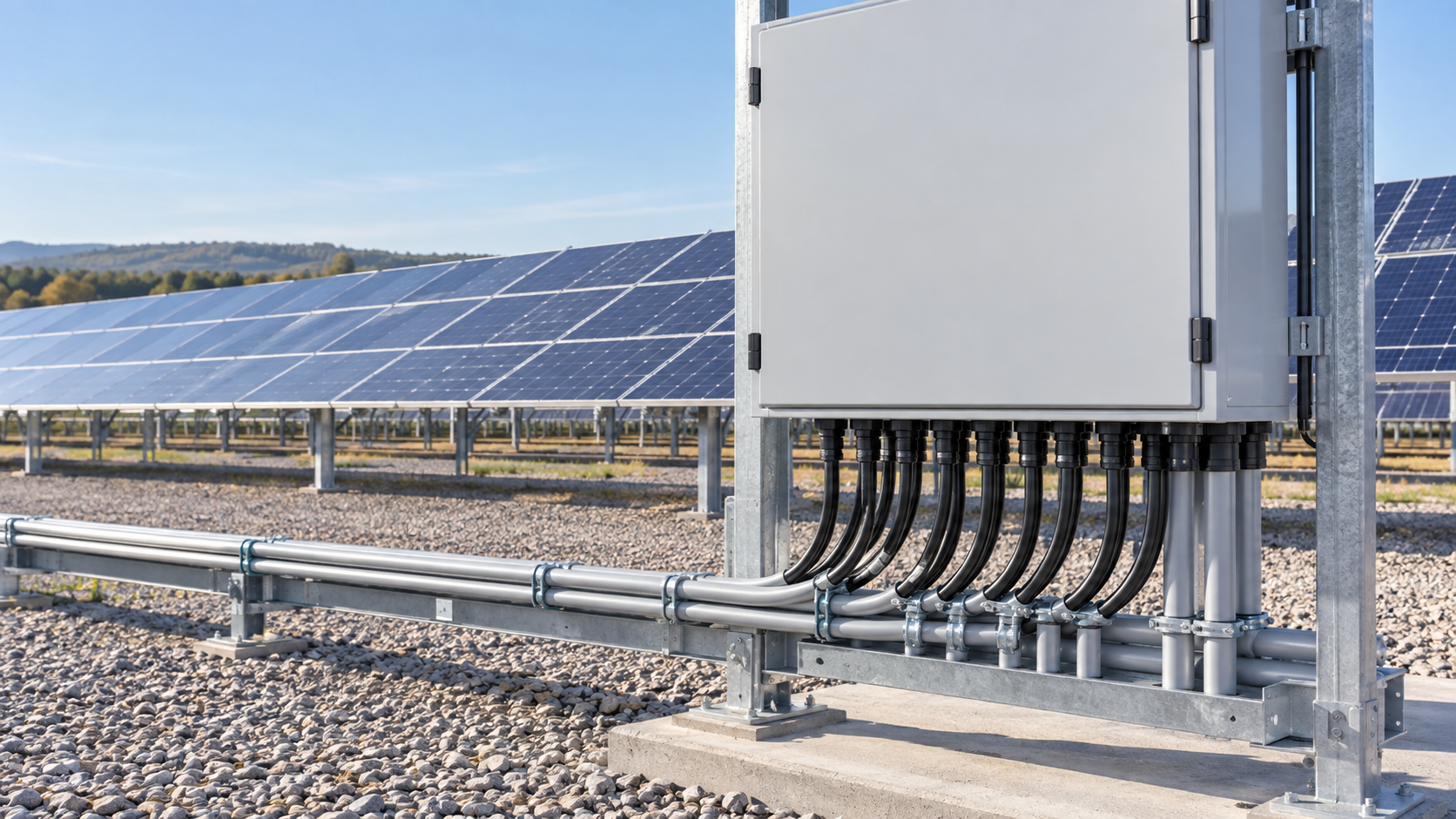
Sealing grade and cable selection
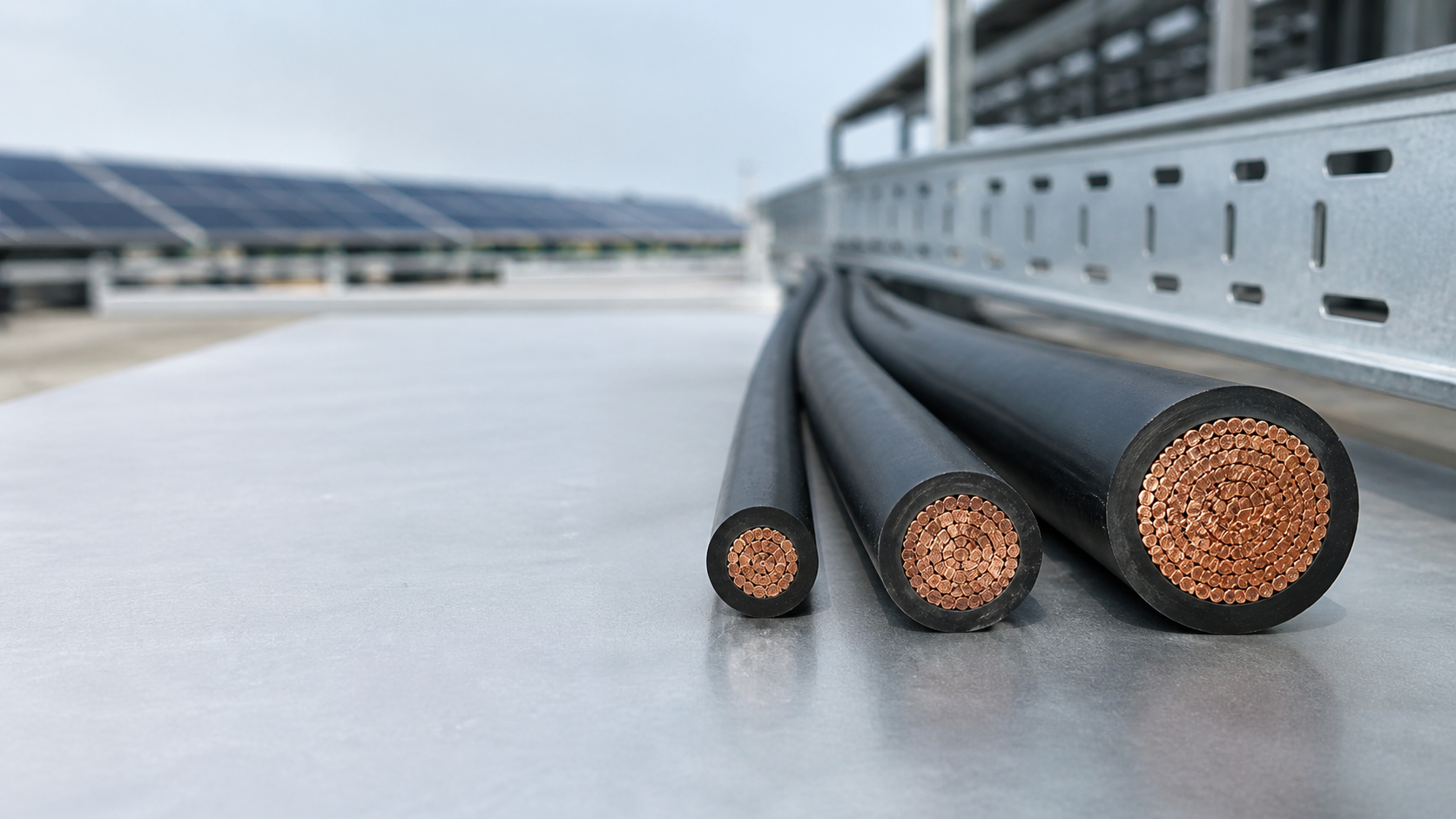
Select the cable entry system, either a gland or a pre-mated connector, to match both the enclosure ingress-protection target and the actual cable diameter range. The sealing grade is a function of the matched pair, not of the enclosure alone. Choose the conductor cross-section from the rated current and the laying method; oversized or undersized cables compromise both the seal and the termination. State the sealing grade and the cable size as part of the verified bill of materials.
- Match gland or connector to the enclosure IP and the cable outer diameter.
- Confirm conductor cross-section against rated current and laying method.
- Keep the cable and entry system as a verified, matched pair.
Torque from the connector specification
Torque values come from the connector manufacturer assembly instructions, not from a generic round number. For example, Staeubli MC4 MA231 assembly instructions give a typical sealing-nut torque of 3.4 to 3.5 N·m, which varies with the cable used; the contact pressure is set by the dedicated crimp and the mating action, not by the outer nut torque. Apply the value for the exact connector and cable combination, and record it in the work instruction.
IP-retention checklist
Use the following checks so the ingress-protection rating survives installation:
- Use the correct gland size or connector for the cable outer diameter.
- Apply the manufacturer-specified torque and verify with a calibrated tool.
- Confirm the compression seal is intact and undamaged before closing.
- Avoid mixing cable diameters in one multi-hole seal.
- Re-check torque and seal after the first thermal cycling.
- Verify the enclosure IP label matches the installed entry system.
Safety and verification
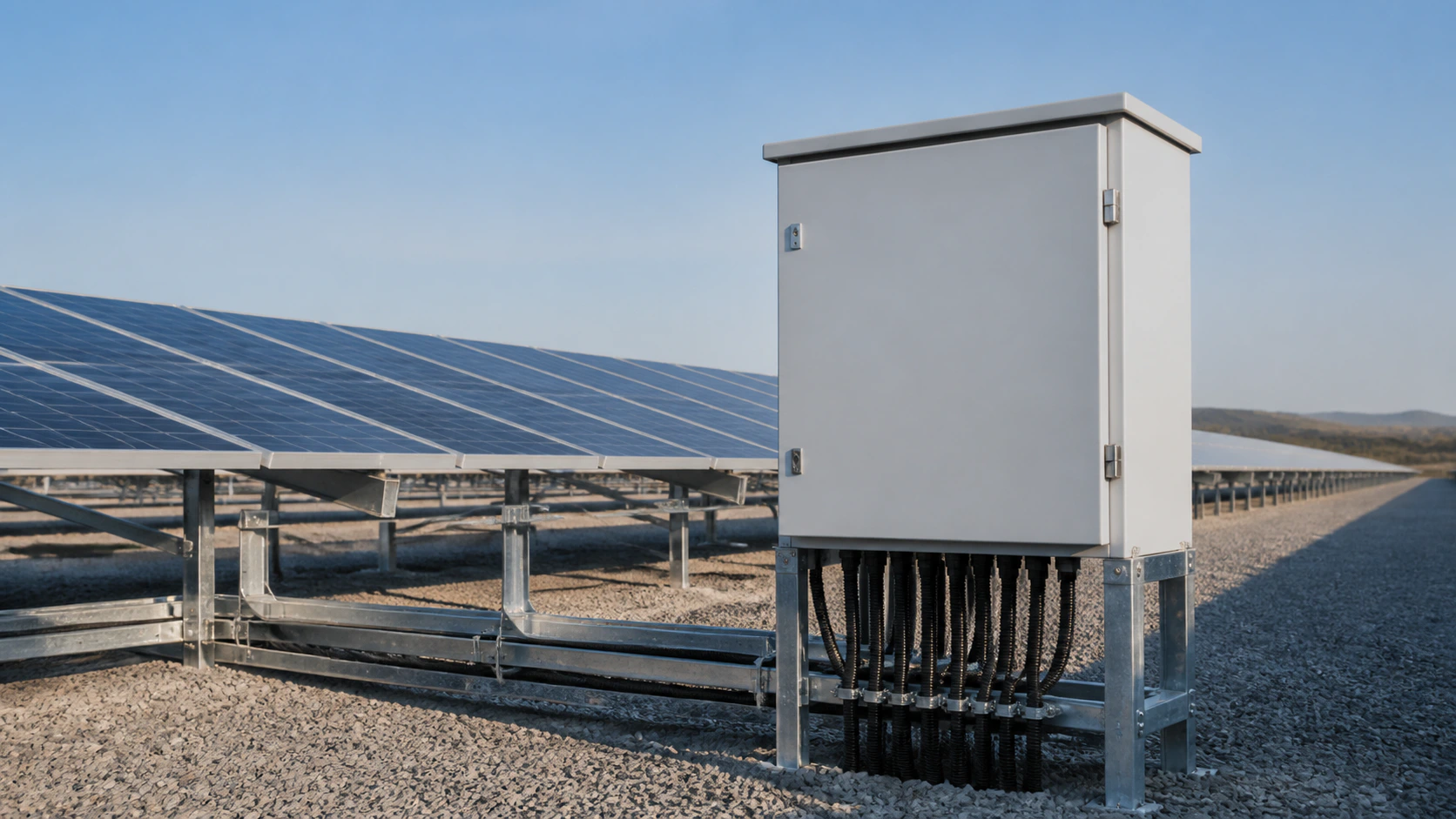
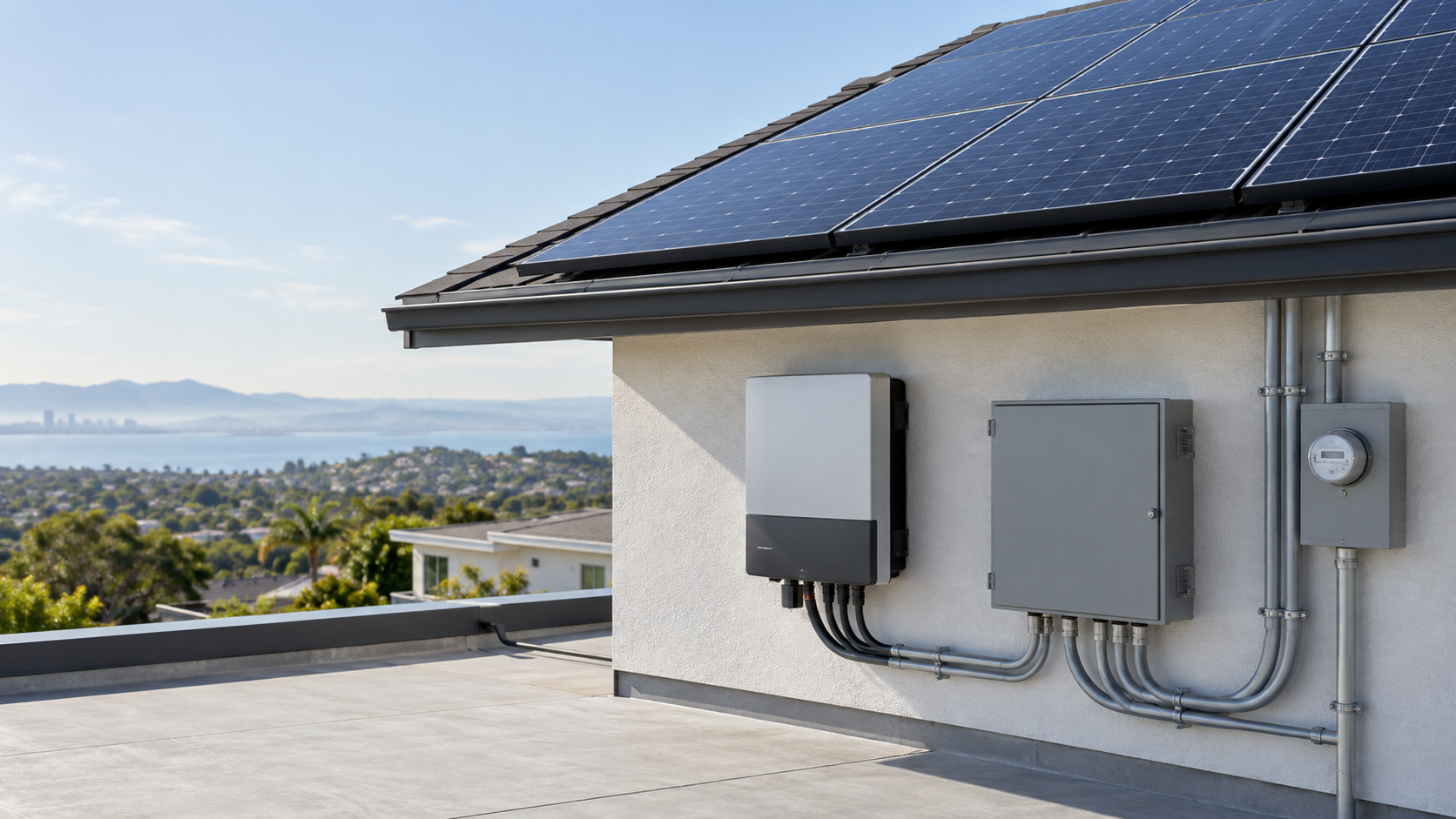
Cable-entry work is restricted to qualified persons and must be done on a de-energized, verified box. Under sunlight a connected pv input can feed the busbar, so isolate all supplies and confirm absence of voltage first. Confirm the final ingress protection and torque records against approved NEUTRON model datasheets/test reports.
This article preserves the accepted technical guidance but is not a substitute for the applicable local code, approved model datasheet, test report or a qualified engineer's design review.
Frequently asked questions
How do I choose the right cable gland or connector?
Match the entry system to the enclosure IP rating and the actual cable outer diameter, and choose the conductor cross-section from rated current and laying method. Keep cable and entry as a verified matched pair.
Where does the torque value come from?
From the connector manufacturer assembly instructions for the exact part and cable. For example, Staeubli MC4 MA231 lists a typical sealing-nut torque of 3.4 to 3.5 N·m; the contact pressure is set by the crimp and mating, not the outer nut.
What keeps the IP rating after cable entry?
Correct gland or connector size, manufacturer-specified torque, an intact compression seal, no mixed cable diameters, and a re-check after thermal cycling. Verify the IP label matches the installed entry system.
Can cable entry be done while energized?
No. Cable-entry work is for qualified persons on a de-energized, verified box. Isolate all supplies and confirm absence of voltage, because a connected pv input can feed the busbar under sunlight.
Bring the project inputs to the first review.
Share the array layout, ratings, site conditions and documentation requirements for a coordinated review.
Discuss a projectContinue learning
Explore related technical guidance in Solar PV.
Published from the accepted Period 13 manuscript (1.1); technical meaning and safety boundaries are retained from the approved source package.