
The quick answer
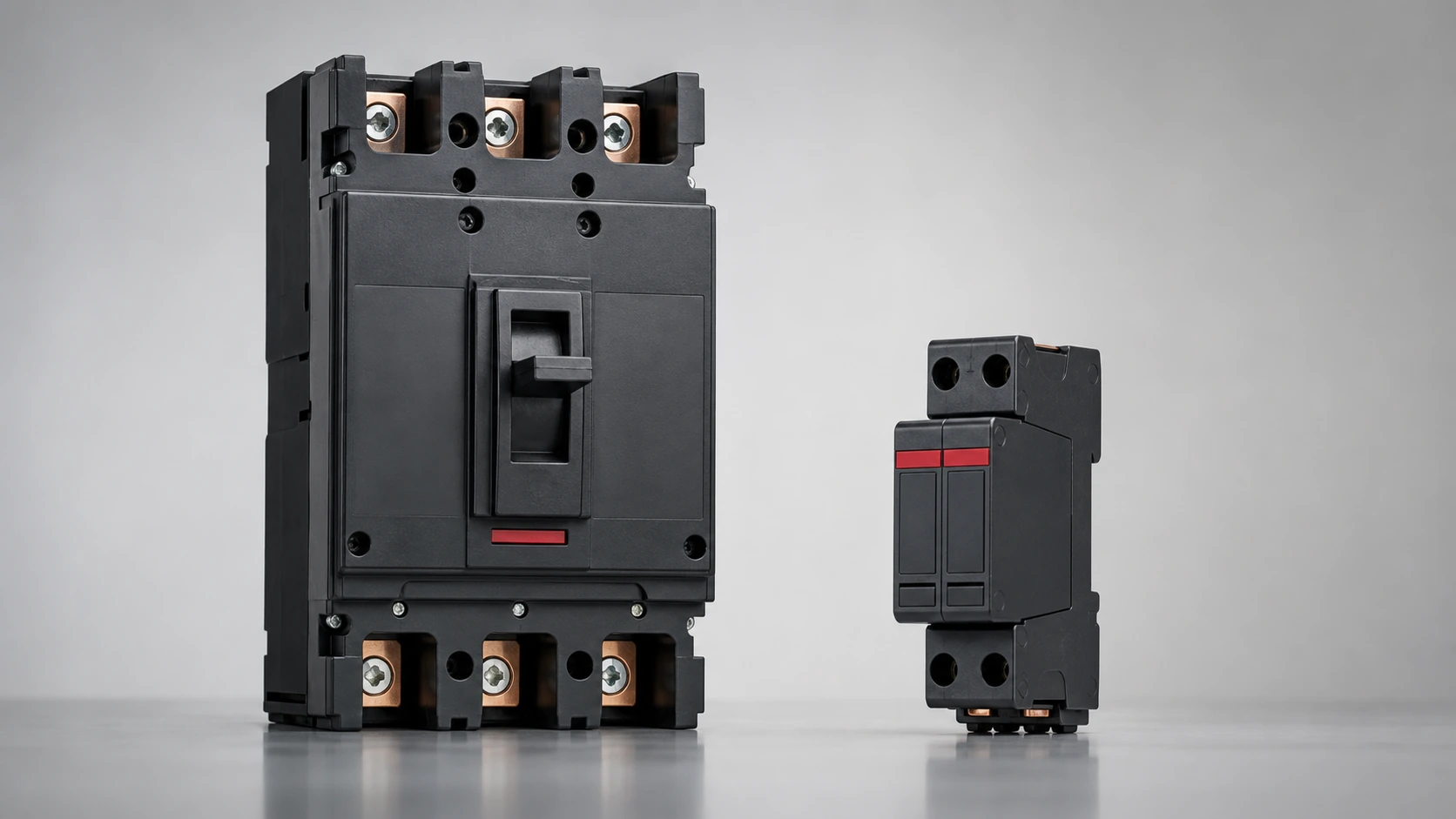
The choice is not simply a matter of current rating or physical size. UL 489 devices are listed branch-circuit breakers with a marked interrupting rating. UL 1077 devices are recognized supplementary protectors whose short-circuit capability is conditional on the specified upstream protective device.
- Use UL 489 where the device is the required branch or feeder protection.
- Use UL 1077 only where the circuit is within the scope of supplementary protection and upstream protection is already established.
- Do not treat an IEC interrupting rating as automatic proof of North American branch-circuit acceptance.
What UL 489 covers
UL 489 covers molded-case circuit breakers used for branch and feeder protection where the device is listed and marked for the application. The device's interrupting rating, terminal and enclosure requirements must still match the installation.
- Standalone marked interrupting rating.
- Branch-circuit and feeder applications where the device is suitable and listed.
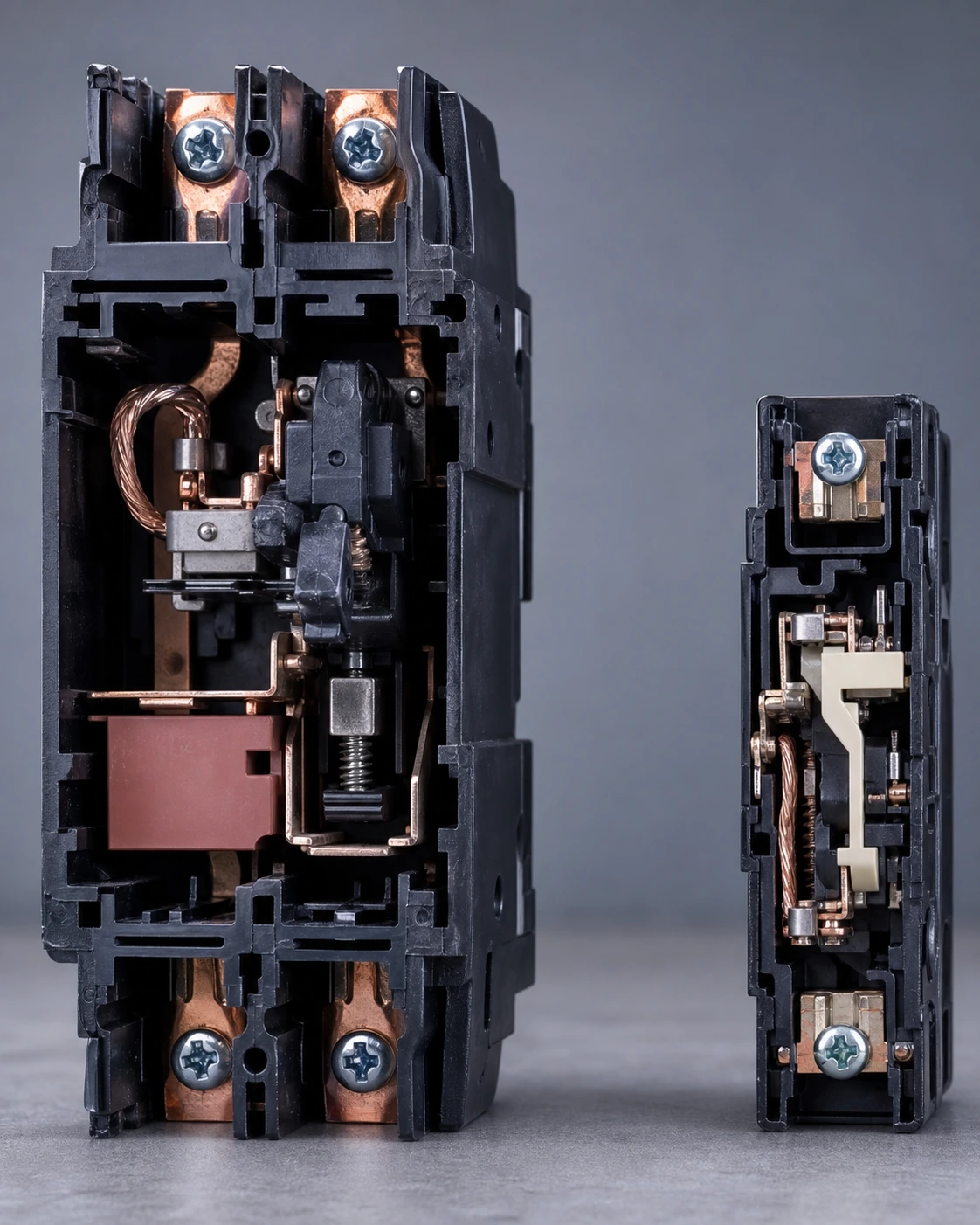
- Greater electrical clearances and creepage than a compact supplementary device of the same current.
What UL 1077 covers
UL 1077 covers supplementary protectors used in equipment where branch-circuit protection is provided upstream. Their short-circuit rating is conditional on the tested backup fuse or breaker and is valid only when that specified combination is installed.
- Commonly used for control circuits and internal equipment protection.
- Not a substitute for branch-circuit protection for conductors leaving the enclosure, receptacles or feeders.
- Compact physical size does not expand the device's legal application.
Side-by-side comparison
Use the device category and application as the first screening questions.
| Characteristic | UL 489 | UL 1077 |
|---|---|---|
| Product category | Molded-case circuit breaker | Supplementary protector |
| UL status | Listed | Recognized component |
| Branch circuit protection | Yes, where rated | No |
| Interrupting rating | Marked and standalone | Conditional on specified backup device |
| Electrical spacings | Larger, defined by the standard | Smaller |
| Typical application | Feeders, branches and motor circuits | Internal control or supplementary circuits |
Spacings, creepage and why they differ
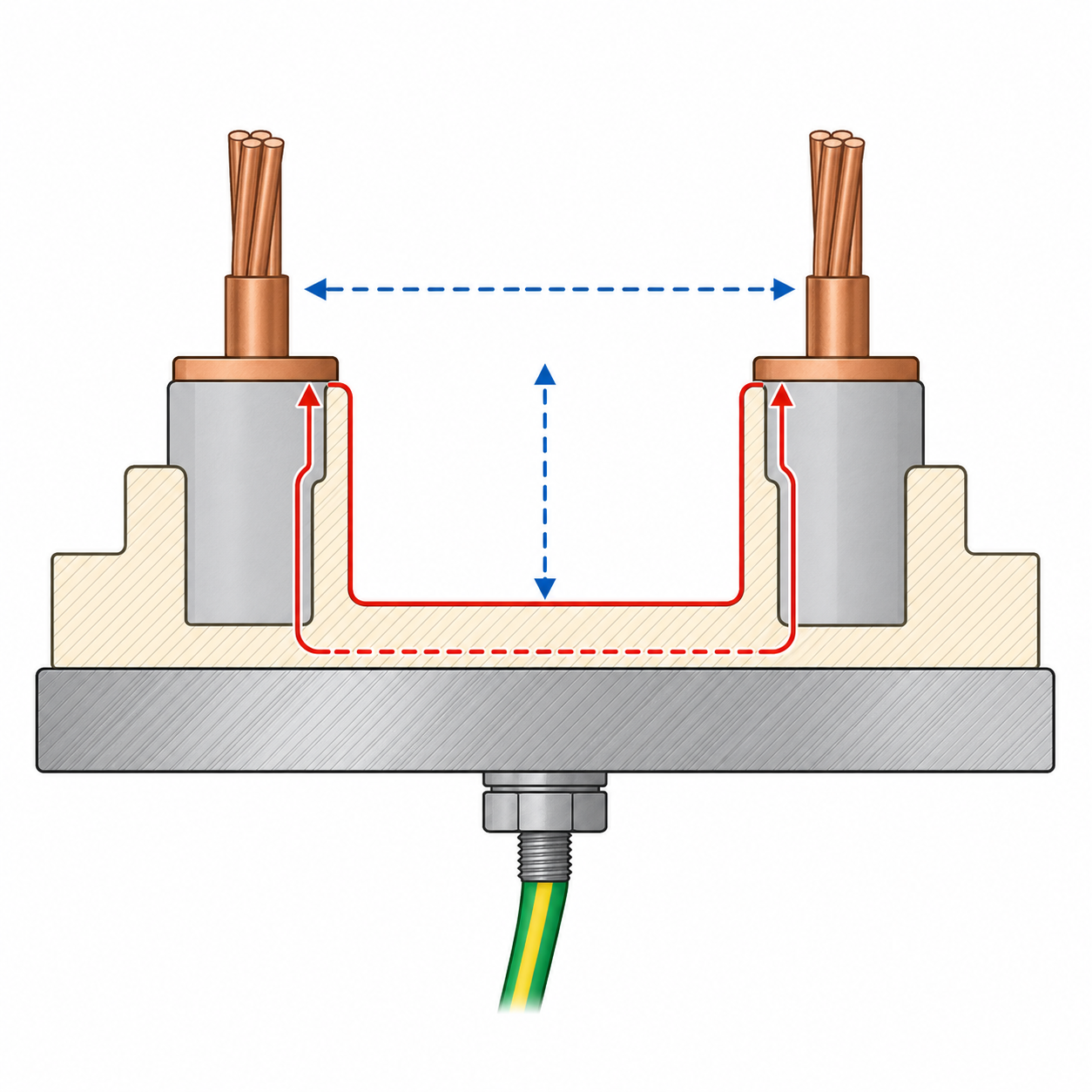
A branch-circuit breaker must interrupt a fault with the required clearance to live parts and grounded metal and must control surface tracking over its service life. A supplementary protector can use a compact arrangement because it depends on the upstream protective device for higher-fault interruption.
SCCR, series ratings and UL 508A panels
For an industrial control panel, the short-circuit current rating must be established from the power-circuit components, any documented series rating and the specified current-limiting or backup device. The panel SCCR must meet or exceed the available fault current at the installation point and be marked as required.
- Identify the lowest-rated component in the power circuit.
- Document any conditional combination; do not substitute a different backup device casually.
- Coordinate the panel marking, protective-device schedule and installation documentation.
When each device is the correct choice
Choose UL 489 when the device is the branch or feeder protective device for a conductor or load that needs that category. Choose UL 1077 only when upstream protection is present and the equipment circuit falls within the supplementary-protection scope. Confirm the decision with the applicable NEC edition, listing agency and authority having jurisdiction.
Compliance mistakes when exporting panels
The most common error is assuming that an IEC 60947-2 breaker with a high Icu rating automatically satisfies North American branch-circuit requirements. The governing framework, product listing, panel construction, SCCR and local inspection requirements must be reviewed together.
- Do not replace a required UL 489 device with a UL 1077 device to save space.
- Do not rely on a generic certificate without matching the exact device and backup combination.
- Confirm the destination market before the protective-device schedule is frozen.
This guide is general compliance information. The NEC, applicable UL standards, listing agency and authority having jurisdiction govern any specific installation, and code editions differ by location.
Frequently asked questions
Can I use a UL 1077 protector instead of a UL 489 breaker to save space?
Only where branch-circuit protection already exists upstream and the circuit is within the supplementary-protection scope. It cannot replace required branch protection for feeders, receptacles or conductors leaving the enclosure.
Does a UL 1077 device have an interrupting rating?
It can have a conditional short-circuit rating established with a specified upstream backup device. That rating is valid only for the tested combination and is not the same as a standalone marked rating.
Why is a UL 489 breaker larger?
The application and test requirements lead to greater electrical clearances and creepage, plus the ability to interrupt the specified branch-circuit fault duty.
Can an IEC 60947-2 breaker be used for branch protection in North America?
Do not assume so. IEC 60947-2 and UL 489 are different frameworks; confirm the product category and acceptance with the applicable North American requirements and authority.
What determines a panel SCCR?
The power-circuit component ratings, documented series combinations and current-limiting devices determine the marked SCCR. It must meet or exceed the available fault current at the installation point.
Confirm the Destination-Market Device Schedule
Send the destination market, available fault current, single-line diagram and load schedule so the required protective-device categories and panel SCCR basis can be reviewed before manufacture.
Request a quoteContinue learning
Explore related technical guidance in Power Distribution.
Compliance note: this article does not determine listing or code acceptance for a specific panel. Confirm the applicable edition, product listing and authority requirements before approval.