
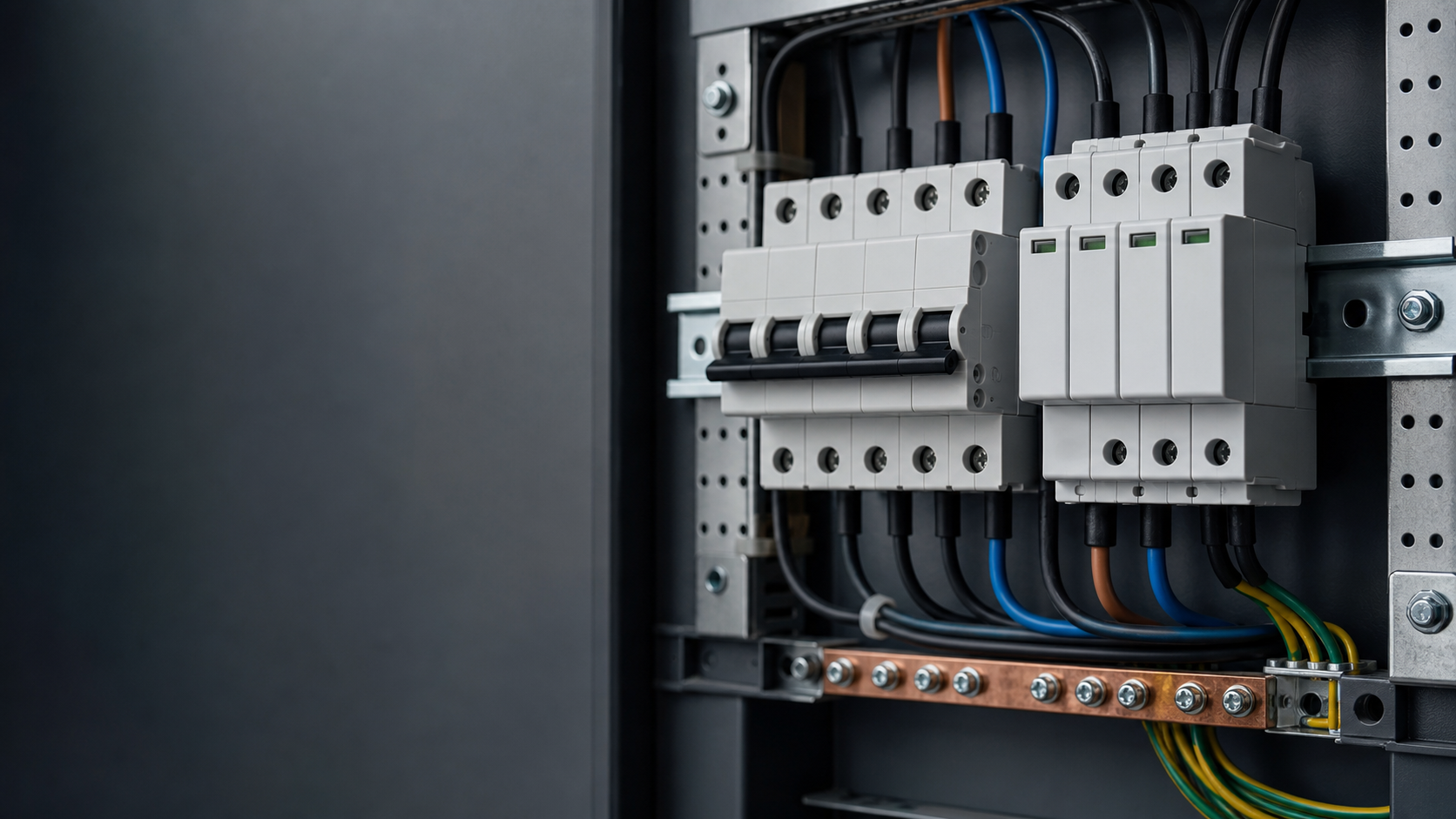
SPD full form and function
In electrical engineering, an SPD is a device tested to the applicable IEC 61643 requirements. Its function is narrow: respond to a short-duration transient, clamp the voltage and conduct surge current through a suitable protective-earth path.
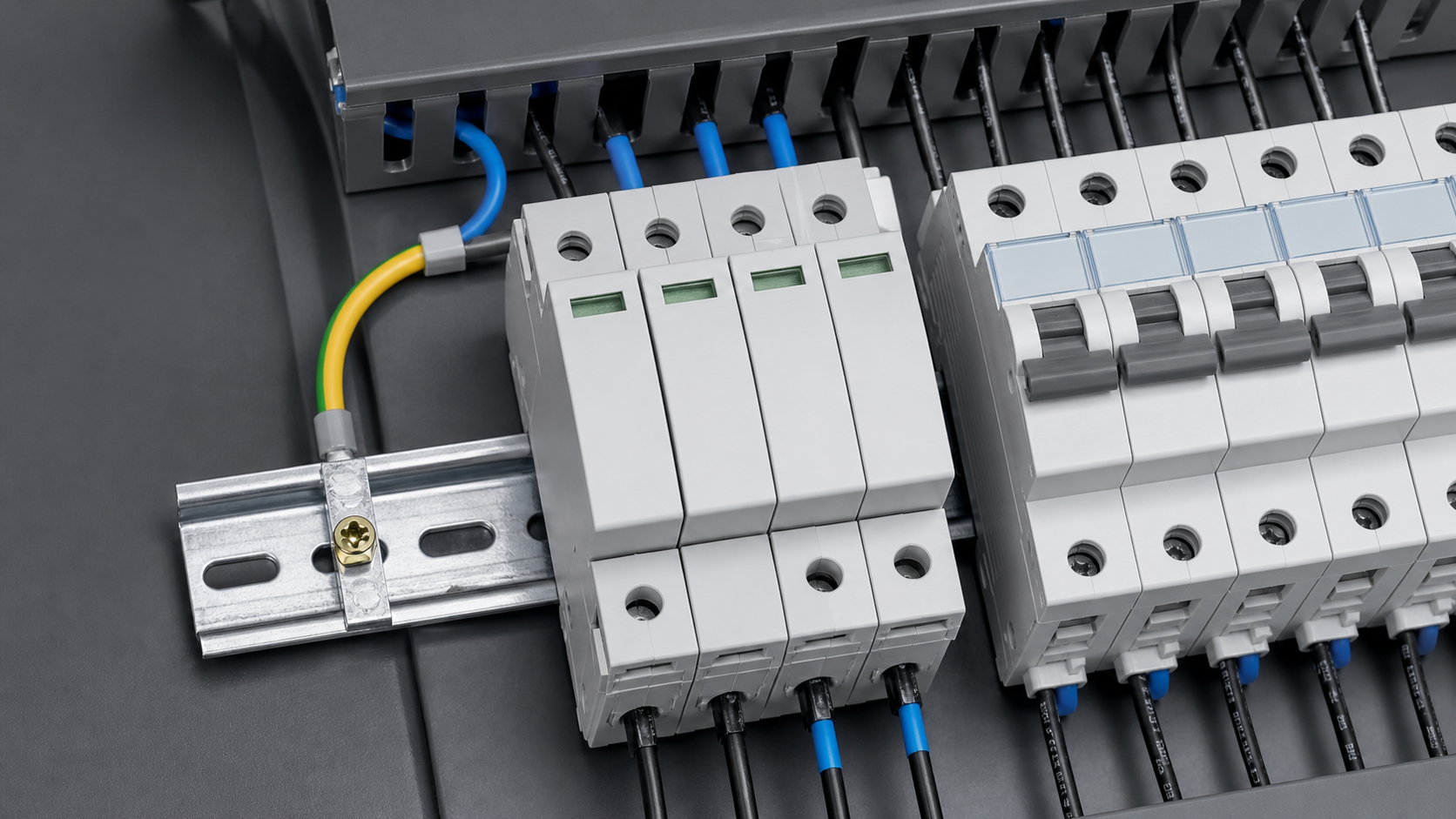
Type 1, Type 2 and Type 3
The type describes the installation position and test duty. Correct coordination matters: a small local device cannot be expected to absorb the energy of an incoming surge without upstream stages.
| Type | Typical test waveform | Typical position |
|---|---|---|
| Type 1 | 10/350 μs impulse current | Service entrance where lightning current can enter |
| Type 2 | 8/20 μs nominal discharge current | Main or sub-distribution boards |
| Type 3 | Combination-wave local protection | At or very near sensitive equipment |
How an SPD clamps a transient
A metal-oxide varistor remains high impedance at normal voltage. When the voltage exceeds its operating region, its resistance falls rapidly, shunting current to earth and reducing the impulse seen by downstream equipment. After the event it returns toward its idle state, although repeated energy absorption gradually consumes the device.
- Match Uc to the maximum continuous operating voltage.
- Check In, Imax and Up against the exposure and protected equipment.
- Keep line and earth connecting conductors short and straight.
- Use backup overcurrent protection where required by the product data.
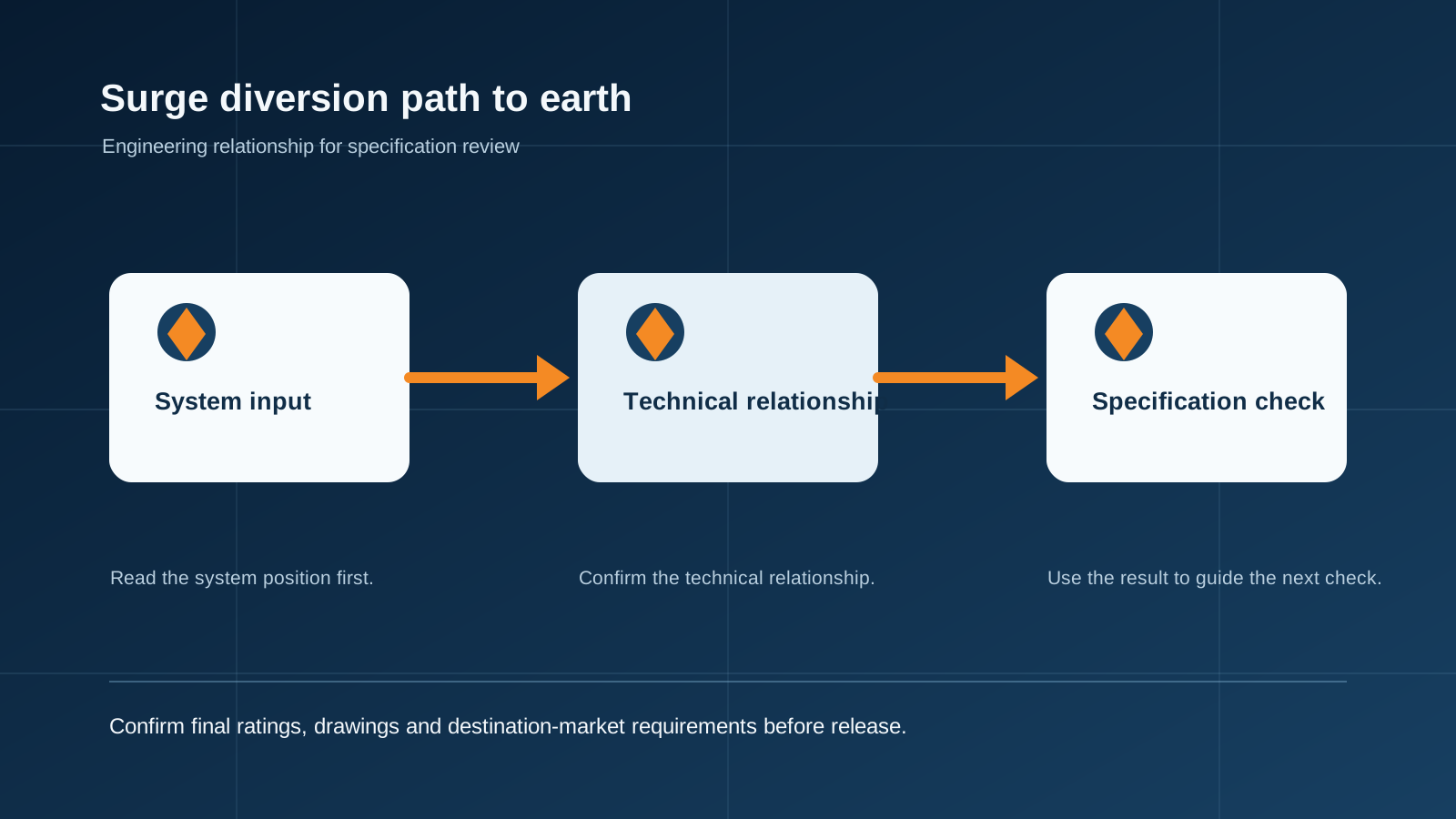
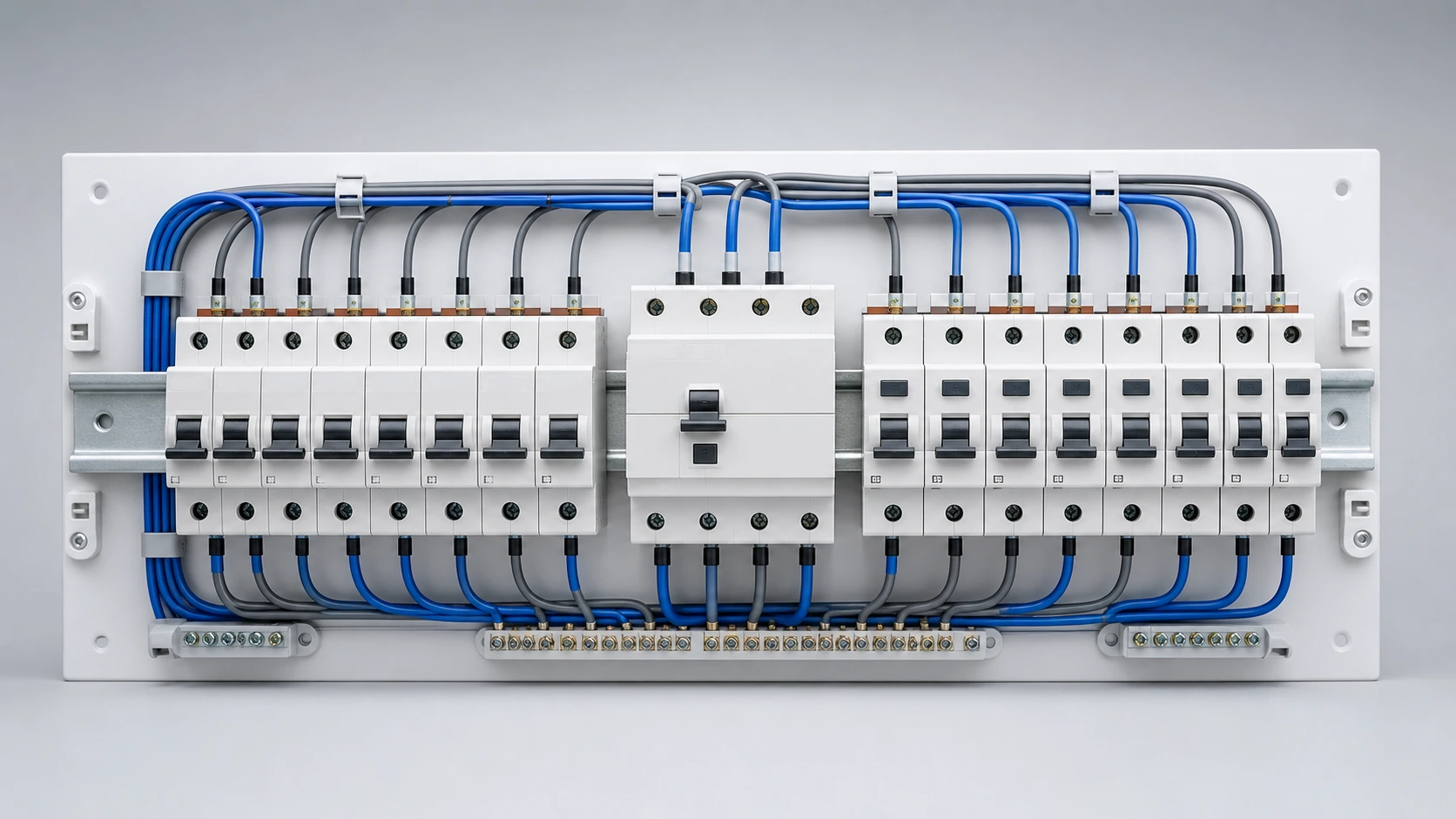
Technical diagram shown at a readable responsive scale.
Standards and selection checks
IEC 61643 covers the safety and performance testing of SPDs, including the relevant impulse waveforms and voltage protection level. The exact part and edition depend on whether the device is for AC power, PV DC or another circuit.
- Confirm the system voltage and pole arrangement.
- Select Type 1, 2 or 3 from the installation position and energy duty.
- Provide visible status indication and remote signalling where a failed device must be reported.
- Treat the SPD as consumable protection that needs inspection and replacement planning.
An SPD reduces transient damage; it does not make equipment immune and does not correct sustained supply faults. Installation must follow local wiring rules and the qualified designer's protection study.
Frequently asked questions
What is the full form of SPD in electrical engineering?
SPD stands for Surge Protective Device. It clamps transient overvoltage and diverts surge current through a protective-earth path.
Which comes first, Type 1 or Type 2 SPD?
Where both are required, Type 1 is installed at the origin to handle the higher-energy impulse and Type 2 is coordinated downstream for distribution protection.
Is an SPD the same as a lightning arrester?
They are related but not identical terms. An SPD is the IEC 61643 protective device used in electrical installations; a lightning arrester may refer to line-side equipment intended to handle direct lightning current.
What does IEC 61643 cover?
It covers SPD safety and performance tests, including the relevant impulse waveforms, discharge behavior and voltage protection level.
Select the right SPD type
Share the system voltage, installation origin, lightning exposure and protected equipment so Type 1, Type 2 or Type 3 coordination can be reviewed.
Request a quoteContinue learning
Explore related technical guidance in Electrical Protection.
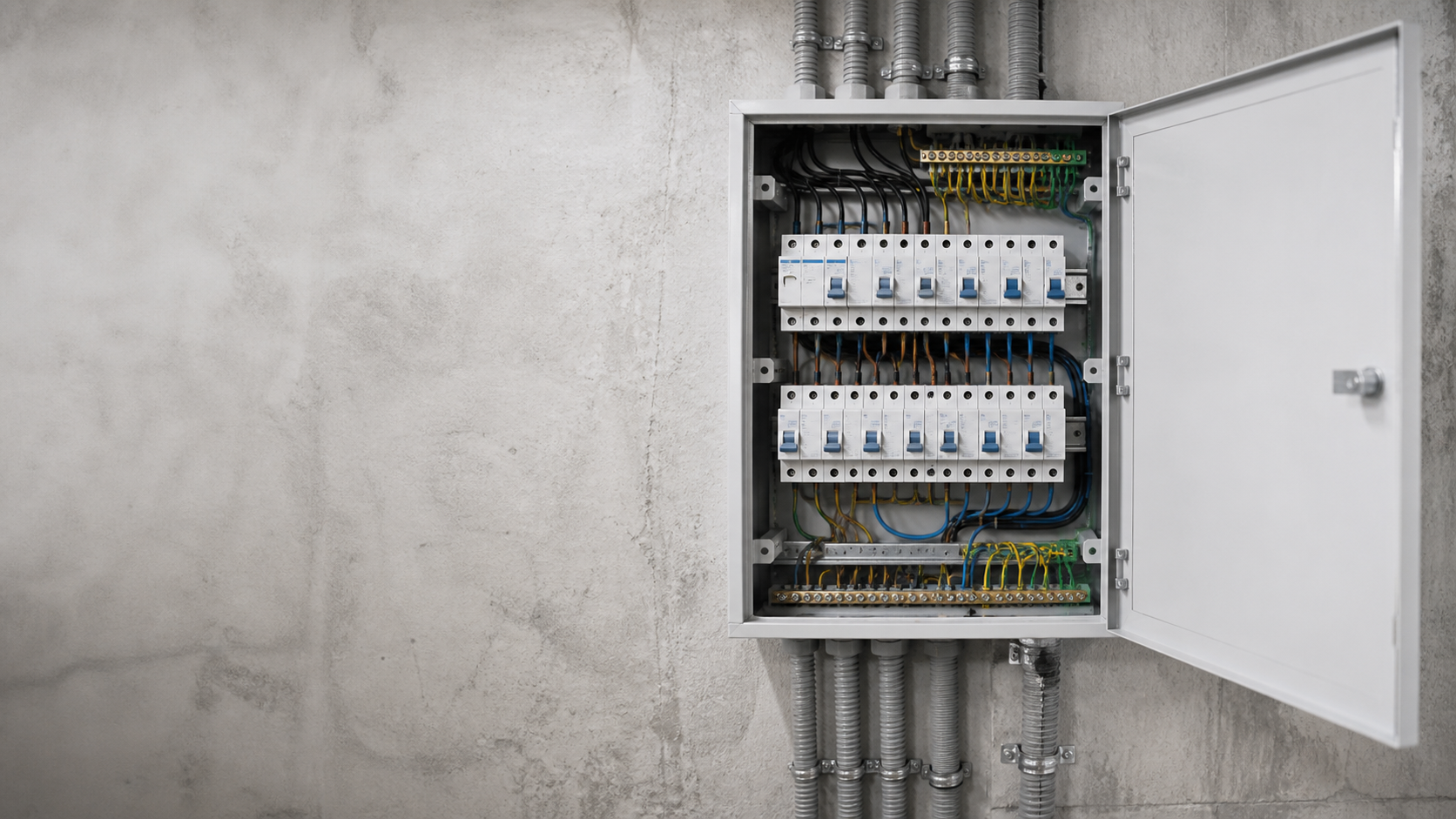
This guide is general application guidance. Final ratings, protection coordination, standards evidence, installation and local code compliance must be confirmed against the actual project and destination-market requirements by qualified personnel.