
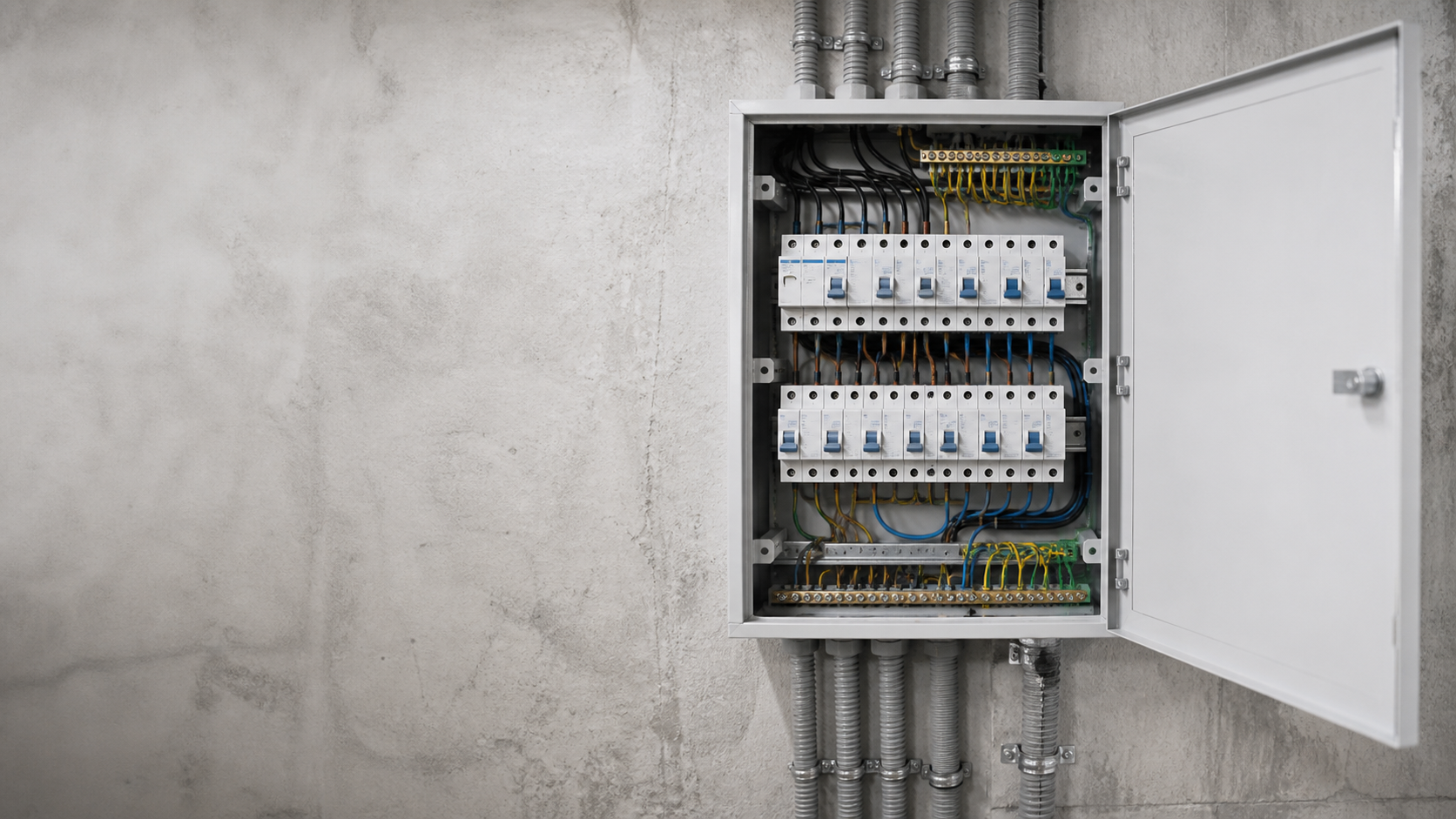
What ELCB Means and What It Does
In electrical engineering, ELCB is the full form of Earth Leakage Circuit Breaker. The device monitors a leakage path associated with earth and opens the circuit quickly enough to reduce the duration of a dangerous touch condition.
The core function is narrow: sense the leakage, release the trip mechanism and open the required poles. It is not a universal replacement for overcurrent protection; the complete protection arrangement must still be designed for the circuit.
Voltage-Operated vs Current-Operated ELCB
A voltage-operated ELCB senses the voltage between an equipment frame and protective earth. A current-operated device, commonly associated with an RCCB, passes the live conductors through a sensing core and trips when their residual-current sum is no longer balanced.
- Voltage-operated ELCB: responds to frame-to-earth voltage.
- Current-operated ELCB or RCCB: responds to residual current imbalance.
- The operating principle determines how the device interacts with the earthing system and the circuit conductors.
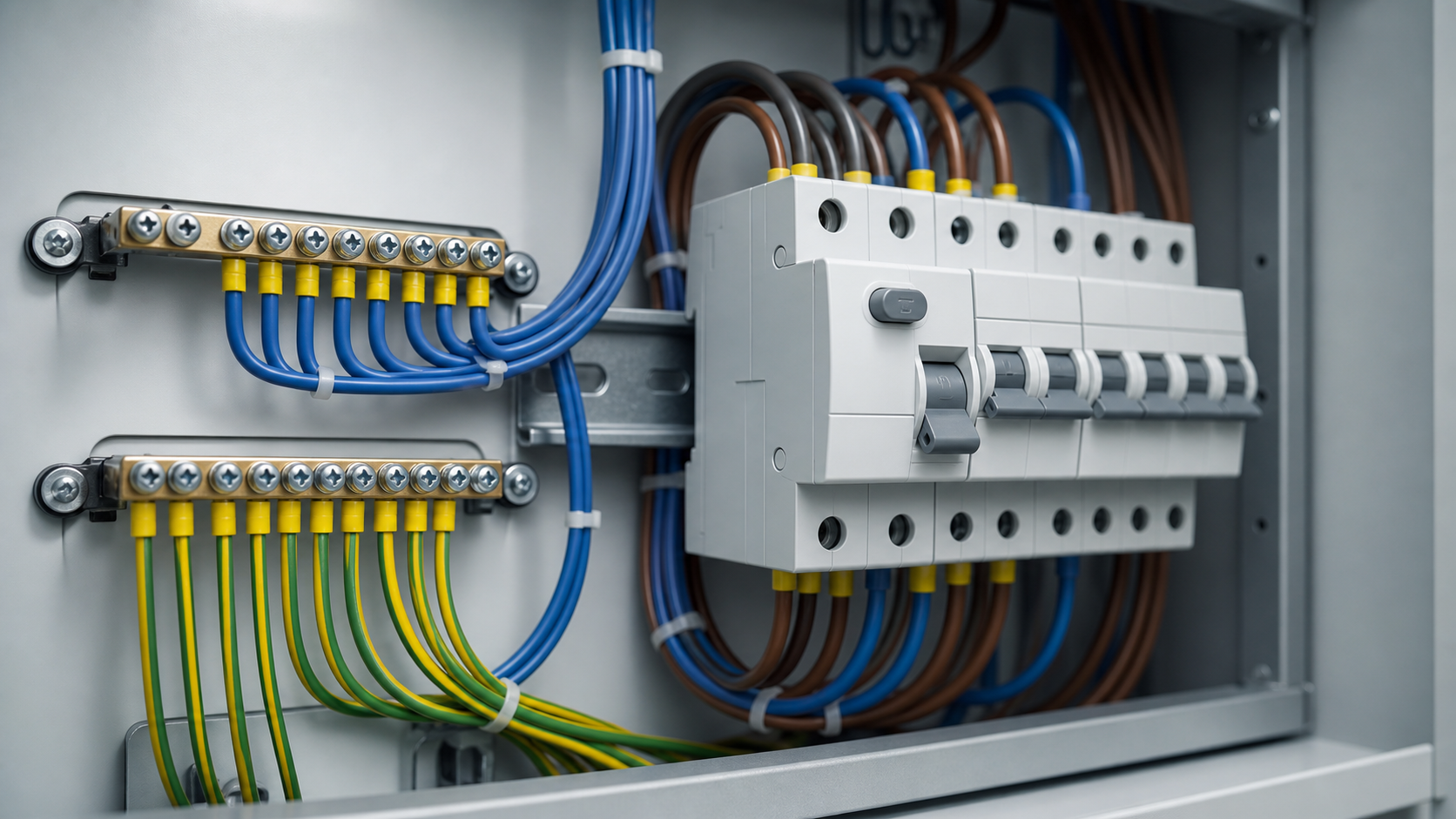
Sensitivity and Where It Fits
The source article identifies 30 mA as an additional-protection rating for socket circuits and higher settings as suitable for fire or equipment protection on longer feeds. The correct sensitivity depends on the circuit, standing leakage, disconnection-time requirement and local wiring regulations.
A current-operated earth-leakage device does not remove the need to coordinate upstream and downstream protection. Sensitivity, time delay and the presence of overcurrent protection should be reviewed together in the board schedule.
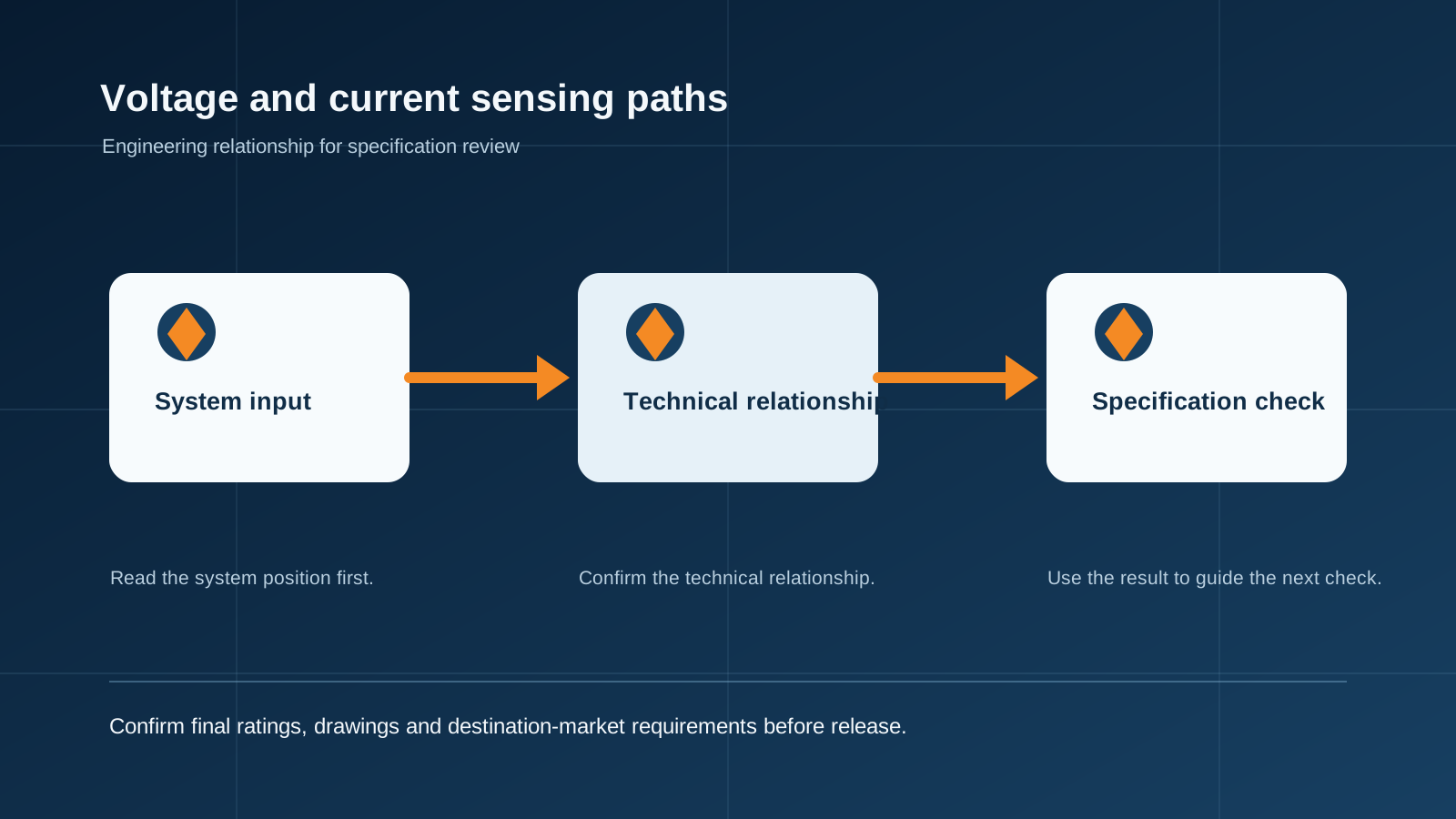
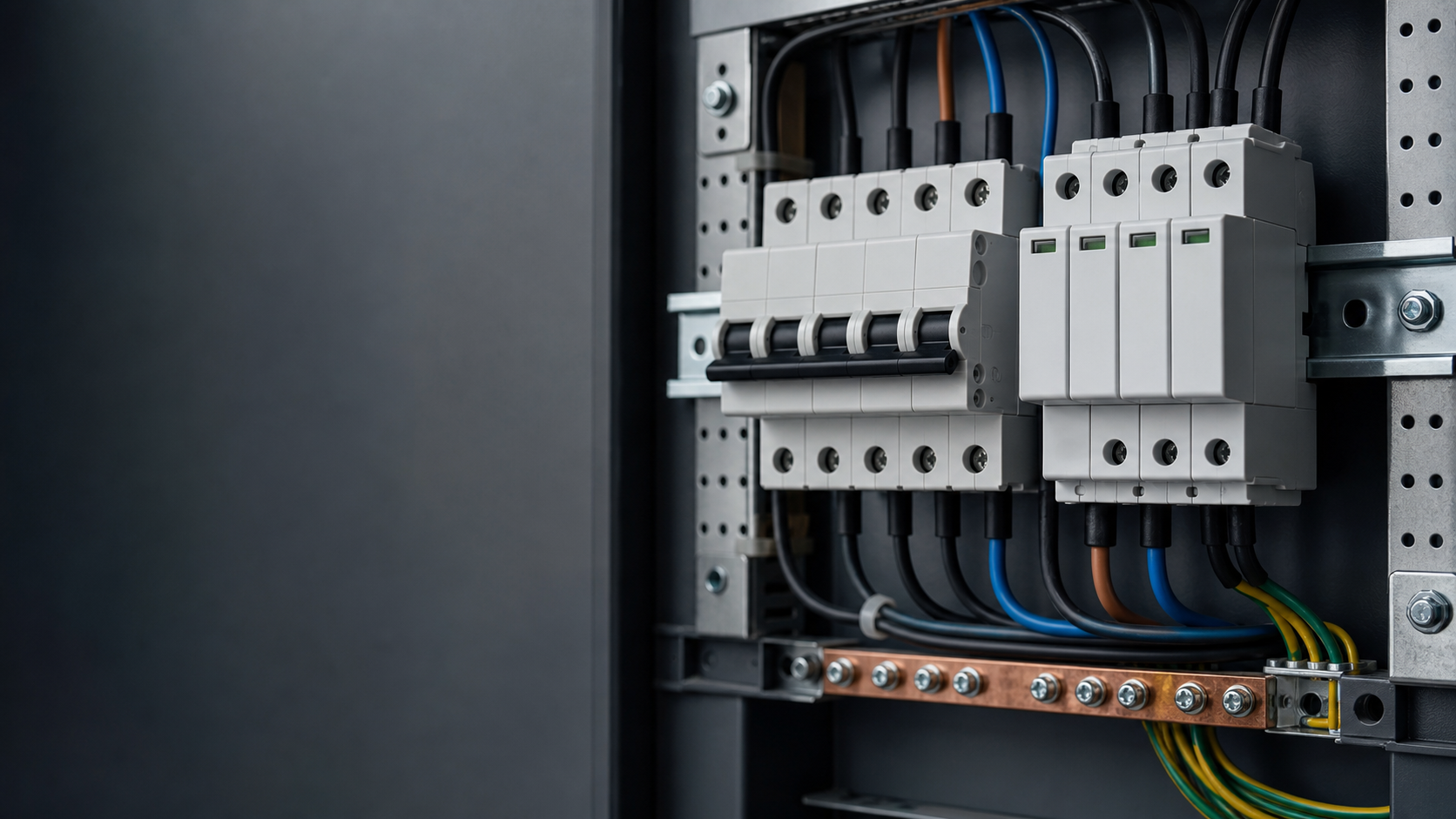
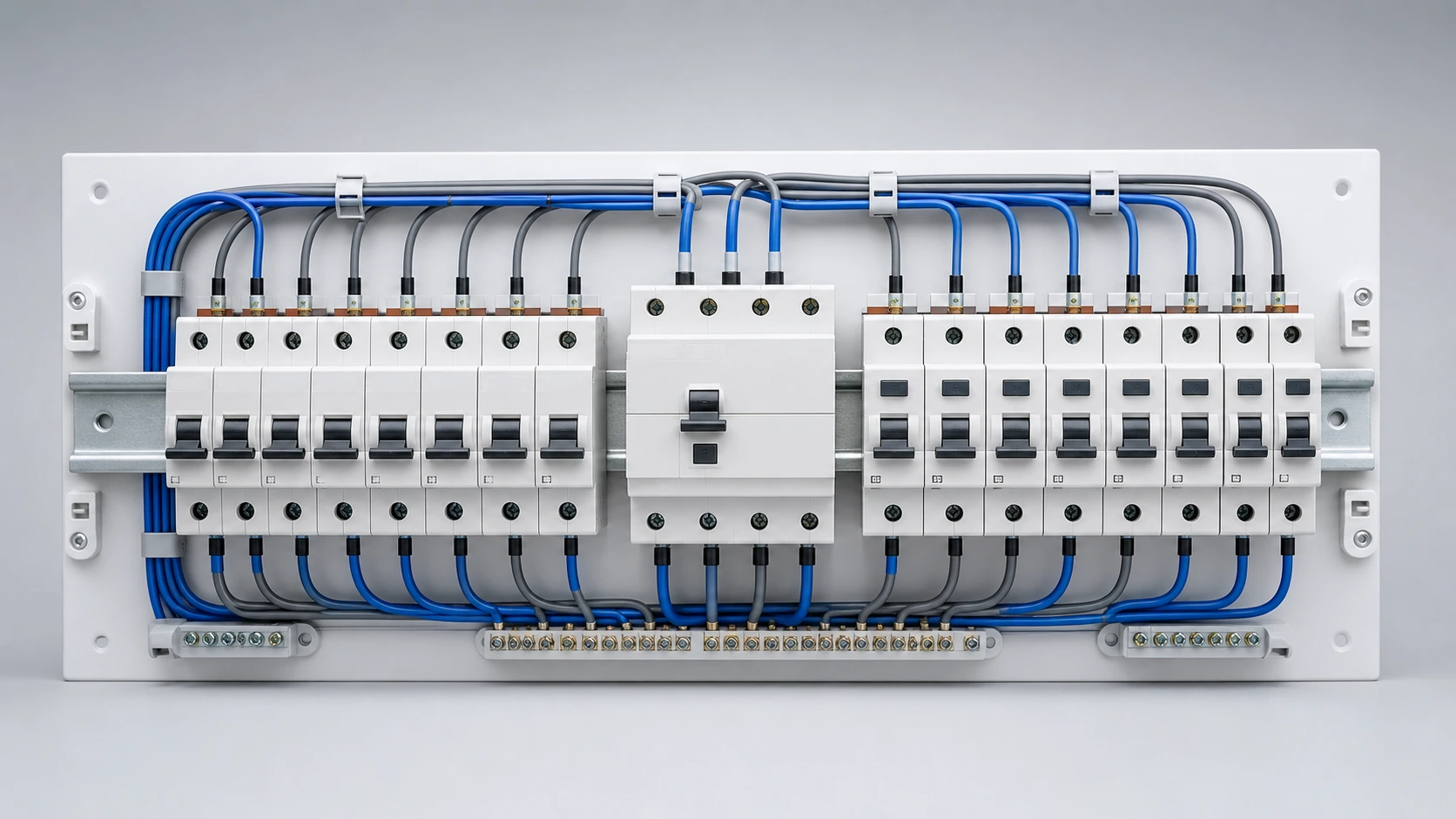
Technical diagram shown at a readable responsive scale.
Standards and Selection Checks
The source document references IEC 61008 for general residual-current circuit breakers and IEC 62423 for Type A and Type B residual-current tests. Confirm the exact standard, current, pole configuration, residual-current type, breaking capacity and enclosure application for the quoted device.
- Identify whether the device is voltage-operated or current-operated.
- Select residual operating current from the shock, fire and equipment-protection requirement.
- Check whether the circuit can produce pulsating or smooth DC residual current.
- Confirm the device is coordinated with upstream overcurrent and residual-current protection.
This article explains terminology and selection concepts; it is not a wiring instruction or a substitute for local regulations and competent electrical design.
Frequently asked questions
What is the full form of ELCB in electrical work?
ELCB stands for Earth Leakage Circuit Breaker. It detects a leakage path associated with earth and opens the circuit before the fault becomes a sustained shock hazard.
What is the difference between voltage-operated and current-operated ELCBs?
A voltage-operated device senses frame-to-earth voltage. A current-operated device, commonly called an RCCB, sums the live conductors and trips on residual current imbalance.
Is 30 mA the right sensitivity?
30 mA is commonly used for additional protection on socket circuits, while higher values may be used for fire or equipment protection. The circuit design and local regulations decide the correct value.
Which standards should I check?
The source document references IEC 61008 for general residual-current circuit breakers and IEC 62423 for Type A and Type B residual-current tests. Confirm the exact device and applicable edition for the project.
Does an ELCB replace an MCB?
Not necessarily. An earth-leakage device addresses residual current; overcurrent and short-circuit protection must be provided by an RCBO, MCB, fuse or another coordinated device as required by the design.
Select the Right Leakage Protection
Share the circuit schedule, residual-current type, sensitivity, pole arrangement and destination-market requirements for a configuration review.
Request a quoteContinue learning
Explore related technical guidance in Electrical Protection.
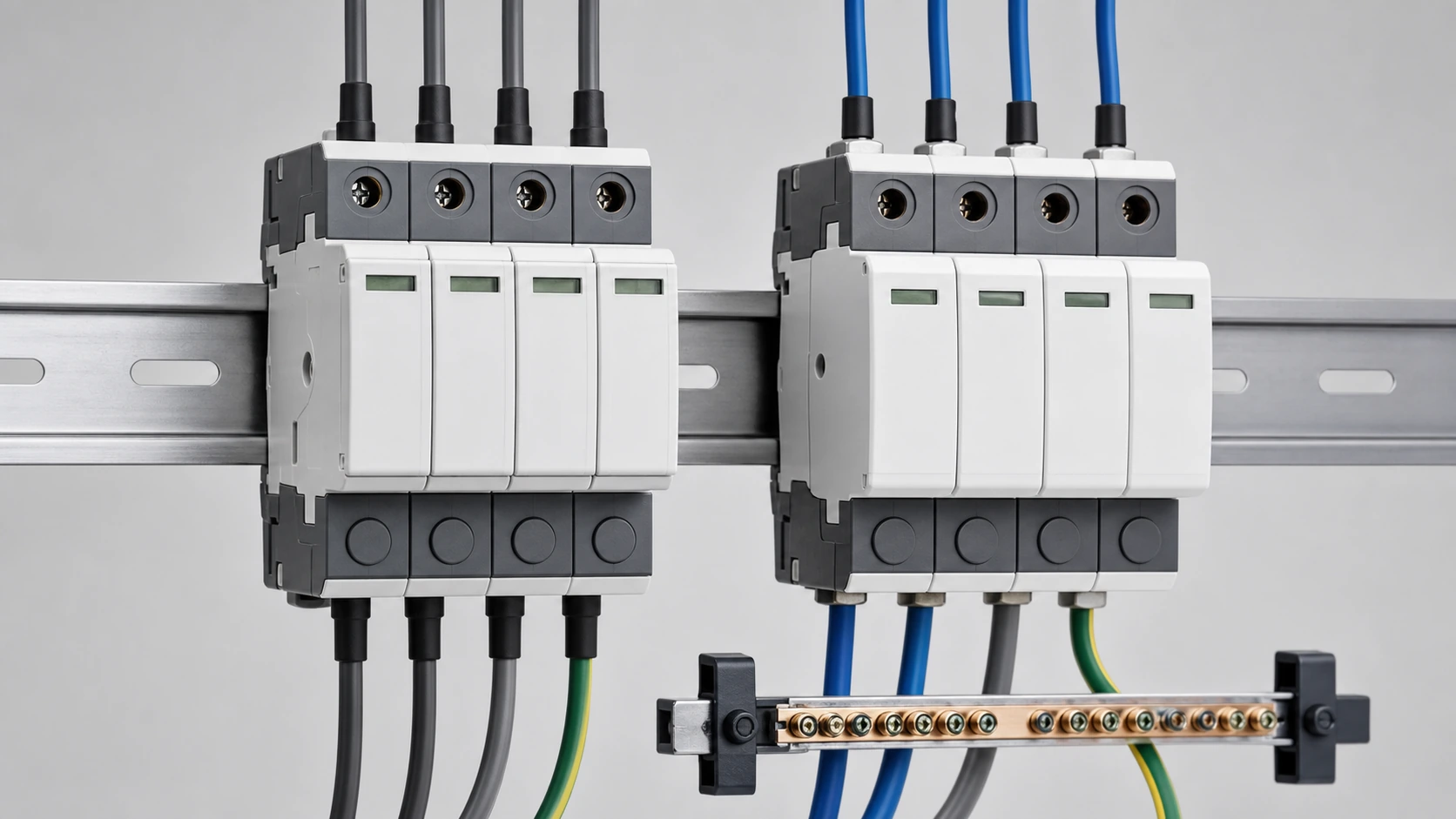
Source DOCX: NEUTRON_PUBLISH_elcb-full-form-in-electrical_v1.0.docx. Product ratings and certification claims require confirmation for the quoted device.