
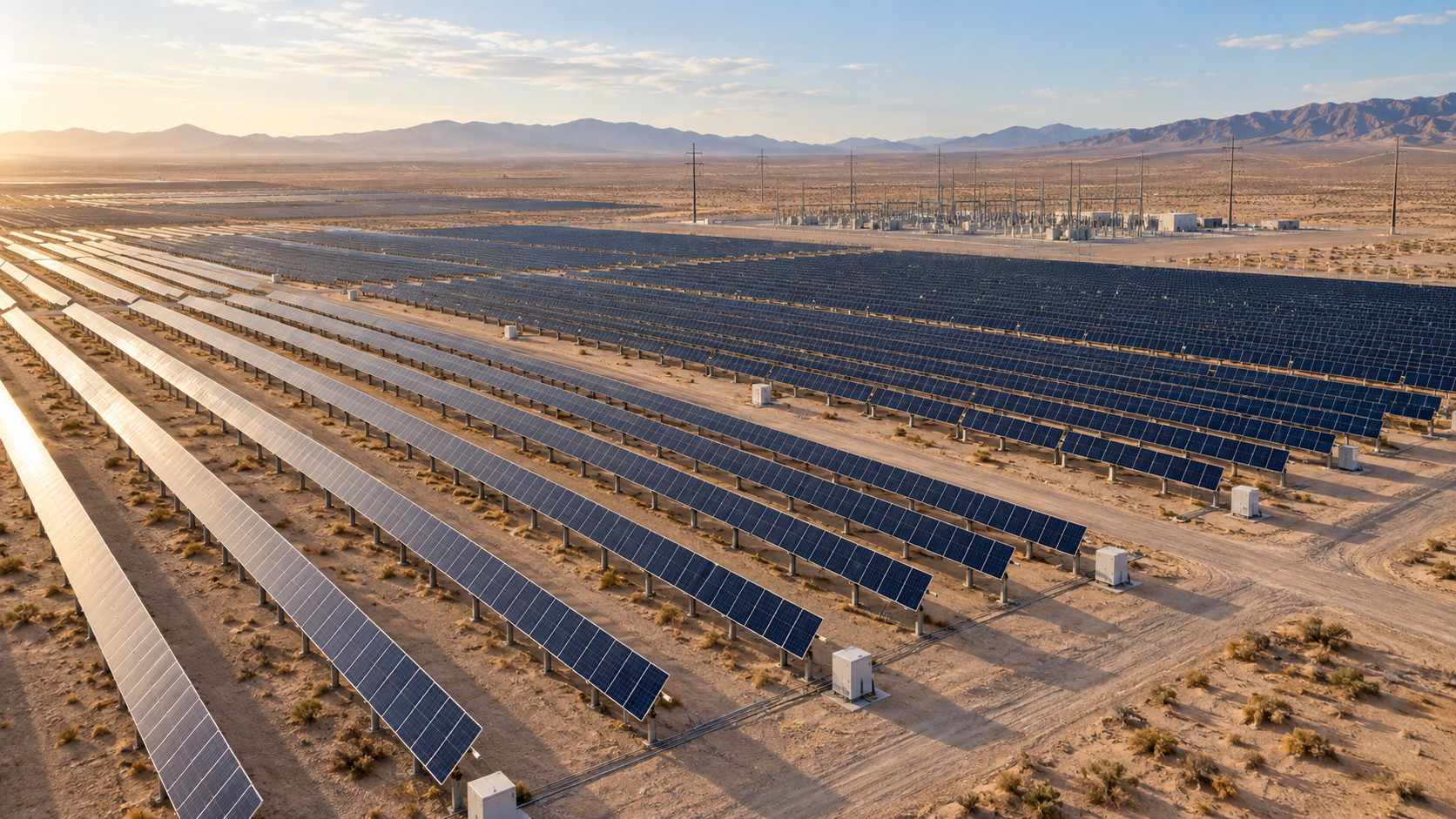
1. Why busbar sizing matters at 2 GW
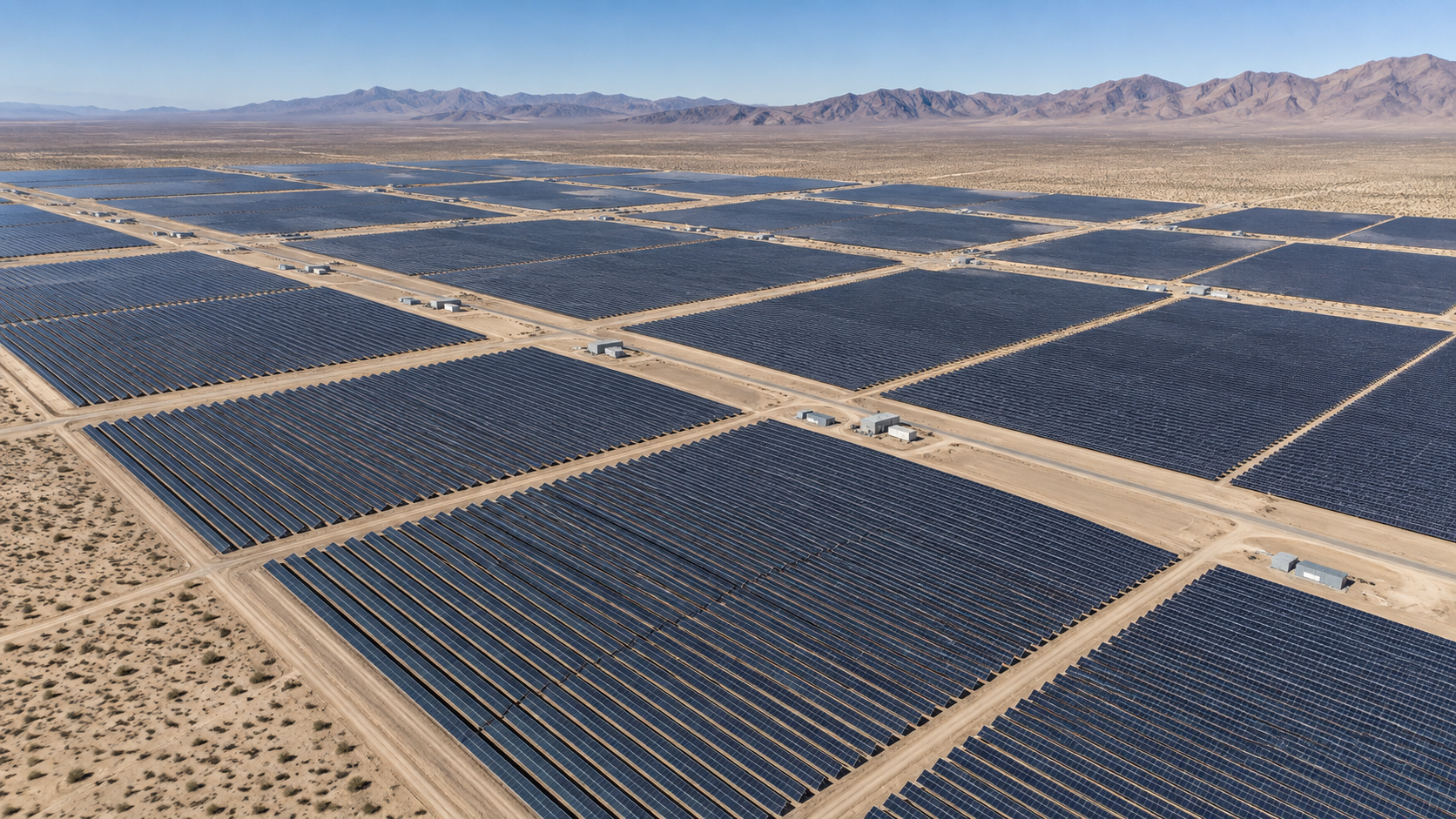
Haden is a roughly 2 GW solar plant in Saudi Arabia, large enough that the internal busbar and fuse coordination of every combiner box becomes a plant-wide reliability factor. Each combiner aggregates the continuous current of many strings. If the internal busbar and terminals are not rated for the summed current including bifacial gain, the box becomes the weak link of a 2 GW plant.
2. NEUTRON combiner scope
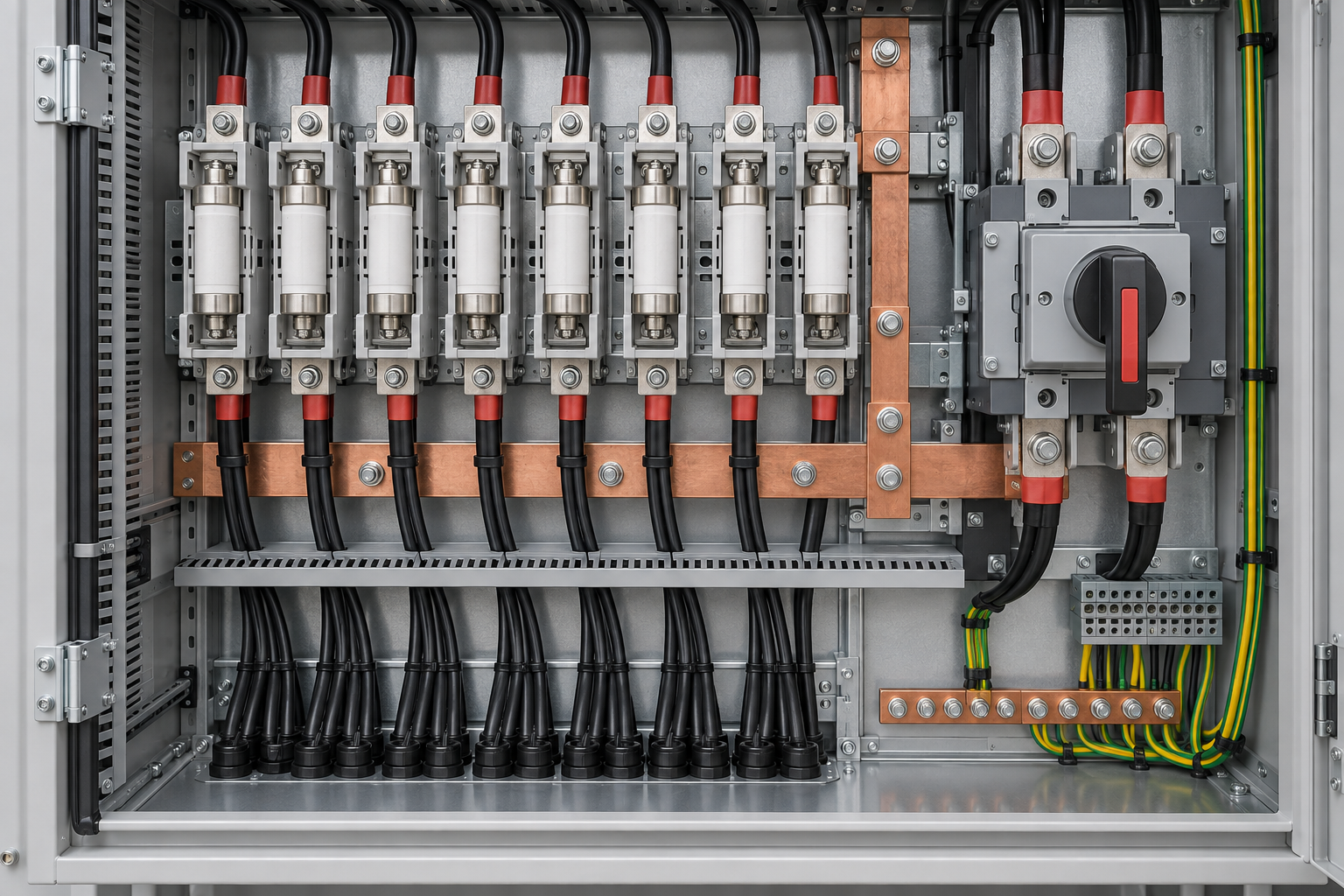
- PV combiner boxes rated to 1500 V DC with individual gPV fuse protection per string.
- Internal busbar and terminal block rated against summed continuous current.
- DC disconnect and Type 2 DC SPD staged to the 1500 V envelope.
- Monitored output for string-level current visibility.
3. gPV fuse coordination
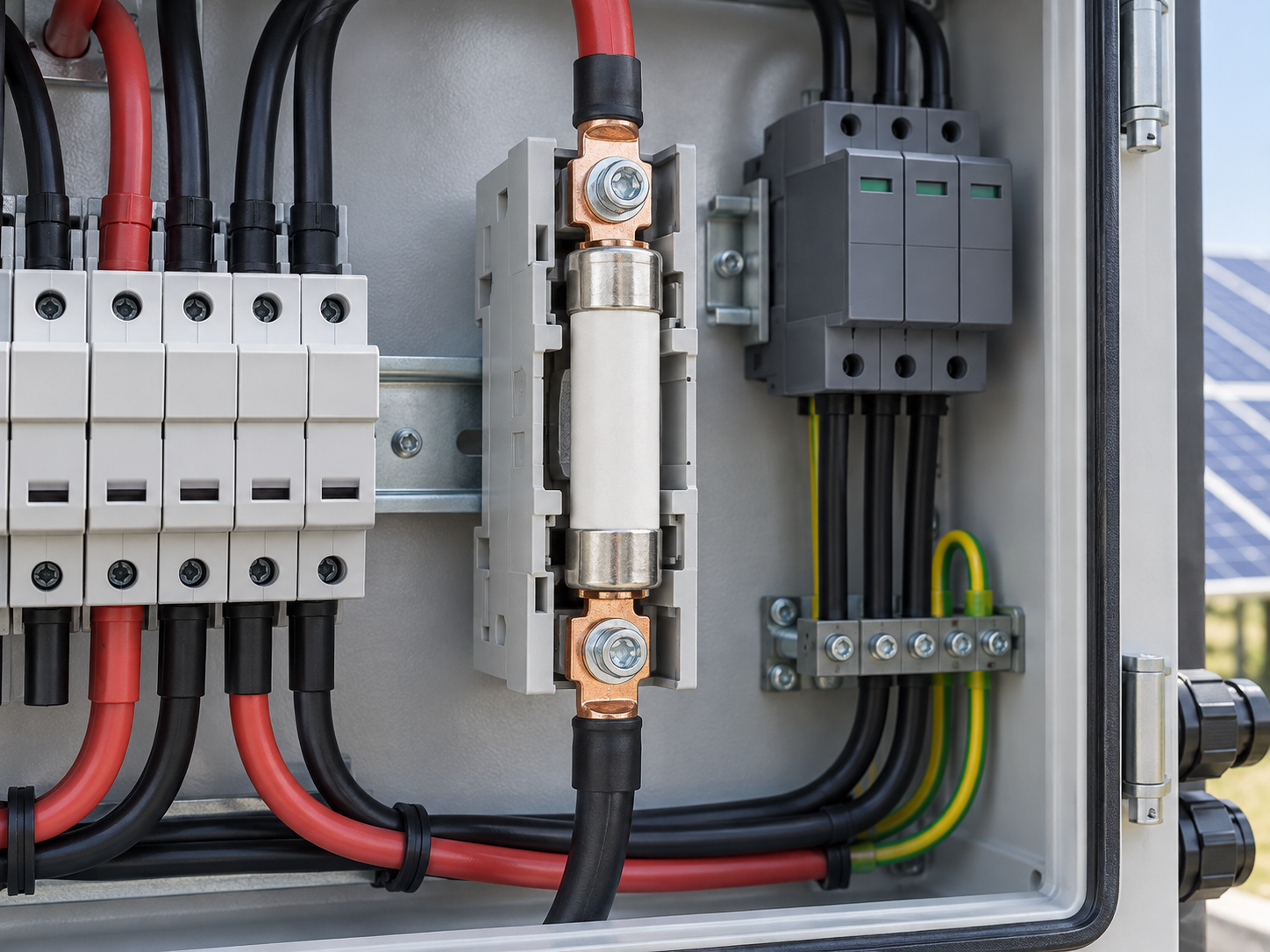
Each string fuse is sized to 1.25x the module short-circuit current including rear-side gain, and coordinated with the downstream device so a fault clears at the nearest point. This selectivity was verified before release.
4. Environmental specification
- Current parts derated for sustained desert heat.
- Enclosure to IP65 with a corrosion class for inland dust.
- Ventilation path validated for the protection devices.
5. Outcome
Correct busbar and fuse coordination gave the plant a robust combiner foundation. The lesson is that at gigawatt scale the combiner box internals deserve the same engineering attention as the substation.
Final ratings, coordination, installation and applicable local requirements must be verified against current standards, manufacturer documentation and the approved project design.
Frequently asked questions
How do you size a combiner busbar?
Against the summed continuous current of all protected strings including bifacial gain, with terminals rated for the same envelope.
Why coordinate gPV fuses?
Coordinated fuses clear a fault at the nearest device, preventing a single string fault from dropping a whole feeder.
What rating applies?
Maximum system voltage 1500 V DC, string short-circuit current including bifacial gain, input string count and site protection class.
Which standards apply?
IEC 62916, IEC 60269-6, IEC 60947-2, IEC 61643-31 and IEC 61439.
Review the current envelope before quotation.
Share the string count, module short-circuit current, bifacial gain and ambient conditions for a coordinated combiner review.
Discuss a projectContinue learning
Explore related technical guidance in Solar PV.

Published from the approved Period 12 source package; project, technical and standards statements are retained from the supplied publication content.