
The Short Answer on Price
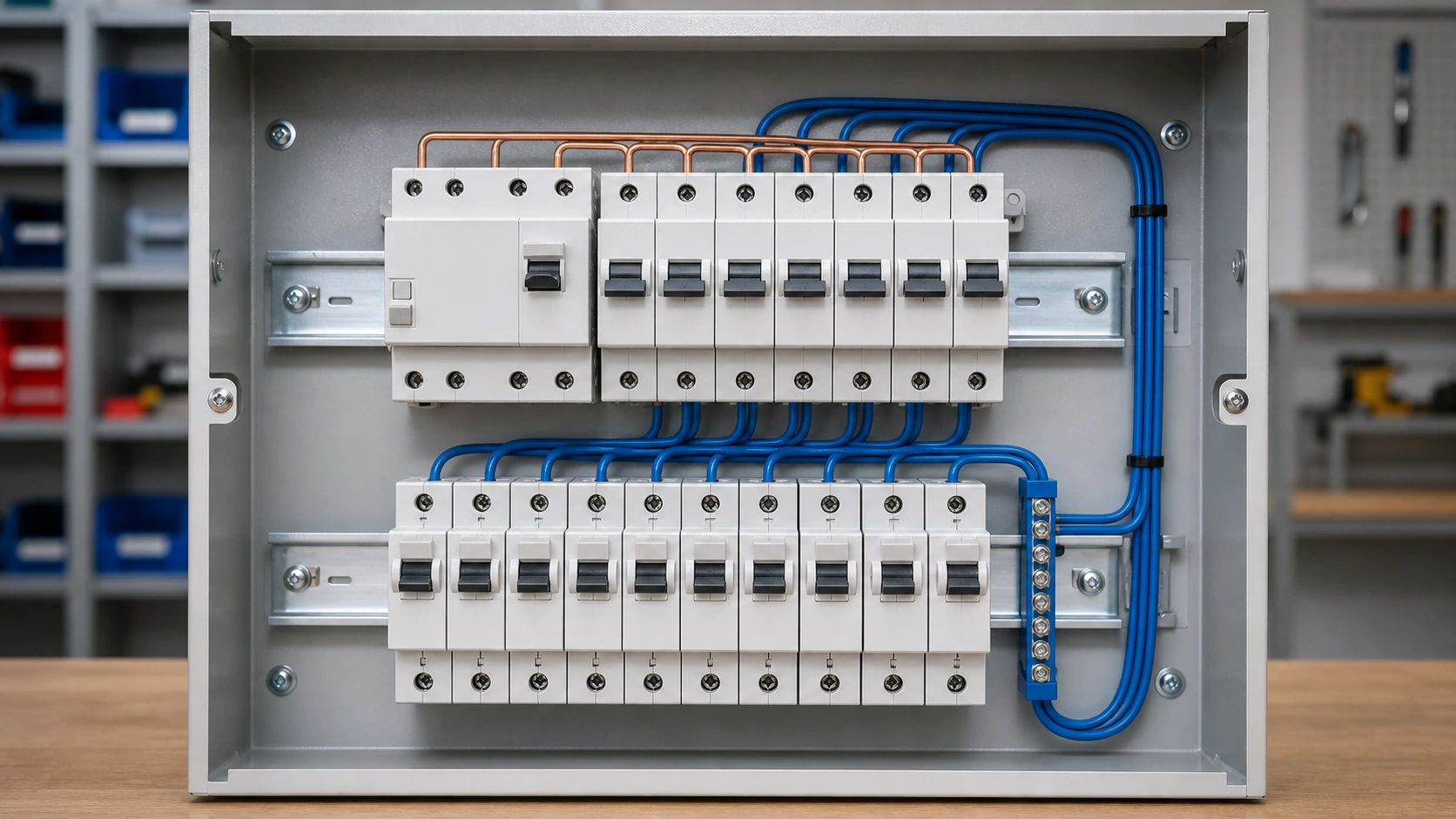
The source article describes device-level RCBO prices as typically two to three times an equivalent RCCB in comparable ratings, while the installed board difference can be smaller because an RCCB scheme still needs MCBs for every circuit. Treat these as source planning ranges, not quotations; actual price depends on rating, poles, sensitivity, breaking capacity, housing width, approvals, quantity and supply chain.
What Each Device Actually Does
An RCCB provides residual-current detection only. It must be protected by an appropriate upstream or downstream overcurrent device. An RCBO combines residual-current detection with thermal overload and magnetic short-circuit protection for the individual circuit. That difference changes the wiring scheme as well as the bill of materials.
| Device | Function | Protection scope |
|---|---|---|
| RCCB | Residual current only | Group of circuits with separate MCBs |
| MCB | Overcurrent only | One circuit or feeder |
| RCBO | Residual current plus overcurrent | One circuit in one device |
Why RCBOs Cost More to Manufacture
An RCBO adds a calibrated overload element, electromagnetic short-circuit trip, arc-quenching chambers and tighter miniaturisation to the residual-current sensing and test functions. More components, calibration and individual testing increase manufacturing complexity and affect the final price.
Panel-Level Cost: The Comparison Buyers Get Wrong
A fair comparison should price the complete protective scheme. The RCCB option includes the RCCB group devices and an MCB for every circuit; the RCBO option includes one RCBO per circuit. Module count can also differ between compact one-module RCBOs and wider versions. The source table shows the RCCB scheme may cost less in device index but can disconnect a group, while the RCBO scheme costs more and limits a fault to one circuit.
The Hidden Savings: Selectivity and Downtime
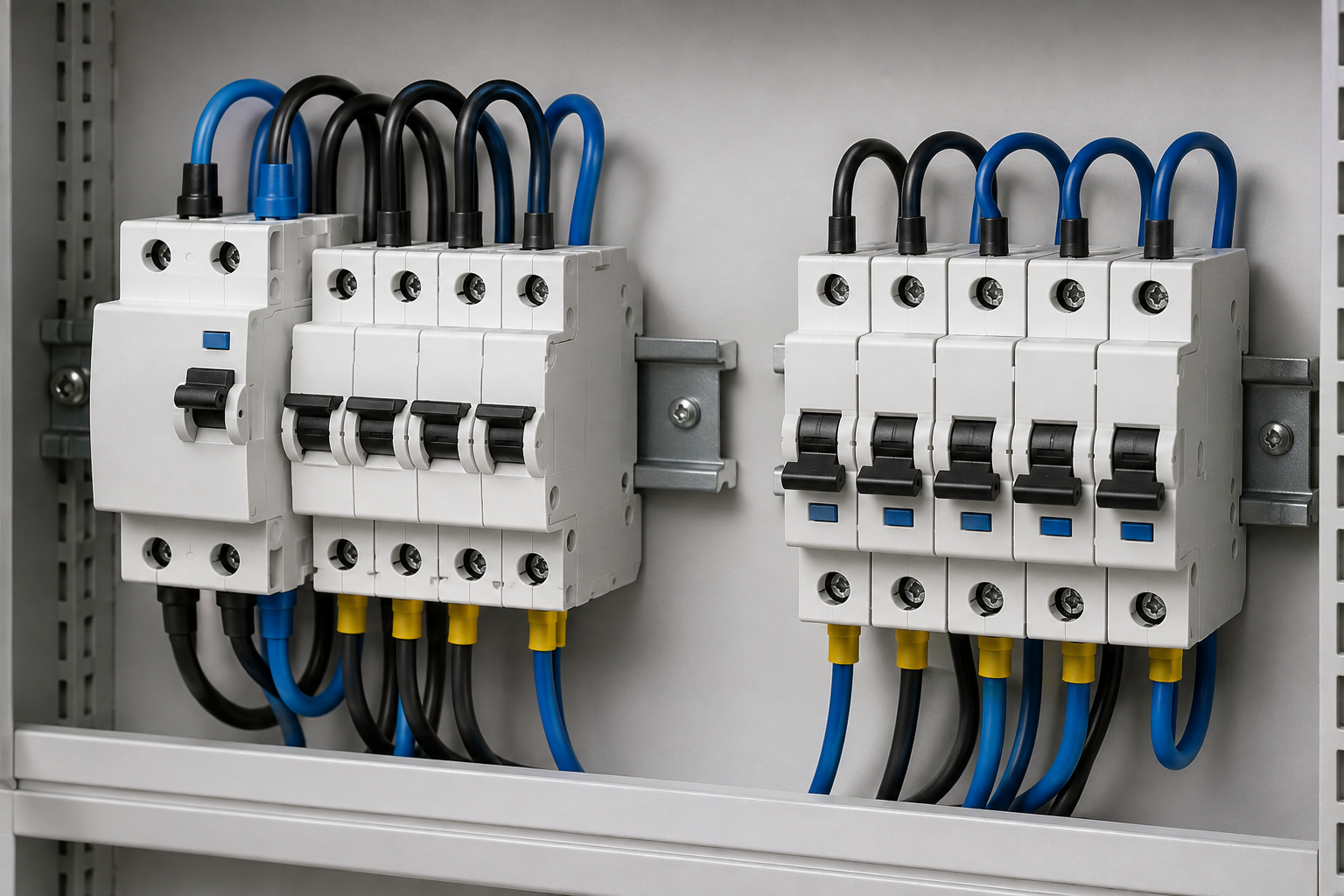
Per-circuit RCBO protection identifies the affected circuit immediately and avoids taking a whole group offline for one earth fault. That can reduce troubleshooting time and the operational cost of an outage, especially for refrigeration, IT, medical, security or process-control loads. Whether the premium pays back depends on the installation's actual interruption cost.
When an RCCB Is the Correct Commercial Choice
RCCB grouping can be appropriate where the load is non-critical, the design accepts group disconnection, the board architecture and local rules support it, and the cost or availability objective is important. A mixed strategy is also possible: RCBOs on continuity-critical circuits and RCCB groups for the remainder.
Procurement Checklist and Common Mistakes
- Compare the same poles, rated current, residual sensitivity, type and breaking capacity.
- Price the required MCBs when comparing against RCCBs.
- Check module width, busbar compatibility, neutral arrangement and terminal shrouds.
- Confirm the applicable product standard and test documentation.
- Use one compatible device family where combs and accessories are shared.
Engineering decision map
Use this compact sequence to review the approved guidance in order. Confirm actual ratings, interfaces, applicable standard editions and selected equipment documentation before final specification or release.
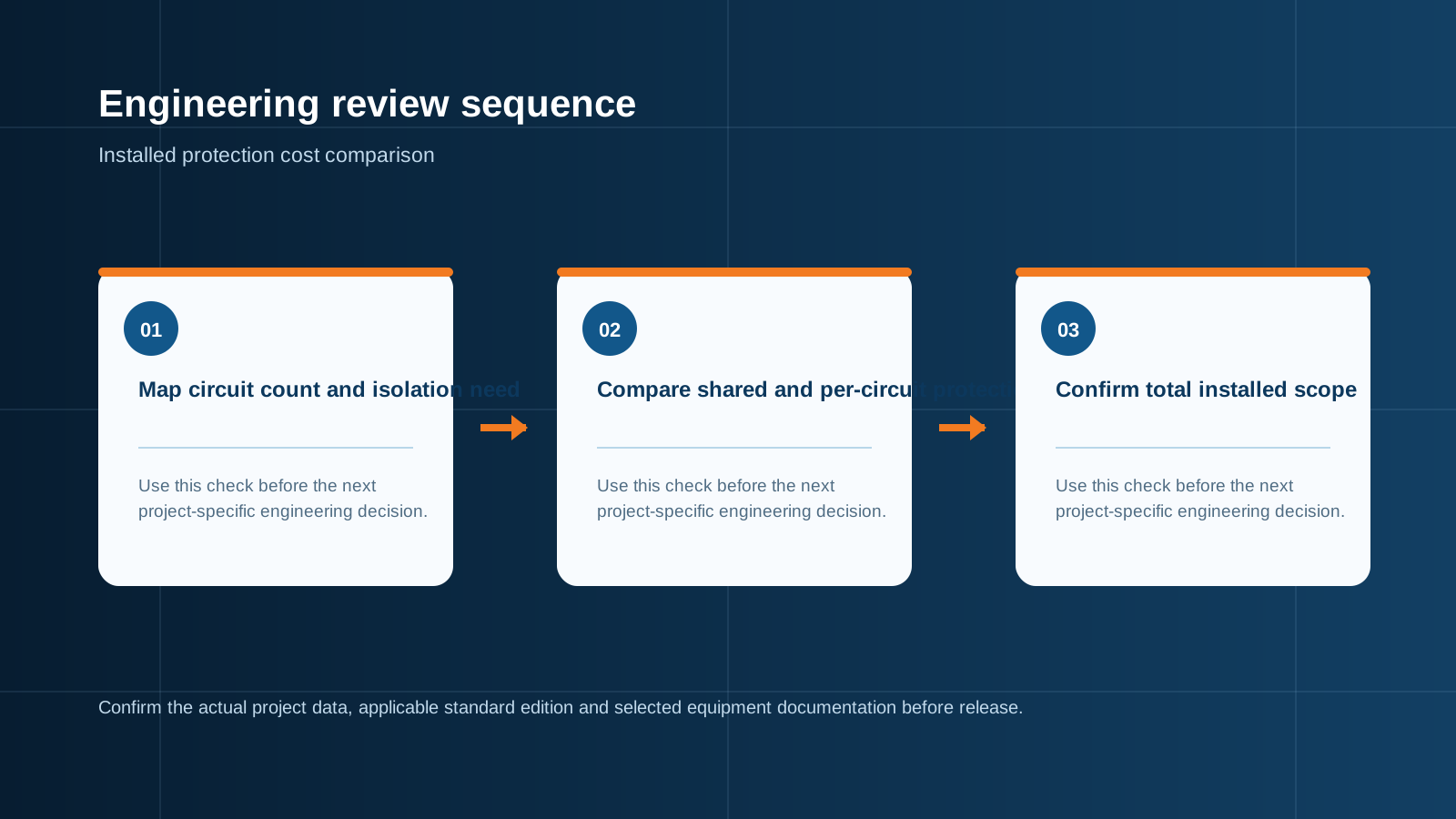
Technical diagram shown at a readable responsive scale.
The price ranges in the source are indicative planning indices, not a live market quotation. Total installed cost depends on specification, quantity, labour, enclosure and local procurement conditions.
Frequently asked questions
Why is an RCBO more expensive than an RCCB?
An RCBO combines residual-current detection with calibrated overload and short-circuit protection, including the associated trip and arc-quenching parts, in one device.
How much more does an RCBO cost than an RCCB?
The source gives two to three times as a device-level planning range and a smaller installed-board difference in some schemes. Confirm like-for-like ratings and price the complete board.
Is an RCBO worth the extra cost?
It can be where one avoided group outage or faster fault-finding has meaningful value. The decision should use the installation's actual downtime cost.
Can I mix RCCBs and RCBOs in the same board?
Yes, a mixed scheme can place RCBOs on continuity-critical circuits and RCCB groups on less critical circuits, provided the device family and wiring remain compatible.
Does an RCCB need a separate MCB?
Yes. An RCCB does not provide overload or short-circuit protection, so each downstream circuit needs suitable overcurrent protection.
Compare the Complete Protection Scheme
Share the circuit schedule, critical loads, required residual-current settings and board constraints so RCCB grouping, RCBO-per-circuit or a mixed scheme can be evaluated on total installed value.
Request a quoteContinue learning
Explore related technical guidance in Electrical Protection.

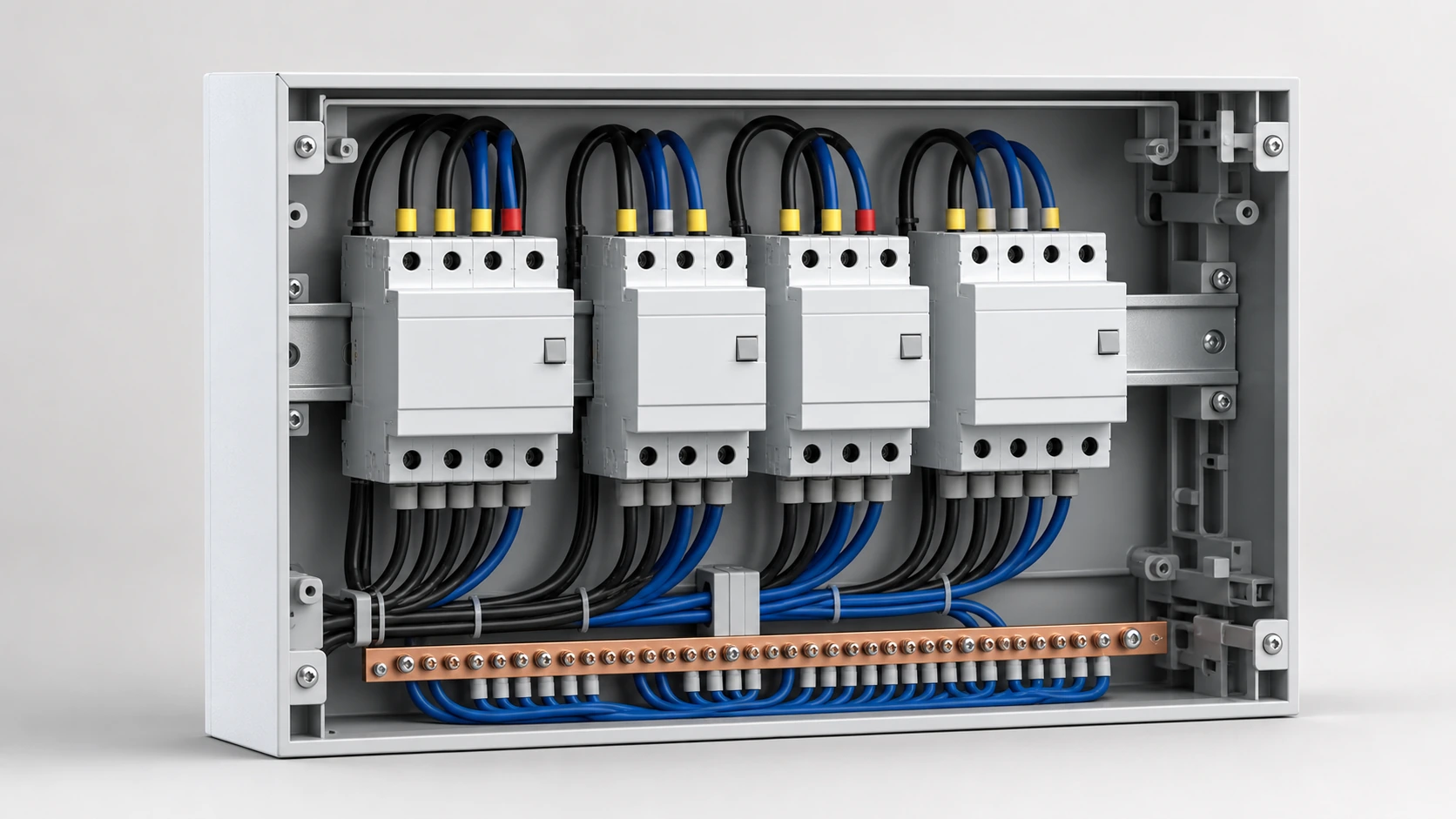
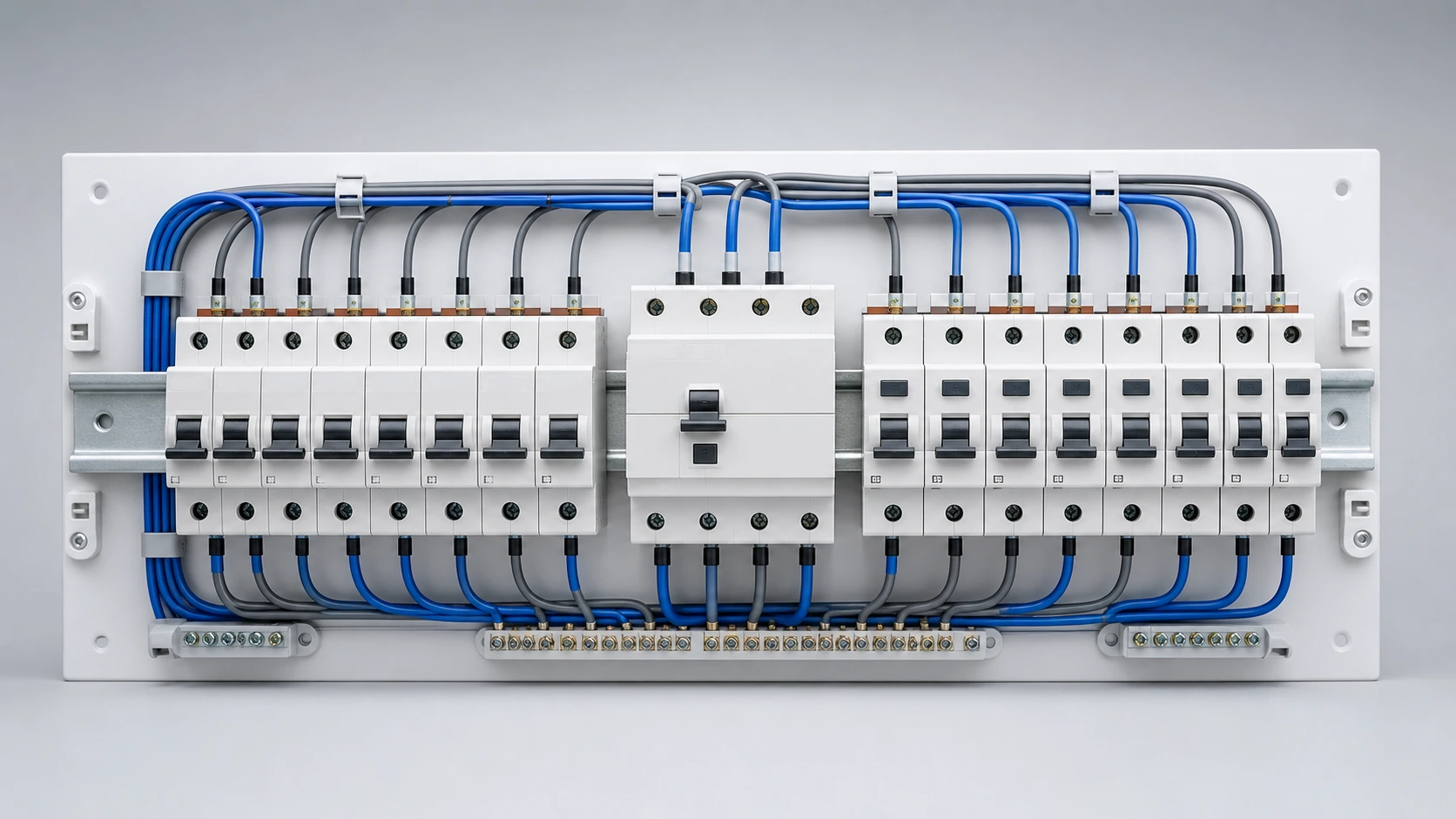
Adapted from the supplied DOCX. Price ranges are source-provided planning examples and are not a current quotation or market survey.