
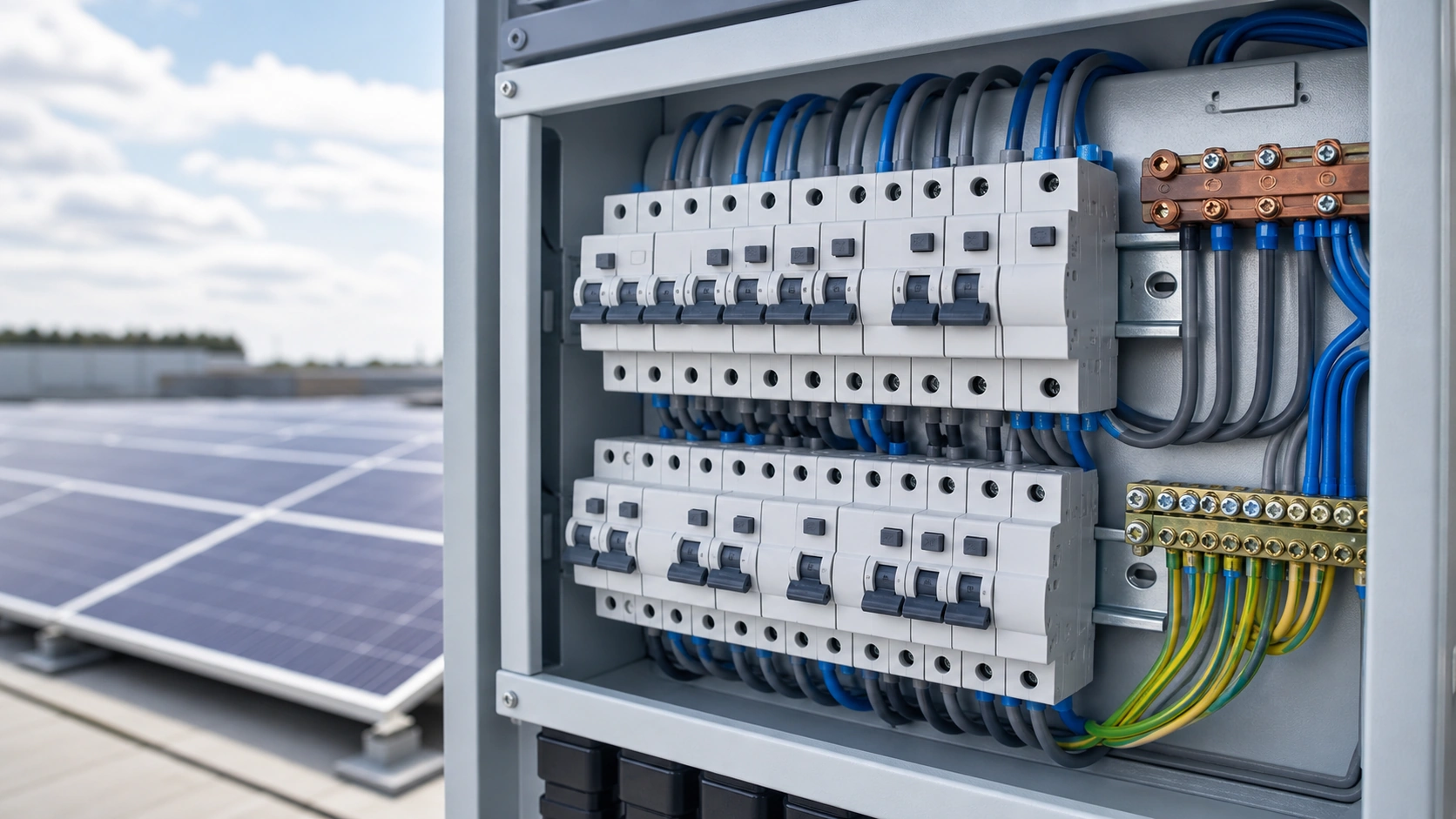
What RCCB Sensitivity (IΔn) Actually Means
An RCCB compares current flowing out on the line conductors with current returning on the neutral. If some current escapes to earth, the difference becomes residual current and the device opens.
IΔn is the rated residual operating current. Under IEC 61008, the device must not trip below 0.5 × IΔn and must trip by 1.0 × IΔn, creating a defined operating band rather than a single exact point. Rated current In and residual-current type must be specified alongside IΔn.
30 mA: The Rating That Protects People
The 30 mA setting is used for additional protection against electric shock. It is common on socket outlets, portable equipment, wet locations, outdoor circuits and other final circuits where local wiring rules require it.
It supplements correct earthing, insulation and overcurrent protection; it does not replace them. A 30 mA device at the origin of a large installation can be too sensitive to accumulated normal leakage.
- Socket outlets and portable equipment.
- Bathrooms, kitchens, pool plant and other wet locations.
- Outdoor circuits and many EV charge-point arrangements, with additional DC-fault requirements where applicable.
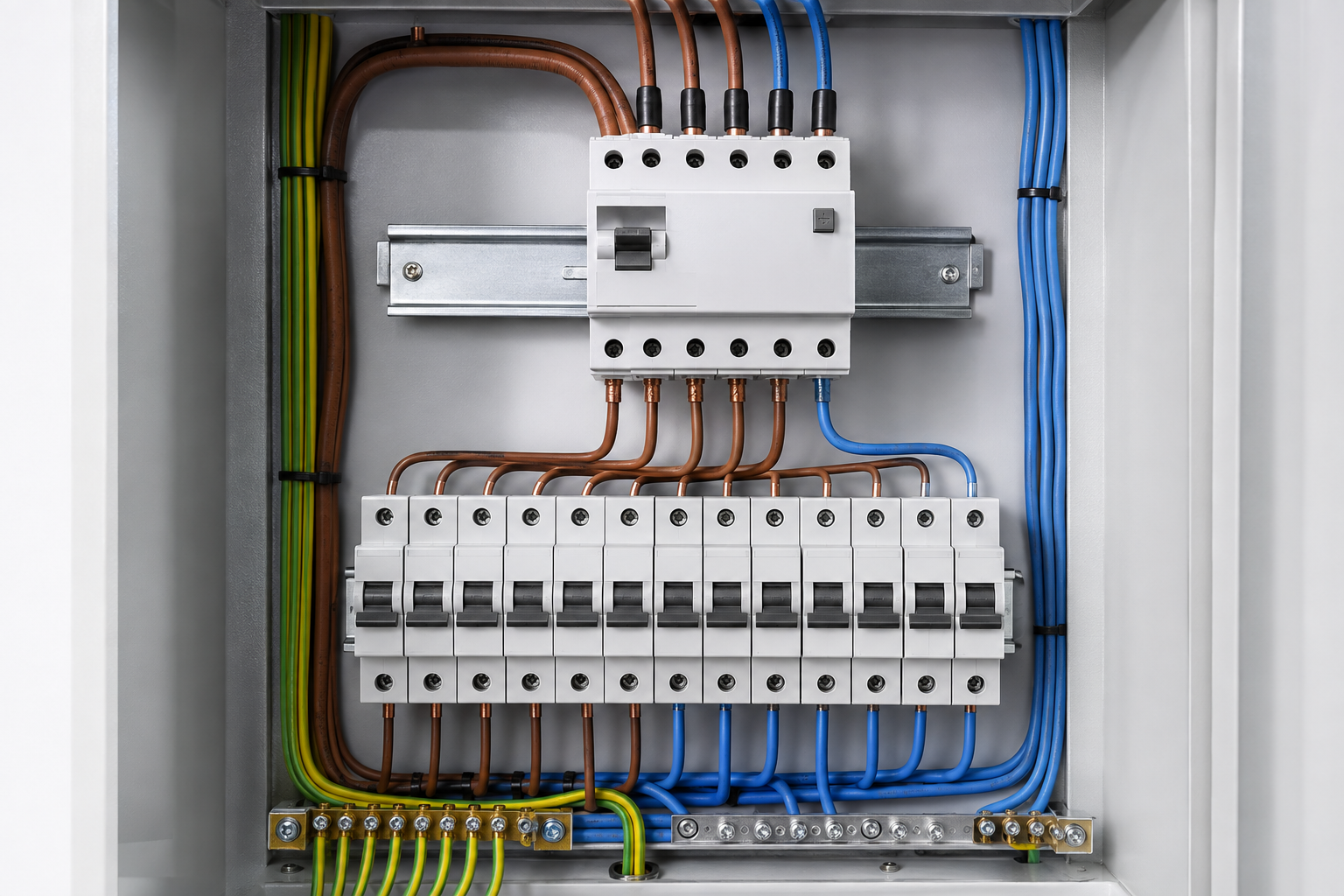
100 mA and 300 mA: Fire and Equipment Protection
Higher settings exist because sustained earth leakage can create heating and fire risk before an overcurrent device sees a meaningful load increase. 300 mA is a classic fire-protection setting at the origin or on a main incomer; 100 mA is an intermediate setting where closer supervision is needed but 30 mA would nuisance-trip on standing leakage.
These settings do not provide the same additional shock protection as a 30 mA final-circuit device. They belong in a coordinated hierarchy with the downstream protection.
30 mA vs 100 mA vs 300 mA
Read the ratings as a protection hierarchy rather than a menu of interchangeable options.
| IΔn | Primary purpose | Typical position | Typical application |
|---|---|---|---|
| 30 mA | Additional shock protection | Final circuit | Sockets, lighting, wet and outdoor equipment |
| 100 mA | Fire protection with closer supervision | Sub-main or board incomer | Small commercial boards, workshops and agricultural buildings |
| 300 mA | Fire protection | Origin or main incomer | Building sub-mains and larger installations |
| 500 mA+ | Equipment and plant protection | Main distribution | Heavy industrial plant with high standing leakage |
Achieving Selectivity Between Levels
Selectivity means a fault on one final circuit operates the device protecting that circuit and nothing else. Residual-current selectivity requires current and time separation together.
- Current selectivity: the upstream device should have IΔn at least three times the downstream value.
- Time selectivity: the upstream device should be time delayed and marked S-type so the instantaneous downstream device operates first.
- A common hierarchy is 300 mA S-type at the origin, 100 mA S-type on sub-mains where needed and instantaneous 30 mA RCBOs on final circuits.
Nuisance Tripping: Causes and Real Fixes
An RCCB that trips without an obvious fault is often reporting a true installation condition.
- Accumulated standing leakage from too many electronic loads: split circuits or use per-circuit RCBOs.
- Moisture ingress: find the water path, verify IP class and check glands.
- Damaged insulation: test circuit by circuit rather than replacing the device blindly.
- A neutral-earth contact downstream: trace alterations and rewired accessories.
- Wrong residual-current type: use Type A as the modern minimum, Type F for relevant frequency-controlled loads and Type B where smooth DC is possible.
- Surge or switching transients: coordinate with SPD protection and choose suitable immunity where required.
Specification and Testing Checklist
- Match IΔn to purpose: 30 mA final circuits, 100 or 300 mA S-type upstream.
- Match device type to load technology.
- Size In and conditional short-circuit coordination for the board or circuit.
- Verify IEC 61008 for RCCB, IEC 61009 for RCBO and IEC 61439 for the assembly where applicable.
- Verify selectivity on paper before installation.
- Exercise the test button during maintenance and record commissioning trip current and trip time with an RCD tester.
- Measure standing leakage at commissioning to establish a baseline.
Engineering decision map
Use this compact sequence to review the approved guidance in order. Confirm actual ratings, interfaces, applicable standard editions and selected equipment documentation before final specification or release.
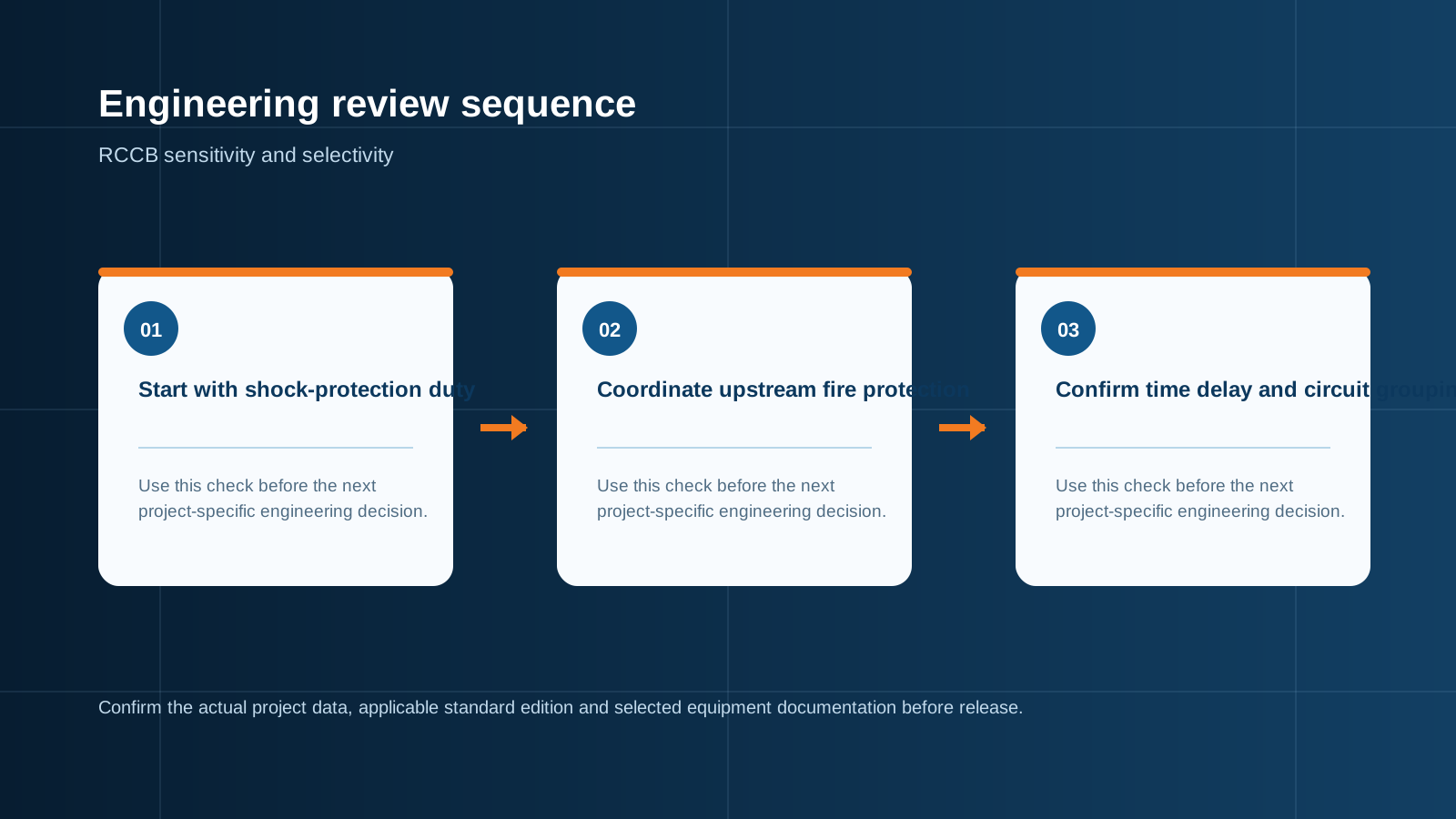
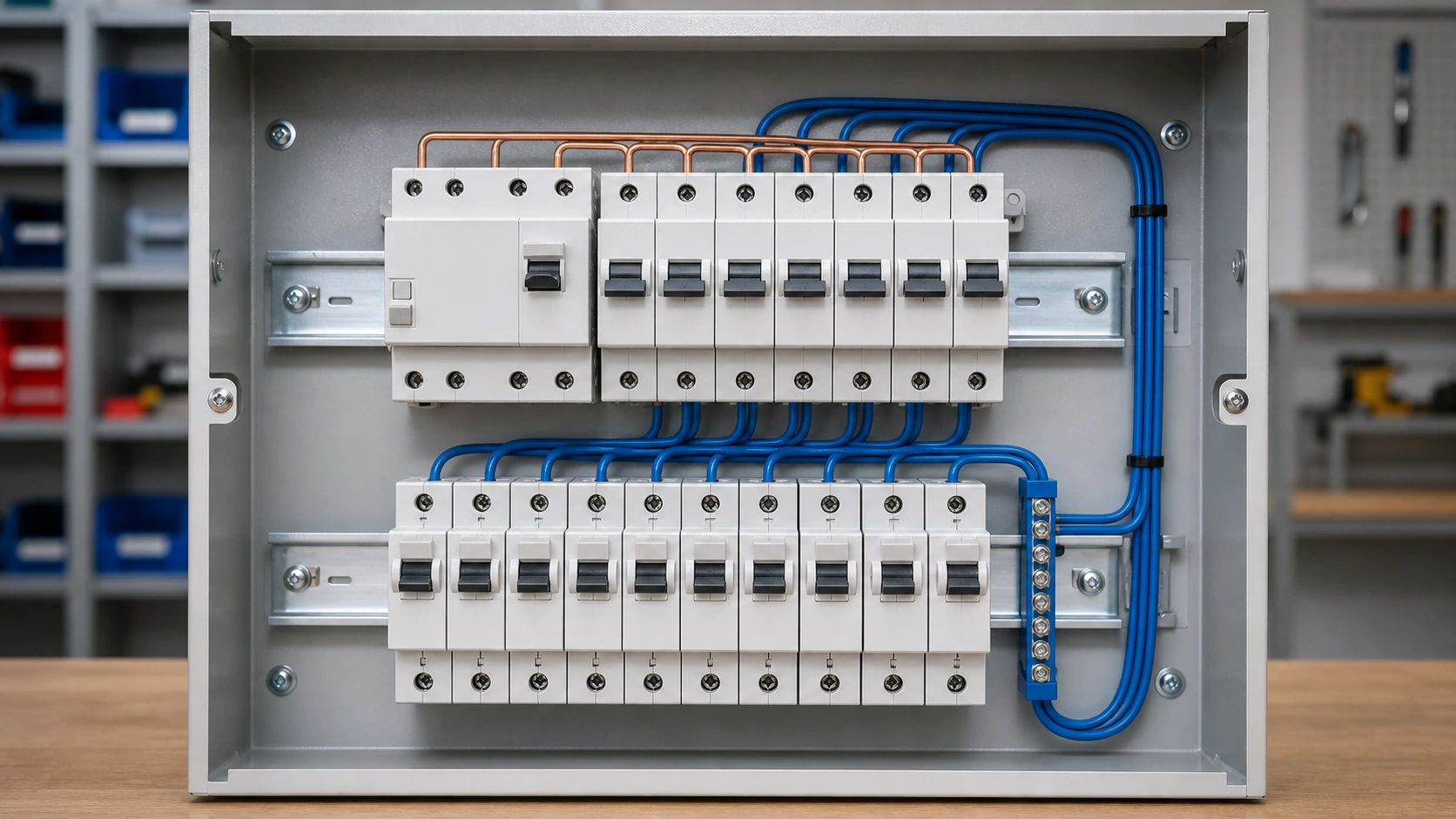
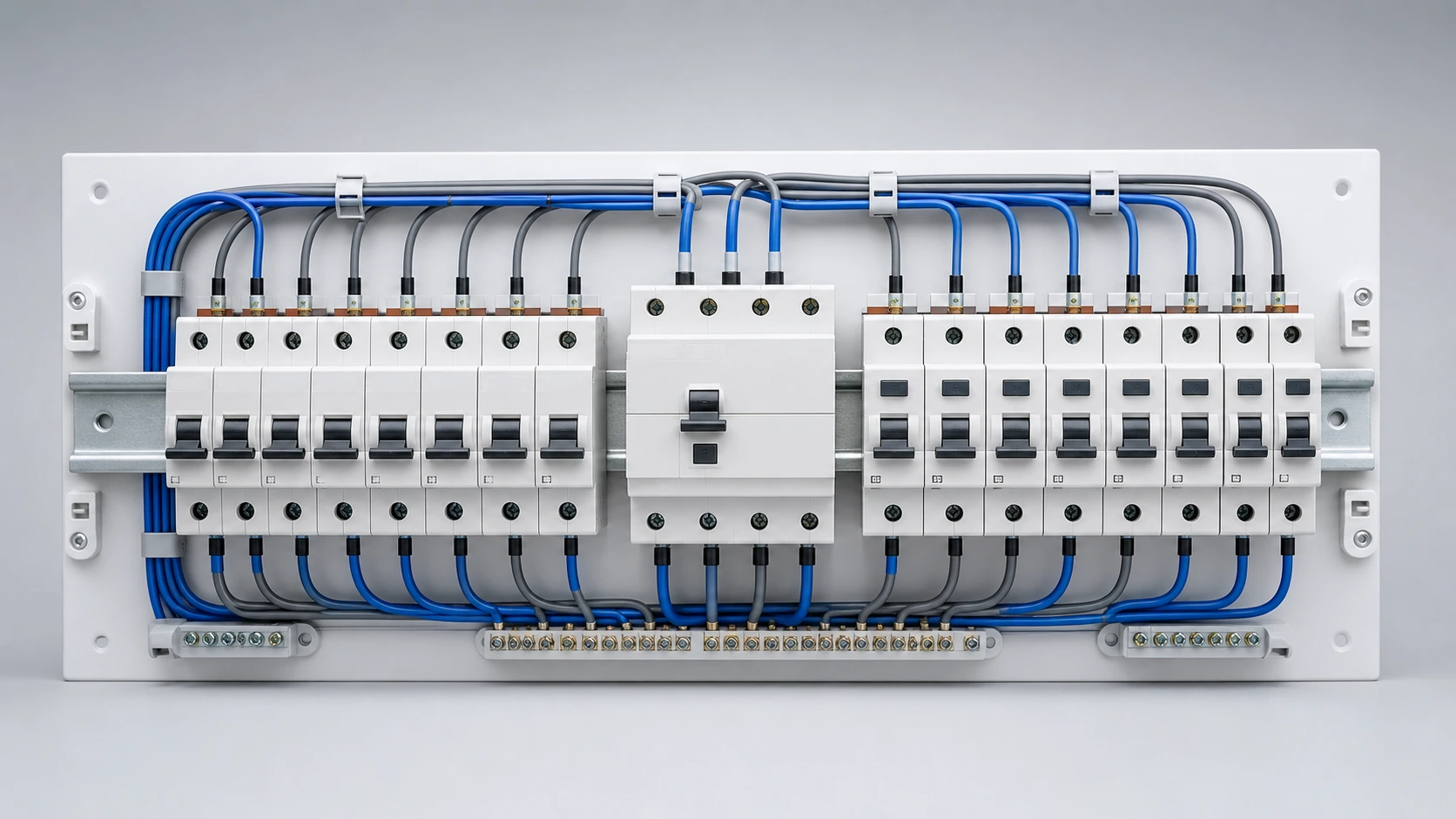
Technical diagram shown at a readable responsive scale.
Sensitivity selection must follow local wiring rules, earthing arrangement, load technology, protection coordination and the responsible engineer's design. Increasing IΔn on a final circuit to stop nuisance tripping can remove required shock protection.
Frequently asked questions
What does RCCB sensitivity mean?
Sensitivity is the rated residual operating current IΔn at which the device must trip. Under IEC 61008, it must not trip below 0.5 × IΔn and must operate by 1.0 × IΔn.
Why is 30 mA used for shock protection?
It is used as additional protection on final circuits because it operates at a residual-current level intended to limit the duration and magnitude of a shock hazard. It supplements, rather than replaces, earthing and insulation.
When should I use a 100 mA or 300 mA RCCB?
Use these settings upstream for fire and equipment protection and for selectivity where accumulated standing leakage would make a 30 mA device unsuitable. They do not provide the same additional shock protection as 30 mA final-circuit devices.
How do I achieve selectivity between two RCDs in series?
Use an upstream rated residual current at least three times the downstream value and make the upstream device time delayed and S-type. Two instantaneous devices will not discriminate reliably just because their settings differ.
My RCCB keeps tripping — should I fit a higher rating?
Not on a final circuit as a shortcut. Investigate accumulated leakage, moisture, insulation damage, neutral-earth contact and residual-current type before changing IΔn.
Build the Hierarchy Around the Load
Send the circuit schedule, load technology, earthing arrangement and destination market for a sensitivity, type and selectivity review.
Request a quoteContinue learning
Explore related technical guidance in Electrical Protection.
Converted from NEUTRON_PUBLISH_rccb-sensitivity-explained_v1.0.docx. The source's 30 mA, 100 mA, 300 mA and selectivity guidance is retained.