
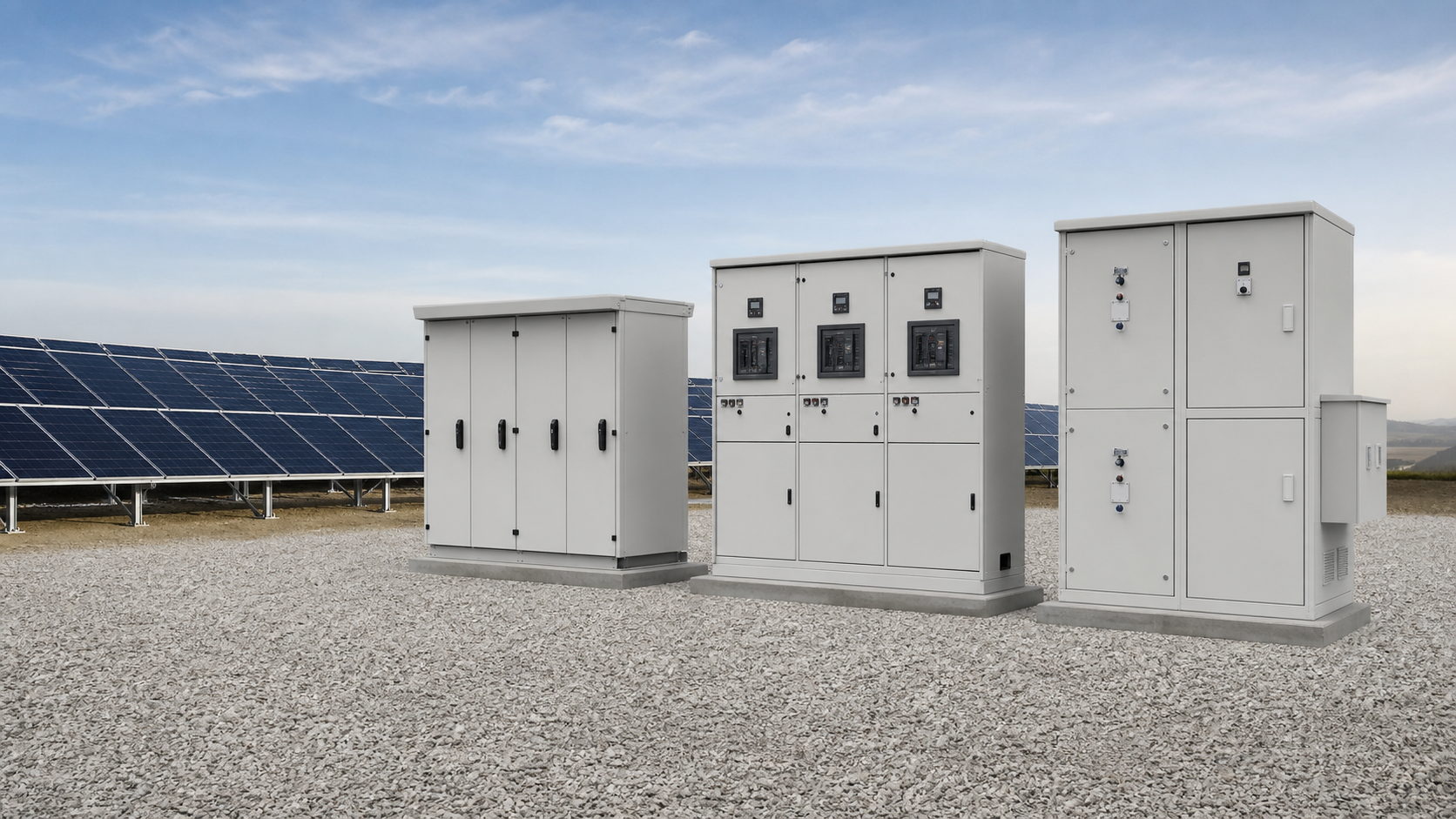
1. Tender-driven demand in Europe and Australia
Auctioned renewable capacity is no longer a pilot signal — it is the dominant procurement channel for grid-scale PV in both regions. Italy has structured a 37 GW renewable support framework built on large PV auctions, and the broader European market continues to expand its largest solar-plus-storage plants toward gigawatt scale. In Australia, the small-scale renewable incentive now covers systems up to 1 MW for commercial and industrial customers, widening the addressable base for rooftop and ground-mount BOS alike. As import duties fall in selected markets, the constraint is shifting from cost to conformance: the cheapest box loses if it cannot clear customs and commissioning.
- Auction volume concentrates demand into predictable, multi-year build windows.
- Storage co-location raises electrical coordination requirements for DC and AC assemblies.
- Duty relief widens the supplier field but intensifies the certification differentiator.
- EPC and developer pre-qualification increasingly screens on documented standards, not price alone.
2. Why IEC compliance is the market entry ticket
In both the European and Australian contexts, international electrotechnical standards are the language of market access. A combiner box or switchboard that is engineered only to a generic internal specification will stall at conformity assessment. IEC compliance demonstrates that the design, the assembly process and the test evidence line up with what notified bodies and EPCs expect. Treat the standards as the entry ticket, not the finish line.
- Tenders routinely require CE marking backed by a valid Declaration of Conformity.
- Assembly standards (IEC 61439) govern how the enclosure is built and verified, not just component ratings.
- IEC 61439-8 addresses assemblies for use in photovoltaic installations.
- Medium-voltage connection points pull in IEC 62271 for switchgear and RMUs.
3. Combiner box requirements for export markets
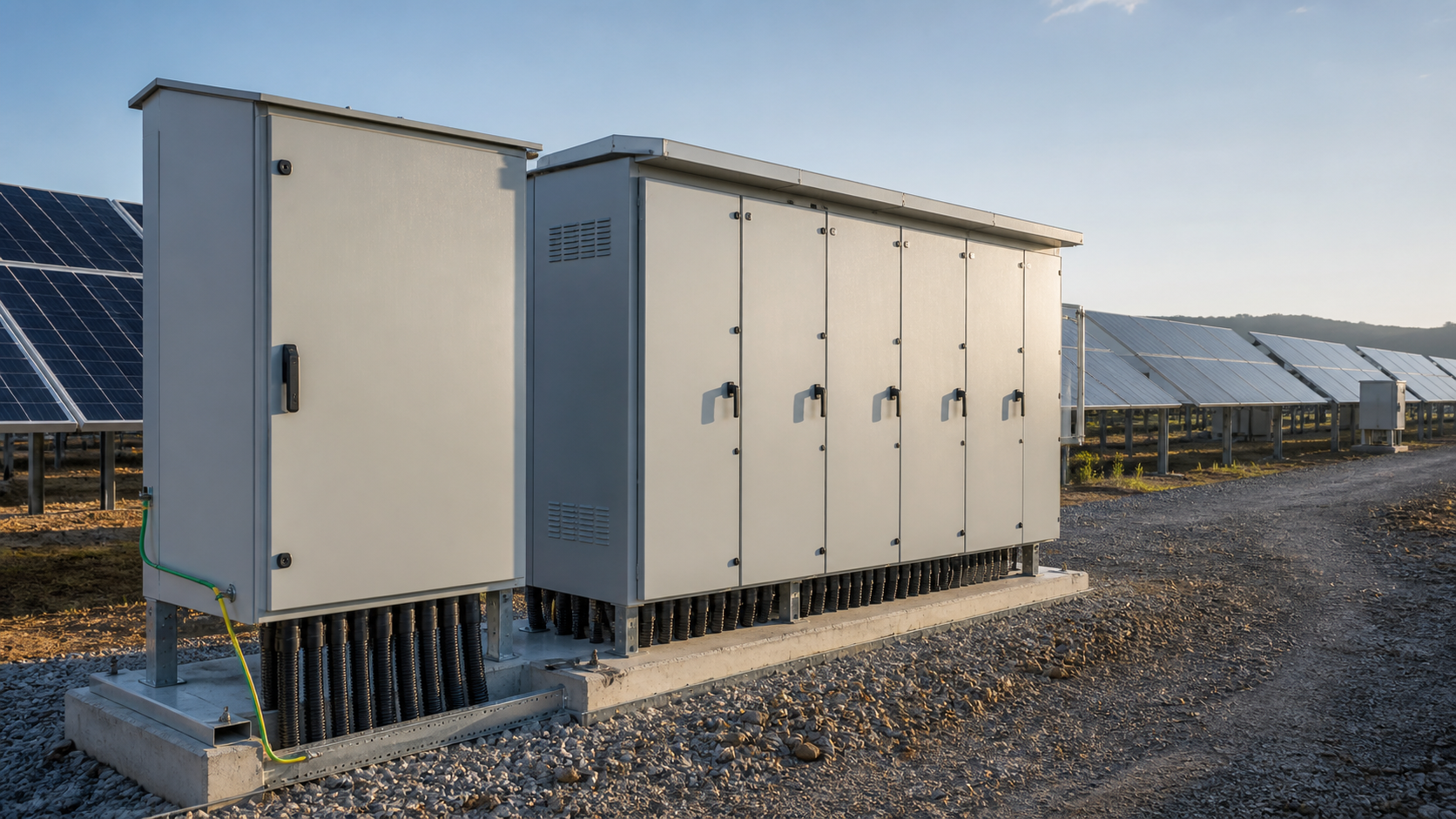
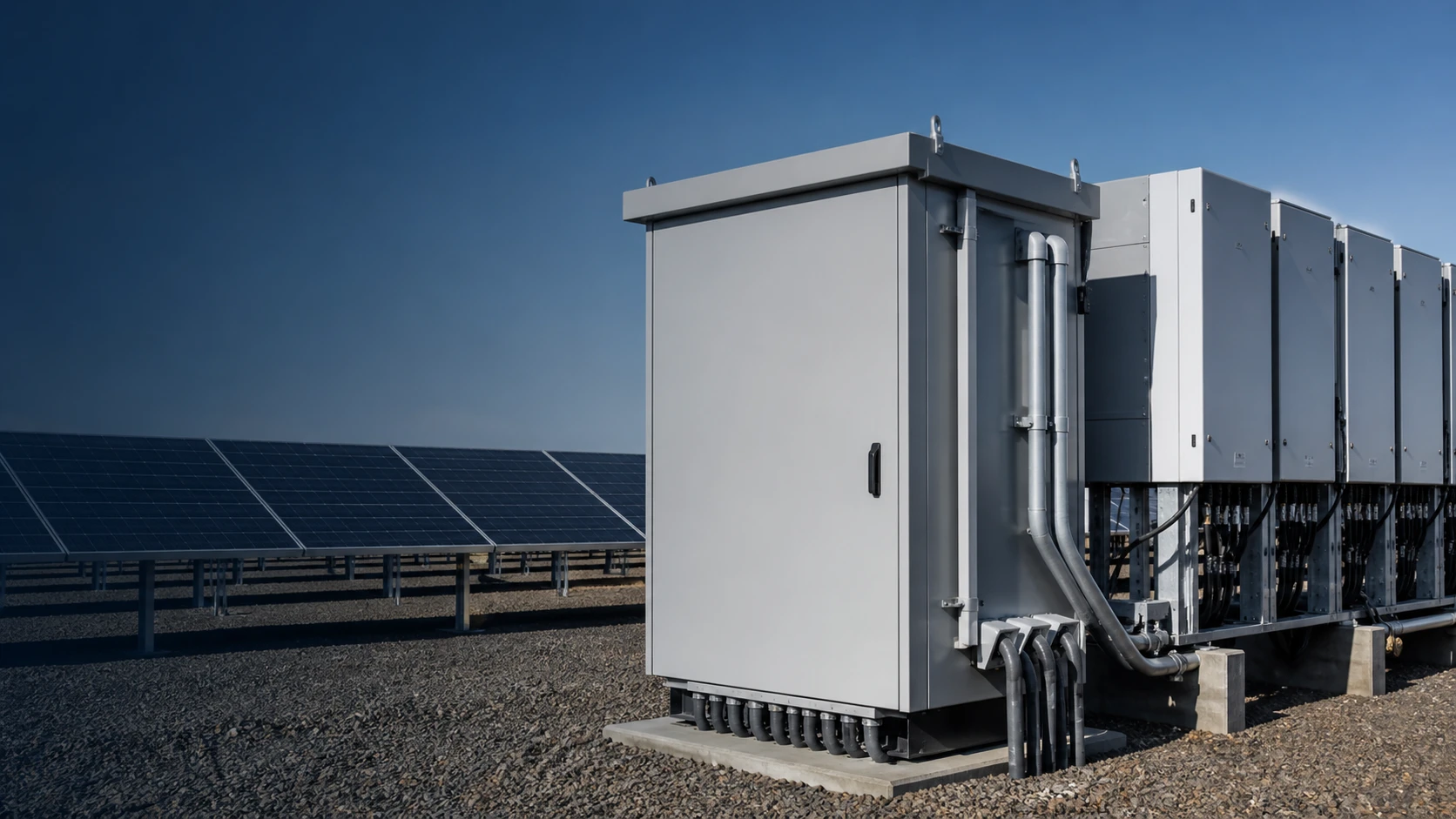
Export-bound combiner boxes must be specified for the destination environment from the first drawing. System voltage, string count, ambient temperature and corrosion class all change between a Mediterranean utility site and an Australian coastal array. The combiner box is the first line of DC protection, so its internal coordination is what commissioning engineers scrutinize first.
- Rated system voltage matched to 1000 V or 1500 V DC project design.
- Per-string gPV fuse protection sized to the worst-case short-circuit current.
- DC surge protective device coordinated to IEC 61643-31 voltage protection levels.
- Enclosure ingress and corrosion rating suited to the site climate.
- Clear labeling, terminal identification and test access for field verification.

Technical diagram shown at a readable responsive scale.
4. Switchgear and RMU for utility tenders
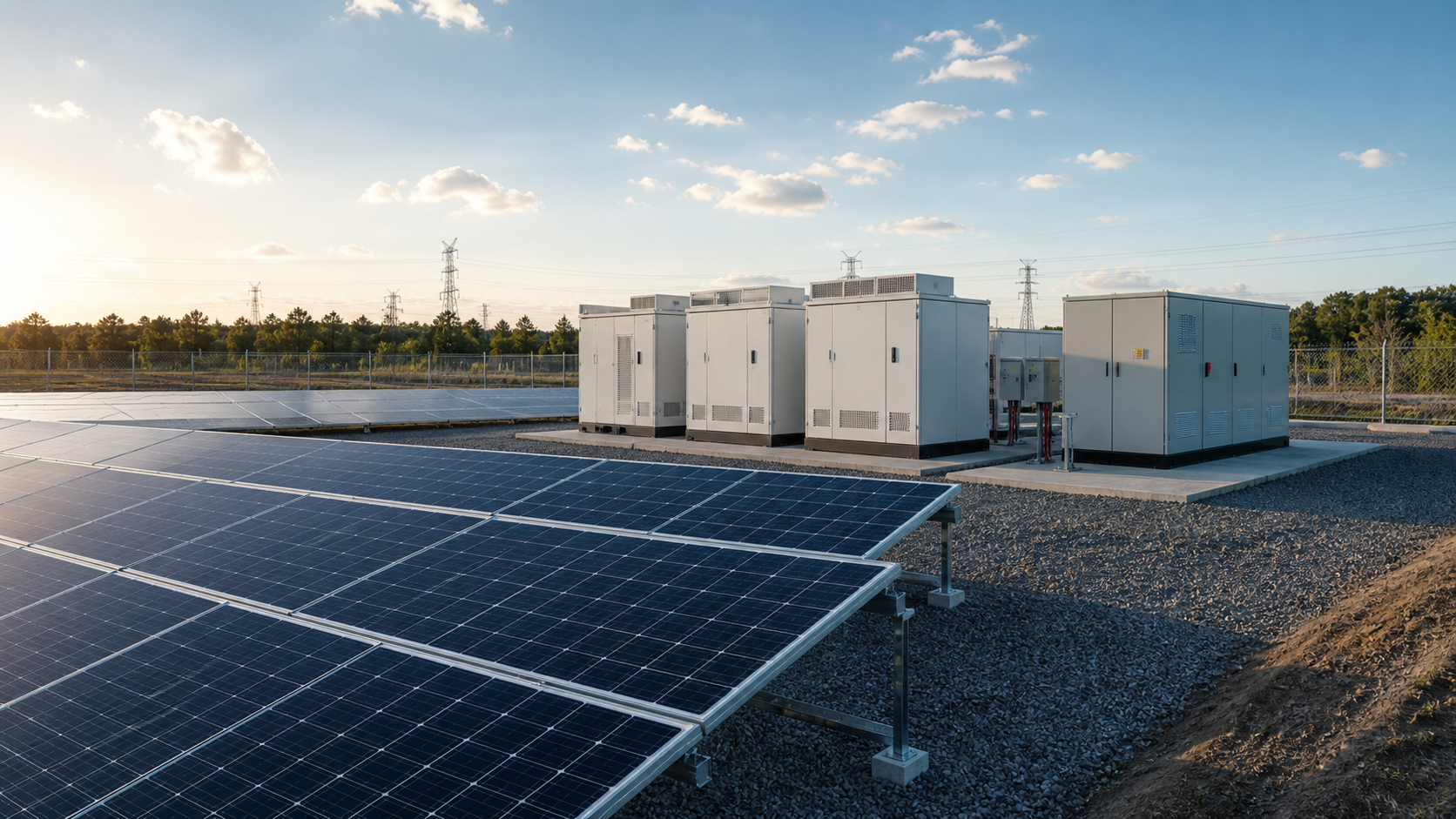
As plants scale, the AC side and the medium-voltage interconnection dominate the equipment list. Low-voltage switchgear carries the inverter output and the auxiliary distribution, while ring main units provide the protected MV connection that utilities require for grid export. Tenders for utility plants increasingly bundle these into a single BOS package, which favors suppliers who can deliver a coordinated board-plus-RMU offer rather than loose components.
- Low-voltage switchgear assembled and verified to IEC 61439.
- RMU built to IEC 62271 with the correct rated short-time and peak withstand current.
- Coordinated protection settings between inverter, switchboard and MV connection.
- Documentation that utilities accept for grid-connection approval.
5. Documentation and certification (CE, IEC 61439, IEC 61439-8, IEC 62271)
Winning a tender is as much a paperwork exercise as an engineering one. The submission package must present a coherent chain: design basis, type-test evidence, factory routine tests and a Declaration of Conformity. Missing or inconsistent certificates are the fastest way to fail a pre-qualification screen, even when the hardware is sound.
- CE marking with a supported EU Declaration of Conformity.
- IEC 61439 verification dossier for the low-voltage assembly.
- IEC 61439-8 design and verification evidence for photovoltaic assemblies.
- IEC 62271 type tests for the ring main unit and MV switchgear.
- Routine test records and a bill of materials that matches the certified configuration.
6. Logistics and project-scale supply
Tender awards convert into delivery schedules measured in containers and commissioning windows. Exporters must plan for transit time, port handling and on-site staging, because a late combiner box shipment can idle an entire string group. Project-scale supply also means configuration consistency: every box in a 200-unit lot must be identical to the certified sample.
- Build to a confirmed bill of materials that mirrors the certified unit.
- Stage spares — fuses, SPD modules, seals — with the main shipment.
- Protect enclosures against transit humidity and mechanical shock.
- Align packing lists with the declared HS codes and conformity documents.

Technical diagram shown at a readable responsive scale.
7. Standards landscape (IEC 61439-8, IEC 61439, IEC 62271, IEC 61643-31)
Mapping each product to its governing standard removes ambiguity during tender review and shortens the conformity discussion with EPCs and utilities.
- IEC 61439-8 — assemblies for use in photovoltaic installations.
- IEC 61439 — low-voltage switchgear and controlgear assemblies, covering design verification and routine tests.
- IEC 62271 — high-voltage switchgear and controlgear, the basis for RMU and MV connection equipment.
- IEC 61643-31 — surge protective devices specifically for photovoltaic systems.
8. How a BOS supplier supports export EPCs
A BOS supplier that understands both regions does more than ship hardware. It translates the tender’s compliance requirements into a bill of materials, prepares the certification dossier, and keeps the delivered lot consistent with the approved sample. For EPCs bidding European and Australian PV tenders, that support reduces both technical risk and schedule risk. NEUTRON reviews the application context and prepares a configuration discussion around your project requirements, with combiner, switchgear and RMU options referenced against the standards above.
Pair the equipment selection with the supporting insight pages below, and the submission reads as a single, standards-aligned offer rather than a stack of disconnected components.
This is general technical guidance. Final ratings, standard editions, protection coordination and compliance evidence must be confirmed for the actual project and applicable local requirements.
Frequently asked questions
Which certifications do EU/Australian PV tenders require?
At minimum, CE marking with a valid Declaration of Conformity, IEC 61439 verification for low-voltage assemblies, IEC 61439-8 for PV combiner boxes, IEC 62271 for ring main units, and IEC 61643-31 coordination for DC surge protection. Tenders may add local grid-code and utility acceptance requirements on top of these.
What do large PV tenders demand from combiner boxes?
Large tenders demand a combiner box matched to the system voltage (1000 V or 1500 V DC), per-string gPV fuse protection, a coordinated DC surge protective device, an enclosure rated for the site climate, and a documented build identical to the certified sample across the whole lot.
Which standard applies to photovoltaic assemblies?
IEC 61439-8 is the international standard for enclosures and assemblies used as PV string combiner boxes. It addresses the DC string environment — isolation, protection coordination and enclosure construction — so that the combiner can be verified against a recognized PV-specific benchmark.
How should a supplier prepare for export tenders?
Prepare early: lock the bill of materials to the certified configuration, assemble the CE and IEC test dossiers, plan logistics for project-scale delivery, and keep routine-test records consistent. Suppliers who treat certification as a pre-condition rather than a post-bid task clear pre-qualification far more reliably.
Bring the project inputs to the first review.
NEUTRON reviews the application context and prepares a configuration discussion around project requirements and the applicable document package.
Discuss a projectContinue learning
Explore related technical guidance in Solar PV.
Technical note: confirm the applicable standard edition, project design basis, local requirements and evidence package before final equipment selection or release.