
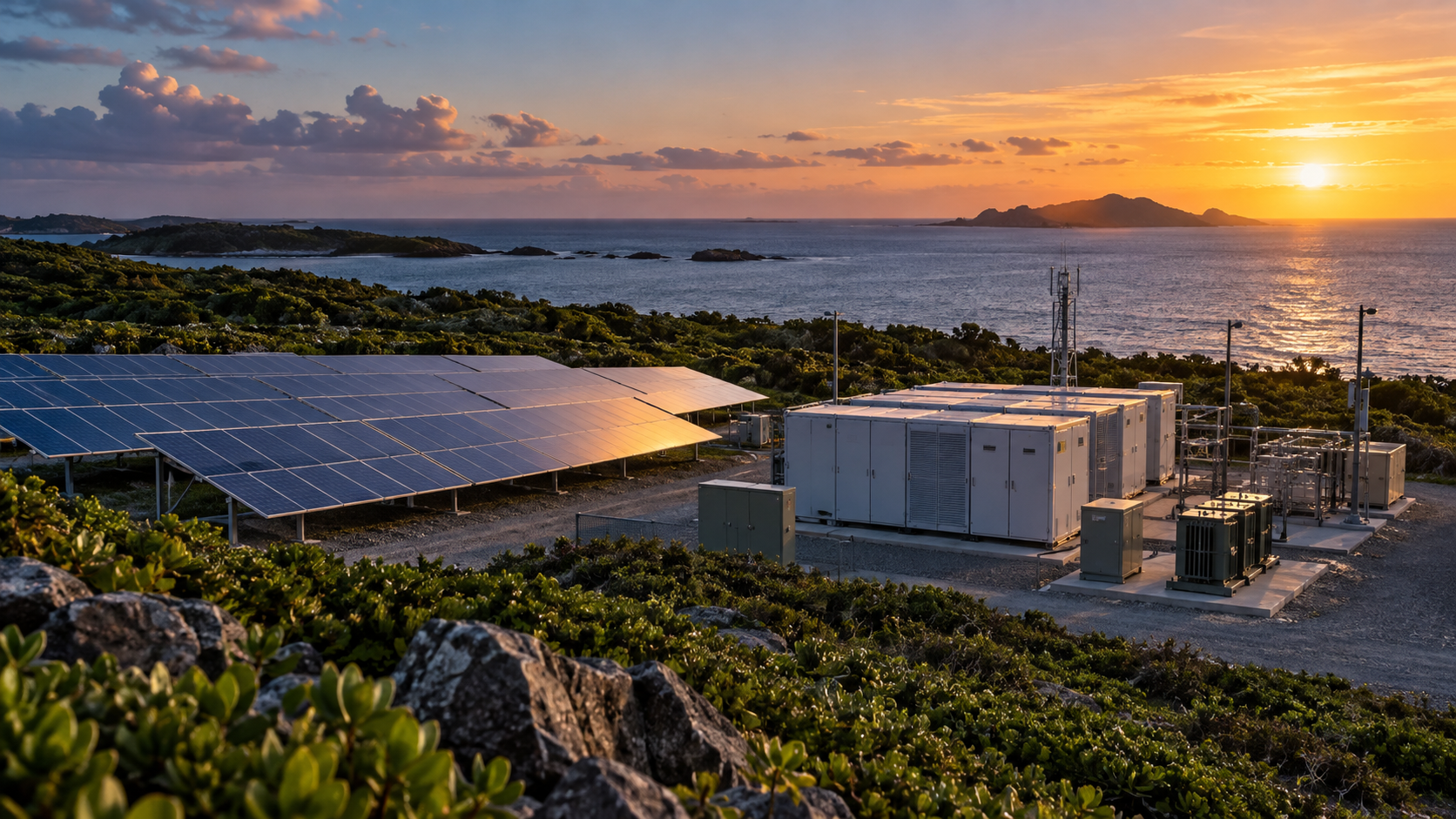
1. An islanded utility
With no public grid to fall back on, the microgrid must be self-sufficient. Protection and switching equipment must keep the array safe, allow clean isolation, and let the system ride through a fault without a full blackout of the resort load.
2. DC side protection
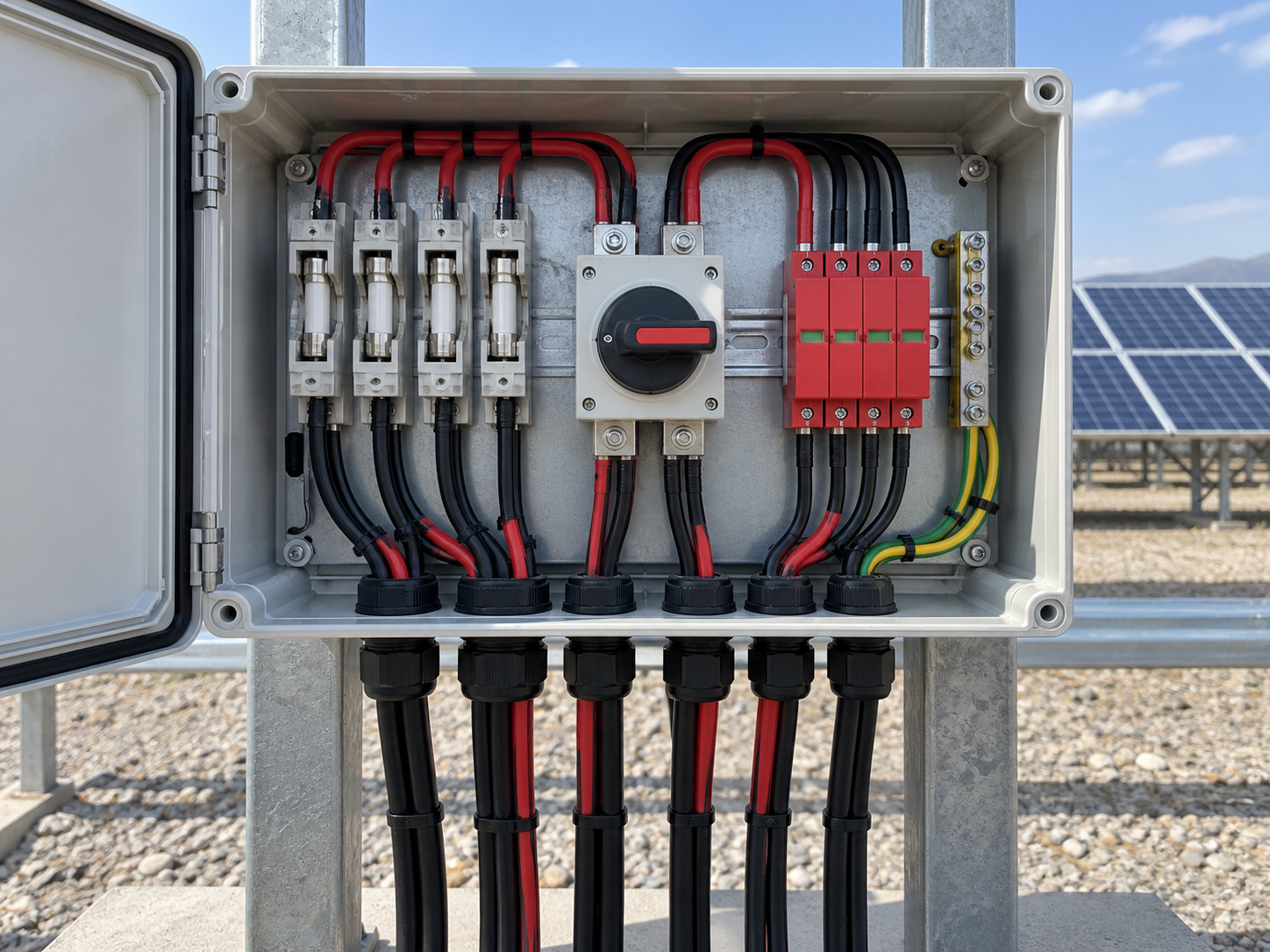
- PV combiner boxes with individual gPV fuse protection per string.
- DC isolation switches for safe maintenance of the array.
- DC surge protective devices matched to the system voltage.
3. Low-voltage switching and ATS
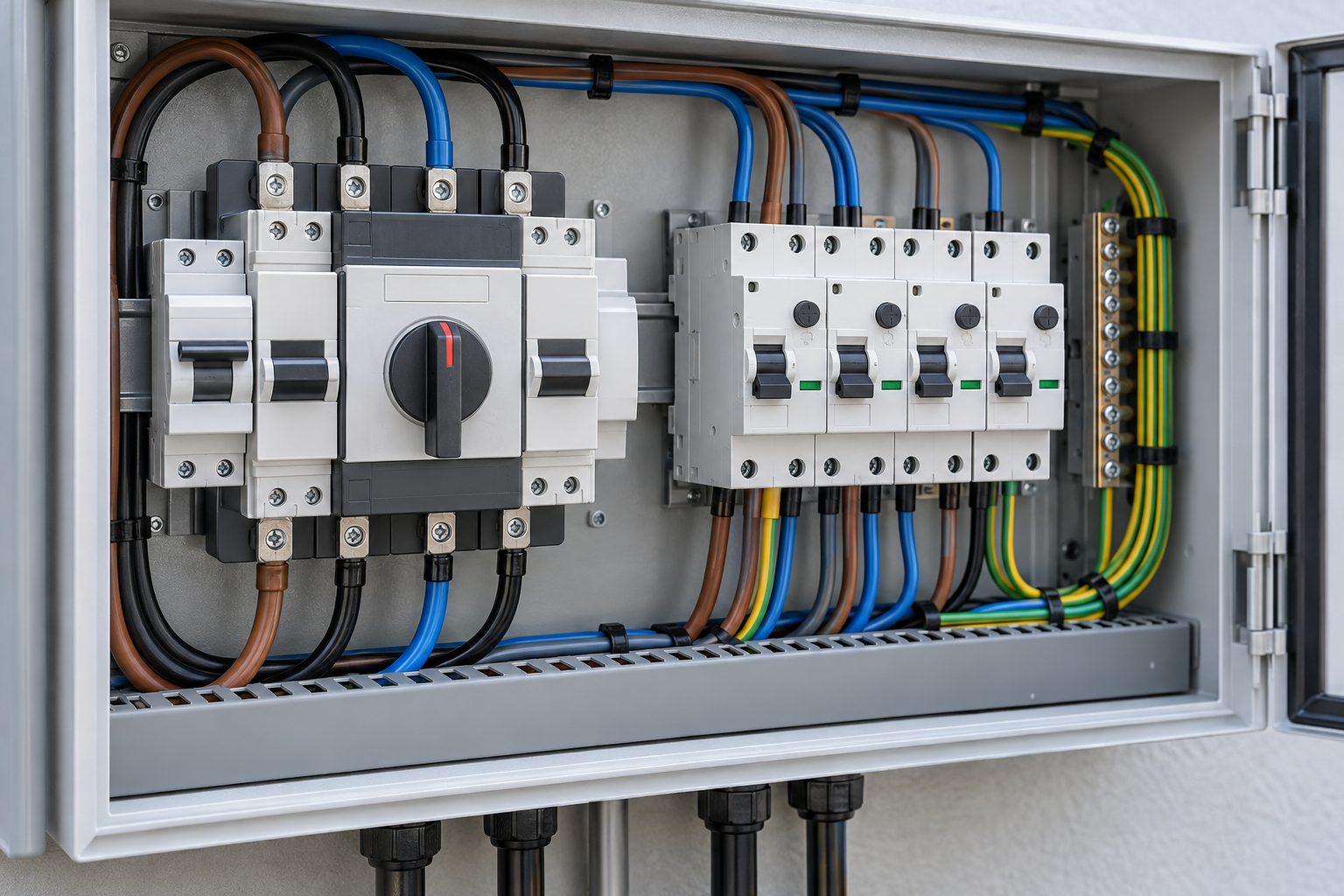
NEUTRON supplied low-voltage switchgear and automatic transfer switching so the resort load can be fed from the solar-storage bus and, where a backup generator is present, transferred cleanly. The ATS keeps the critical load supplied during a transition.
4. AC side residual-current protection
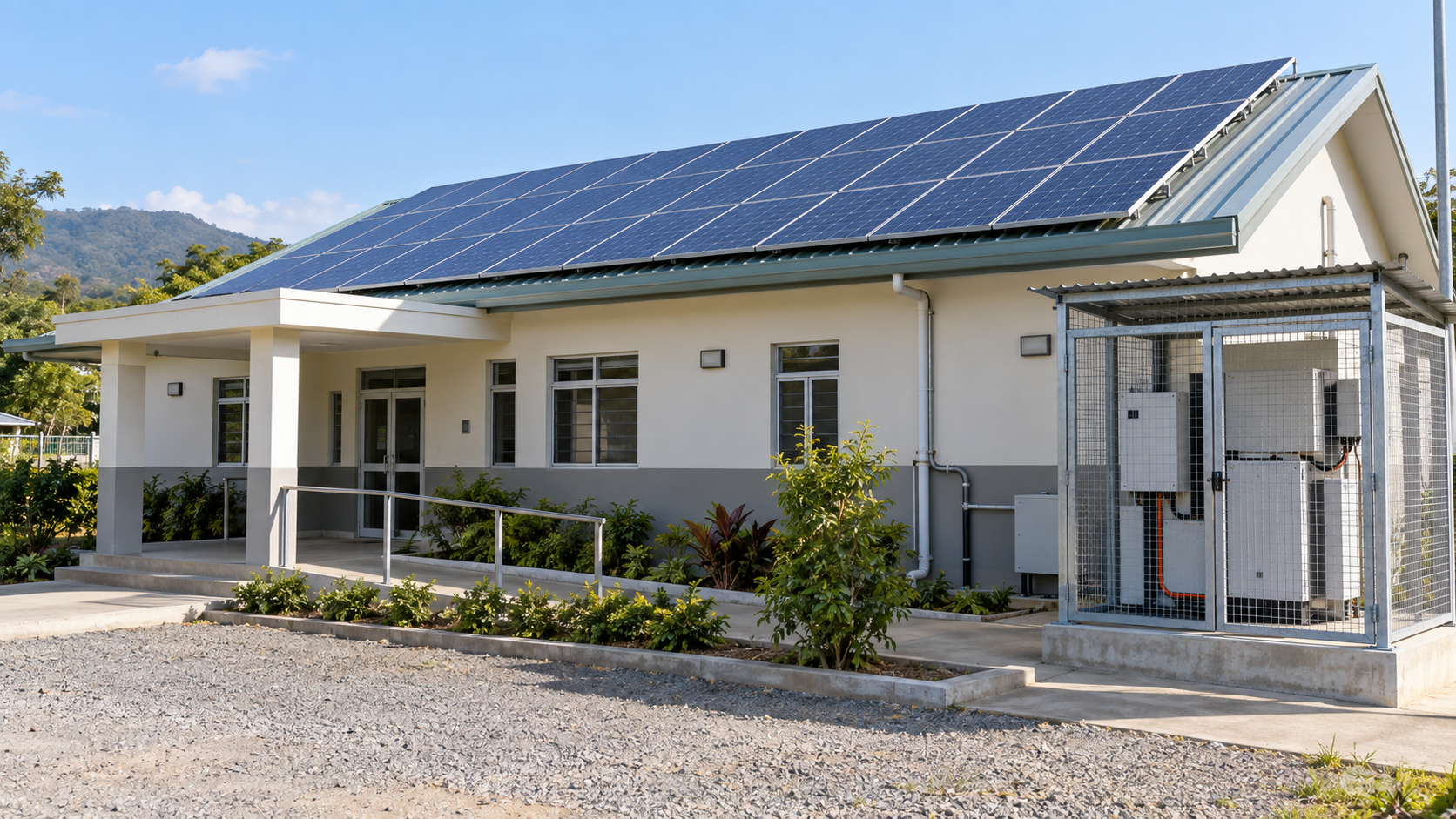
On the AC distribution boards NEUTRON installed Type B RCBO units. Because the inverter stage can present smooth DC, a Type B device senses AC, pulsating DC and smooth DC, closing the shock-protection gap left by a Type A device.
5. Coordination with EPC-supplied storage
NEUTRON did not supply the batteries or inverters. The protection scope was coordinated to the EPC ratings: combiner and DC fuse limits matched to the array the inverter expects, and the AC board sized to the inverter output and priority loads.
6. Outcome
The protection and switching layer gave the off-grid utility a safe, serviceable foundation. The lesson is that an islanded resort microgrid needs the same DC discipline as a grid plant, plus ATS and Type B RCBO for resilient local supply.
Final ratings, coordination, installation and applicable local requirements must be verified against current standards, manufacturer documentation and the approved project design.
Frequently asked questions
What protects an off-grid solar microgrid?
gPV fuses at each string, DC isolation and SPD in the combiner, low-voltage switchgear with ATS on the AC side, and Type B RCBO for residual-current safety.
Why Type B RCBO off-grid?
The inverter can inject smooth DC that a Type A RCBO cannot detect; Type B senses AC, pulsating DC and smooth DC.
Does NEUTRON supply the batteries?
No. Batteries and inverters are integrated by the EPC; NEUTRON supplies the DC protection, combiner and low-voltage switching layer.
Which standards apply?
IEC 60269-6, IEC 61643-31, IEC 60947-2, IEC 61008/61009, IEC 61439 and IEC 62271.
Review the islanded architecture early.
Share the PV, storage, generator and priority-load interfaces for a coordinated protection and transfer review.
Discuss a projectContinue learning
Explore related technical guidance in Solar PV.

Published from the approved Period 12 source package; project, technical and standards statements are retained from the supplied publication content.